Tanvir Mokammel
Directing
Biography
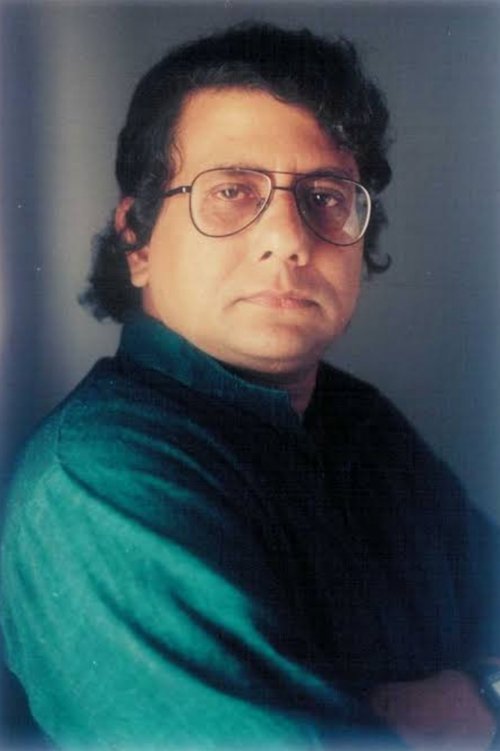
Tanvir Mokammel is a film-maker and writer from Bangladesh. Born in 1955. He has made six full-length feature films and fourteen documentaries.
Known For

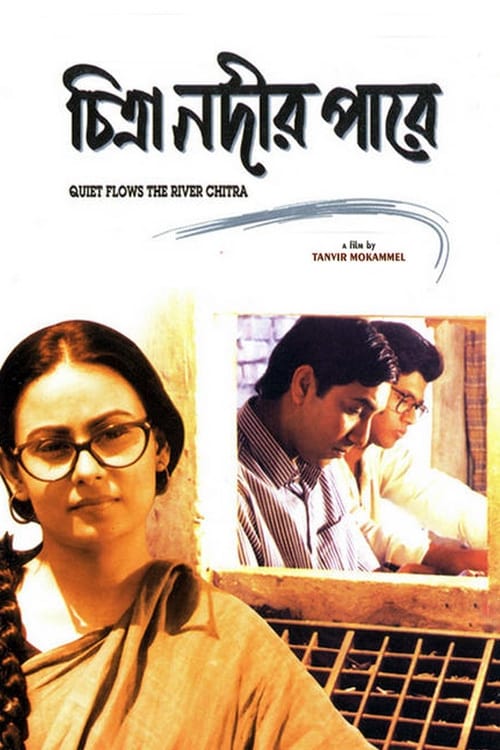
After the partition of India in 1947, Shashikanta's family, like millions of other Hindu families of East Pakistan (now Bangladesh), faced the dilemma of whether to migrate from the land in which they have been living for centuries. But Shashikanta Sengupta, an eccentric lawyer, stubbornly refuses to leave his motherland. Widower Shashikanta has two children, Minoti and Bidyut. Anuprava Devi is an affectionate old aunt who lives with the family. The family has a house in Narail, a small provincial town on the bank of the Chitra river. Some Muslim neighbors eye Shashaikanta's house. But the family refuse to migrate. Shashikanta's children Minoti and Bidyut are friends with the neighboring Muslim children- Badal, Salma and Nazma. Minoti and Badal become more than friends. The children grow up.
Chitra Nodir Pare

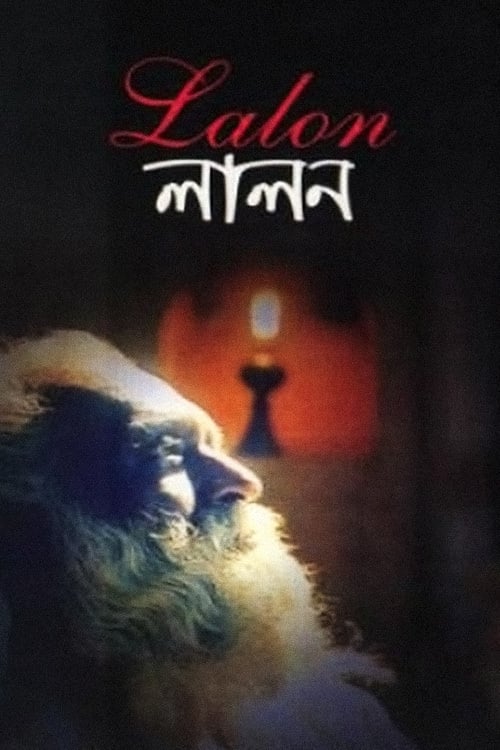
The story of the life of Lalon Fakir, a great mystical saint, poet and folk singer, who is legendary in his native Bangladesh.
Lalon

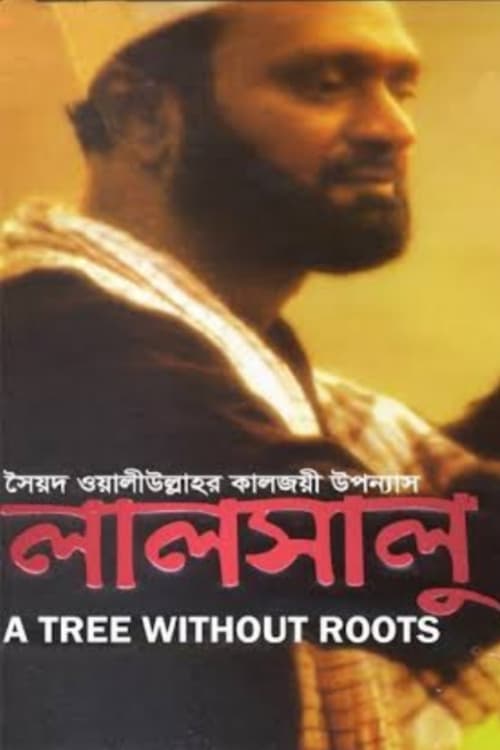
In this tragic-comic study of religious hypocrisy, a disreputable cleric convinces villagers that their community is home to a famous holyman's grave.
A Tree Without Roots

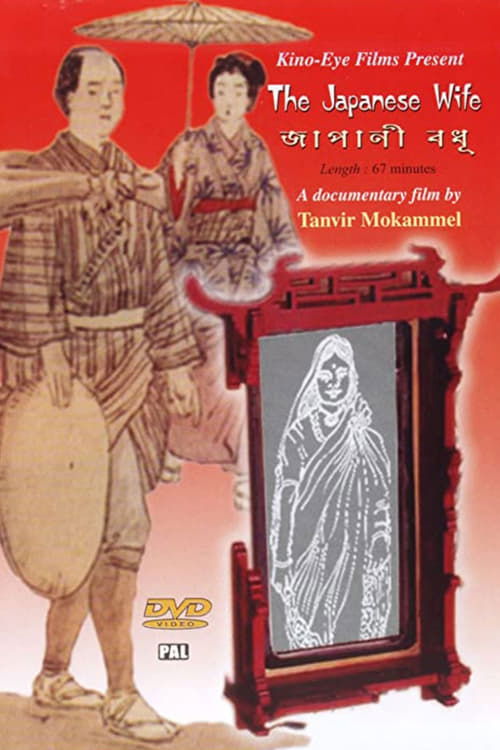
Hariprobha Basu Mallik (1890-1972) of Dhaka married Japanese citizen Wemon Takeda and went to Japan in 1912. About her travel and experiences in Japan she wrote a book titled as "Travel in Japan by a Bengalee Woman" (Bongo Mohilar Japan Jatra). Regarding travelogues on Japan the first book that comes into any Bengalee's mind is Rabindranath Tagore's well known "Traveller to Japan" (Japan Jatri). But while Tagore wrote about the beauty and aesthetics of Japan with profound depth, Hariprobha portrayed the everyday domestic life of the common Japanese people. Japan, during the beginning of the last century, seems a different country altogether. Hariprobha, during her last visit to Japan in 1941, used to read Bengali news from Tokyo radio for Subhas Chandra Bose's Azad Hind Fouz. After the Second World War Hariprobha returned to India and died in Kolkata in 1972.
The Japanese Wife

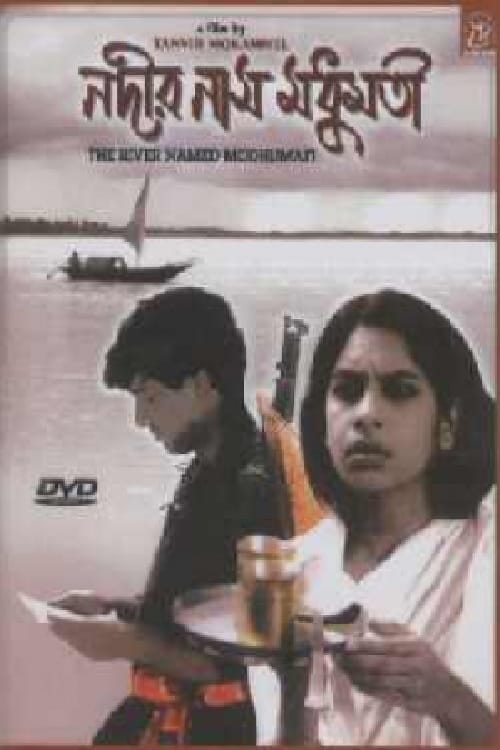
During the 1971 liberation war of Bangladesh, in a remote village, a landlord collaborated with the Pakistani army. After the death of his brother, he married his sister-in-law who had a young son. A teacher in the village, with a widowed daughter, taught the young man had a daughter. When the war broke out, the young man joined the Bengali guerrillas, shattering his innocence. In the village, the landlord's action get worse and worse, until he kills the teacher and compels the daughter to marry him. Now the young man must return to his village with new determination.
The River Named Modhumoti

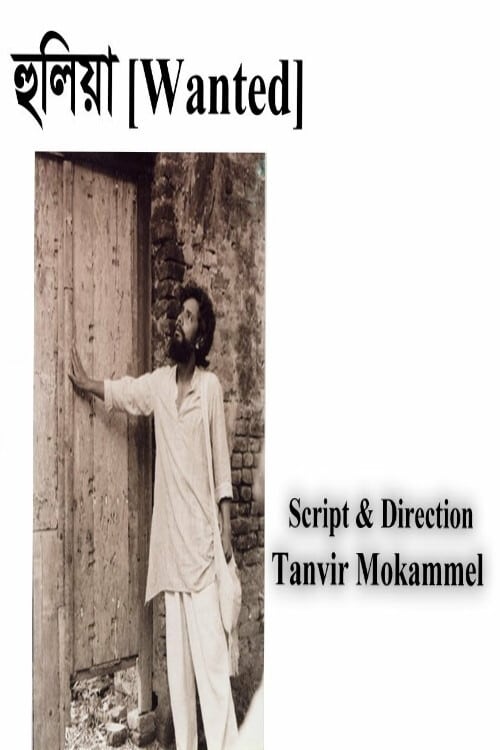
During anti-Ayub movement in the 1960’s a young leftwing political activist had warrant against him. He would secretly move around by trains. Police detectives followed him. It was never clear in the poem whether the young man went to his village and met his mother and comrades, or whether he was just thinking about them and thus the past, present and future of the politics of that particular time of our history all converged in his subconscious.
Wanted

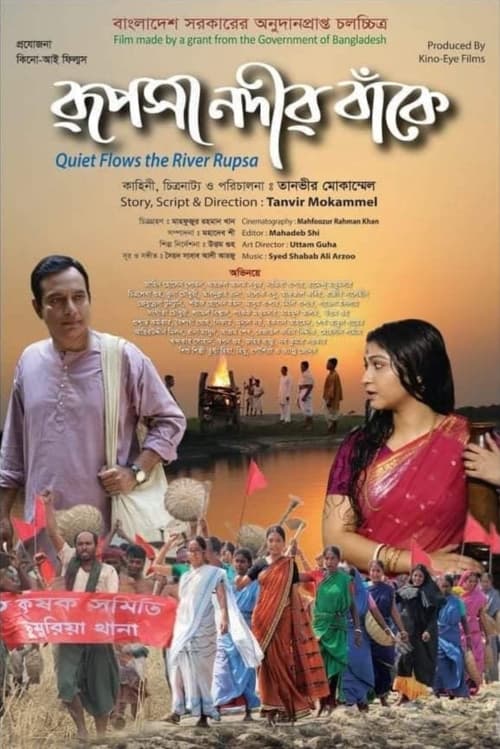
It is a film about a left wing leader, who like a Greek tragic character, fought against his destiny all along his life. While portraying the man’s struggles the film deals with the anti-British Swadeshi movement, the 1947 Partition of India, Tebhaga movement of the Bengal peasants, creation of Pakistan, killing of the political prisoners inside jail in Rajshahi and finally the liberation war of Bangladesh against Pakistan in 1971. The film also reveals the love and sacrifices of this star-crossed man.
Quiet Flows The River Rupsa

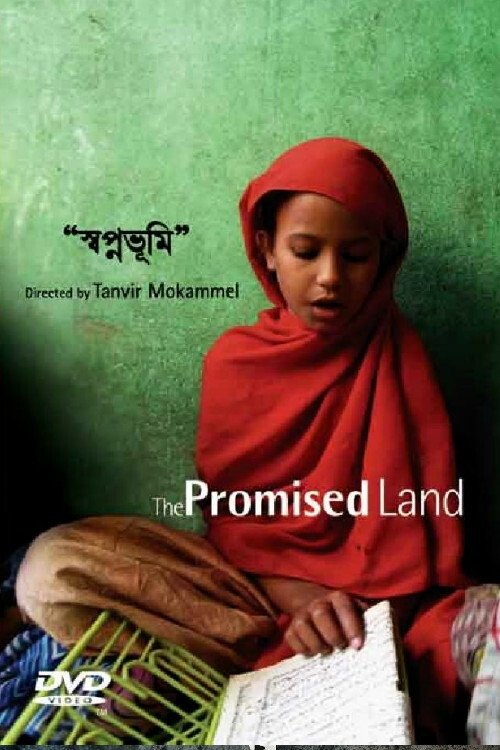
The film highlights the current stateless status of Stranded Pakistanis in Bangladesh, otherwise known as Biharis. It highlights the violence against Biharis and their despair of not being able to settle in Pakistan., which the Biharis see as a betrayal.
The Promised Land

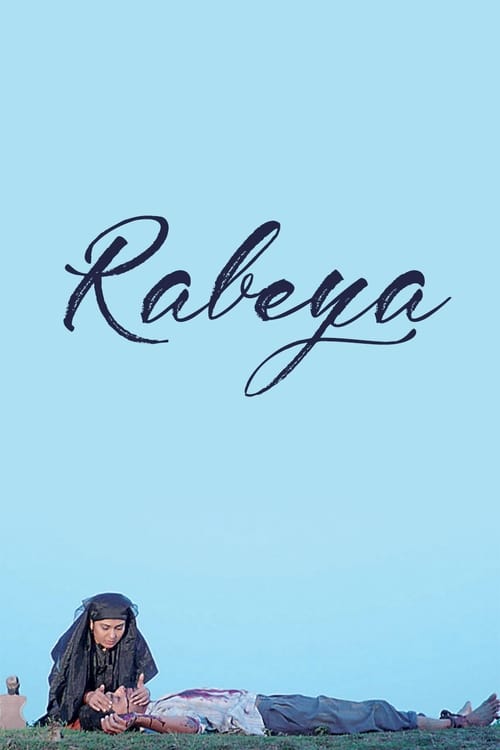
During Bangladesh's Liberation War against Pakistan in 1971, in a remote village Rabeya and Rokeya, two orphaned young sisters, live in the religiously conservative household of their uncle Emdad Kazi, a rich kulak and a local Muslim League leader.
Rabeya

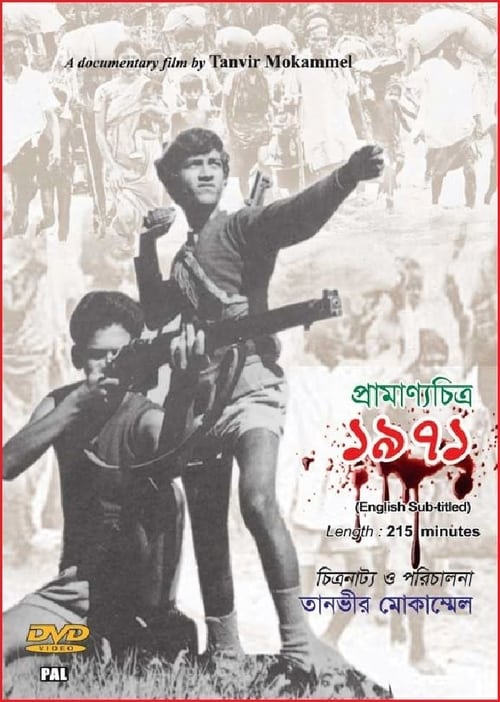
No description available.
1971

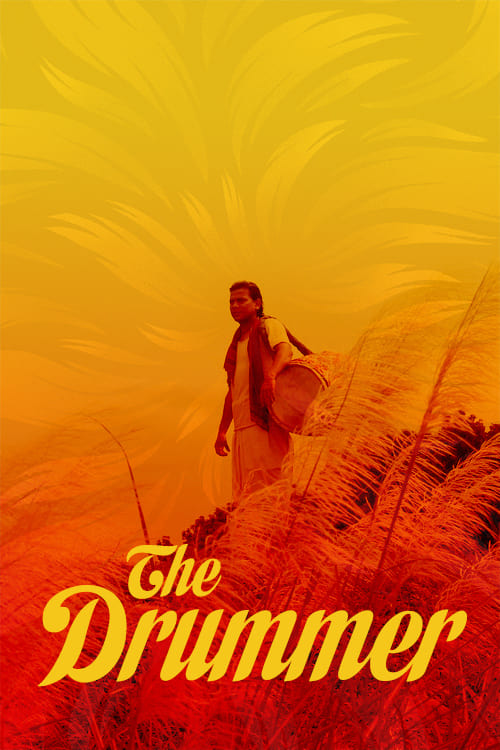
The story of a drummer and his family during the Liberation War of Bangladesh in 1971.
The Drummer

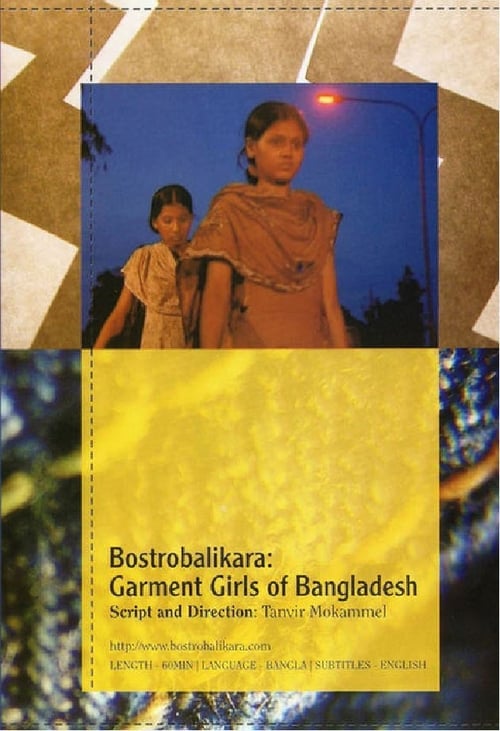
Documentary revealing the problems of sweatshop workers in the Bangladeshi garment industry.
Bostrobalikara: Garment Girls of Bangladesh
At the heart of the story are Shojon and Duli, two adolescents from different religious backgrounds. They grow up together as childhood companions and close friends. However, their tender relationship eventually turns into one of separation and sorrow. Conflict erupts in the village, and its tragic consequences fall heavily upon Shojon and Duli.
Shojon Badiar Ghat

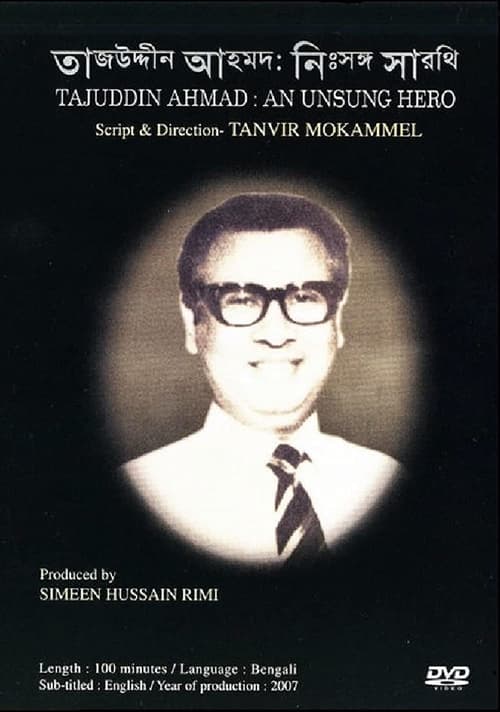
A documentary film on the life and achievements of Tajuddin Ahmad, The first prime minister of Bangladesh.
Tajuddin Ahmad: An Unsung Hero

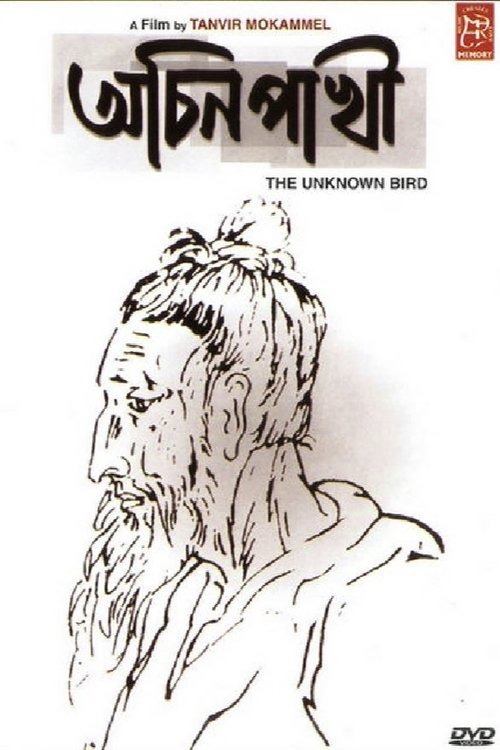
The life of Lalon Fakir, the mysterious bard.
The Unknown Bard

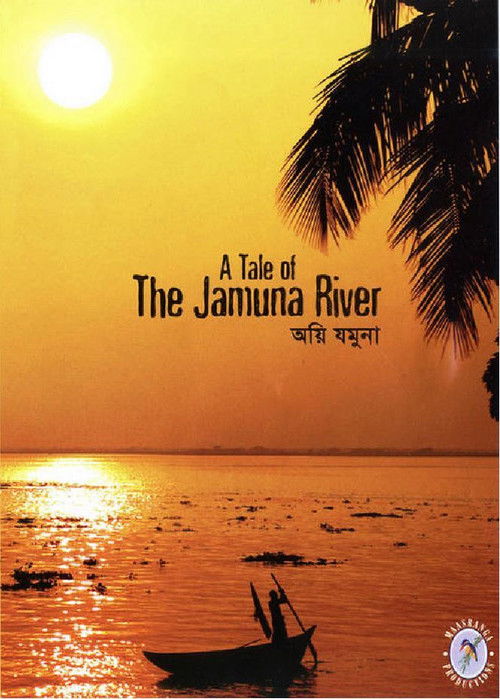
A documentary film on the Jamuna river.
A Tale of the Jamuna River

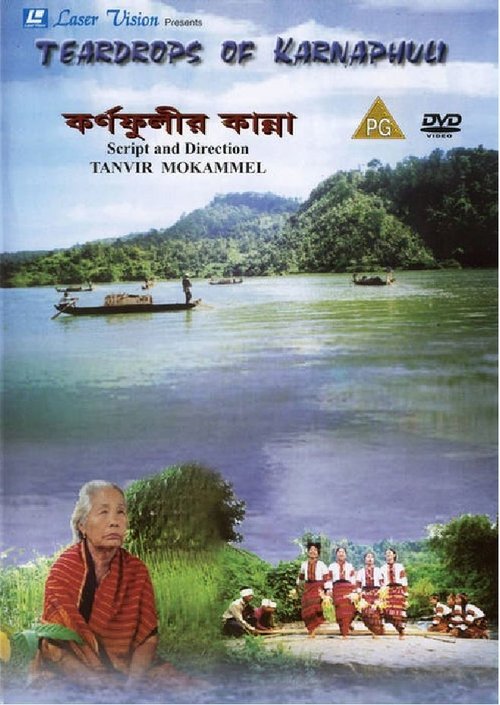
A Documentary film on the plight of the indigenous people of the Chittagong Hill Tracts.