Joseph Stalin
Acting
Biography
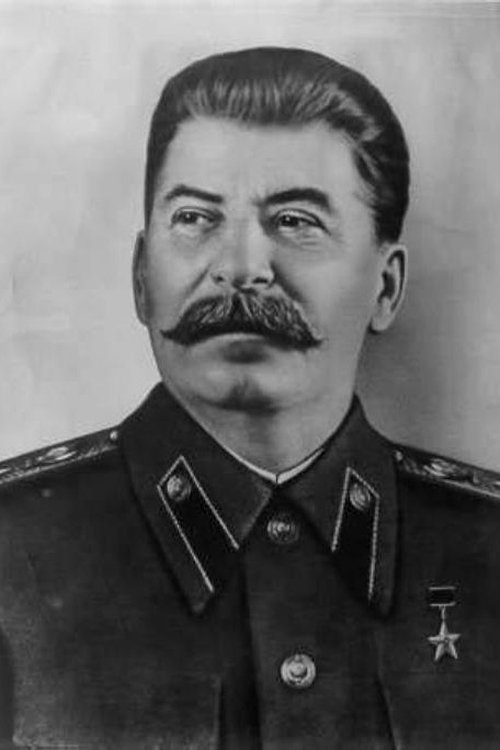
Iosif Vissarionovich Stalin (real name Dzhugashvili) was born in Gori, Tiflis province, Russian Empire - a Soviet political, statesman, military and party figure, a Russian revolutionary. Actual leader of the USSR. General Secretary of the Central Committee of the CPSU (1922-1953). Marshal of the Soviet Union (1943), Generalissimo of the Soviet Union (1945). People's Commissar of Defense of the USSR (since July 19, 1941), Chairman of the Council of People's Commissars of the USSR and Chairman of the USSR State Defense Committee. He also held the following positions: From April 3, 1922 to February 10, 1934 - Secretary General, then - Secretary of the Central Committee of the All-Union Communist Party of Bolsheviks (from 1952 - CPSU), from December 19, 1930, after Vyacheslav Molotov took the post of Chairman of the Council of People's Commissars of the USSR instead of Alexey Rykov. In 1912, at the suggestion of V.I. Lenin was included in the Central Committee of the RSDLP. At the same time, Joseph Dzhugashvili finally chose the pseudonym "Stalin" for himself. During the October Revolution, the Second All-Russian Congress was elected a member of the All-Russian Central Executive Committee and the Council of People's Commissars. In 1922, at the Plenum of the Central Committee of the RCP (b), he was elected a member of the Orgburo and the Politburo of the Central Committee of the RCP (b), as well as the General Secretary of the Central Committee of the RCP (b) (when Lenin was Chairman of the Council of People's Commissars of the USSR). In 1930, after the weakening and death of Lenin, Stalin finally emerged victorious from the internal party struggle, becoming the leader of the state. Stalin was the actual founder of the totalitarian dictatorship in the USSR. In 1928-1929 he was the initiator of the transition from the course of the New Economic Policy (NEP) to the course of industrialization, collectivization and building a planned economy, and intensified the policy of the cultural revolution in the USSR.

Known For

TV's most-watched history series brings to life the compelling stories from our past that inform our understanding of the world today.
American Experience

Daily interviews discussing the guest's personal lives and national contingency.
Mentiras verdaderas

Explore the world’s most fascinating, strange and inexplicable mysteries. Each episode features compelling contributions from scientists, historians, witnesses and experiencers—each seeking to shed light on how the seemingly impossible actually can happen.
The UnXplained

Oliver Stone's re-examination of under-reported events in American history.
Oliver Stone's Untold History of the United States

In a dystopian future, a totalitarian regime maintains peace by subduing the populace with a drug, and displays of emotion are punishable by death. A man in charge of enforcing the law rises to overthrow the system.
Equilibrium

An immersive 360-degree narrative telling the epic story of the Vietnam War as it has never before been told on film. Featuring testimony from nearly 80 witnesses, including many Americans who fought in the war and others who opposed it, as well as Vietnamese combatants and civilians from both the winning and losing sides.
The Vietnam War

With firsthand accounts and access to prominent figures around the world, this comprehensive docuseries explores the Cold War and its aftermath.
Turning Point: The Bomb and the Cold War

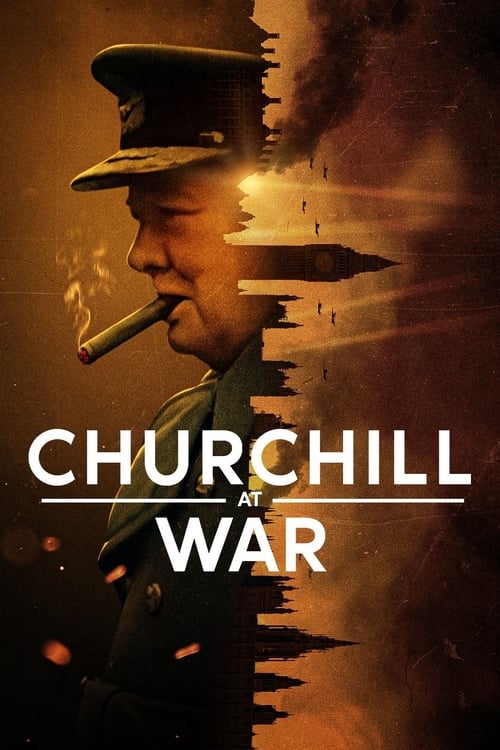
This captivating docuseries examines Winston Churchill's pivotal role in World War II and the formative events that made him an ideal leader for the era.
Churchill at War

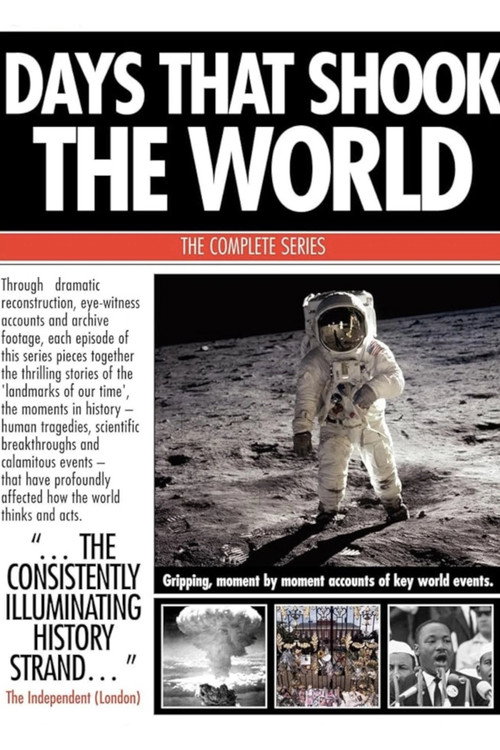
Days That Shook the World is a British documentary television series that premiered on BBC Two on 17 September 2003. The programme features various milestones throughout history. It has been broadcast on the BBC, Discovery Channel UK, The History Channel and Viasat History. The series was also released on DVD by the Polish edition of Newsweek in 2007.
Days That Shook the World

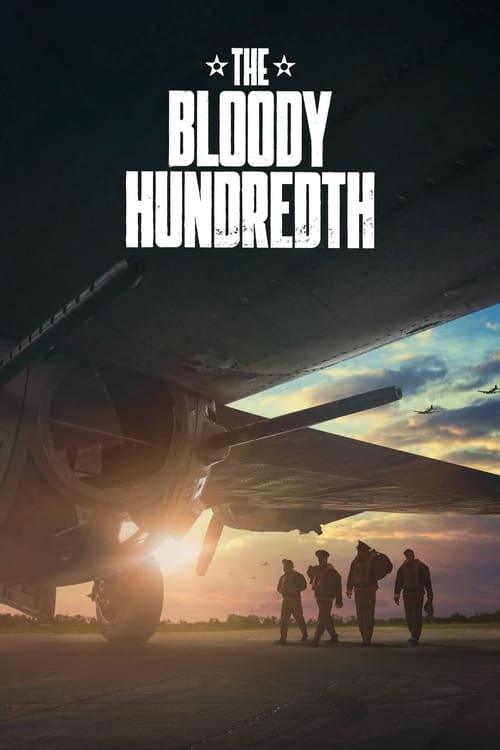
Meet the real-life airmen who inspired Masters of the Air as they share the harrowing and transformative events of the 100th Bomb Group.
The Bloody Hundredth

The documentary series explores different political figures throughout history.
How to Become a Tyrant

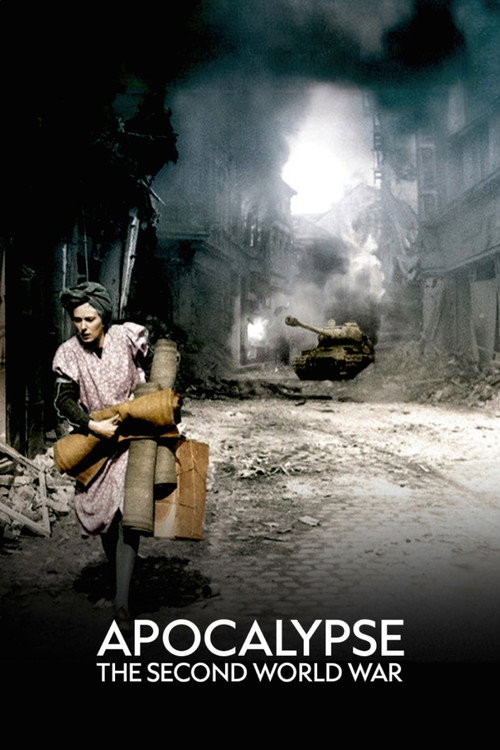
A six-part French documentary about the Second World War composed exclusively of actual footage of the war as filmed by war correspondents, soldiers, resistance fighters and private citizens. The series is shown in color, with the black and white footage being fully colorized, save for some original color footage. The only exception to the treatment are most Holocaust scenes, which are presented in the original black and white.
Apocalypse: The Second World War

Using highly advanced colourisation techniques, critical moments from World War II, from Stalingrad to The Battle of Britain, are shown in a whole new light.
Greatest Events of World War II in Colour

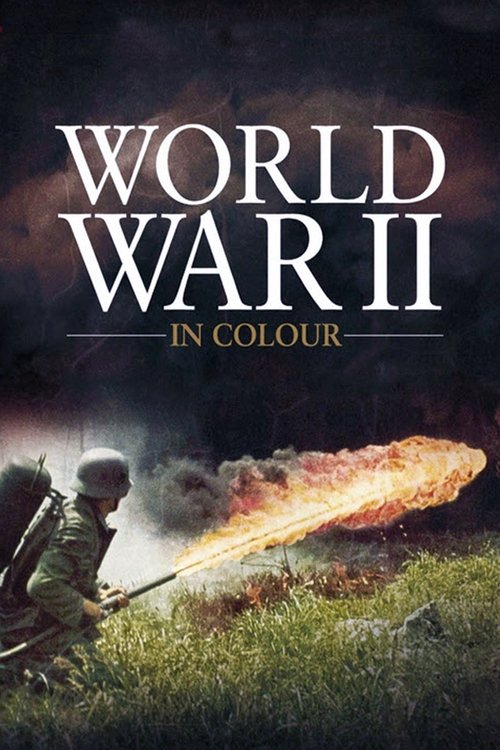
World War II In Colour is a 13-episode television documentary miniseries recounting the events of World War II narrated by Robert Powell. The show covers the Western Front, Eastern Front, and the Pacific War. It is on syndication in America on the Military Channel. This series is in full color, combining both original and colorized footage.
World War II in Colour

Communism spread to all of the continents of the word, lasting through four generations and over seven decades. Hundreds of millions of men and women were affected by this political system, one of the most unjust and bloodiest in history. Using newly discovered propaganda films and archival photos, these four episodes explore the mysteries of this totalitarian political machine that lured its share of important followers into the fold. Known as the red church, communism seduced its ardent followers like some earthly religion.
Faith of the Century: A History of Communism

No description available.
Crusade in Europe

The rise of Stalin, from his early beginning as a bankrobber to the cold-blooded leader of the Soviet Union.
Apocalypse: Stalin

A detailed account of the two millennia of intolerance and persecution suffered by the Jews, from antiquity to the present day.
A History of Antisemitism

No description available.
The Century of Icons

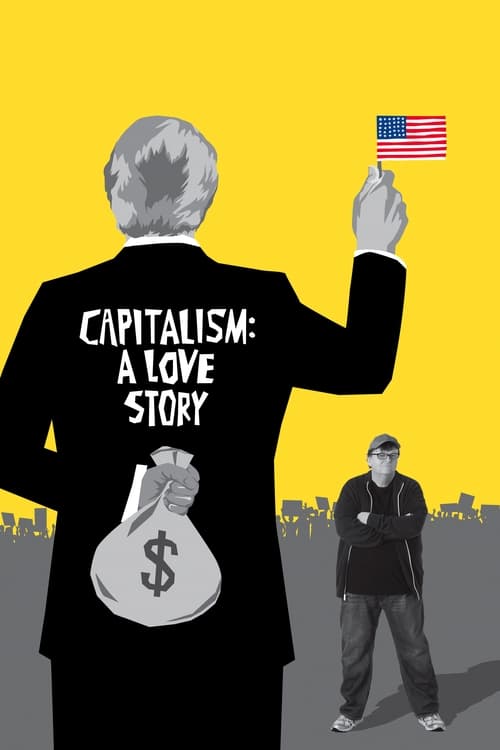
Michael Moore comes home to the issue he's been examining throughout his career: the disastrous impact of corporate dominance on the everyday lives of Americans (and by default, the rest of the world).