Inna Churikova
Acting
Biography
Inna Mikhailovna Churikova (1943-2023) was a renowned Soviet and Russian actress celebrated for her extensive work in both film and theater. Born in Belebey, Bashkir ASSR, she moved to Moscow in the early 1950s. She studied at the Stanislavsky Theater's drama studio and graduated from the Shchepkin Theater Institute. Churikova gained fame with films like "No Path Through Fire" (1968) and "The Beginning" (1970), directed by her future husband Gleb Panfilov. Over her career, she appeared in more than 80 films. She received numerous prestigious film awards, including the Silver Bear for Best Actress at the Berlin International Film Festival and multiple Nika Awards. Her theater career was equally distinguished. She became a leading actress at the Lenkom Theatre. Some of her notable stage roles included Arkadina in Chekhov's "The Seagull," which earned her the State Prize of the Russian Federation in 1996. She also received the Stanislavsky Award (2014) for her contributions to theatrical arts. Inna Churikova passed away on January 14, 2023. Titles and Recognitions (by year): - Honored Artist of the RSFSR (1977) - For her contributions to Soviet theatrical art. - People's Artist of the RSFSR (1985) - For her contributions to Soviet theatrical art. - People's Artist of the USSR (1991) - For her significant contributions to Soviet theatrical art. - Officer of the Order of Arts and Letters (France) (2010) - Honored for her outstanding contributions to the arts. - Honorary Member of the Russian Academy of Arts. Major Awards (by year): - Locarno International Film Festival Award (1969) - Best Actress for "No Path Through Fire". - Silver Bear for Best Actress at the Berlin International Film Festival (1984) - For her role in "Wartime Romance". - Vasilyev Brothers State Prize of the RSFSR (1985) - For her role in the film "Vassa". Nika Award: - Best Actress for "Adam’s Rib" (1991). - Best Supporting Actress for "Bless the Woman" (2004). Golden Eagle Award: - Best Supporting Actress for "The Idiot" (2004). State Prize of the Russian Federation (1996) - For her role in Chekhov's "The Seagull". Stanislavsky Award (2014) - For her outstanding contributions to theater.
Known For

Fitil is a popular Soviet/Russian television satirical/comedy short film series which ran for about 500 episodes. Some of the episodes were aimed at children, and were called Фитилёк, Fitilyok, Little Fuse. Each issue contained from the few short segments: documentary, fictional and animated ones. Directed by various artists, including Leonid Gaidai who presented his famous trio of Nikulin, Vitsin and Morgunov into the cast. It was called in USSR as "the anecdotes from the Soviet government".
Fuse

No description available.
Legends of Cinema

The final part of Mikhalkov's trilogy about Divisional Commander Kotov finds him returning home during World War II having been betrayed, narrowly escaped execution for treason and nearly reduced to dust in a prison camp. Only to discover that everything has changed and he will have to fight again for his name, for his honor, and for his love.
Burnt by the Sun 2: Citadel

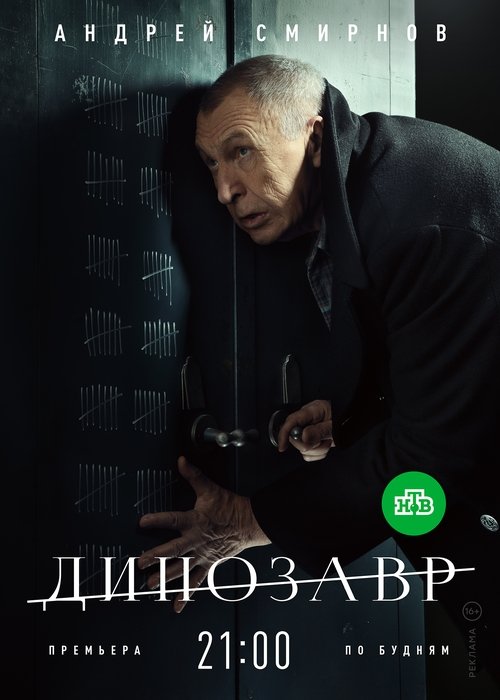
The elderly criminal authority Semyon Timofeevich Babushkin, about whose thieving talent legends were made up at the time, has not left prison for the last 35 years, preferring it to freedom, where he has no friends or relatives left.
Dinosaur

No description available.
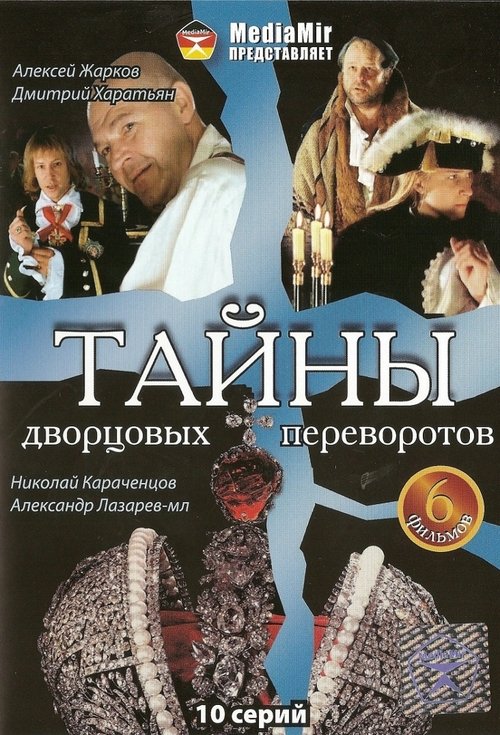
Secrets of Palace Coups

The Idiot (Идиот) is a 2003 Russian costume drama television serial written by Vladimir Bortko, adapted from Fyodor Dostoevsky's 1869 novel of the same title. In corrupt 19th-century St Petersburg, Christ-like Prince Myshkin becomes entangled in the lives of the self-destructive Nastasya Filippovna and the romantic Aglaya Epanchina.
The Idiot

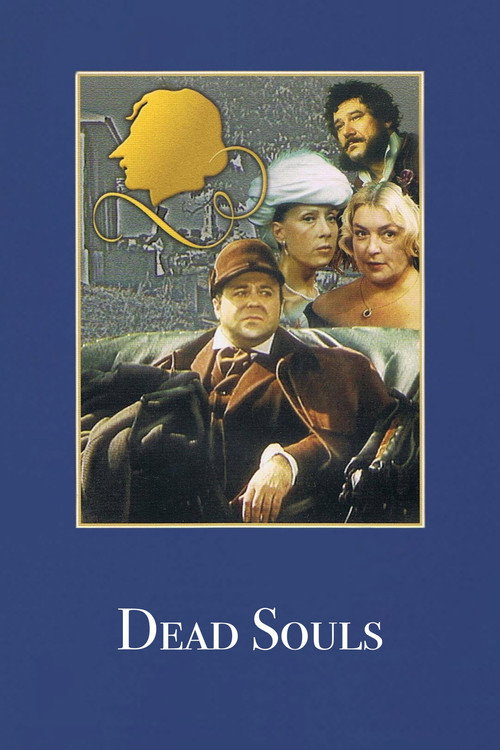
Pavel Ivanovich Chichikov plans to buy the titles to “dead souls” and use them as collateral to obtain a large loan. He comes to a small provincial town and begins to proposition the local landowners. These landowners are revealed to be so petty and avaricious that not even Chichikov’s amazing offer can be worked to his advantage on them. Some stall, some refuse for no obvious reasons, some promise and then renege, and others want “in on the deal.” In the end, Chichikov, having concluded that the landowners are a hopeless lot, leaves for other regions.
Dead Souls

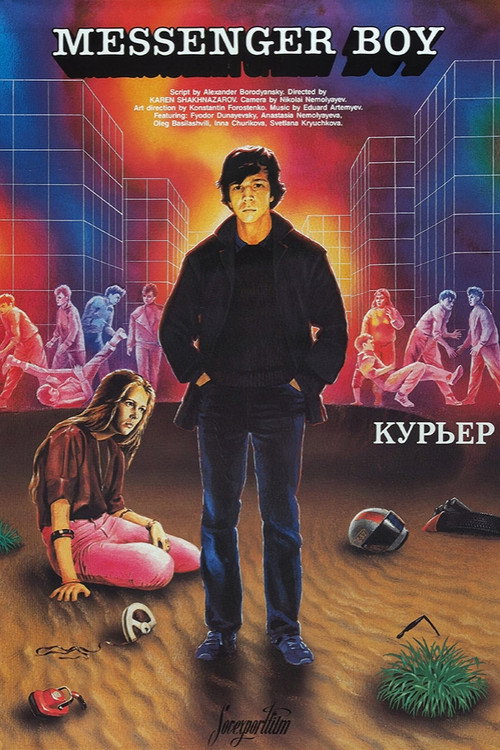
Ivan Mirosnikov, a cheeky young man in the Gorbachev era, is trying to figure out what to do with his life (he's not in college, and the 2-year mandatory military service is looming large ahead of him). Meanwhile, he lives with his divorced mother, and works as a courier at a Russian newspaper. Through his job, he meets patronizing Professor Kuznetzov and his rebellious daughter Katya. To annoy the professor, Ivan claims to have an affair with Katya. To his surprise, Katya backs his story up.
Courier

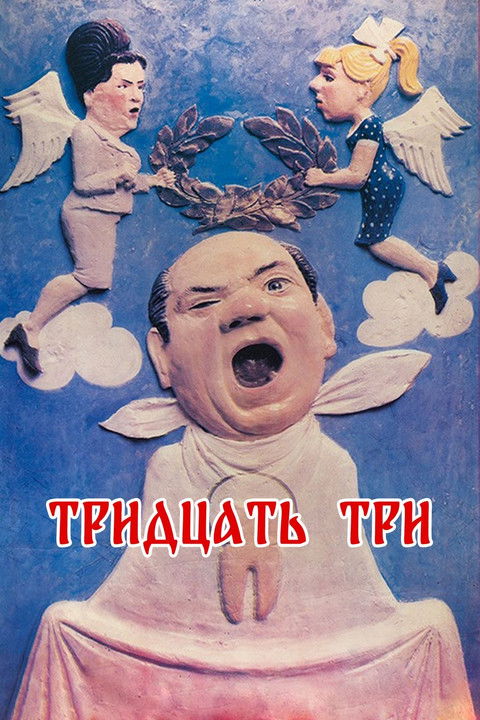
The dentist of the provincial town of Upper Yamki made an unexpected scientific discovery by finding the thirty-third tooth in the patient’s oral cavity, Ivan Sergeyevich Travkin. Travkin, exhausted from pain, was taken to Moscow. Ivan Sergeyevich first becomes a patient of a madhouse (thanks to envious persons), and then — a hero of a scientific international conference and, finally, a patient of a dentist professor Bruk.
Thirty-three

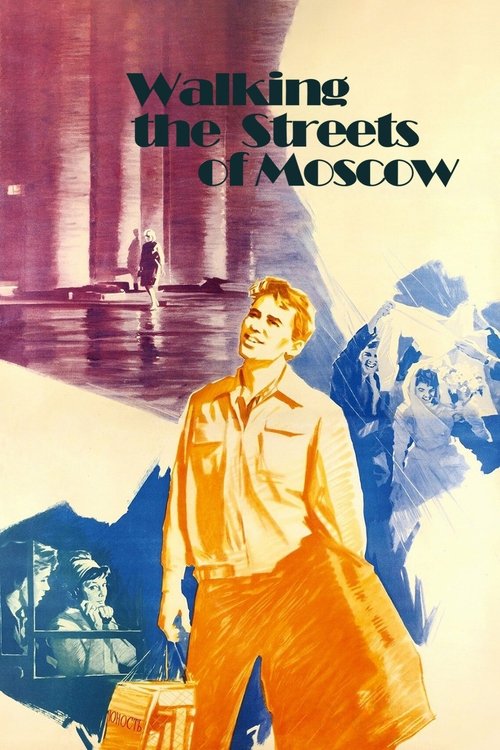
On a stopover in Moscow, a young writer Volodya makes friends with Kolya, who is returning home from a hard night shift. Just as Kolya is about to take a rest, he is met by his old friend Sasha, who wants help getting a deferral from military service so that he can get married.
Walking the Streets of Moscow

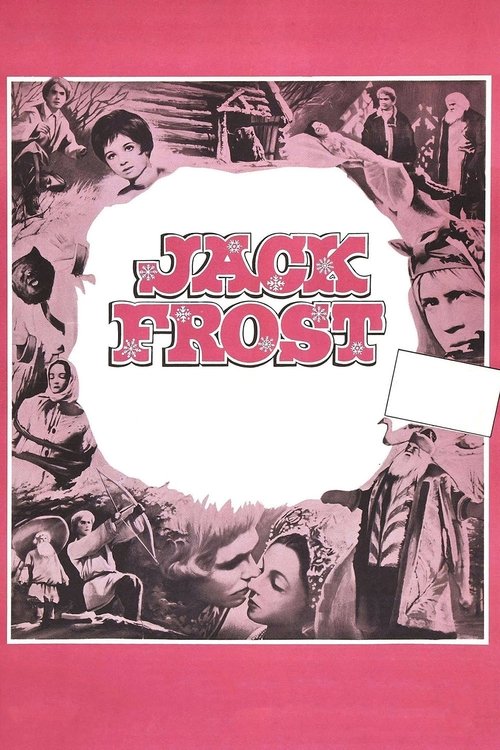
A fairy tale about a conceited young man and a young woman with a tyrannical step-mother, who must overcome magical trials in order to be together.
Father Frost

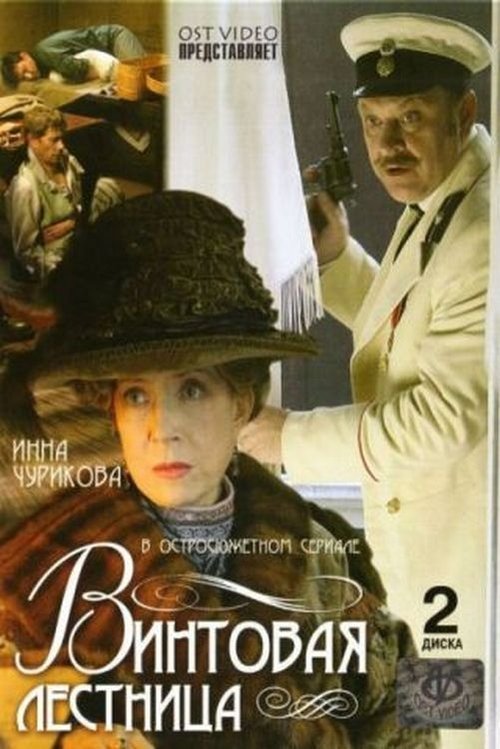
No description available.
Винтовая лестница

A philosophical and poetic portrait of the famous (or maybe infamous?) Baron Munchhausen. His crazy, yet very merriment, stories, views and behavior is what sets him apart from others. He becomes alienated from the society that failed to grasp his brilliance. In fact, his brilliance is what underlines the faults with the society itself. It's a beautiful yet tragic story that is filled with dense and intellectual dialogue.
The Very Same Munchhausen

Moscow. The year is 1925. Professor Gradov, his wife Mary, their children Nina, Nikita and Kirill, and long-term friends at home, relatives from Moscow and Tiflis, and those who have yet to enter this family and history, are all young and full of hope. Many hopes will come true, but the history of the country in the 30-50s left no chance for a cloudless life for anyone...
The Moscow Saga

The author's remake of the famous New Year's comedy is not an exact copy of the original. Festive mess in the same House of Culture, where they celebrated the New Year 50 years ago. Now the institution is named after Ogurtsov and is headed by Mr. Kabachkov. A young enthusiast Alyona Krylatova and a young man Denis Kolechkin work in the recreation center. Alyona, as she can, opposes the "arts" of the bureaucrat and opportunist Kabachkov, and Denis helps her.
Carnival Night 2, or 50 Years Later

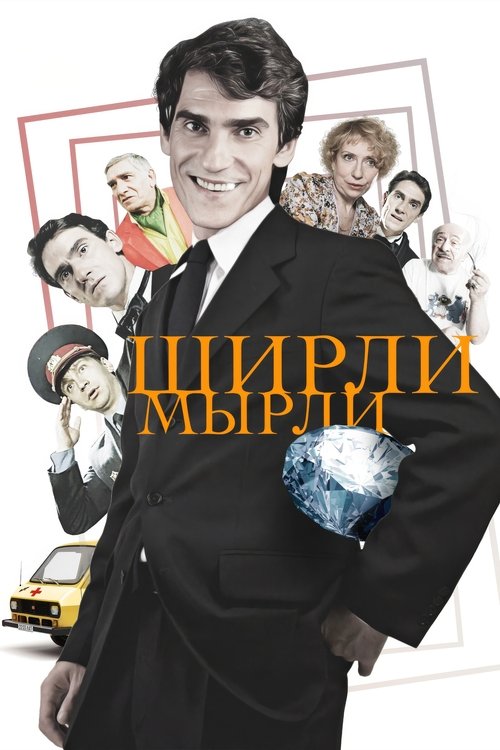
A Russian criminal steals a giant diamond from the Mafia, hides it, and suddenly runs into his unknown brothers; unexpected, absurd events with participation of the mob, doctors, musicians, Americans, militia, and gypsies ensue.
What a Mess!

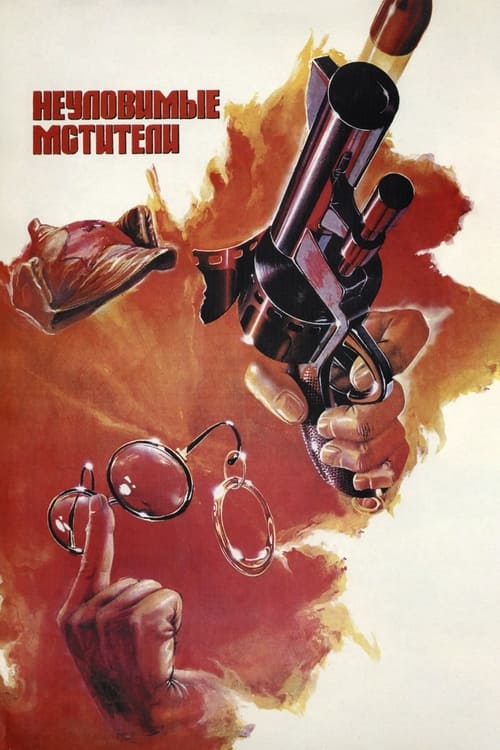
Danka's and Ksanka's childhood in the village brutally ends when their father is killed by a White Guard officer in front of their eyes. Seeking revenge, they join forces with Valerka, an intellectual from big city, and the gipsy Yashka, but before they can get close to their enemy they have to help their village and the advancing Red Army.
The Elusive Revengers

A rich caliph is leading a careless life. One day an evil wizard sells him a magic potion that can turn human into any animal he wants. The only condition: one mustn't laugh.
Khalif the Stork
No description available.
Alexander Abdulov. Romance with Life

A talented girl is trying to find happiness amidst the Russian revolution of 1917 and the civil war that split the nation.