Acting
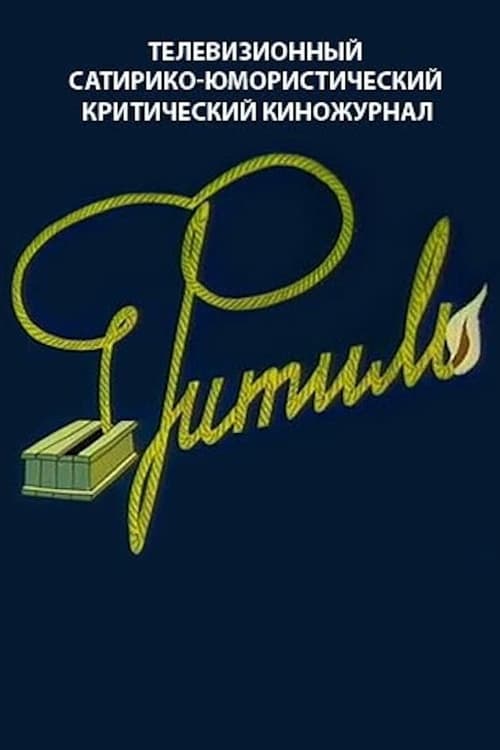
Fitil is a popular Soviet/Russian television satirical/comedy short film series which ran for about 500 episodes. Some of the episodes were aimed at children, and were called Фитилёк, Fitilyok, Little Fuse. Each issue contained from the few short segments: documentary, fictional and animated ones. Directed by various artists, including Leonid Gaidai who presented his famous trio of Nikulin, Vitsin and Morgunov into the cast. It was called in USSR as "the anecdotes from the Soviet government".
No description available.
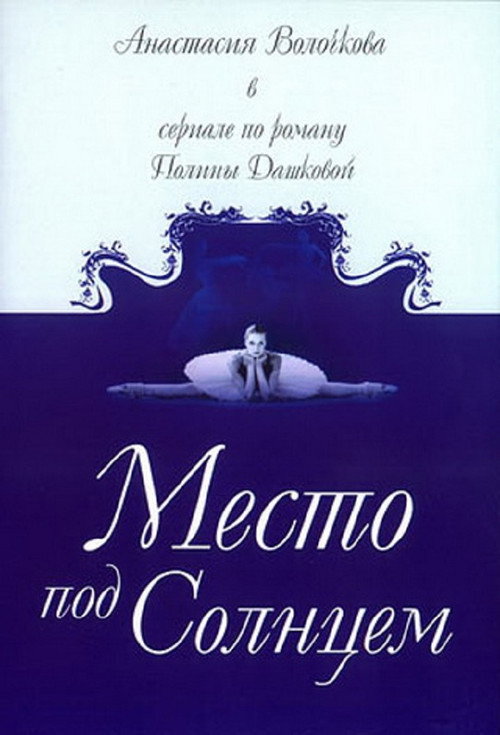
An unexpected tragedy befalls ballerina Ekaterina Orlova: her husband is shot in the head before her very eyes.
A funny comedy about first-graders adventures.
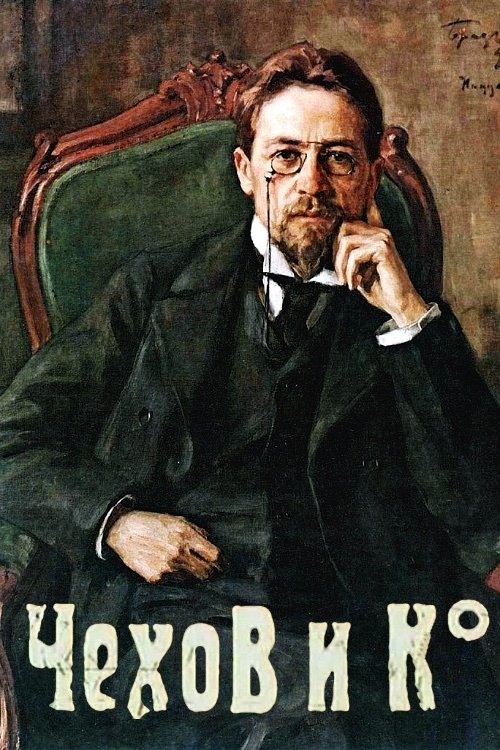
Thirty short stories based on thirty stories by Chekhov.
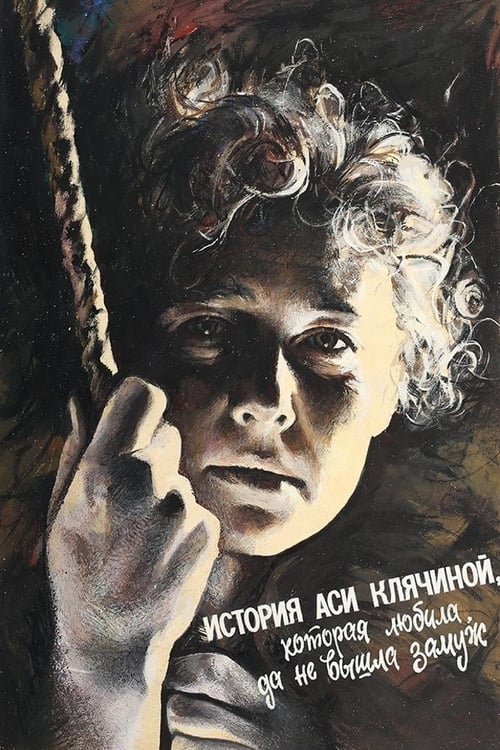
Asya, a lame collective farmer, is in love with the father of her unborn child. However, he does not reciprocate, forcing her to choose between a loveless marriage to another suitor, or single motherhood.
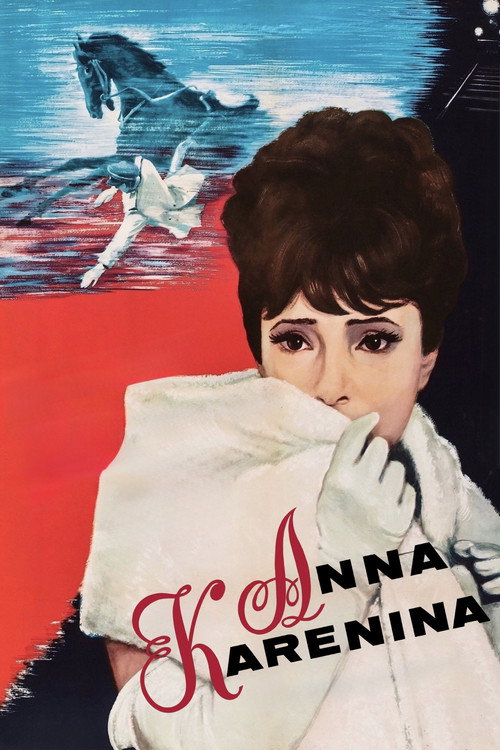
In Imperial Russia, Anna, wife of the officer Karenin, goes to Moscow to visit her brother. On the way, she meets charming cavalry officer Vronsky, to whom she's immediately attracted. But in St. Petersburg’s high society, a relationship like this could destroy a woman’s reputation.
It is a story about 12 or 13 years old girl in the middle of 60-th in USSR. She is a pioneer. She is in love with her pioneer leader - 16-17 years old boy, who doesn't even notice her. In order to impress him she tries to find someone, who was a member of pioneer squad in 1923 - one of the first Soviet pioneers...
Young Venka investigates the cause of death of a fellow villager during the Great Patriotic War - in the process uncovering a traitor who has been murdering witnesses to his own inglorious past.
A Marine's presumed death leads his fiancée to marry another, only for him to return, leading to a tragic, symbolic end for him despite his physical survival.
A portrait of a Russian community in the late 19th century based on Chekhov's stories, featuring the author as observer and narrator.
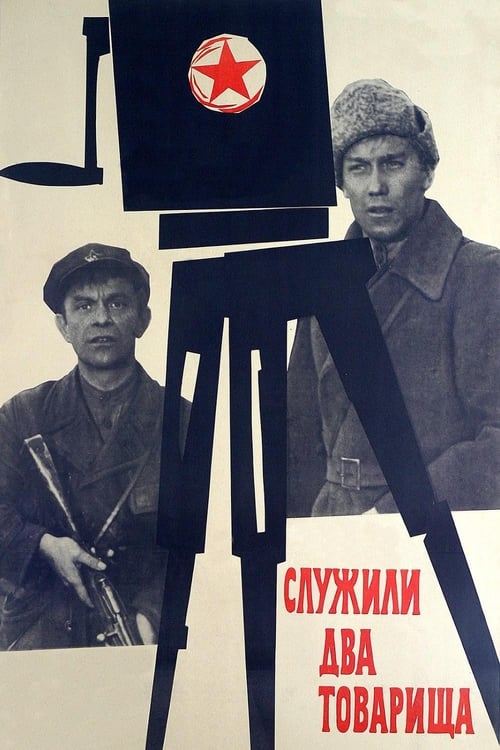
Set during the last days of the civil war that followed the Russian Revolution. The Crimea Peninsula is the last stronghold of the White Guard, and the Red Army is planning the final assault. The first story line of the movie follows two Red Army soldiers: unlikely friends Nekrasov and Karyakin. The second story line is about a White Guard officer Brusentsov who is devoted to Russia and his cause but sees it being destroyed day by day.
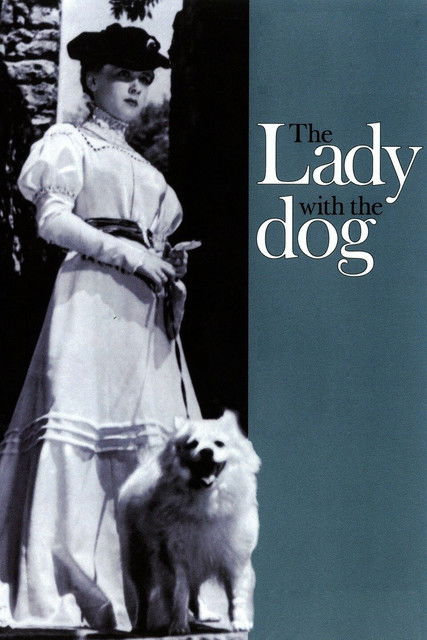
On holiday in Yalta, Muscovite banker Dimitri Gurov contrives to meet a young woman who walks her dog. She’s Anna Sergeyevna, trapped in a loveless marriage to a lackey. He’s unhappy in an arranged marriage. With neither spouse at hand, Dimitri and Anna begin an affair.
"List of Lovers of the RF" is a live-action series. The plot of each film is based on real events that happened to the participants of the Russian TV talk show "Windows" ("Okna"). The brightest and most talented representatives of young Russian filmmaking are invited to participate in the new TNT project. Each of them will make one film. The theme of the stories is love, the heroes are residents of modern Russia.
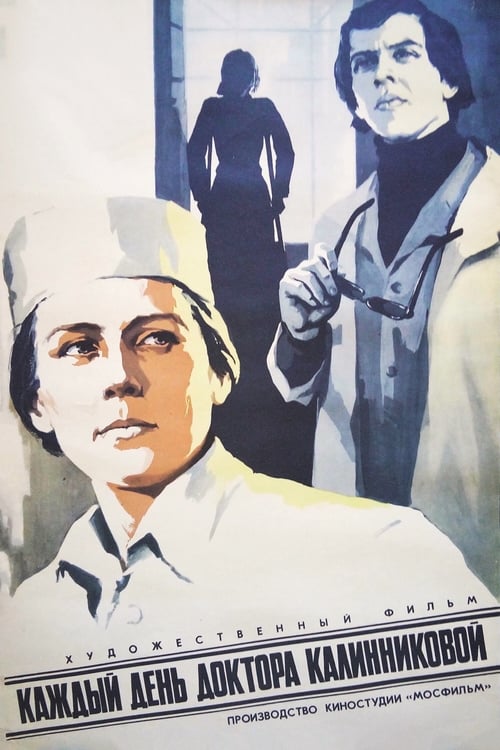
The story of a talented woman who dedicated her life to surgery. Patients from all over the country go to her orthopedic laboratory — the doctor’s unique methods of treatment are so effective. However, an anonymous complaint is received by the metropolitan commission. Now experts have to figure out whether Kalinnikova really creates innovative healing techniques...
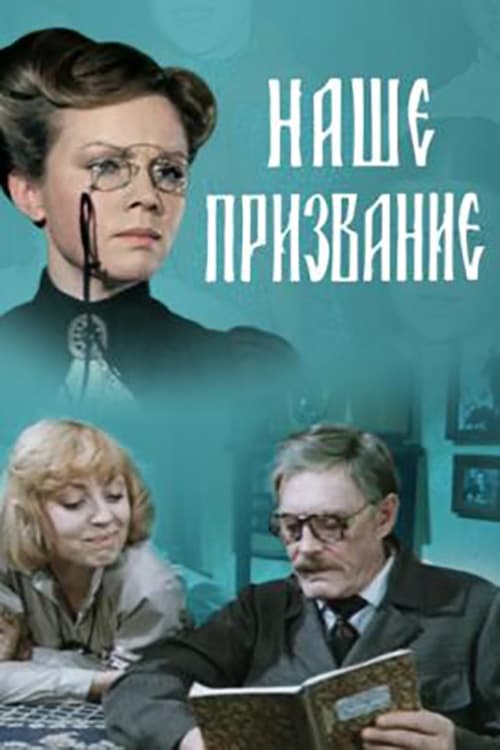
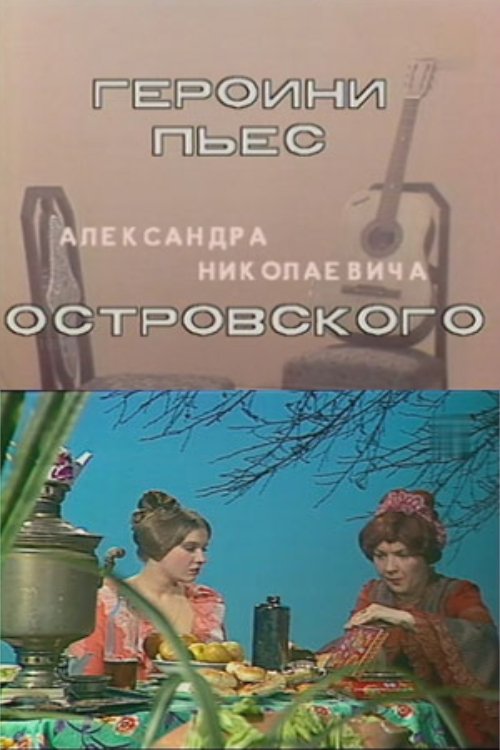
The film is dedicated to the heroines of Ostrovsky’s plays—wives, cooks, actresses, matchmakers. For the most part, these are composite characters, but many of them have real-life prototypes. The author was a keen observer and recorded everything interesting in his diary. This is how the gallery of images from his native Zamoskvorechye, where Ostrovsky was born, came into being. Later, after traveling along the Volga, portraits of residents from small towns along the river were added. Alexander Nikolaevich never overlooked the details. When the playwright described daily life, the details of clothing, or the manner of speaking of a character, the hero would literally come to life.