Production
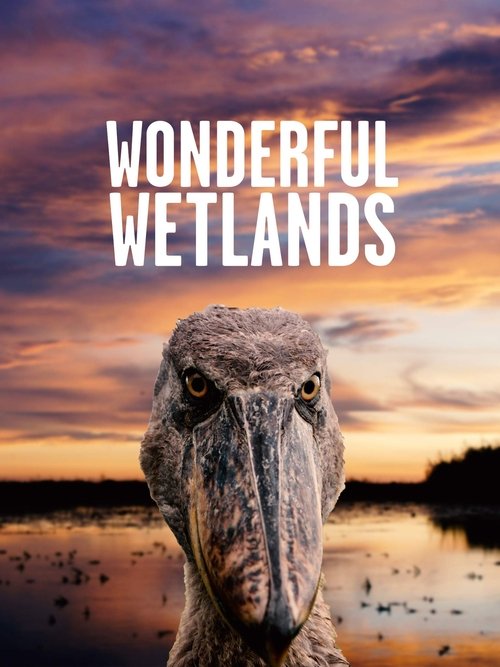
Water provides a haven for countless plants and animals, everything from water-loving cats and predatory birds to killer dragonflies and carnivorous foliage. It can be a nursery, a migration stopover, a larder and a home.
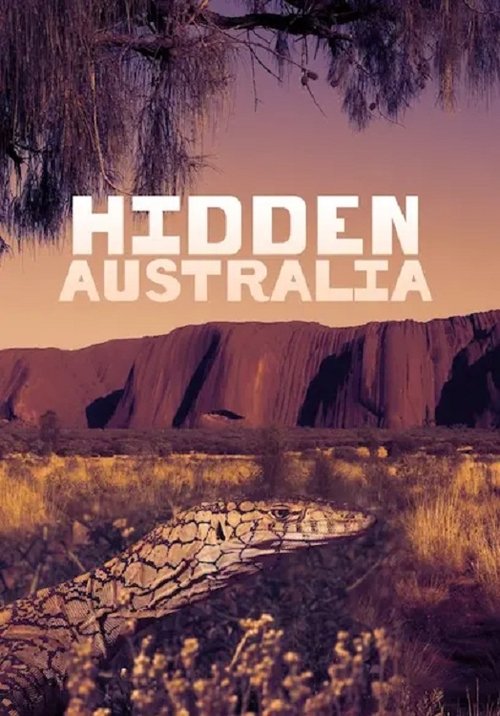
Australia is known for its sun-kissed beaches, however the 2500 miles between the coasts are made up of a patchwork of contrasting landscapes: tropical rainforests, snow-capped mountains, dry woodlands, giant wetlands, tropical reefs, and hostile desert.
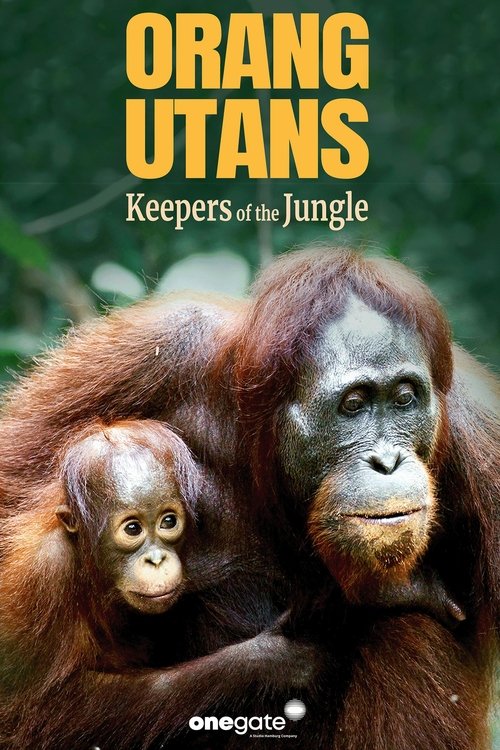
In the heart of Borneo's rainforests, one of the oldest and most biodiverse ecosystems on Earth, lives the orangutan, arguably the largest tree dweller. The main story is about mother ape Sati and her one-and-a-half-year-old daughter Huyan on their journey through the jungle, while at the Sepilok Orangutan Rehabilitation Centre, orphaned and rescued young animals are given a chance at a new life in the wild. But their habitat is threatened by radical deforestation and palm oil plantations. This impressive documentary shows these endangered great apes at eye level for the first time. With the help of innovative drone technology an insight into the dizzying treetops of the jungle giants was, achieved where they mostly stay. It discovering the secret lives of these extraordinary animals with insightful footage and partly some scenes never before seen. Unforgettable images illustrate why protecting the rainforests is crucial for the orangutans and the future of our planet.
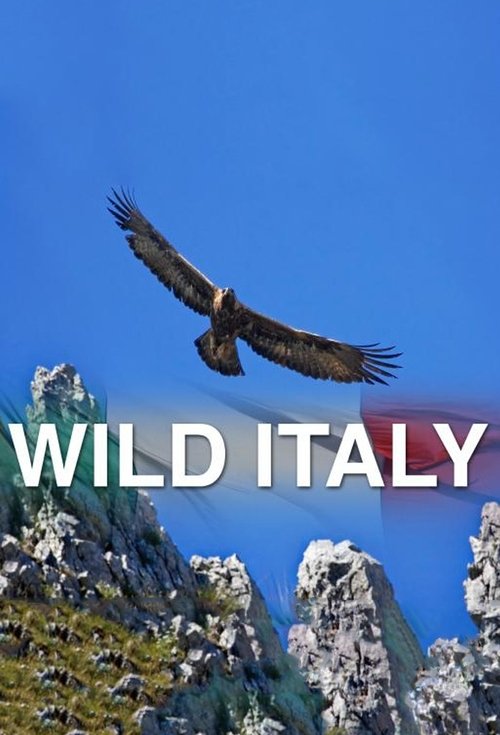
See rarely filmed wildlife in their natural habitat of Italy. Enjoy one of the most romantic and beautiful countries in a new light!
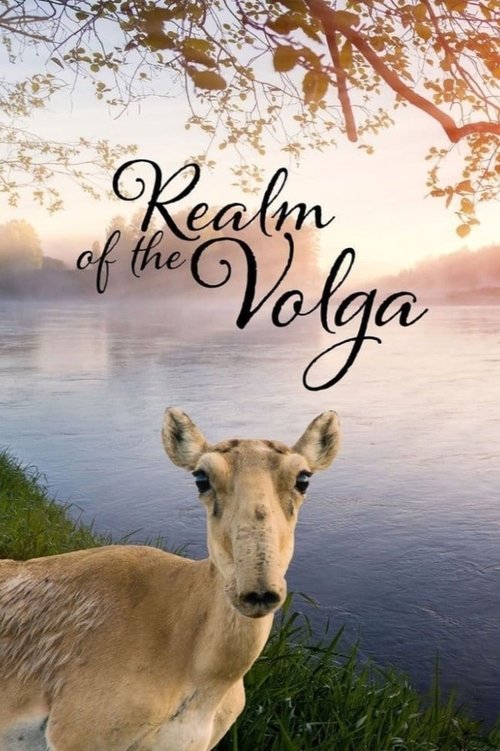
The Volga is a myth, a unique river of superlatives and the natural lifeline of Russia. With a length of more than 3,500 kilometers, it is the most powerful and water-rich river in Europe. Their catchment area is larger than France, Spain and Portugal combined. While all the other great rivers on earth flow into an ocean, the Volga fills its own sea, the largest inland lake on earth, the Caspian Sea. On the way there it flows through rustic forest areas, through wide steppes and dry semi-deserts, each of which is home to a unique wildlife. In three years of filming and on countless expeditions, the Altayfilm team and their Russian colleagues managed to capture the fascinating stream in grandiose pictures and to fully portray it for the first time. Opulent pictures and breathtaking aerial photographs alternate with animal behavior that has rarely been documented before, told with fine humor and a special lightness.
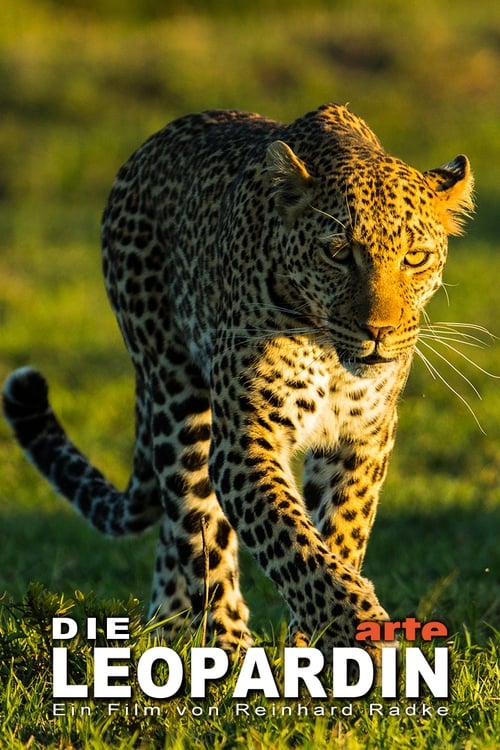
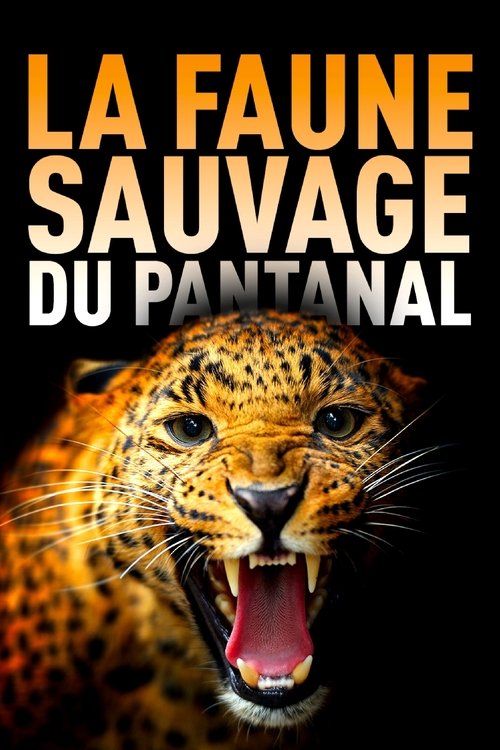
Leopards are considered to be extremely shy big cats. Only a few animals can match the elegance of these feline predators. The cautious hunters are rarely seen in the wild for more than a few seconds. The cats can be observed more extensively when they rest asleep in a tree and recover from the mostly nocturnal hunt. But a leopardess has switched to hunting in broad daylight. Its home along the brook bed of the Olare Orok offers everything a mother needs to protect and nourish its offspring: picturesque rocks and dense bush, a landscape in which the big cat can disappear in seconds to sneak up on potential prey, which includes warthogs and antelopes. But hyenas and lions are always ready to contest for its territory and nourishment. The renowned wildlife filmmaker Reinhard Radke managed to capture astonishing insights into the social life and hunting tactics of the ambush hunters in the Maasai Mara.
Nearly twice the size of the United States, Russia is the biggest country on Earth. From the subtropics to the arctic and the Atlantic Ocean to the Pacific; giant lakes, active volcanoes and endless forests.
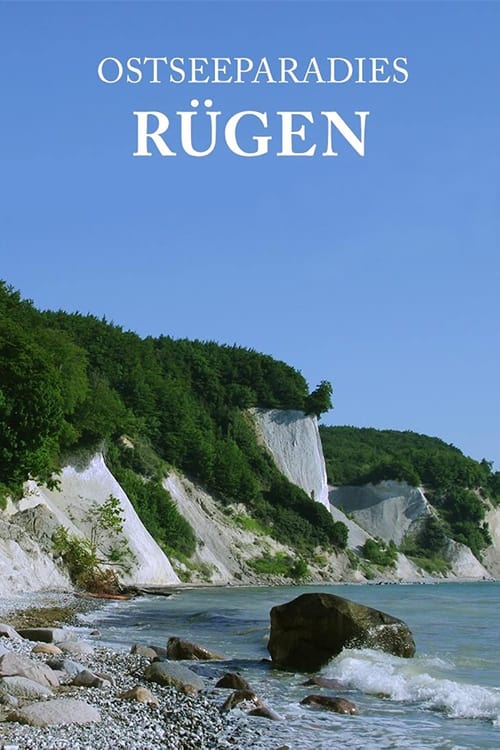
The white chalk cliffs of Rügen are among the most impressive natural monuments on earth, which the painter Casper David Friedrich immortalized for posterity as early as the 19th century. Germany's largest island with its seaside resorts from the Gründerzeit, its smaller side islands and peninsulas that give it its shape, its lagoon-like Bodden waters, the dense beech forests, the yellow rapeseed fields and the meadows, the shady tree avenues and the white sandy beaches is not only a magnet for tourists, but also a unique natural paradise in the middle of the Baltic Sea, a habitat for the rare white-tailed eagle, fallow deer, raccoon dogs and badgers as well as a resting place for huge swarms of migratory birds such as geese and cranes that can be heard trumpeting from afar. In this nature documentary, the unique landscapes and the diversity of the animal world of Rügen are captured with beautiful pictures during the changing of the seasons.
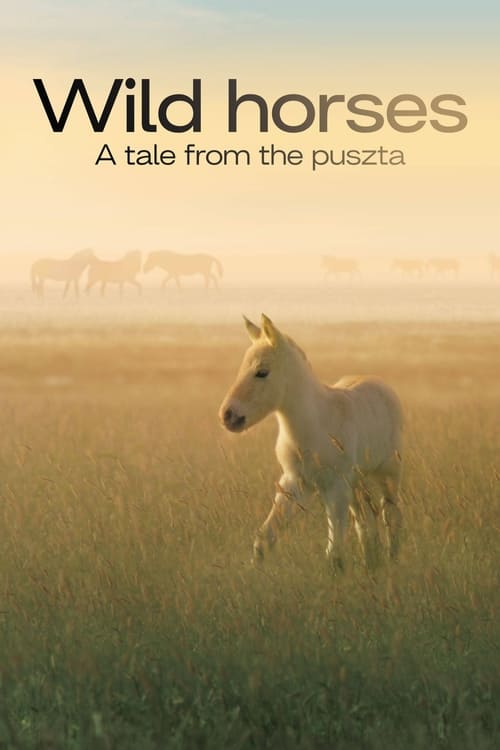
Meet Dot, the little wild horse foal. She is a Przewalski's horse: the only true wild horse species of the world. Although the origin of this endangered species is in Mongolia, Dot lives in the heart of Europe, on the grassy plains of Hungary called the "Puszta". 25 years ago some were introduced here and the horses instantly formed an organic connection with this magical land with rich and unique wildlife. Today this is one of the largest Przewalski's horse herds on the planet. This is their story.
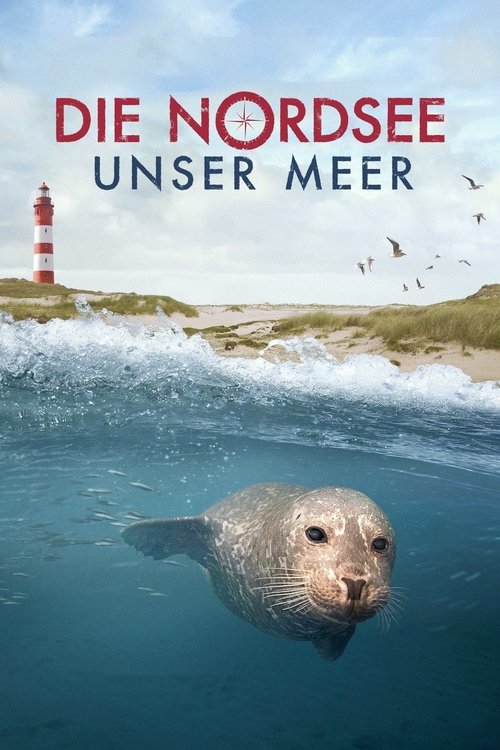
The North Sea, the largest sea on our doorstep, has many faces: wide tidal environments, high dunes, flat holms and rugged coastlines. Its beaches attract every season not only tourists but also countless seals. And beneath the cool sea surface hides a varied and fascinating underwater world: whether majestic basking before the chalk cliffs of Dover or combative gray seals on the beach of Helgoland, whether mighty squid on the Dutch Oosterschelde, or creepy Greenland shark in the Fjords of Norway.
No description available.
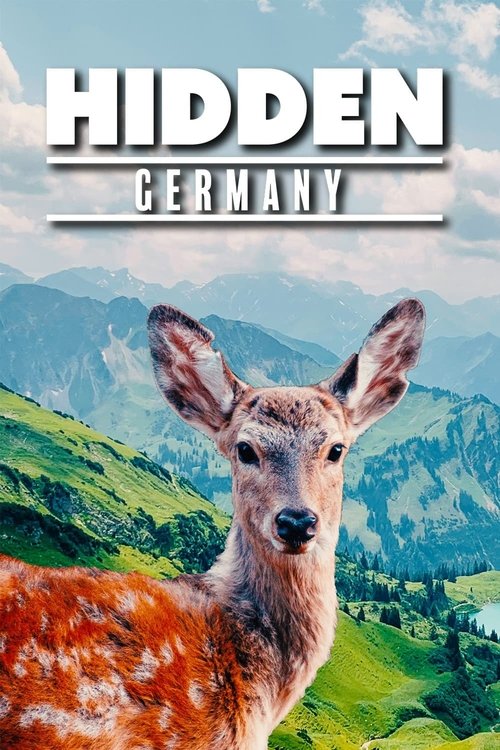
Hidden Germany has some of Europe’s most famous and exciting cities, but that’s nothing compared to its natural wonders for those willing to step off the beaten track. Great lakes and rivers team with fish and birdlife, ancient and vast forests hide boars and lynx.
Spain is found at the crossroads between the Mediterranean and the Atlantic, resulting in diverse landscapes, ancient cultures and magnificent wildlife.
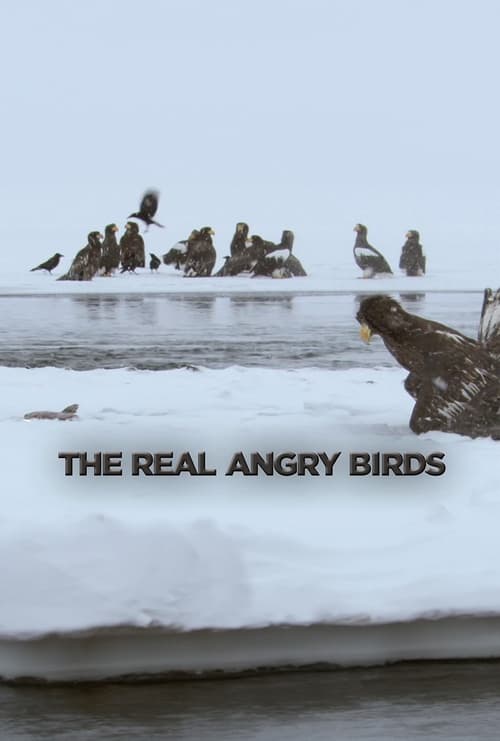
Angry birds are very popular- especially among game-playing kids, but are there real angry birds out there? Birds battle to survive, find food, and shelter, avoid danger, and raise their young. Life's hard, but will they get in a flap?
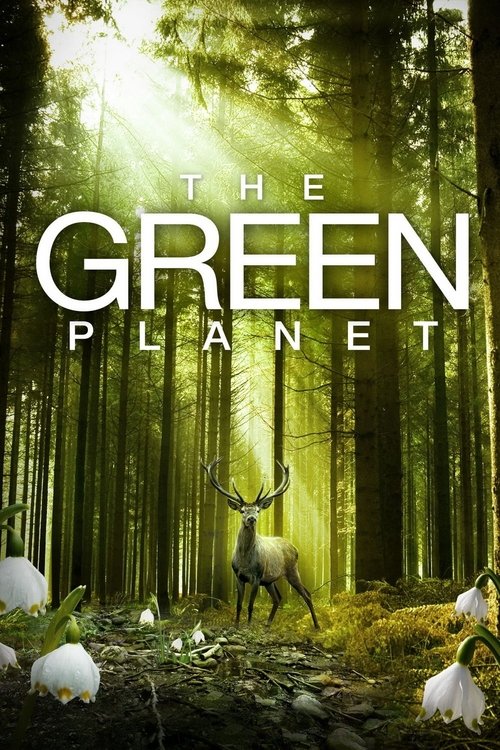
It covers thirty percent of the Earth's land mass and yet, most of us barely scratch the surface. Now, discover what few people have seen, as The Green Planet follows the stories of forest inhabitants, from graceful red deer to cunning foxes and impressive wild boar. With cutting edge technology, we also explore some of the more bizarre and wonderful forest dwellers: the purple emperor, liverworts, stag beetles and corydalis. See flowers bloom and blades of grass cut through the snow. Spend time in a foxes den with her new born cubs and follow tiny insects and creatures with microscopic detail. Be a part of a journey that takes you through the seasons and be prepared to be amazed by the natural wonder of creation, destruction and rebirth in this incomparable landscape.
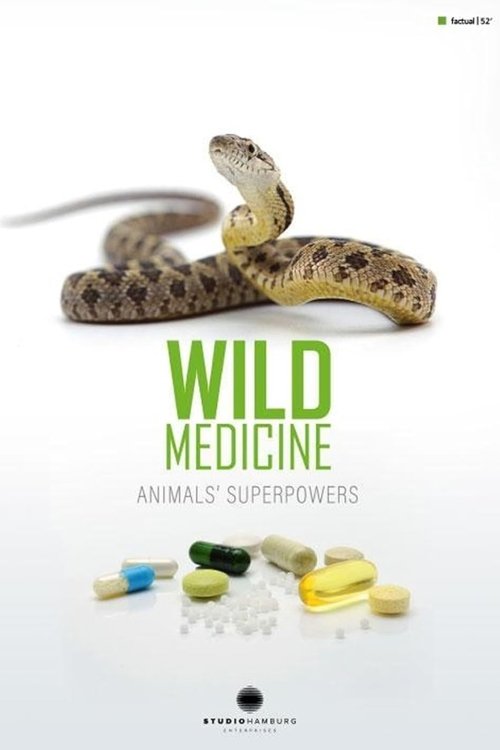
Animals are true superheroes. They have superpowers that we humans can only dream of. Some grow back their limbs after they have lost them. Others let huge bones grow on their heads at a rapid speed. And some can go into hibernation for months without losing muscle. Their skills could help humans against Alzheimer’s, heart attack and osteoporosis. But these superpowers are still a mystery. How do animals do that? Scientists are trying to solve the riddles to help save human lives.
The recurring protagonists of the movie is an osprey family and a young otter. Through their story, the animals living in the wetlands of the Carpathian Basin and their rarely seen behaviour are presented. Deers, Hungarian grey cattle, asps, catfish, bee-eaters, hooded crows appear in the movie, as well as places like the backwaters of the Tisza River, the Danube and its tributaries, the Hortobágy, the Balaton and the Gemenc Forest. The movie presents one year of the animals living the wetlands and floodplain forests, from winter to next summer. A nature documentary about the lands, fauna and nature-related traditions of Hungary.
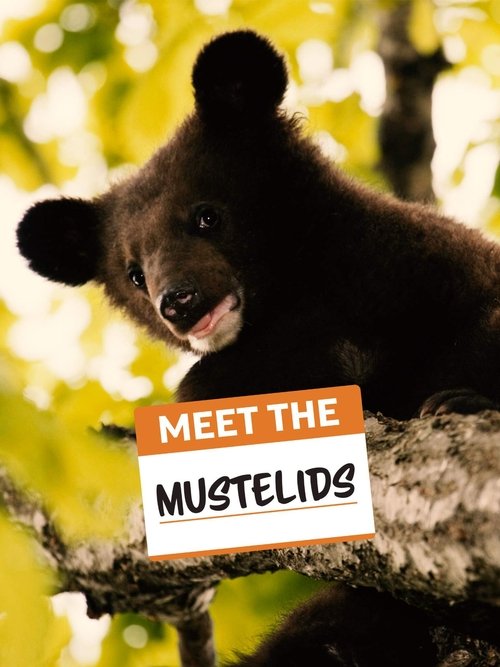
To many ears, the name mustelid might sound mysterious, but this family of hunters is probably much more familiar than you think. They’re tiny terrors; ankle-height tigers of the undergrowth. Some are elusive hunters while others stand together and fight.