FEEL IT.STREAM
Kunie Tanaka

Kunie Tanaka

Acting

Biography

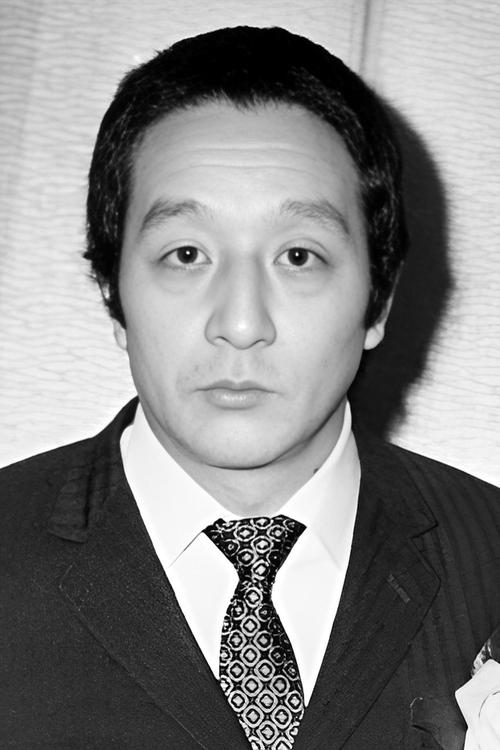
Kunie Tanaka (田中 邦衛 Tanaka Kunie, November 23, 1932 - March 24, 2021) was a Japanese actor. He had his first notable role in 1960 as a thug in Akira Kurosawa's The Bad Sleep Well, and worked with the director again on Sanjuro. Tanaka is well known for his roles in Kinji Fukasaku's yakuza films, namely the Battles Without Honor and Humanity series. He also appeared in Masaki Kobayashi's Kwaidan. He has been nominated for five Japanese Academy Awards, winning the Best Supporting Actor statuette for Gakko in 1993. He appeared as the lecherous Shinjiro Ishiyama, nicknamed Aodaishō, the antagonist of the hero, played by Yūzō Kayama, in all of the Wakadaishō series of films. The character Kizaru, from Eiichiro Oda's manga series One Piece, is modeled after Tanaka.
Known For

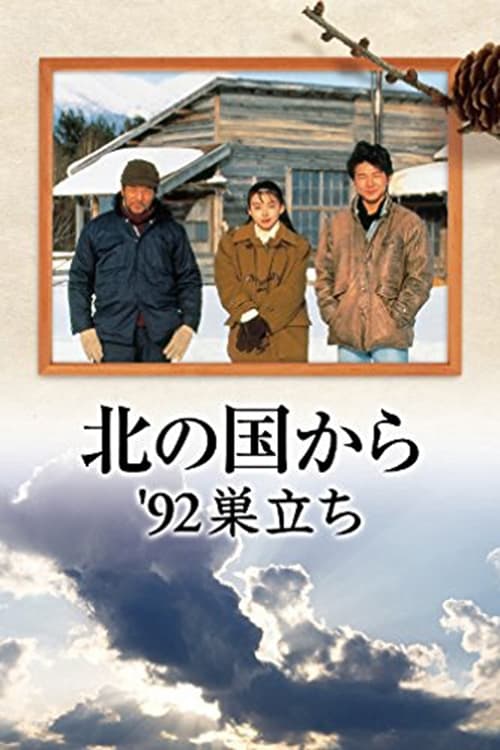
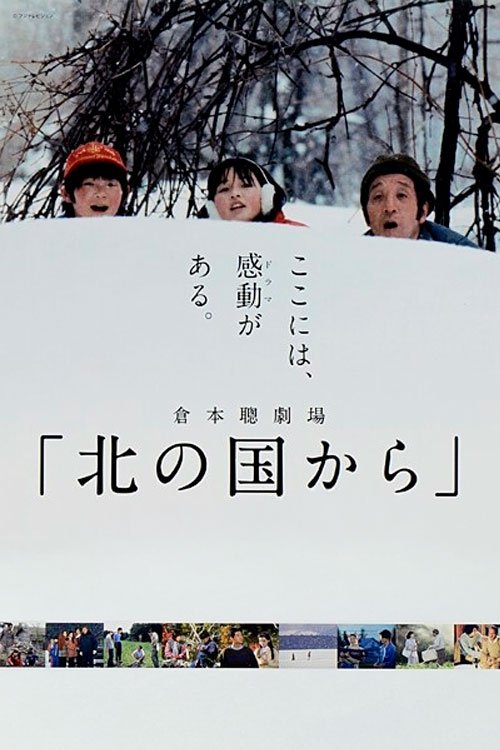
Kita no kuni kara
8.9

Narrated by the son, Jun, the tale follows the lives of two children torn between their parents and their parents' divorce. Jun, and his sister Hotaru, grow and mature - willingly and sometimes forcibly - in the harsh climates of Hokkaido, learning the ways of life through their interaction with the folk of Furano.

Kita no kuni kara

1981
Kwaidan
7.7

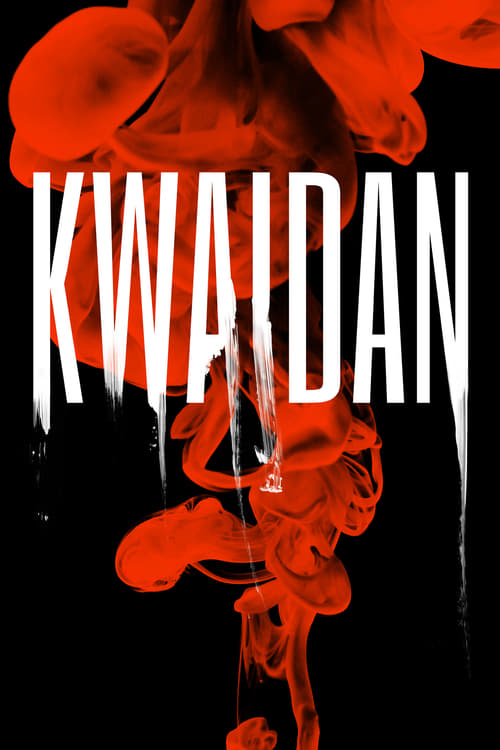
Taking its title from an archaic Japanese word meaning "ghost story," this anthology adapts four folk tales. A penniless samurai marries for money with tragic results. A man stranded in a blizzard is saved by Yuki the Snow Maiden, but his rescue comes at a cost. Blind musician Hoichi is forced to perform for an audience of ghosts. An author relates the story of a samurai who sees another warrior's reflection in his teacup.

Kwaidan

1965
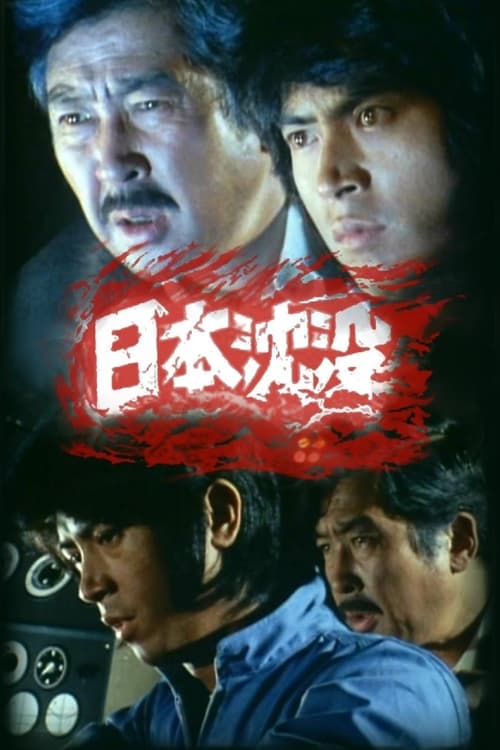
Submersion of Japan
N/A

In this TV series of the hit 1973 film, Volcanic eruptions and earthquakes shake Japan. Firestorms burn beautiful Japanese cities to the ground. A weather survey group discovers that the Japanese Archipelago is moving towards the Japanese Trench, which if left to continue on its collision course, would bring the whole island of Japan under the sea!

Submersion of Japan

1974
The Bad Sleep Well
7.7

In this loose adaptation of "Hamlet," illegitimate son Kôichi Nishi climbs to a high position within a Japanese corporation and marries the crippled daughter of company vice president Iwabuchi. At the reception, the wedding cake is a replica of their corporate headquarters, but an aspect of the design reminds the party of the hushed-up death of Nishi's father. It is then that Nishi unleashes his plan to avenge his father's death.

The Bad Sleep Well

1960
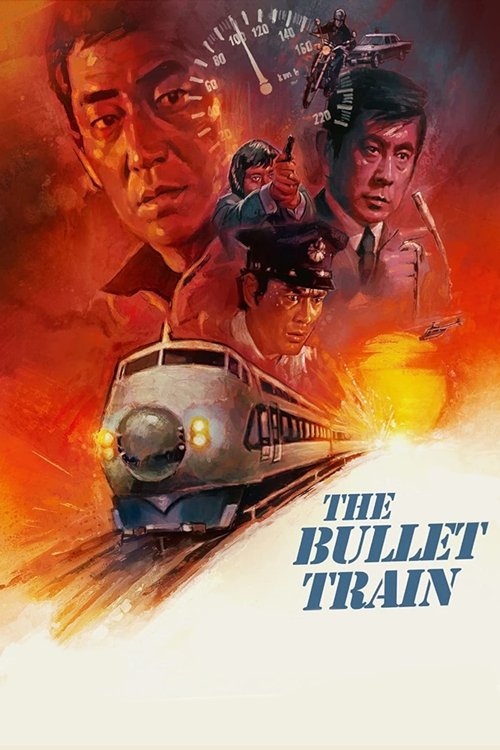
The Bullet Train
6.8

A Japanese bullet train is threatened with a bomb that will explode automatically if the train slows below 80 km/h, unless a ransom is paid. Police race to find the bombers so the train crew can learn how to defuse the bomb.

The Bullet Train

1975
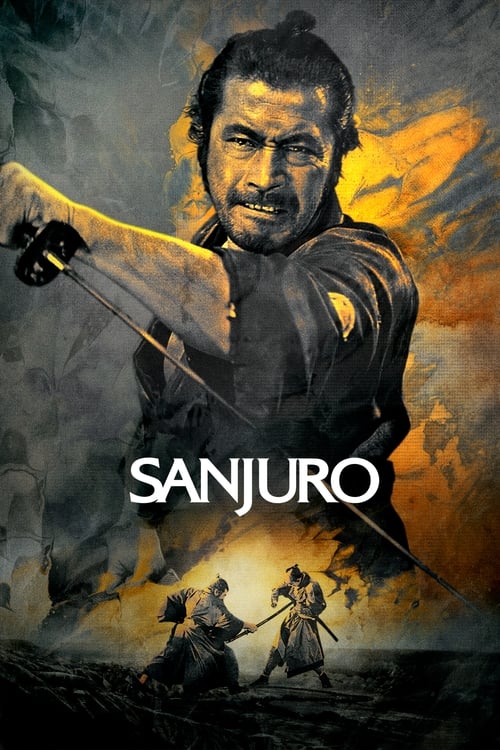
Sanjuro
8.0

In this companion piece and sequel to "Yojimbo," jaded samurai Sanjuro helps an idealistic group of young warriors weed out their clan's evil influences, and in the process turns their image of a proper samurai on its ear.

Sanjuro

1962
My Sons
7.8

Tetsuo is a young man living in Tokyo, who falls in love with a deaf-mute factory girl. He has always felt jealous of his college-educated brother, but ultimately wins both the girl and his father's acceptance and support in a touching and refreshing way.

My Sons

1991
Older brother
N/A

The series tells about the life of construction foreman Eiji and his sister. Both have a love interest: she has a boyfriend, and he has a young girl. The sister is thinking about marriage, and the brother has too strict principles to recklessly rush into the abyss of passion.

Older brother

1977
Rice Curry
N/A

Set in the majestic Canadian wilderness, the drama depicts the adolescence and love of three young men who were on a high school baseball team together.

Rice Curry

1986
The Face of Another
7.8

A businessman with a disfigured face obtains a lifelike mask from his new doctor, but the mask starts altering his personality and causing him to question his identity.

The Face of Another

1966
The Human Condition II: Road to Eternity
8.2

Kaji, sent to the Japanese army labeled Red, witnesses cruelties in the army and revolts against the abusive treatment against a fellow recruit. He also sees his friend Shinjô defecting to the Russian border, and he ends in the front to fight a lost battle against the Russian tanks division.

The Human Condition II: Road to Eternity

1959
Tenchu!
6.9

A ronin desperately seeks a way out of financial straits; he allies with the Tosa clan under the ruthless leader Takechi, who quickly takes advantage.

Tenchu!

1969
The Shin Hasegawa Series
N/A

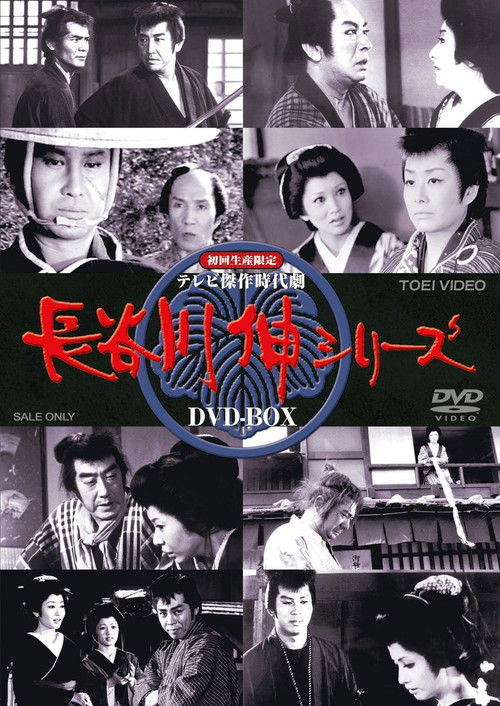
From the Taisho era to the Showa 30s, known as the father of popular literature who left many masterpieces and was also a teacher of Shotaro Ikebana and Yumie Hiraiwa, this omnibus work was produced based on the works of Shin Hasegawa and broadcasted from 1972 to 1973 with a total of 30 episodes.

The Shin Hasegawa Series

1972
The Inferno
6.9

Hell manifests itself through the sins, shame and desires of an upper class rural family and a mother's grief from beyond the grave.

The Inferno

1979
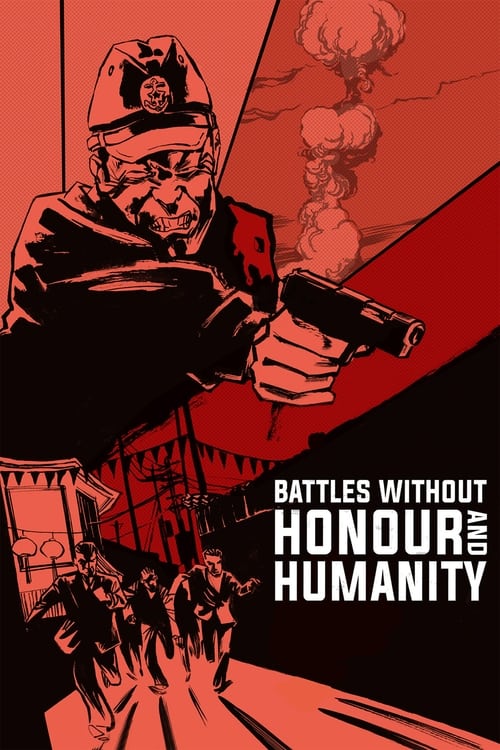
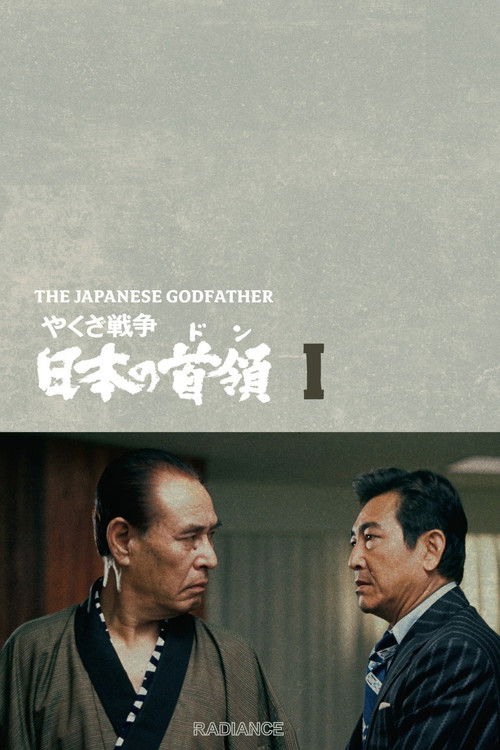
Battles Without Honor and Humanity
7.4

In the teeming black markets of postwar Japan, Shozo Hirono and his buddies find themselves in a new war between factious and ambitious yakuza.

Battles Without Honor and Humanity

1973
The Sun in Kurobe
N/A

Shingo Katori stars as Kuramatsu, a manager- foreman for Kumagaya Construction. In order to solve an acute energy shortage in the Kansai region, Kansai Electric Power decided to built a massive hydroelectric dam on the upper Kurobe River. However, the project requires the drilling of a huge tunnel that some, including Kuramatsu, believe is impossible.

The Sun in Kurobe

2009
May Love Be Restored
N/A

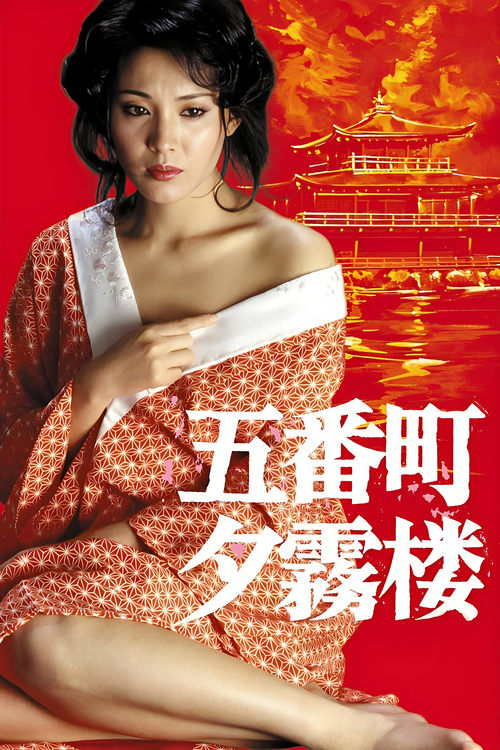
A tragic love story between a prostitute and a young trainee monk.

May Love Be Restored

1980
The Battle of Okinawa
7.8

The Americans are swiftly closing on Okinawa, an island just south of the Japanese mainland. The Imperial command sends top generals and several army divisions to defend it at all costs. The mission quickly degenerates as vital resources and troops are diverted to other islands. After a civilian evacuation ends in tragedy most of non-combatants are forced to remain on the island. Many convert to soldier status. Tokyo sends mixed messages that squander time and resources, as when they order the defenders to build an airstrip for aircraft that never come. The truth soon becomes obvious: the high command decides that the island cannot be held and effectively abandons the Okinawan defenders. When the Americans land many troops are deployed in the wrong places. As the slaughter mounts, a suicidal attitude takes hold. Okinawa becomes a death trap, for civilian volunteers and non-combatants as well.

The Battle of Okinawa

1971
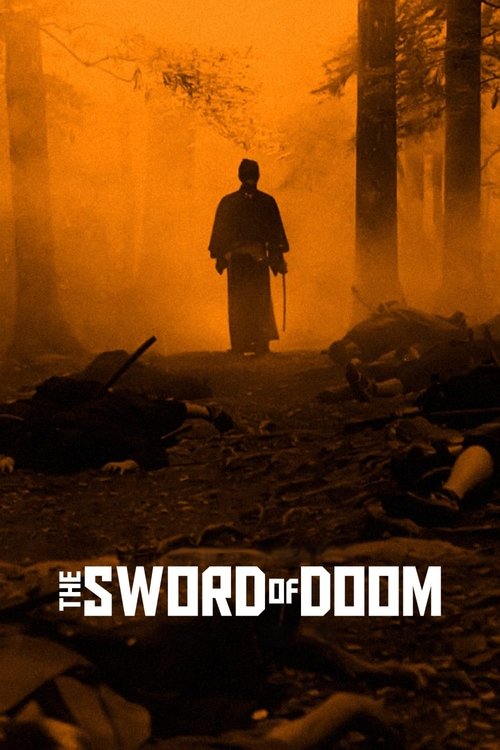
The Sword of Doom
7.7

Ryunosuke, a gifted swordsman plying his trade during the turbulent final days of Shogunate rule, has no moral code and kills without remorse. It’s a way of life that leads to madness.

The Sword of Doom

1966
The Password is Courage
N/A

The story takes place in a small rural village surrounded by beautiful nature. However, it is about to be destroyed by a waste disposal plant. Something must be done. The villagers rise up. They get a lawyer from Tokyo to help fight alongside them. Only that he's not a real lawyer but a washed-up actor (Yakusho Kōji), who once played a lawyer on TV.

The Password is Courage

2000