FEEL IT.STREAM
?

Fred Barzyk

Directing

Biography

Fred Barzyk is an American television director and producer known for his avant-garde work in public television. During his tenure at WGBH in Boston, he directed and produced innovative programs such as The Lathe of Heaven (1980) and Between Time and Timbuktu (1972), the latter based on the works of Kurt Vonnegut. Barzyk's contributions have been recognized with multiple awards, including the Venice Film Award for Best Television Director Worldwide in 1985.
Known For

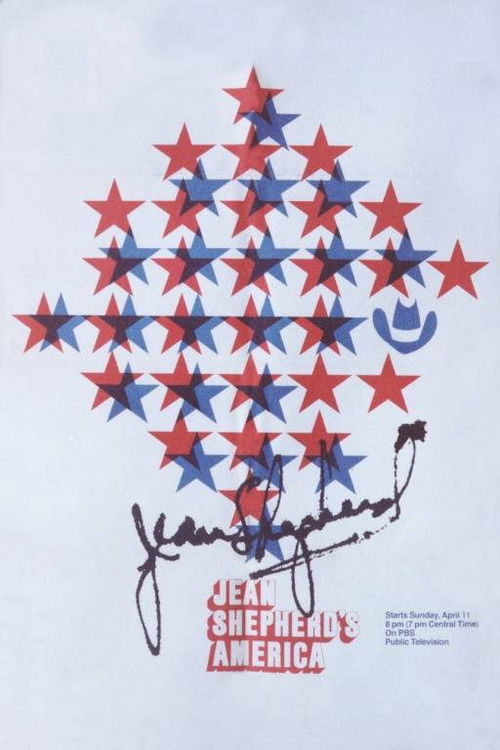
Jean Shepherd's America
9.0

In these humorous and affectionate television poems, humorist Jean Shepherd celebrates America in all its richness and diversity -- from cars to candy, baseball to beer, motels to money. Each week a different aspect of our national psyche is explored as Shepherd travels to the Okefenokee Swamp, Death Valley, Milwaukee, the Old South, and other far-flung locations -- using the PCP-90 portable camera.

Jean Shepherd's America

1971
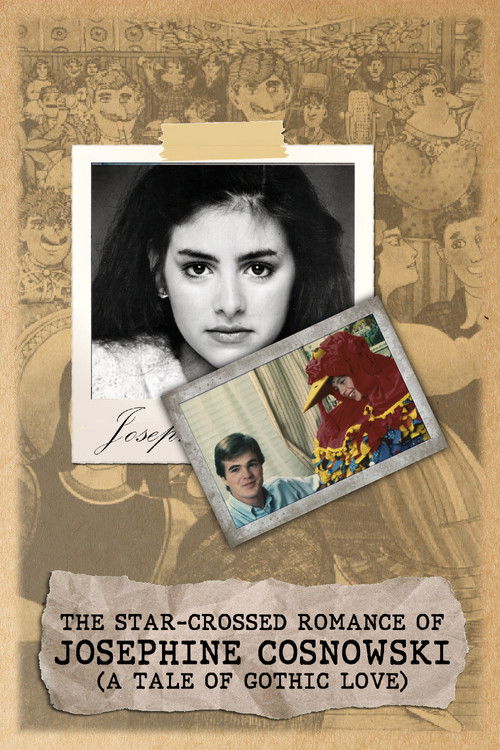
The Star-Crossed Romance of Josephine Cosnowski (a Tale of Gothic Love)
7.0

A comedy written and Narrated by Jean Shepherd. The story involves several different events such as Ralph's first serious romance with his new neighbor, Randy playing a turkey in the school Thanksgiving Day play, The Old Man setting his sights on a yellow buick and the High School basketball rival game of the season.

The Star-Crossed Romance of Josephine Cosnowski (a Tale of Gothic Love)

1985
No image
N/A

In this 26-part series, prominent historians present America’s story as something that must be presented and debated from a variety of perspectives in order to be truly understood. Their thought-provoking debates and lectures — using first-person narratives, photos, film footage, and documents — will pique students’ interest and encourage them to think critically about the forces that have shaped America.

A History of America

2000
Countdown to Looking Glass
6.1

A fictional confrontation between the United States and the Soviet Union over the Strait of Hormuz, the gateway to the Persian Gulf. The narrative of the film details the events that lead up to the initial exchange of nuclear weapons from the perspective of an on-going news broadcast.

Countdown to Looking Glass

1984
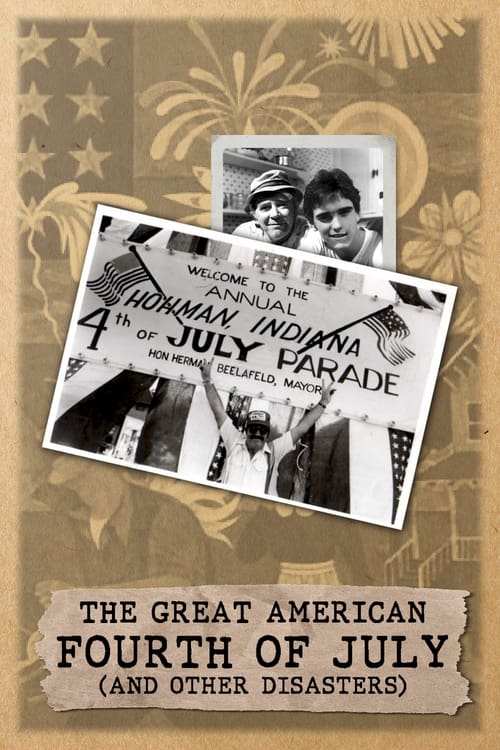
The Great American Fourth of July and Other Disasters
6.8

An adult Ralphie Parker narrates several humorous stories about his teen years in an Indiana steel town.

The Great American Fourth of July and Other Disasters

1982
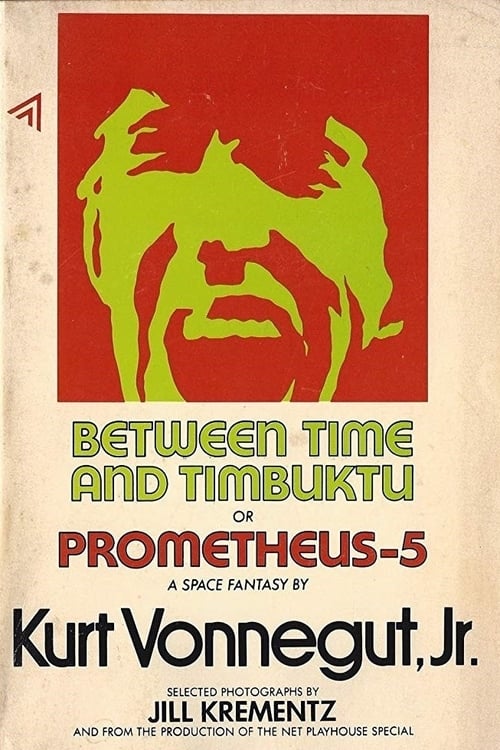
Between Time and Timbuktu
7.7

A poet-astronaut is shot through an area of space called the Chronosynclastic Infundibulum. He is duplicated into infinite copies of himself, each of whom finds himself in a bizarre situations on a different world.

Between Time and Timbuktu

1972
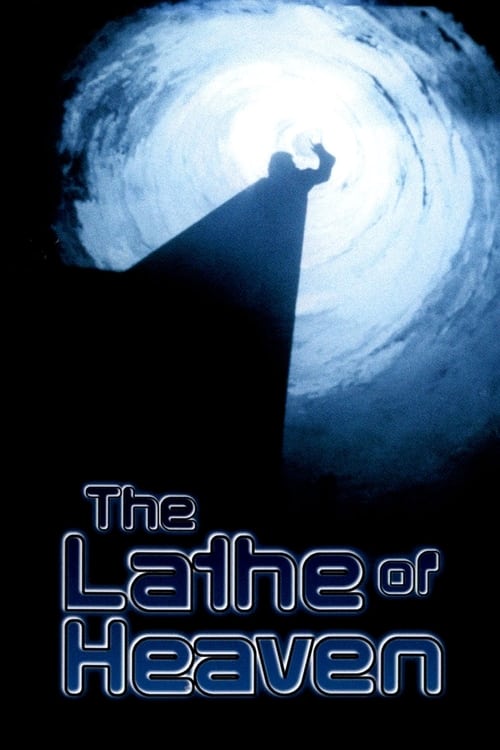
The Lathe of Heaven
6.7

George Orr, a man whose dreams can change waking reality, tries to suppress this unpredictable gift with drugs. Dr. Haber, an assigned psychiatrist, discovers the gift to be real and hypnotically induces Mr. Orr to change reality for the benefit of mankind --- with bizarre and frightening results.

The Lathe of Heaven

1980
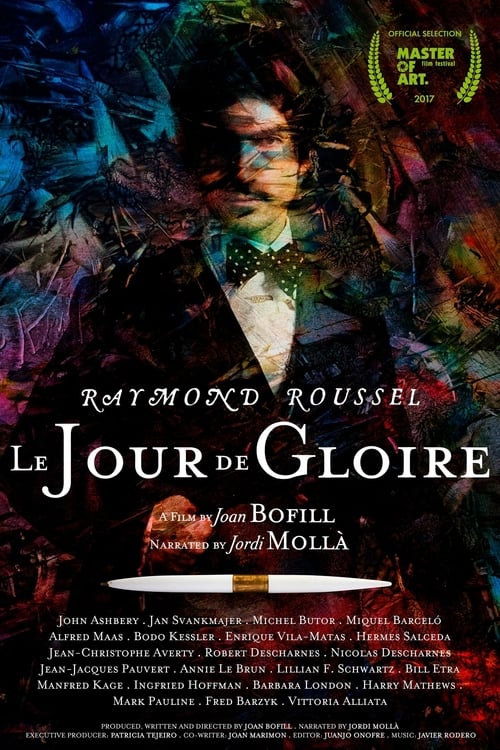
Raymond Roussel: The Day of Glory
6.0

A tortuous journey, in the company of the Spanish painter Salvador Dalí, around the figure of the enigmatic and visionary French poet Raymond Roussel (1877-1933).

Raymond Roussel: The Day of Glory

2017
No image
N/A

On a stormy night in September 1934, the Morro Castle was making its way through heavy seas en route from Havana to New York City. Shortly after 2:00 A.M., while most of the passengers slept, fire suddenly engulfed the luxury liner; within an hour, hundreds were dead or struggling desperately in the water. The fire's apparently inexplicable outbreak wasn't the only secret that night aboard the Morro Castle. Hours earlier, Captain Robert Wilmott had died in his cabin under suspicious circumstances. Had Wilmott been poisoned? Was the fire accidental, or intentionally set? This doc focuses on the incident and the speculation that the radio operator was the arson.

The Mystery of the Morro Castle

1980
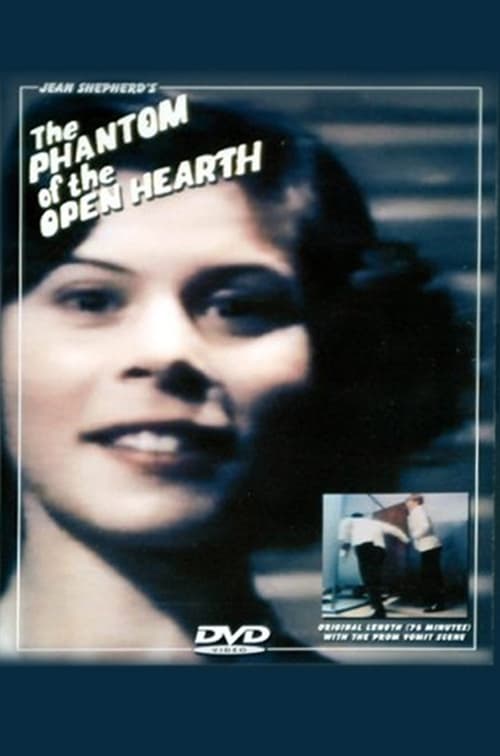
The Phantom of the Open Hearth
6.8

This comedy/drama was written by Jean Shepherd, who appears at the beginning and the end and narrates it through voiceover. It tells the story of several events as they occur through the eyes of Ralph, a high-school-aged boy. Ralph is anticipating the upcoming prom and is working up the courage to invite Daphne Bigelow, a beautiful and popular student who does not seem aware of his existence.

The Phantom of the Open Hearth

1976
The Negro and the American Promise
N/A

Dr. Martin Luther King, Malcolm X, and James Baldwin -- three of the most highly regarded civil rights leaders of the 1960s -- were united in their quest for Black empowerment. But their methods of approach were polarizing.

The Negro and the American Promise

1963
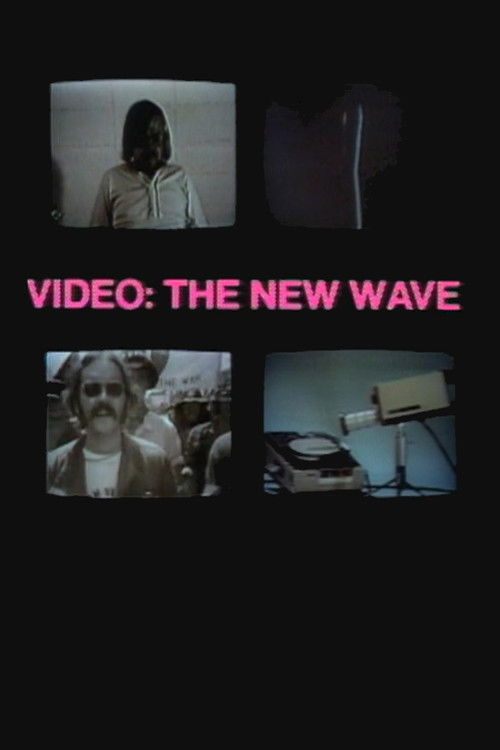
Video: The New Wave
N/A

The New Wave is the seminal compendium of independent video work in the early 1970s. Written and narrated by Brian O'Doherty, this overview of the emerging video field includes examples of guerrilla television and "street" documentaries, early explorations with image-processing and synthesis, and performance video. This historical anthology includes excerpts of tapes by the following video pioneers: Stephen Beck and Warner Jepson, Peter Campus, Douglas Davis, Ed Emshwiller, Bill Etra, Frank Gillette, Don Hallock, Joan Jonas, Richard Serra, Paul Kos, Nam June Paik, Otto Piene, Willard Rosenquist, Dan Sandin, James Seawright, Steina Vasulka, TVTV, Stan Vanderbeek and William Wegman.

Video: The New Wave

1975
No image
N/A

Three girls steal the answers to their final exam. When the headmistress finds out, she gives those responsible one-day to confess. After that anyone participating in the cover-up will be expelled.

The Cheats

1989
The Medium Is the Medium
N/A

Produced by WGBH-TV in Boston, the Medium Is the Medium is one of the earliest and most prescient examples of the collaboration between public television and the emerging field of video art in the U.S. WGBH commissioned artists — Allan Kaprow, Nam June Paik, Otto Piene, James Seawright, Thomas Tadlock and Aldo Tambellini — to create original works for broadcast television. Their works explored the parameters of the new medium, from image processing and interactivity to video dance and sculpture.

The Medium Is the Medium

1969
The Electronic Canvas
N/A

"The Electronic Canvas" focuses on Boston as a major center in global movement where artists in the 1960s were drawn to the growing power of television and media. Viewers learn how these artists responded to the initial challenge of not being able to become creatively involved with television. The show looks at how cultural institutions and organizations responded to this challenge and what happened when the doors were opened to artists’ desires to probe this unexplored territory. From these early efforts and experiments, the program follows the rapid growth, diversification, and sophistication of video and media art from single channel works to complex pieces involving computer programs, museum video installations, and in the Internet. The Electronic Canvas aired in April 2001 on WGBH Channel 2 in Boston and then on public television stations nationally.

The Electronic Canvas

2001
Art in Public Places
N/A

“It seems funny to say it, but long before there was an ‘art world,’ there was art in the world.” So begins the artist and writer Russell Connor’s meditative tour of public art in New York City.

Art in Public Places

1973