Jeri Sopanen
Camera
Known For

Interview with Jason Holliday aka Aaron Payne. House-boy, would-be cabaret performer, and self-proclaimed hustler giving one man's gin-soaked, pill-popped view of what it was like to be black and gay in 1960s United States. Preserved by the Academy Film Archive in partnership with Milestone Films in 2013.
Portrait of Jason

Two old friends meet for dinner; as one tells anecdotes detailing his experiences, the other notices their differing worldviews.
My Dinner with Andre
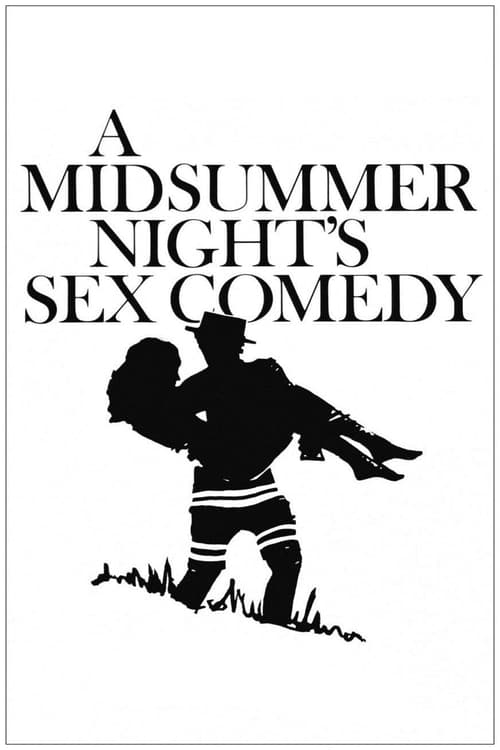
A nutty inventor, his frustrated wife, a philosopher cousin, his much younger fiancée, a randy doctor, and a free-thinking nurse spend a summer weekend in and around a stunning - and possibly magical - country house.
A Midsummer Night's Sex Comedy

Scientists pursuing the mysteries of the deep are threatened by a beautiful girl who seems to have returned from the dead and by a prehistoric sea creature that dwells in the deadly Bermuda Triangle.
The Bermuda Depths
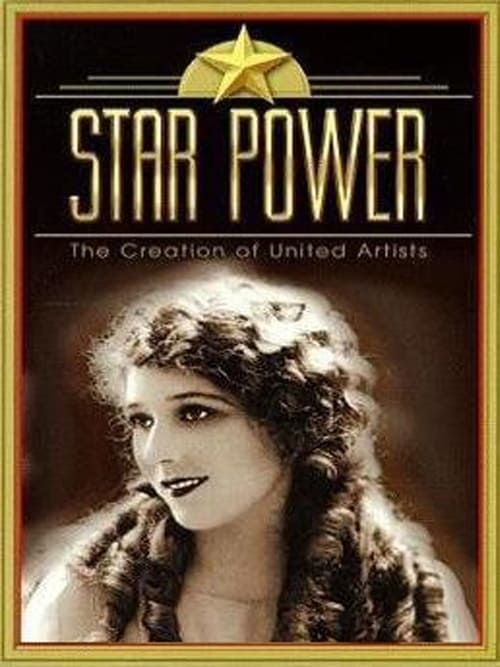
The careers of D.W. Griffith, Mary Pickford, Douglas Fairbanks, and Charlie Chaplin are chronicled culminating in the formation of United Artists and 1919.
Star Power: The Creation Of United Artists
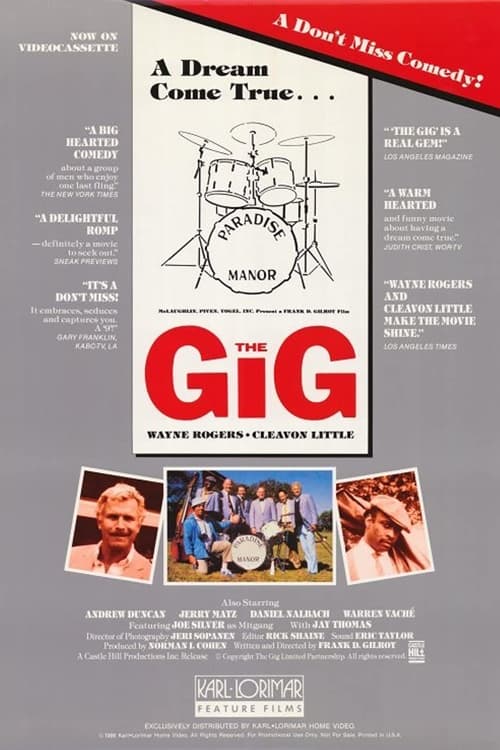
Six amateur musicians accept an offer to play a 2-week gig in the Catskills. When the bass player suddenly falls ill, they recruit a genuine pro to fill in. As they embark on the opportunity of a lifetime, dreams and reality begin to collide.
The Gig
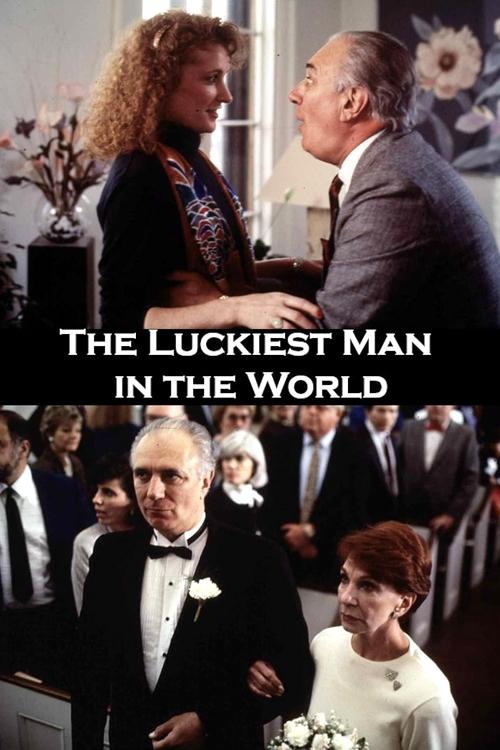
New York City garment manufacturer Sam Posner is a liar, a bully and a cheat who makes life unpleasant for his wife, mistress and everyone else around him. When he's late for a flight that ends up crashing on the runway, the near-miss causes him to change his entire personality and resolve to be nicer to those around him, including the gay son he had disowned. But his employees and family have trouble adjusting to the new Sam.
The Luckiest Man in the World
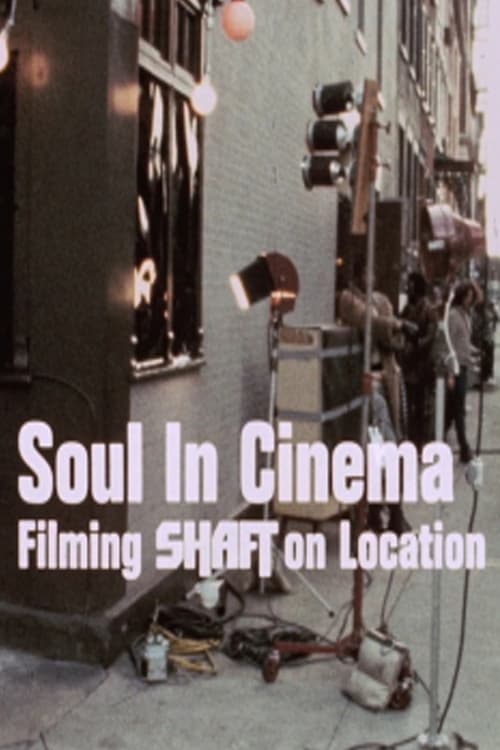
A behind the scenes look at the filming of the movie Shaft (1971). The movie's director, Gordon Parks is seen directing a couple of fight scenes which he wants to get in as few takes as possible due to the set-up time and the danger involved in the stunt work. He is also seen speaking to the composer of the film score, 'Isaac Hayes', about the overlaying of the music over one of those fight scenes, and what he wants musically for another scene involving the lead character, John Shaft, moving through Times Square. The latter would eventually become the movie's iconic theme music. Being a frenetically paced action movie, he also works closely with the film's editor, Hugh A. Robertson.
Soul in Cinema: Filming 'Shaft' on Location
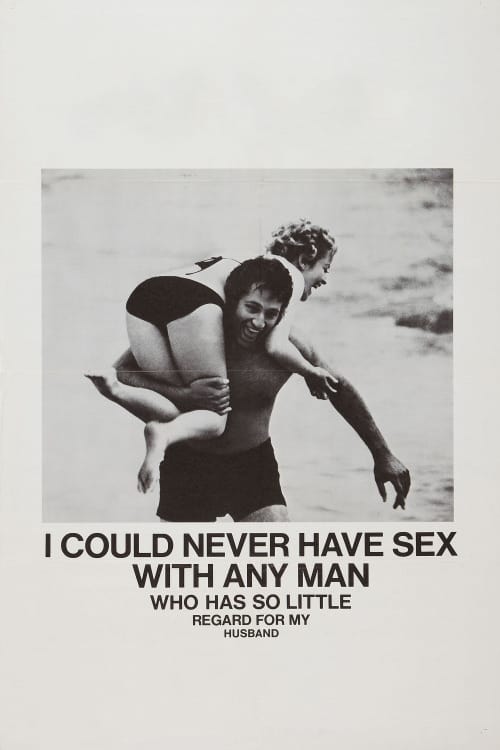
In this sex farce, two middle-aged pairs of aspiring swingers rent a summer cottage. There they sit around discussing the pros and cons of having affairs.
I Could Never Have Sex with Any Man Who Has So Little Regard for My Husband
After Charlie Shivers' rug is ruined by painters, he hires his friend Tommy Two-Lips to steal him a new one. When Tommy profits off of it, Charlie gets his cousin Louie Lemmons to kill Tommy -- but it ends up making Charlie the main suspect.
Urban Relics
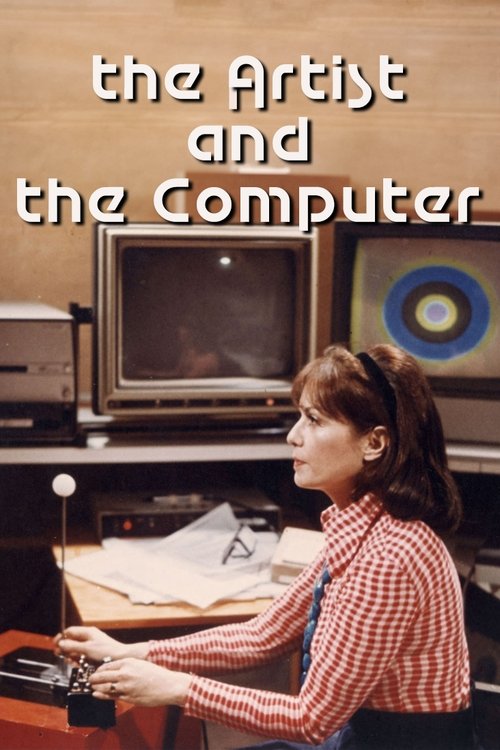
Pioneering artist Lillian Schwartz demonstrates the human input -- integrity, artistic sensibilities, and aesthetics -- that goes into producing early computer art. In voice-over she explains the intent behind a number of her films and offers insight into the artist's problems and decisions. Produced for AT&T.
The Artist and the Computer
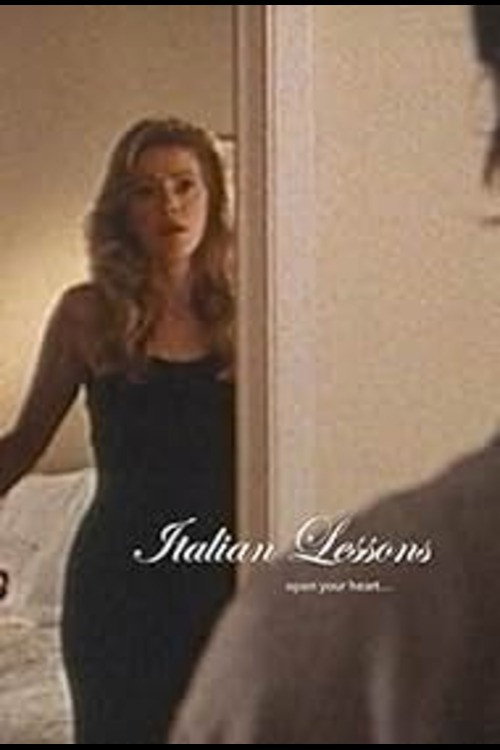
Italian Lessons is the touching, humorous story of Caterina, a beautiful young widow who teaches Italian to Peter, a high school student who uses the "language of love" simply to score with girls. Peter's passion for life re-ignites feelings Caterina has not experienced since her husband's death and soon she and the boy are drawn into a strange and special relationship. When a suitor from Italy arrives to propose marriage to Caterina, it becomes apparent that only Peter can release his teacher's heart and make her free to love again.
Italian Lessons
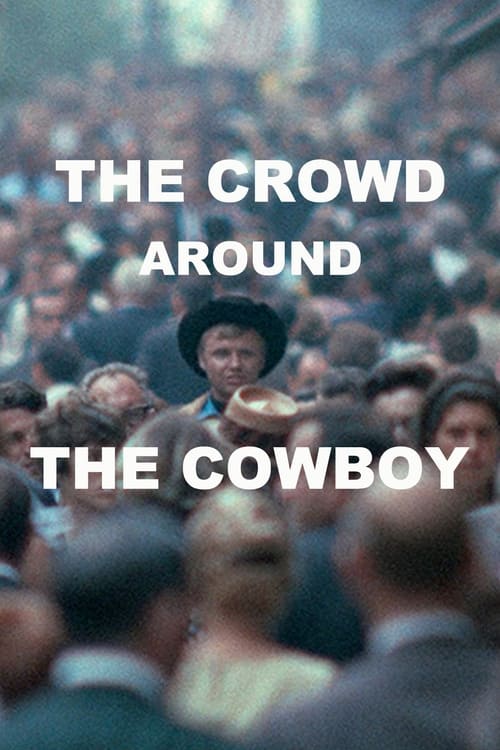
A short documentary made on location during the filming of John Schlesinger's 1969 film "Midnight Cowboy."
The Crowd Around the Cowboy
The story of the railroad man in his role in keeping the trains moving on the rails.
Railroad Man
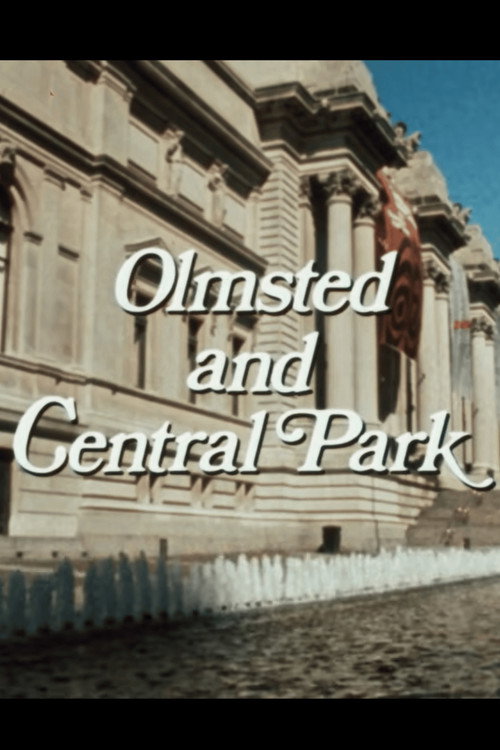
From the Metropolitan Museum of Art's exhibition, "Art of the Olmsted Landscape," the camera moves out for a tour of Central Park with Dr. Charles E. Beveridge, editor of the Frederic Law Olmsted papers at American University, who relates some of the history of this world-famous New York City park. We hear the words of Frederick Law Olmsted, the park's designer, and see historical photographs and engravings of the park in the mid-nineteenth century when it was created.
At The Met: Olmsted and Central Park
This documentary (first of a five-part series on education) examines the battle to educate at Junior High School 57-a slum school in Brooklyn's Bedford-Stuyvesant ghetto. In September 1966, New York University's Clinic for Learning, backed by a Ford Foundation grant, began an educational rehabilitation program at the school. The object: to reach apparently unreachable and disinterested students before they become drop-outs. Cameras look in on a seventh grade class, observing new approaches to working with disadvantaged youngsters: challenging students to be more aggressive in their studies; permitting class members to hold arguments pertaining to their lessons; and attempting to establish more personal contact between teachers and students. There are also problems. Discipline is poor among the students, who must be taught to have respect for themselves and for the education they can get.
The Way It Is

Beginning with a history of two thousand years of Jewish life in Morocco, the movie incorporates extensive archival footage, as well as interviews with: artists, scholars, journalists, merchants, workers, and artisans in Morocco, Israel, France, and Canada.