Acting
The series focuses about orphans living in a manor, known as Rincón de Luz, where they're guided by a young woman that represents a maternal figure for them.
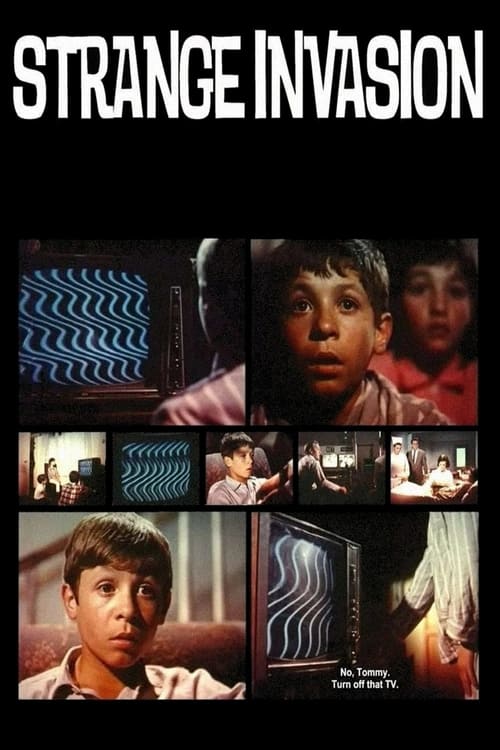
A succession of television broadcasts has unexpected and terrifying effects on the minds of viewers.
Irene is a magazine editor living under the shadow of the Pinochet dictatorship in Chile. Francisco is a handsome photographer and he comes to Irene for a job. As a sympathizer with the underground resistance movement, Francisco opens her eyes and her heart to the atrocities being committed by the state.
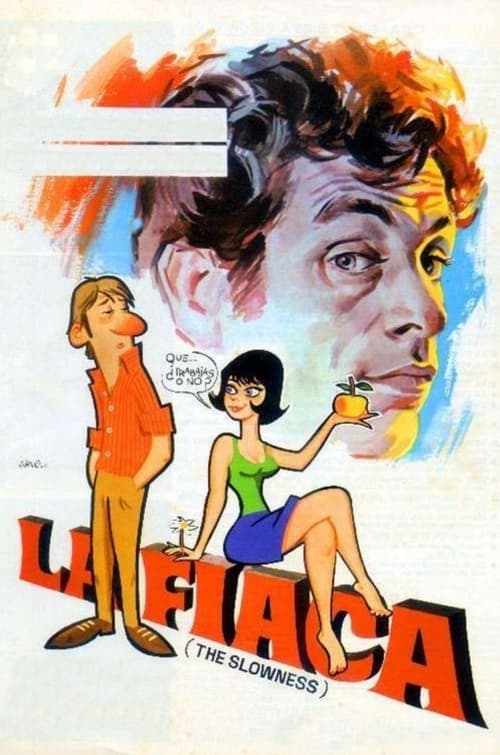
A typical office employee decides one day rebelling against its routine and not going to work because it has a "lazy". His family, friends and colleagues are trying to dissuade him unsuccessfully at the beginning. But as time passed his situation complicated emotional and economically. These circumstances thwart his rebelliousness.
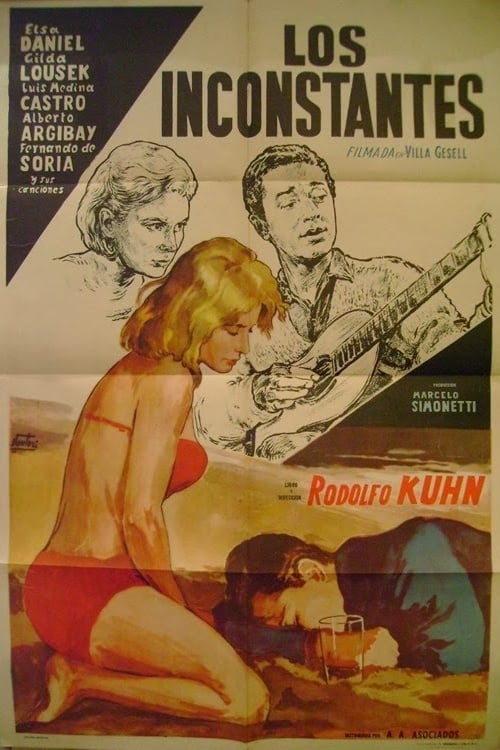
Stories about a group of young people who spend a week at a coastal resort.
Carmelo, who is 30-years old and extremely shy, finds it difficult to reveal his innermost feelings to Verónica, his co-worker. Carmelo's world collapses when he finds out that she intends to get married soon. Accidentally, she spots him demonstrating in a gay rally where he becomes a leader of that cause. Of course, Verónica assumes that Carmelo is gay, and he takes adv antage of this misunderstanding.
Pedro, an inexperienced conman, decides to rob a bank. When he tries to escape, the branch is surrounded by police. His hostage turns out to be Pablo, the husband of the daughter of the bank's owner. After Pedro and Pablo leave the crime scene, Pedro demands ransom. But the money never arrives, since Pablo's father-in-law decides not to pay and, to make matters worse, instead sends an assassin to kill off Pedro.
During his last night as a bachelor, a man imagines what would happen if he ran away and avoided marriage, or if he were able to avoid conventions and have a sincere relationship with his girlfriend. Adaptation of the homonymous short story by Roberto Arlt.
Julio and El Polaco, in distant years, were inseparable friends in their hometown, near Necochea. The life of the first was governed by obedience to his mother, the despotism of his uncle and a style of honesty. El Polaco, on the other hand, was closer to marginalization and violence. Julio, turned into a businessman, takes root in the United States. The Pole continued his course in the place of those sometimes very cruel antics.
No description available.
An Italian woman arrives in Buenos Aires and suffers all kinds of social and personal misadventures.
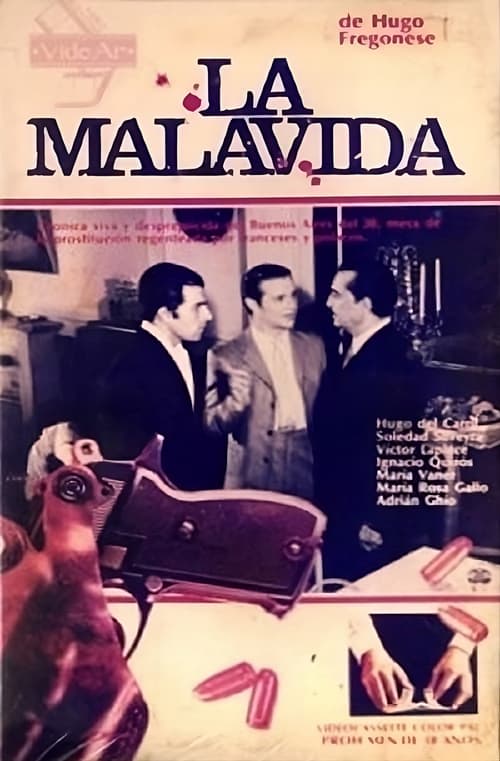
Buenos Aires, 1920. The Franco-Argentine and Polish-Argentine mafia begin a war for the control of the traffic of women and prostitution, based on real events about the 1920s Buenos Aires Mafias war.
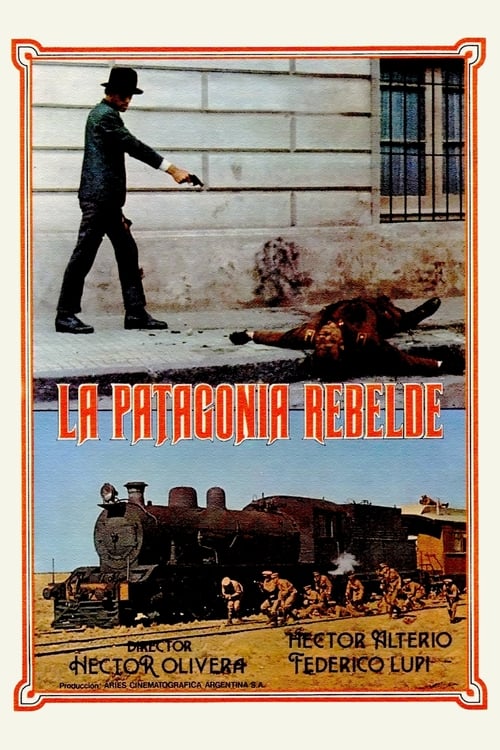
In 1920, workers from Patagonia, in Southern Argentina, gather around an anarcho-syndicalist society and go on strike, demanding better working conditions. When the situation turns unsustainable, President Yrigoyen sends Lieutenant Colonel Zavala to impose order.
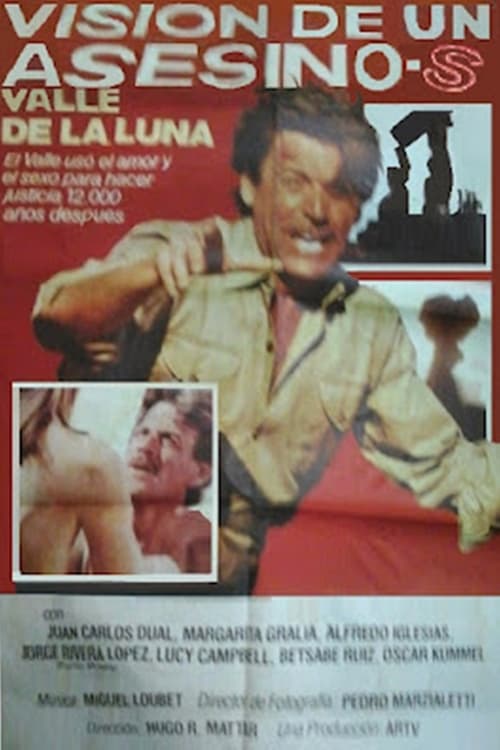
An important paleontological discovery causes a series of crimes.
Film that includes three short films by different authors about love: "O pacto" by Eduardo Coutinho, "Terrible Night" by Rodolfo Kuhn, and "Magic World" by Helvio Soto.
Osvaldo and Mabel, an Argentine couple exiled for political reasons in the United States, travel to their country of origin after ten years to reconnect with their family and friends, including Mabel's brother and his wife. Mabel offers her brother the possibility of working in New York in order to improve their economic situation, but his wife is opposed to that idea.
María wants to move to the city, even though her mother disappeared when she attempted to do the same. Her journey takes her to the house of an enigmatic woman who keeps her as a maid.
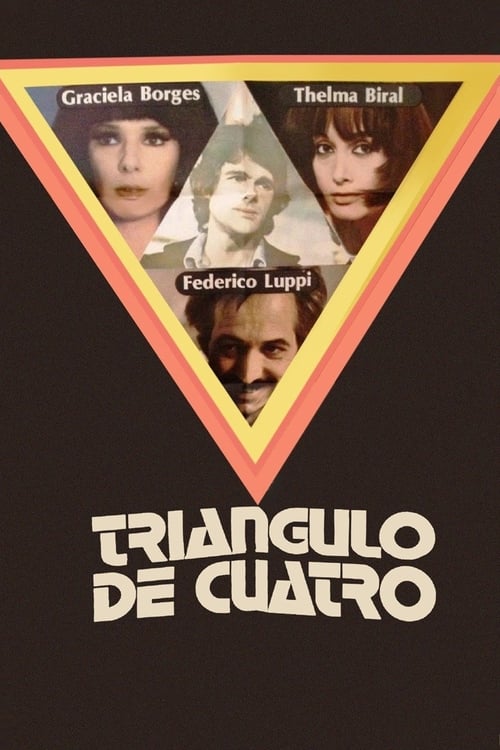
In a boring marriage a model-photographer attracts the husband and a young man to the woman.
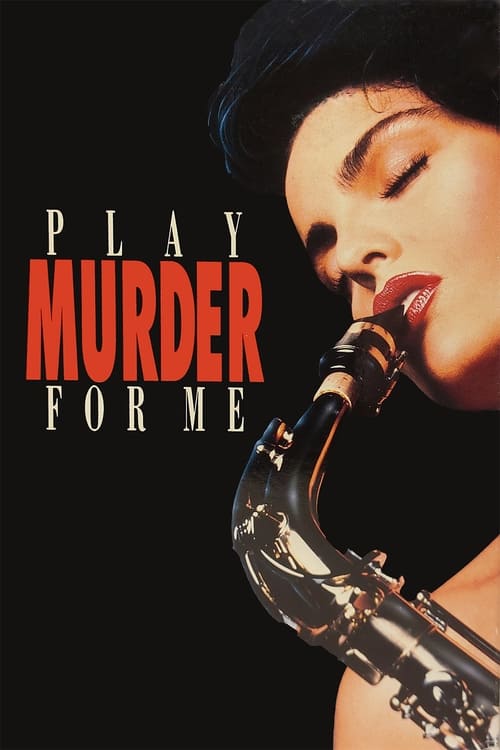
A jazz-club sax player (Jack Wagner) sees his ex-lover (Tracy Scoggins) in Buenos Aires, with her mobster husband.