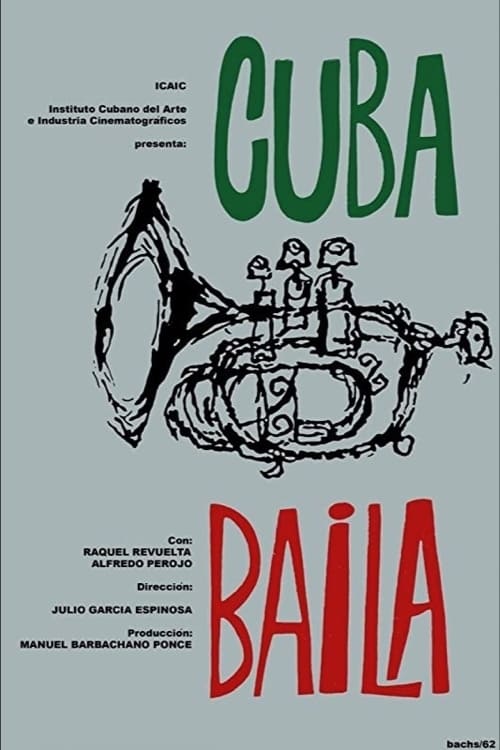
Acting
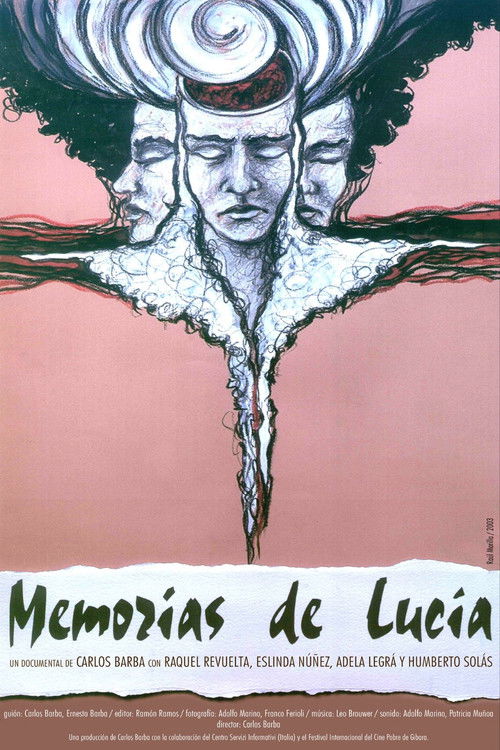
A documentary about the 1968 film Lucía, featuring its director, Humberto Solás, and members of his cast and crew.
A study in contrasts set in and around Havana that explores Cuba's 1959 revolution: a young woman's fascination with the excess of an American-owned casino leads to her downfall in the eyes of her street vendor boyfriend; a tenant farmer revolts the only way he knows how, attacking the land he works; university students gain first-hand knowledge of political upheaval; and, in the hills outside the city, the members of a poor peasant family are patriotically swept up into the burgeoning revolt.
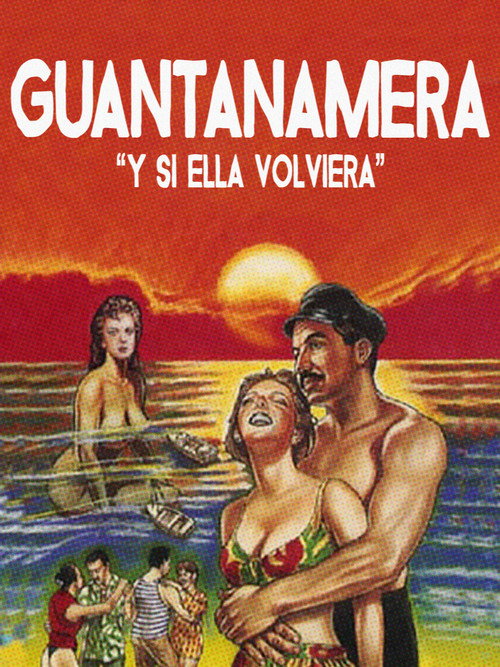
One winter morning in 1963, a Civil Aviation captain arrives in Gibara. A taxi driver takes him to the guest house of Elena, a lady belonging to the old bourgeoisie of the place. At first, Elena and the other guests treat the newcomer coldly, but when they learn that he is a captain in the US Civil Aviation Authority (who has come to Cuba to exchange medicine for the invaders at Playa Girón), the situation changes. A dazzling romance begins between Elena and the captain, but the ending will be unexpected.
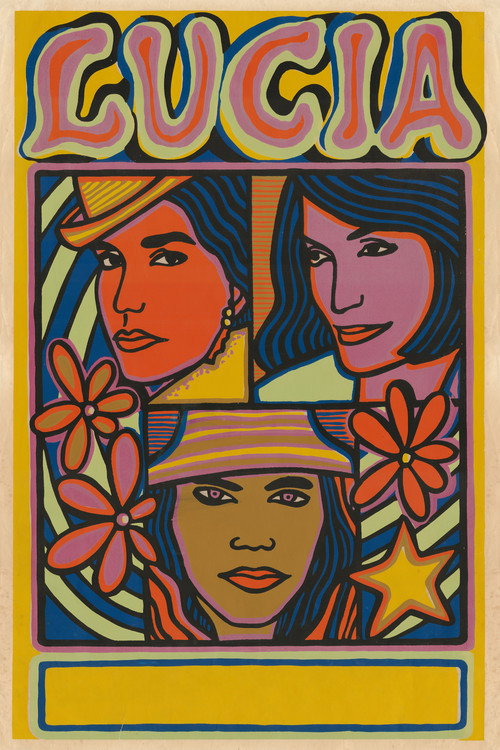
Traces episodes in the lives of three Cuban women, each named Lucía, from three different historical periods: the 1890s, the 1930s, and the 1960s.
The story of Cecilia is a story of the society that dominated 19th-century Cuba, a society divided between whites, blacks, and those who were mixed, the mulattos. (Since the Spanish conquistadors killed off the Indian population in Cuba not long after they took over the island, there are no mestizos, or those of mixed-Indian blood in Cuba as in other Caribbean nations.) At any rate, the drama about the life and loves of Cecilia (Daisy Granados) takes place against the backdrop of graphically violent mistreatment of slaves and the rumors of a slave rebellion after the Cubans hear of slaves turning against their captors in Haiti.
Director Humberto Solás, along with the leading ladies Raquel Revuelta, Eslinda Núñez and Adela Legrá, recall important moments of this classic of Latin American cinema, 'Lucía' (1968).
It is the story of a young man named Esteban, who was totally devoted to the cause of the Revolution against Fulgencio Batista. One day, Esteban is diagnosed with a cerebral aneurism, which causes him to take stock of his life as a revolutionary and to reconsider his relationships to his family--to his mother and brother, particularly--and his friends.
On New Year's Eve, a banker and his wife invite several friends to have dinner in their apartment. Suddenly, an astrologer makes an appearance and predicts seven of the present people will die in the next weeks.
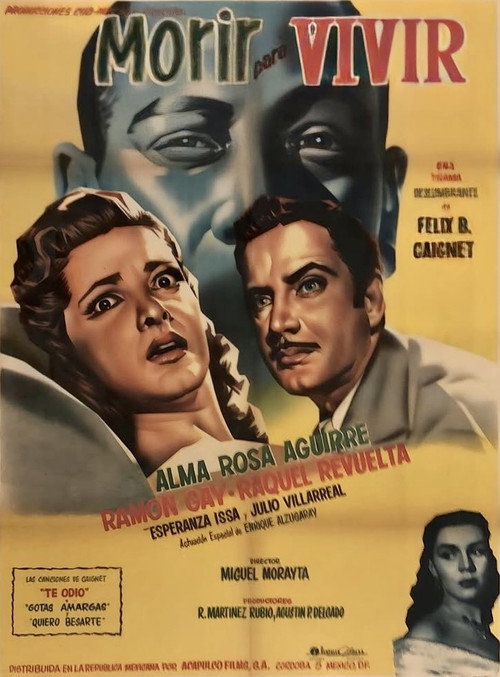
A voodoo warlock turns a girl into a zombie, by the orders of her stepmother, so she can continue her affair with the girl's boyfriend.
Sonia, a school teacher, is excited about her new post in the Cuban beach town of Caibarien since her childhood friend Guillermo lives there. However she finds Guillermo a tormented soul and evil lurks in town.
Unethical industrialist gets taken down by a combination of forces including labor activists and a kill-crazy tribal Indian.
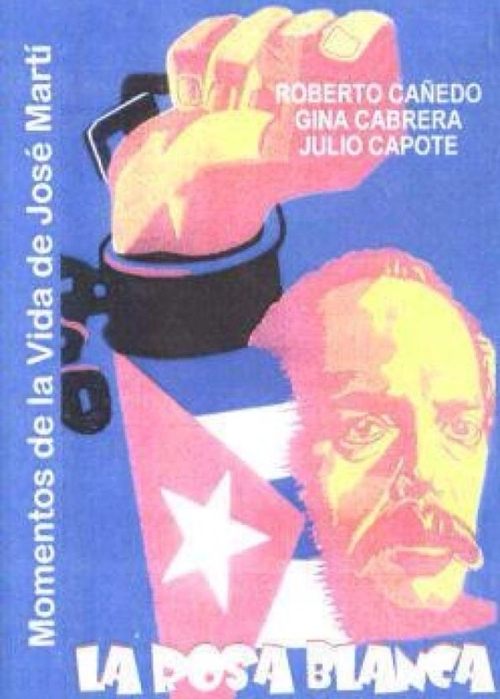
For the centenary of Cuban patriot Jose Marti, the 1950s pre-Castro dictator Batista collected funds for an official film commemoration and hired renowned director Fernandez from Mexico to erect this memorial work.
Featured in a musical environment possible light anywhere in the world, adapted to a Cuban city makes good use of music. The argument is based on the desires and efforts of middle-income families, to hold a quinceanera at a level greater than that permitted by the economic status of a family.