Directing
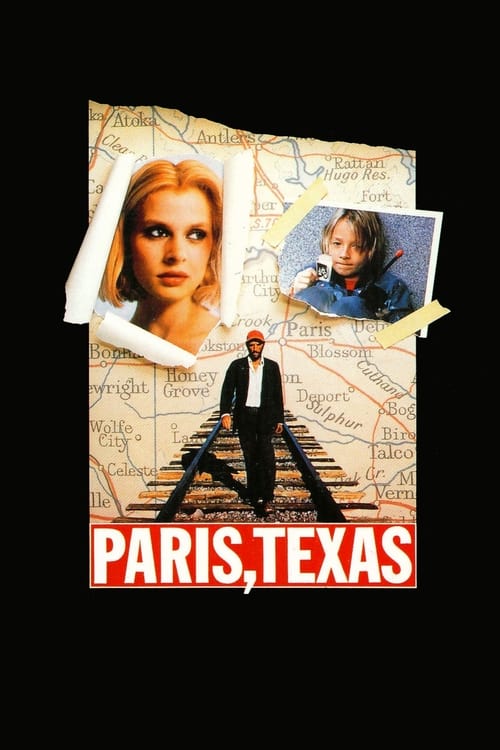
A man wanders out of the desert not knowing who he is. His brother finds him, and helps to pull his memory back of the life he led before he walked out on his family and disappeared four years earlier.
A worldly French teen is determined to escape from her current situation for a better life.
This documentary examines the life and work of the late fashion designer Yves Saint-Laurent, recounting how a frail prodigy prone to bouts of depression became an icon of the fashion world. Initially appointed head of the House of Dior in 1957 before growing into a globally recognized designer in his own right, Saint-Laurent overcomes his struggles with substance abuse, accumulating a large art collection alongside his lifelong personal and professional partner, Pierre Bergé.
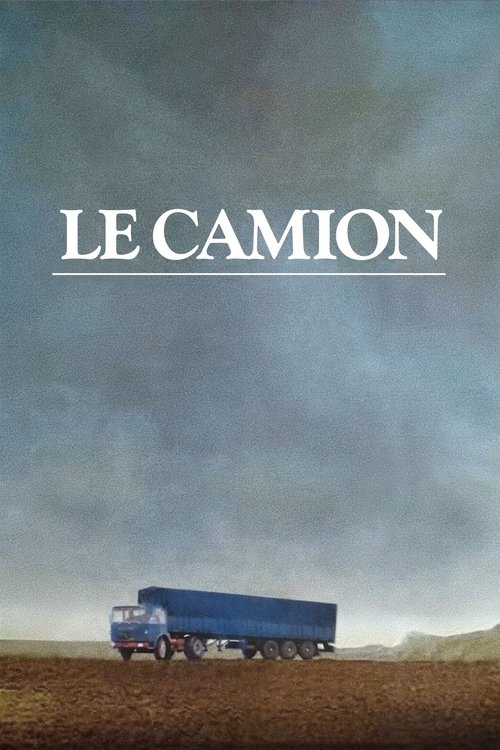
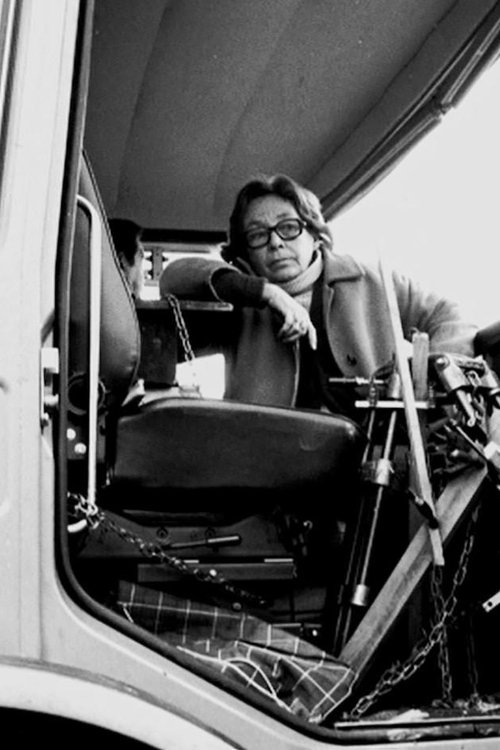
In this most talky and personal of films, director Marguerite Duras and actor Gerard Depardieu do an on-camera read-through of a movie script. Occasionally, the director comments about the characters or their motivations, and sometimes the actor does. That's all -- there is no action, there are no location shots, no one pretends to be anything else. The script itself tells about an encounter between a blank-slate of a woman hitchhiker, and a communist truck driver. As the reading progresses, Duras comments bitterly about the failed ideals of communism and the glorious revolution that will probably never happen.
An unflinching, fragmentary look at a handful of self-destructive, marginalized people, but taking as main focus the heroin-addicted Vanda Duarte.
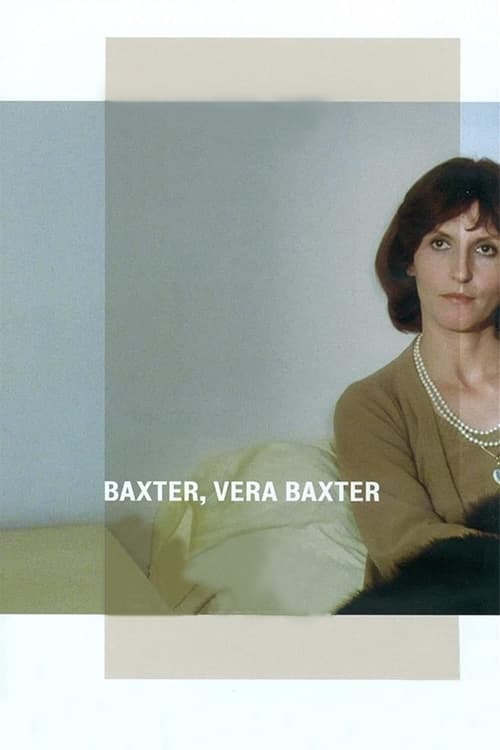
In an empty villa, Vera Baxter sits and contemplates her life, as she recounts to a woman who was drawn to the villa when she heard the name Vera Baxter pronounced. Vera tells her about her no-good husband, who has been using her to keep his failing business afloat, up to her present love affair.
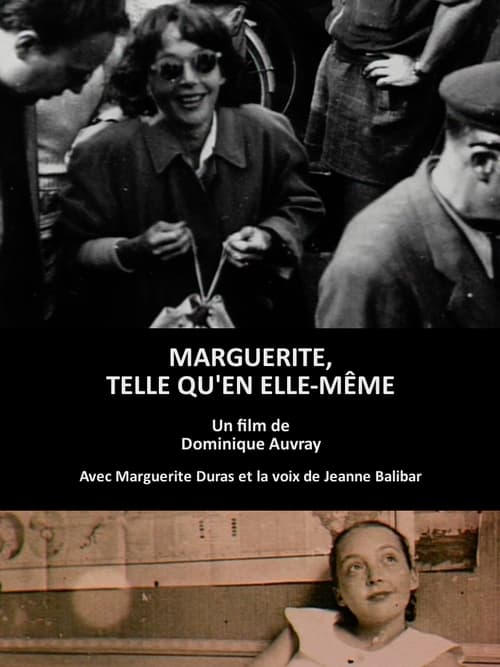
On June 3, 1991, Marguerite Duras gave me her last published work, "The North China Lover", autographed for the first time. She wrote: "For my friend Dominique Auvray, in memory of a wonder of wonders: a still recent past, when we worked together in the cinema". This is a portrait of her as she was cheerful and serious, authentic and provocative, considerate and categorical, but first and foremost young and free.
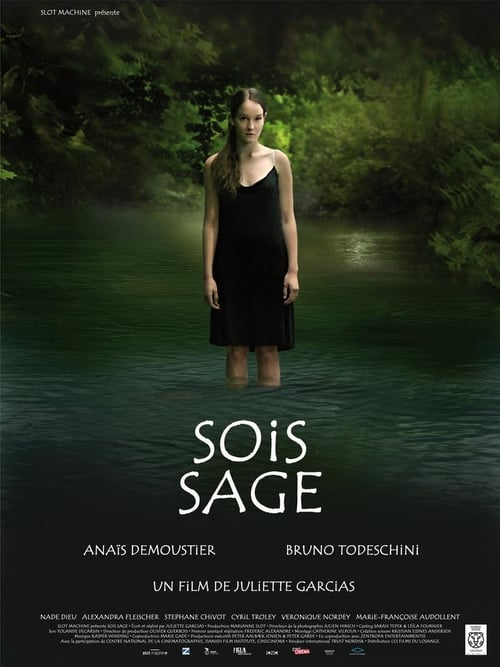
A girl on the verge of maturity tells her family and friends in the French countryside so many lies about her hidden relationships that they can hardly be called 'white lies' anymore. It gradually becomes clear what secret she's bearing with her.
Documentary on famous writer Marguerite Duras and her paradoxical relation to the seventh art by her former film editor.
A French couple has been living in Lisbon for years, and they return to Paris for a friend's wedding. They announce to another friend they are having dinner with that they are going to split.
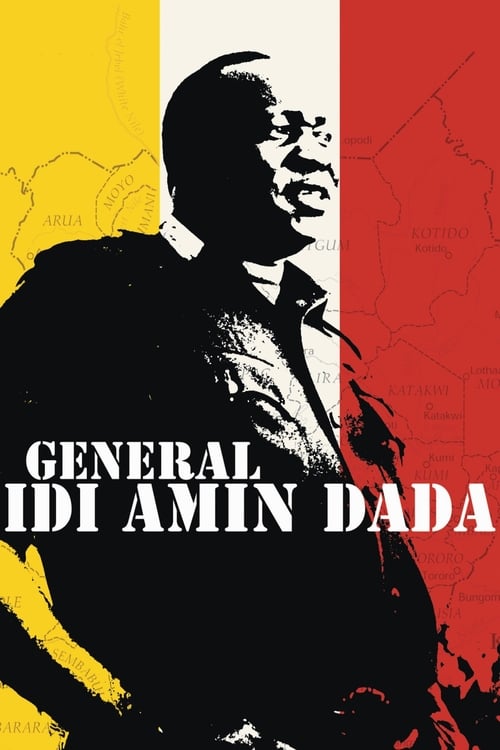
Filmmaker Barbet Schroeder shows the Ugandan dictator meeting his Cabinet, reviewing his troops, explaining his ideology.
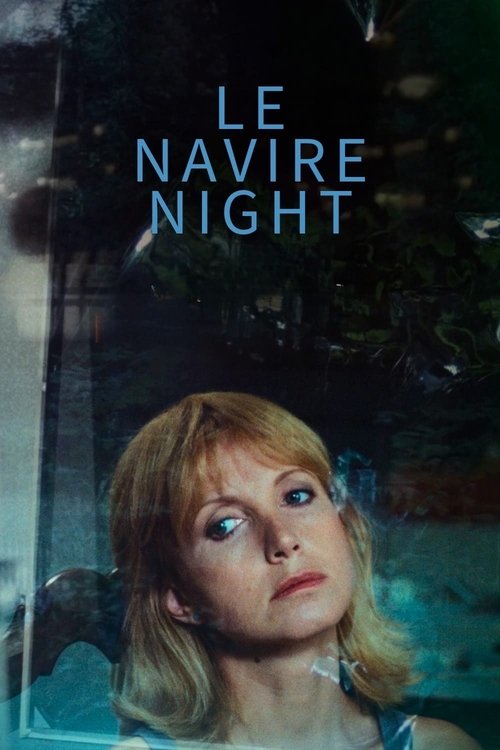
Le Navire Night is a story of love and desire sustained and nourished through sound waves. The film’s voice-over tells the story of a woman, terminally ill with leukemia, living in isolation at her wealthy father's villa, and a man working night shifts at a telephone company. They have never met in person.
A filmmaker and his crew try to enter the passionate world of Port-Royal and of Jansenism. Another Age of Louis XIV comes to life, the age of Pascal, Racine and of the “Friends of Truth”. The film itself comes up against the unanswerable question of grace.
Probably no one in the public listening to the orchestra's rendition of Ravel's Bolero notices him but the drummer is a regular hero. For, although his mind is assailed by loads of unsettling thoughts and worries, he tries to keep the rhythm at any cost. He knows all too well that he falls out of time only once all the magic of the piece will vanish.
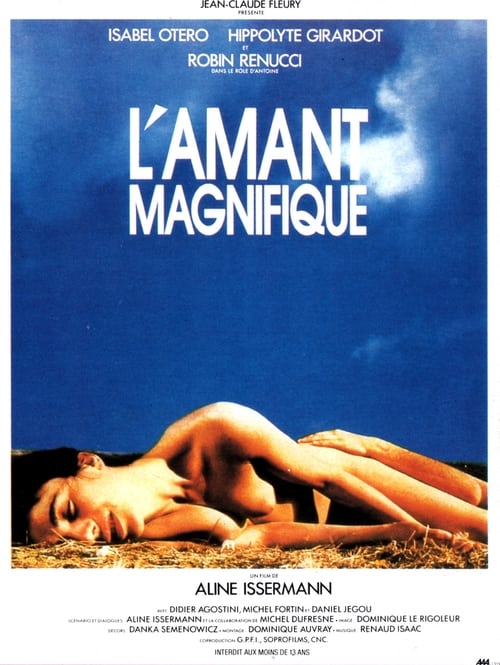
Antoine and Viviane manage an equestrian exploitation on a wild plateau. Viviane, overcome with boredom, finds life and passion in the arms of Vincent, a solitary groom.
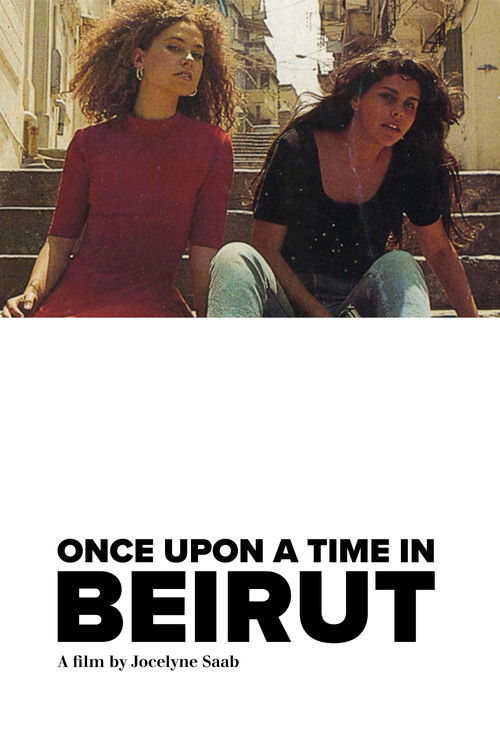
Two young girls of the war generation, Yasmin and Leila, are in search of Beirut. When they meet an elderly film enthusiast with a secret store of Lebanese films, they persuade him to screen his collection for them. So begins an initiation into the myths and images of Beirut, but the girls want cold figures and facts, war babies indifferent to the memories evoked.
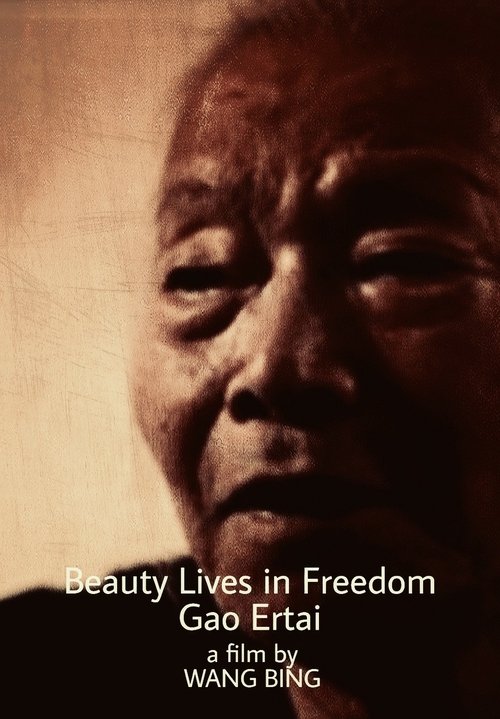
Gao Ertai (1931) is an artist, teacher, philosopher who, in the 1950s, was imprisoned in the Jiabiangou Labour Camp. The film works as a diptych with Fengming, the confessional story of another victim of reprisals, and closes a vast film series on those who disappeared.
A couple travels to Italy. During their trip, the state of their relationship becomes clear to them: They argue, take different paths and wonder whether to divorce. Vincent Dieutre has remade Viaggio in Italia and adapted it to his own life. Alex and Kate have become Alex and Tom, played by Vincent himself and his partner Simon. This new couple goes to the same places, experiences similar things, but their time in Naples is inevitably not the same. The city has changed, as has the nature of relationships, tourism has become more digital. As the two become increasingly alienated, Vincent the filmmaker moves through the city with his camera. He talks about how Rossellini’s film shaped him. We hear his thoughts about a remake, notes to himself, his discussions with a copyright lawyer. In Vincent and Simon’s world, much like that of Tom and Alex, the procession of the final scene gives way to a football match. What was still sacred back then becomes a riot here.
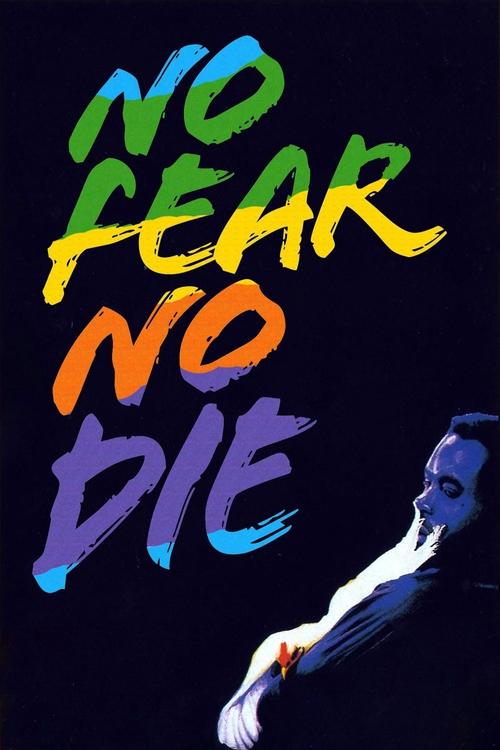
Dah and Jocelyn come from former French colonies to coach their rooster, "S'en fout la mort", for an illicit cock-fight in the basement of a restaurant.
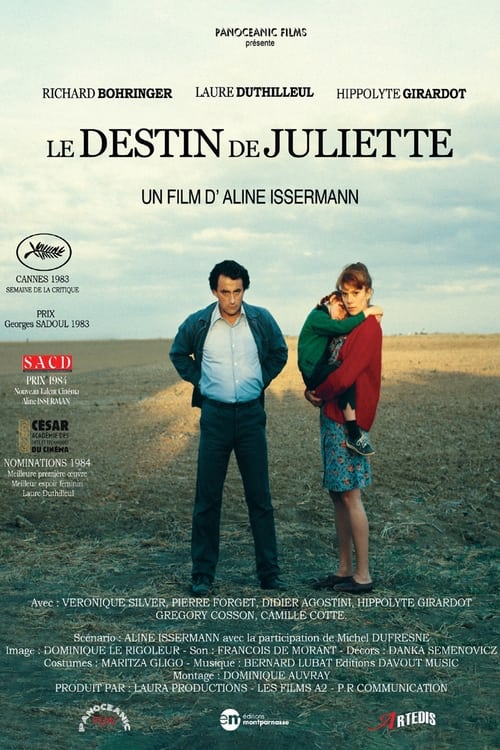
Juliette is a young woman who has grown up on a farm that is now under economic siege. In order to save her farm and her family, Juliette is forced into a marriage of convenience with Marcel , a morose and laconic railway worker whom she does not even know. Now that her own life is permanently changed, her sacrifice does not ultimately help her family and with that sorrow added to her lonely existence, she is trapped into remaining married because of social pressures and soon enough, the birth of a child. There must surely be a way out for her at some point, but when and how that will happen seems completely up to fate alone.