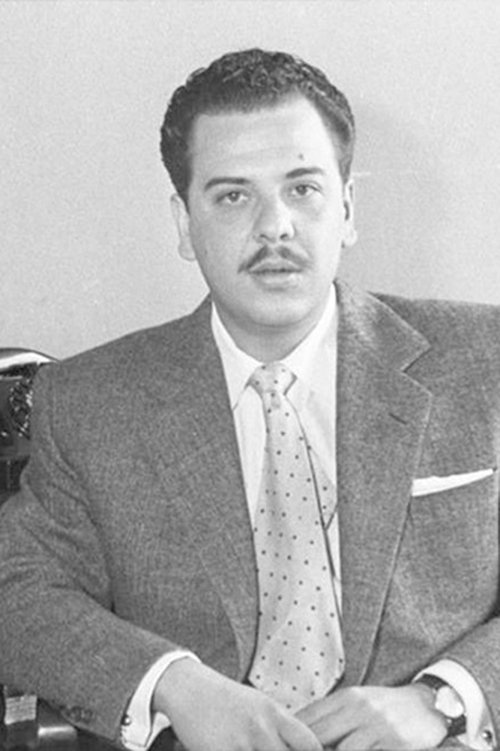
Manuel Barbachano Ponce
Production
Biography
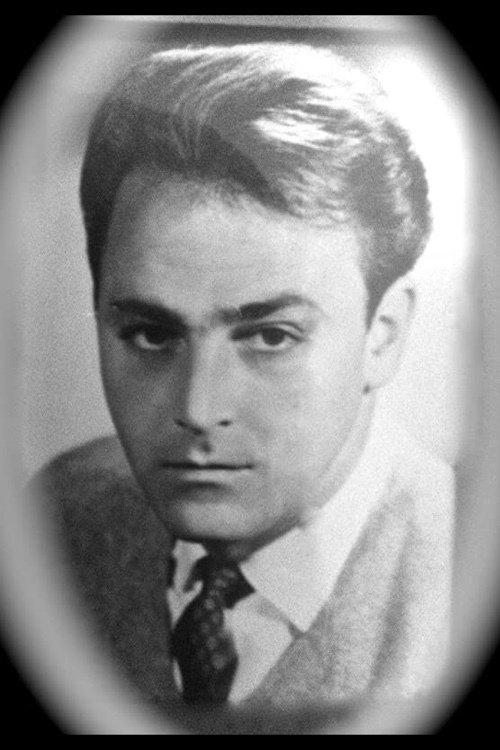
Manuel Barbachano Ponce (4 April 1925 – 29 October 1994) was a Mexican film producer, director, and screenwriter associated with the development of independent and culturally oriented production in Mexico. He produced key mid-century titles including Raíces—entered into the 1955 Cannes Film Festival—and the documentary Torero!, which received a special citation at the Venice Film Festival. He also produced internationally recognized features such as Nazarín (directed by Luis Buñuel) and later films including María de mi corazón, Doña Herlinda y su hijo, Frida, naturaleza viva, and Tequila. As a director, he made popular comedy features such as Chistelandia and its sequels, and he participated in the 1965 anthology Amor, amor, amor, a project linked to the First Experimental Film Contest and shaped by adaptations of contemporary Mexican literature.
Known For

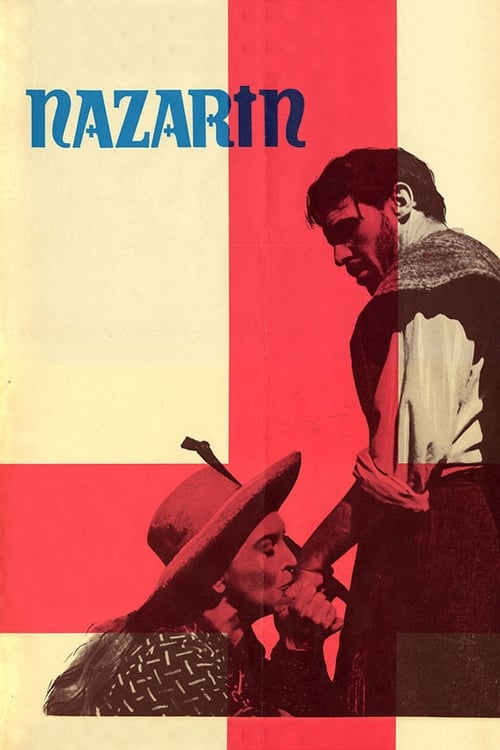
A Catholic priest in a poor community lives a charitable life in accordance with his religious principles, but others do not return the favor.
Nazarín

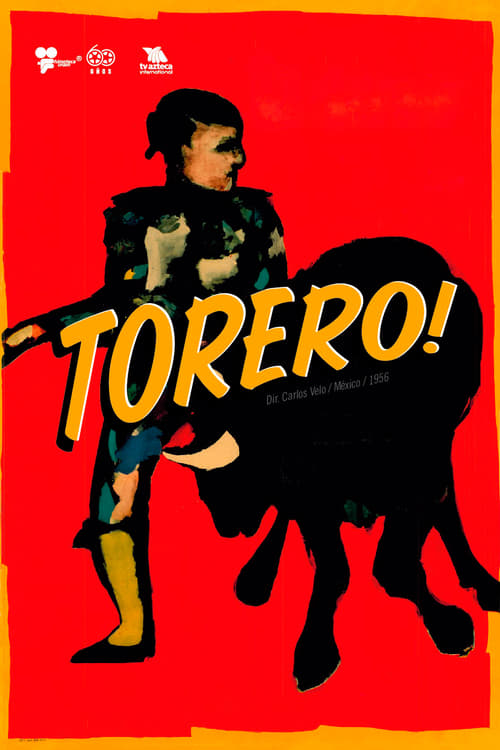
The life of the famed Mexican bullfighter Luis Procuna, from his boyhood through his training and the triumphs that followed as Procuna rose to the peak of his profession. Written by Jim Beaver
Torero!

A young man completing an assignment for his film class invites Marieda, a middle-aged woman, over to his aunt's house to rehearse for a drama she believes they will eventually record. But she doesn't realize that she is being videotaped since her arrival.
Forbidden Homework

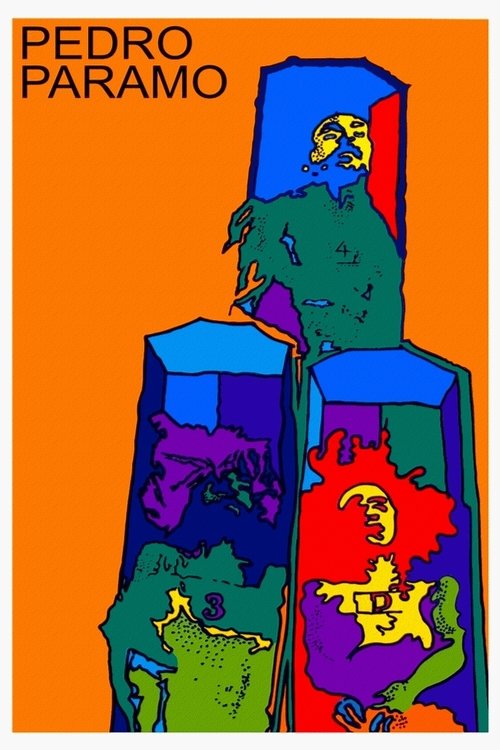
When his mother Dolores dies, Juan Preciado, son of Pedro Páramo, goes to Comala to claim his inheritance; but when he arrives he finds an abandoned and sinister place, inhabited by mysterious voices and whispers…
Pedro Paramo

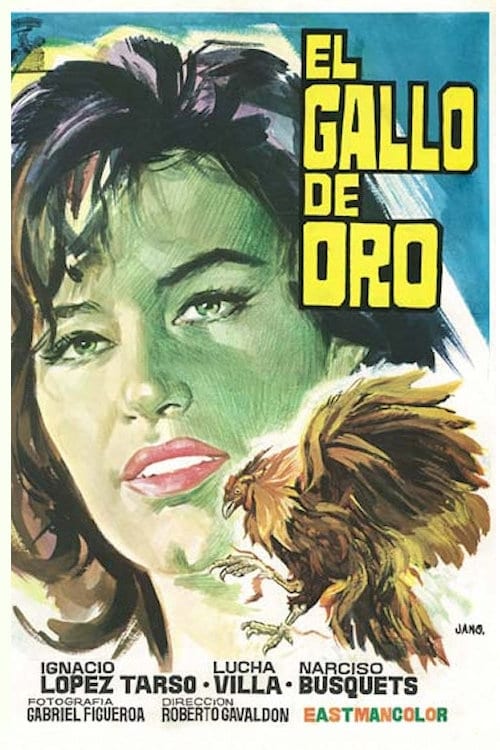
A poor, but very lucky man in the cock fighting business, is hired by a rich man, but both are in love with the same woman.
The Golden Cockerel

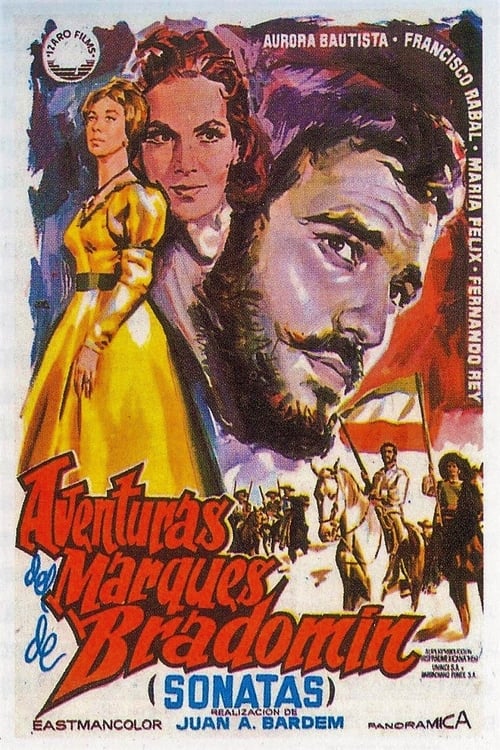
In the fall of 1824 Javier Montenegro, Bradomin Marquis is spared death hanging by Captain Casares, and in return, the Marquis agrees to help him escape to America. Adaptation of "Sonata de Otoño" and "Sonata de Estío" of Ramón María del Valle-Inclan, which included elements Bardem later works of the author.
Sonatas

A manipulative mama deftly manages the life of her homosexual son so that he can have his cake and eat it too. A woman of means, she does this by allowing her son, a doctor, to tryst in her home with his lover. Putting her son's happiness above all else, she then arranges a marriage of convenience to a woman.
Doña Herlinda and Her Son

Nearly thirty years after making his surrealist La Formula Secreta, director Rubén Gámez returned to filmmaking with this impressionistic portrait of modern-day Mexico. Reminiscent in some ways of Godfrey Reggio’s Koyaanisqatsi, Tequila appears to be a cinematic extension of Mexico’s muralist tradition, a contemporary equivalent of Diego Rivera or David Alfaro Siqueiros with vignettes, quick ideas, visual puns, cartoons, and political statements.
Tequila

A documentary covering the years Luis Buñuel spent in Mexico making films.
A Mexican Buñuel

While Mexico swims in the oil veins that were deeded to him by the Devil, a bureaucrat is thrown into a whirlwind of intrigue and international espionage where he discovers that the guts of the beast in charge are one and the same, and the evacuation conduit itself. : We are the shit of that monster. At the same time, a man and a woman discover that behind their passion there is a dark reality that drives them to disguise as action what is only hunger, suffering, desire.
Complot Petróleo: La cabeza de la hidra

Four independent stories based on writer Francisco Rojas Gonzáles's work, depicting the reality of Mexican indian people: Las Vacas (The Cow), Nuestra Señora (Our Lady), El Tuerto (One-Eyed) and La Potranca (The Filly). In El Tuerto, a one eyed boy is relentlessly bullied by his mates. His religious mother asks God to make the boy's eyes equal. The outcome is tragic.
Roots

This film is a chronicle of painter Frida Kahlo, and her encounter with the personalities of her time. Despite being confied to a wheelchair as a result of polio, operations and amputations, she faces and traces some of the most colorful and controversial aspects of Mexican history, during the dominant time of Mexican muralism.
Frida Still Life

Luisa returns to her village, where she cares for her uncle on his deathbed, who tells her the story of his life with a hidden purpose.
The Shunammite
Two stories: 'Tajimara' the platonic love of a couple; and 'Un Alma Pura' (A Pure Soul) about the incestuous love of some siblings.
The Beloved Ones

Rich woman and her maid start answering penpal ads in a lonelyhearts magazine, just for giggles, but...
Confidencias

Victor and Elena are newlyweds and lead a busy social life. While Victor is cultured and quiet, Elena is beautiful, brilliant and restless, constantly criticized by her mother, also named Elena, who is very refined, correct and bourgeois. The three of them will be involved in a rather ambiguous and at the same time terribly moving moment in their lives.
The Two Elenas

Sketch comedy and blackout gags -- format like Laugh-In. Number two in a series.
Nueva Chistelandia

Four stories: The encounter between a soldier and a widow in a cemetery. A woman arrives as a maid in an unknown city where she discovers love. Another woman is tasked with caring for her lecherous uncle on his deathbed. A young man gets into trouble with his girlfriend's family when she suggests opening up their relationship.
Love Love Love

In a indeterminate future, Mexico would be a part of USA. In this context, the protagonist live under political and sexual repression.
Clandestine Destiny
Short-attention-span sketch comedy and black-out gags, assembled into a movie. Structured like TV show "Laugh-In". First of three in series.