Acting
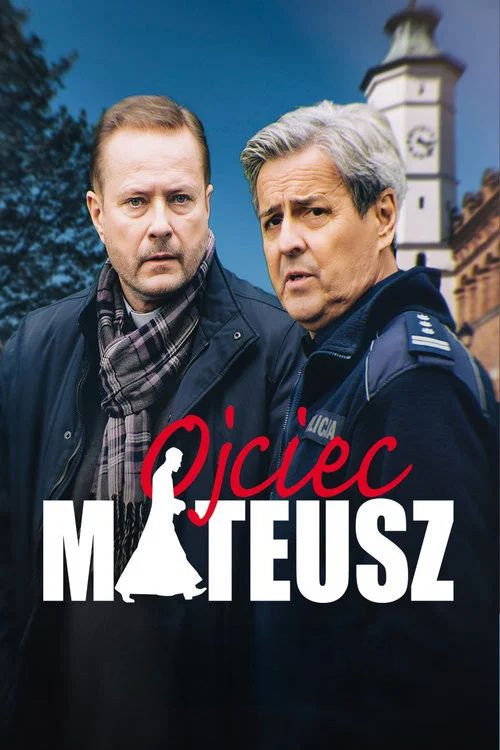
Father Matthew is about the adventures of a Roman Catholic priest who, after returning from a mission to Belarus, is sent to work in a small parish. As a pastor, together with a friendly policeman, he solves mysteries and gives help to his parishioners, as well as all those who are in need.
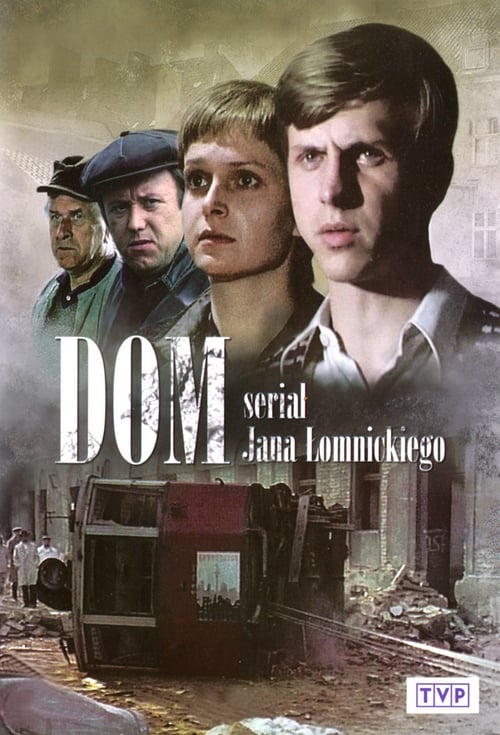
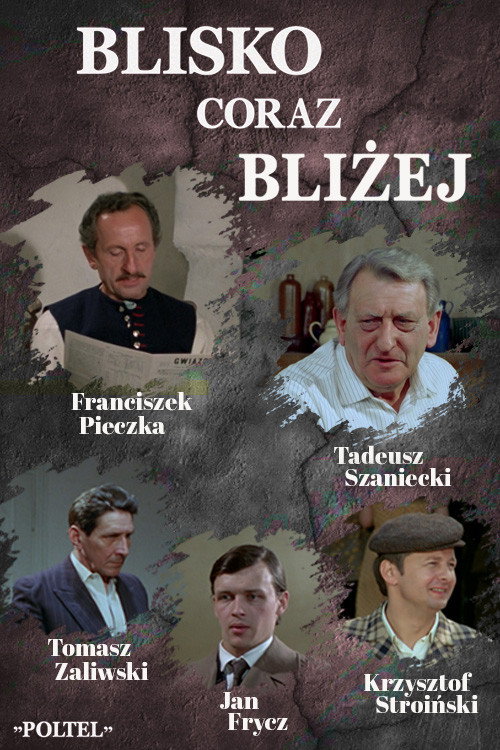
The story of the residents of a tenement house on Złota Street in Warsaw from 1945 to 1980.
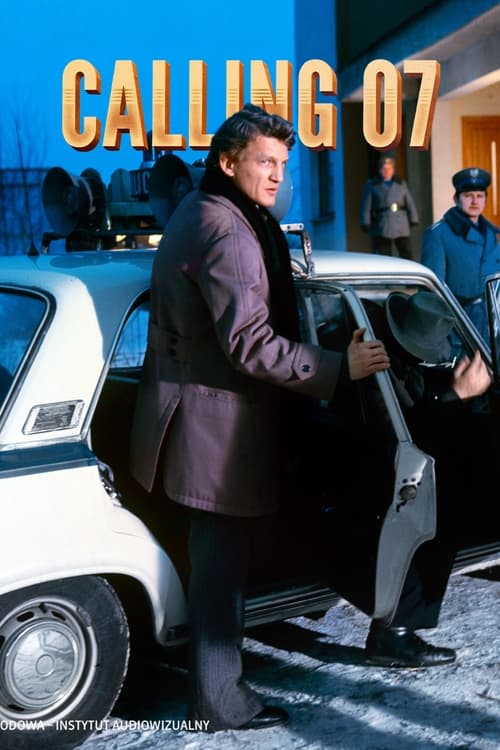
The series centres around the investigations of Police Lieutenant Sławomir Borewicz. Each episode features a different case being solved by Borewicz.
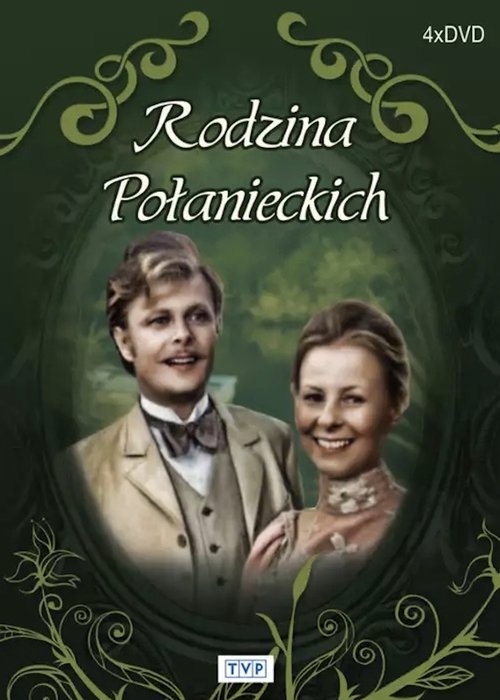
The love story of Stanisław Połaniecki and the beautiful Marynia Pławicka, set against the backdrop of late 19th-century manor houses and Warsaw.
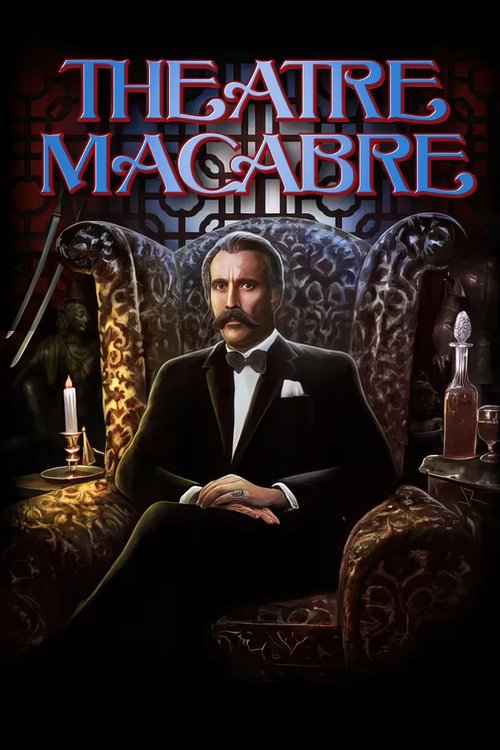
Horror legend Christopher Lee hosts this anthology in the tradition of Alfred Hitchcock Presents, each half-hour episode adapting a story from a classic author, with tales by Edgar Allen Poe, Fyodor Dostoevsky, Ambrose Bierce, Robert Louis Stevenson, and Oscar Wilde.
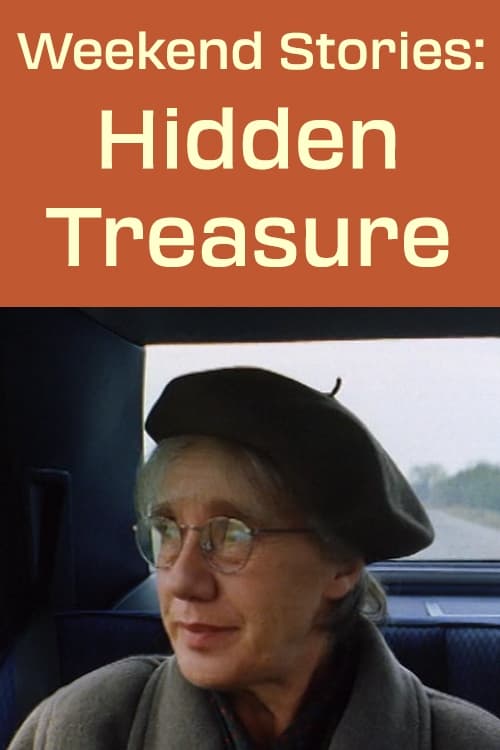
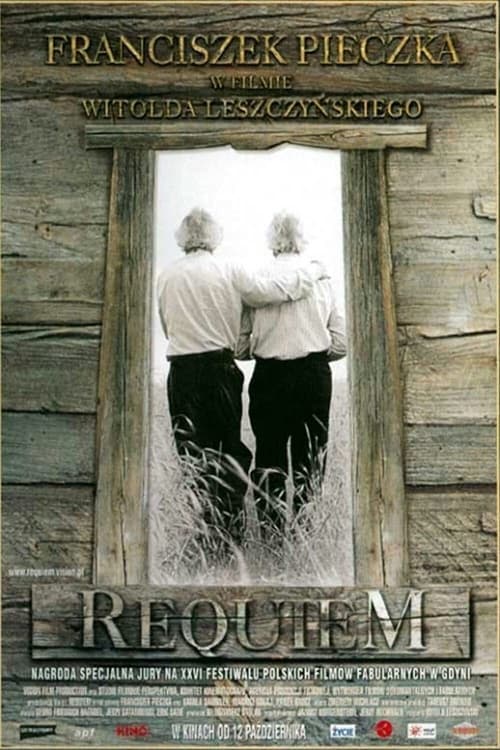
Rose, an older woman living in Paris was born in Poland as a daughter of an aristocratic family. Her family house is now an impoverished home for the elderly.
The story of Stanisław Wokulski, a wealthy merchant who falls in love with a haughty aristocrat, Izabela Łęcka. Causing a misalliance in the late nineteenth century Warsaw. Young Wokulski is forced to work as a waiter, while dreaming of a life in science. After taking part in the failed uprising, he is sentenced to exile in Siberia. Upon return to Warsaw, he becomes a salesman. Marrying the late shop owner's widow, he becomes rich, He uses his money set up a partnership with a Russian merchant, met in the exile. The two makes a fortune supplying the Russian army. Wokulski falls in love with Izabela, daughter of the bankrupt aristocrat. In his quest to win her, he ventures theatres and aristocratic salons. To help her financially distressed father, he founds a company with the aristocrats as shareholders. Wokulski ability to make money is respected, but his lack of social rank is often brought. Izabela eventually accepts his affection, but without true devotion or love.
The story stretches from 1863 to 1945. Its main characters are representatives of the Pasternik family, who live in the fictional village of Wielowice near Pszczyna. The protagonist of the first three episodes is Franciszek Pasternik, the following parts tell about the fate of his many children and even more grandchildren. The viewer follows their history against the backdrop of great changes and historical events that influenced the lives of Silesian Poles. So there is the Kulturkampf, Prussian rugi, the revolution of 1905, World War I and the Silesian Uprisings.
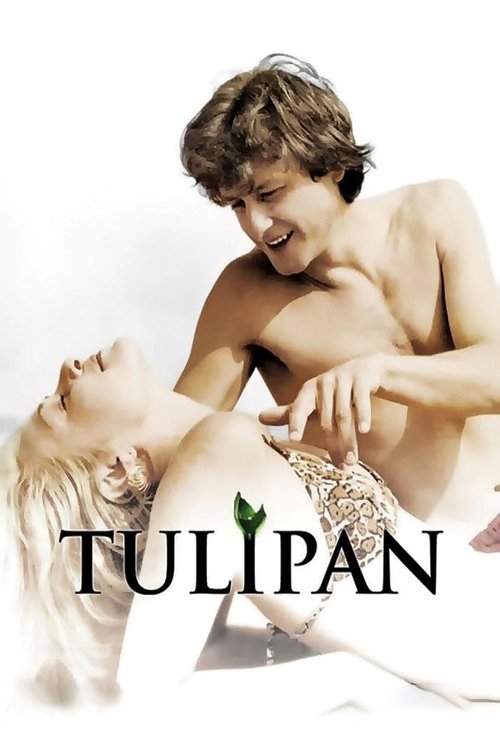
Michał, a mature man and father, is full of bitterness, regret, and longing for unfulfilled youthful dreams of true love. He reminisces about all his past lovers. With his first, Asia, he went on a seaside camping trip. He was 19 at the time, and she was two years younger. Despite his unambiguous advances, the girl resisted for a long time. Eventually, however, she gave in. For Michał, it was the proverbial pebble that caused an avalanche.
No description available.
Bartłomiej, community elder and orator, must choose an appropriate successor, but finds difficulty in the aftermath of a local girl's tragic hit-and-run death. A community's pain reverberates through fractured relationships and the burden of funereal responsibility.
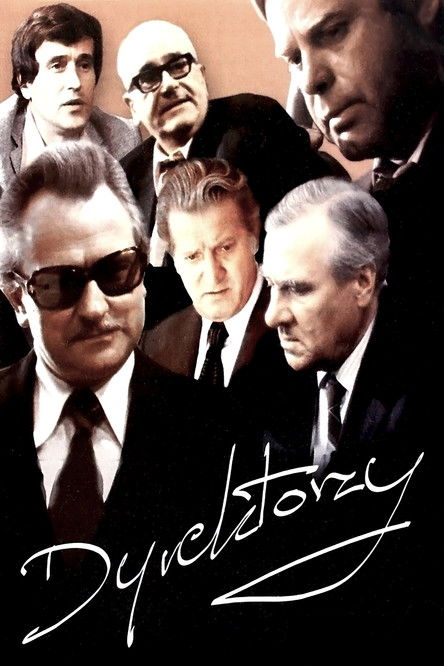
1957. Excessively high production standards imposed by the authorities result in the plan not being fulfilled, and the workers cannot imagine living normally without rewards and bonuses. A rebellion breaks out. Worker democracy wins – the working class elects a director from among its own ranks. He is an old locksmith with no managerial experience. Although he believes in the socialist spirit and has a communist past, he does not hold the position for long, as he makes promises too easily that he is unable to keep.
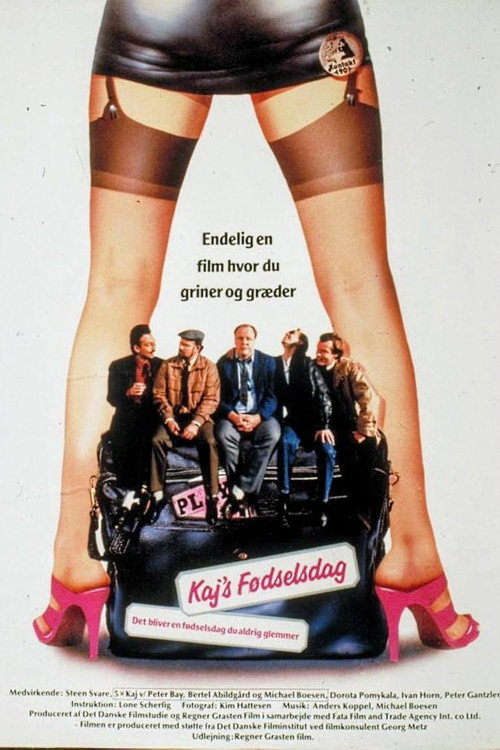
When the hot-dog vendor Kaj from the small town of Skælskør in Denmark turns 40, his friends take him on a trip to Poland, to a long party with cheap liquor and emigration eager polish ladies. It will go merrily, but it gets serious for Kaj as he meets a girl who mistakes him for a wealthy Toyota dealer she has exchanged letters with.
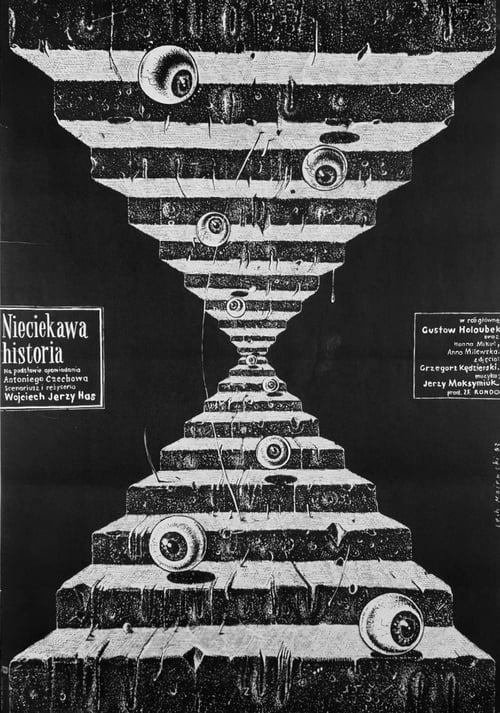
A well-known professor of medicine finding himself at the threshold of autumn of his life, takes stock of his achievements and experiences. "In the end it ends with what has been known for a long time: that conscious life without a fixed worldview is not life, but torment, horror. - wrote Anton Chekhov in one of his letters summarizing "An Uninteresting Story". The protagonist, Professor Nikolai Stepanovich, is a character characteristic of Chekhov's entire oeuvre - a Russian intellectual from the late nineteenth century, depressed by boredom and a sense of his own uselessness and the meaninglessness of his existence.
Józef comes to his hometown on the anniversary of the murder of his father - a peasant activist, and explores the circumstances of his death.
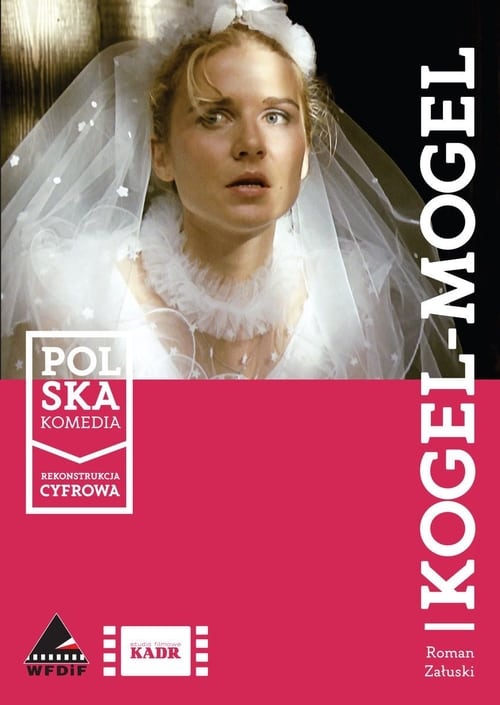
Following the emotions associated with entrance examinations to the faculty of pedagogy, Catherine Solska returns to his native village. And here she will surprise - the family without their knowledge to begin preparations for engagement with a rich neighbor Kolasa. Girl falls into despair, tries to oppose the decision of the parents, but is closed in his room. On visits to her fiance and flees out the window calling mail to the university. Receives misleading information and is convinced that was not accepted to college. Resigned returns home and agrees to the wedding. Meanwhile, on the eve of the wedding the postman brings the notice of acceptance to the university.
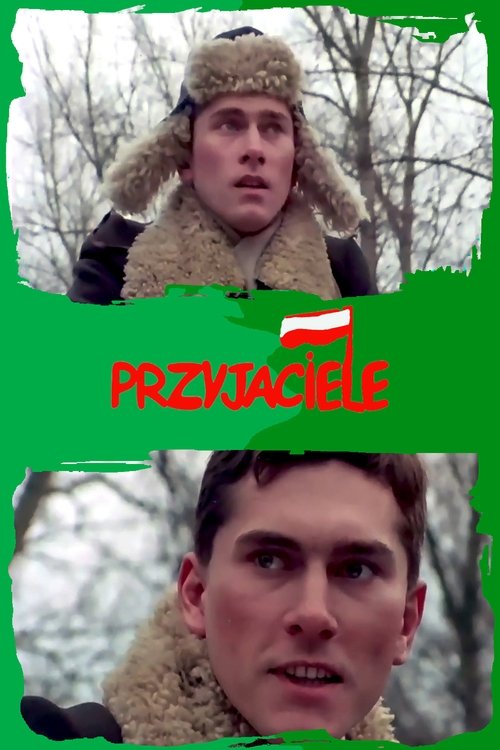
The action of the series takes place in the years from 1945 to 1956. The next parts present the fate of three friends - an intellectual, a worker, and a peasant - whose youth fell in the first years of post-war Poland. Despite different origins, different motivations, and their doubts, Kazimierz, Piotr, and Daniel engage in the activities of the Polish Youth Union, contributing to the foundations of the Polish People’s System. However, the friends face the resistance of society, duplicity, and the overzealousness of party comrades, and finally, their own disappointment.
Series based on the stories of Jarosław Iwaszkiewicz “Młyn nad Utrata” (1936), “Młyn nad Lutyniu” (1946) and “Młyn nad Kamienna” (1950). The action of the miniseries takes place from 1928 to the 1950s.
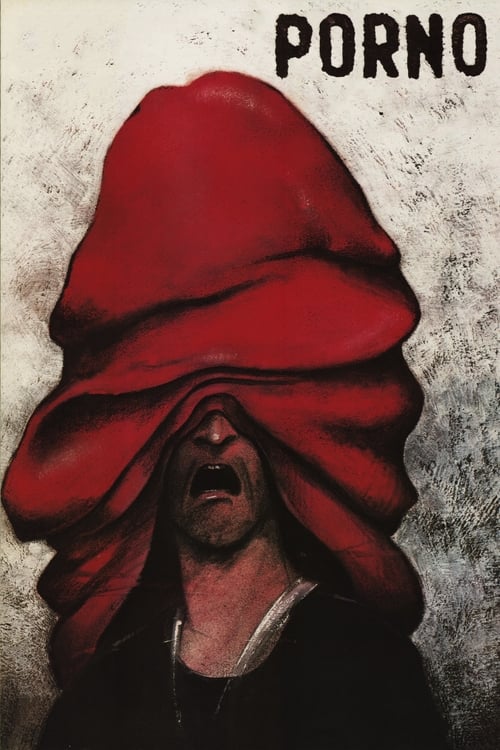
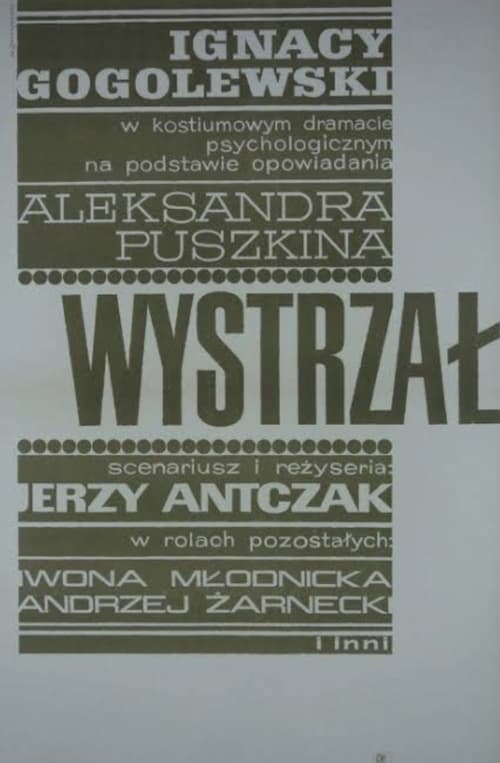
Study of a man obsessively seeking revenge.