Ethel Waters
Acting
Biography
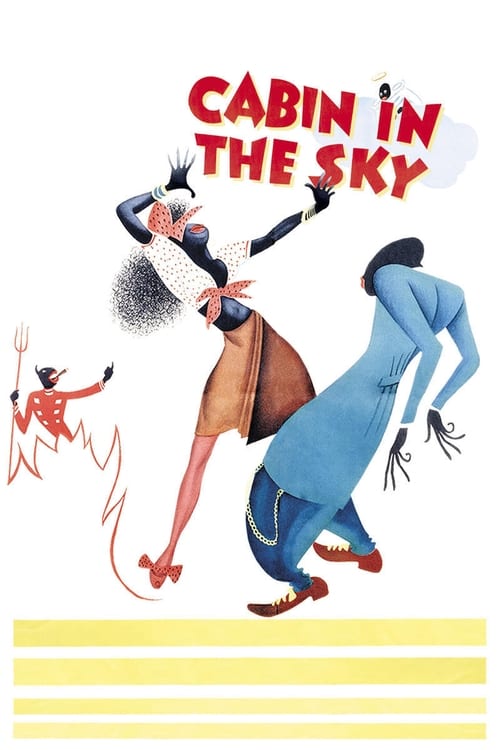
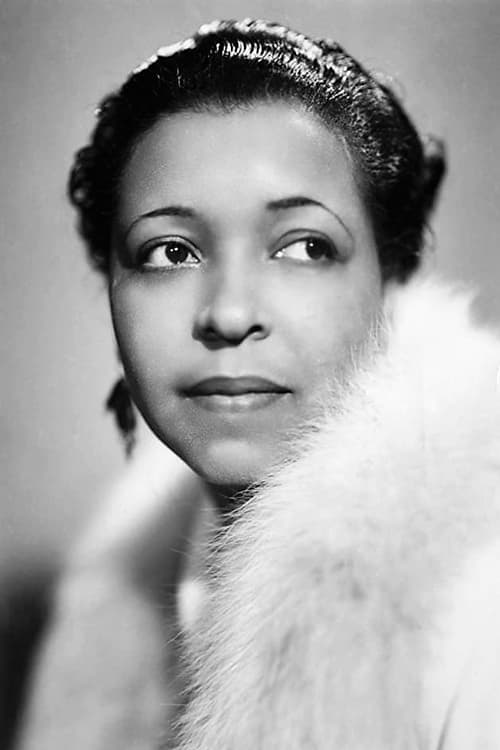
Ethel Waters (October 31, 1896 – September 1, 1977) was an American blues, jazz and gospel vocalist and actress. She frequently performed jazz, big band, and pop music, on the Broadway stage and in concerts, although she began her career in the 1920s singing blues. Her best-known recordings includes, "Dinah", "Birmingham Bertha", "Stormy Weather" "Hottentot Potentate", and "Cabin in the Sky", as well as her version of the spiritual, "His Eye Is on the Sparrow". Waters was the second African American to be nominated for an Academy Award. Description above from the Wikipedia article Ethel Waters, licensed under CC-BY-SA, full list of contributors on Wikipedia.
Known For

The Mike Douglas Show is an American daytime television talk show hosted by Mike Douglas that originally aired only in the Cleveland area during much of its first two years on the air. It then went into syndication in 1963 and remained on television until 1982. It was distributed by Westinghouse Broadcasting and for much of its run, originated from studios of two of the company's TV stations in Cleveland and Philadelphia.
The Mike Douglas Show

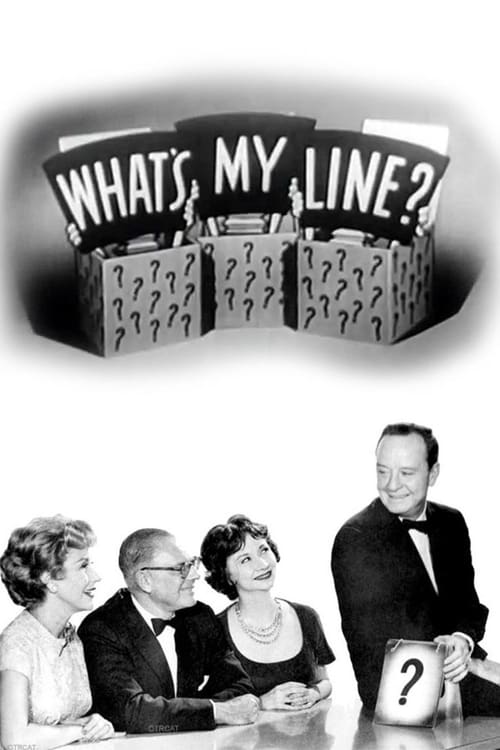
Four panelists must determine guests' occupations - and, in the case of famous guests, while blindfolded, their identity - by asking only "yes" or "no" questions.
What's My Line?

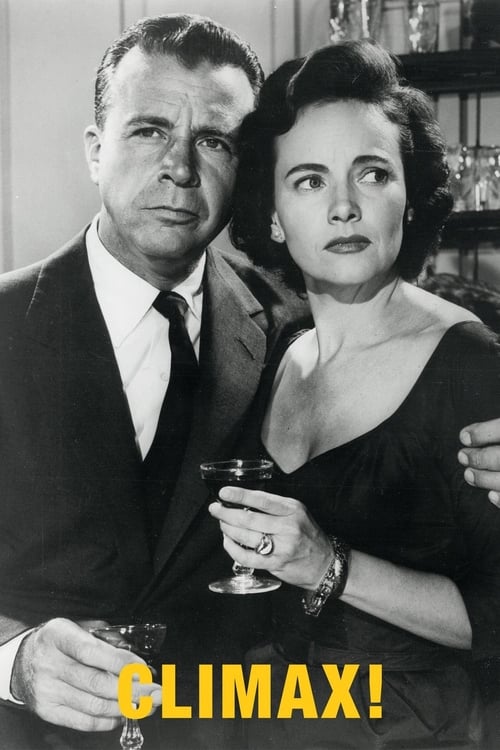
Climax! is an American anthology series that aired on CBS from 1954 to 1958. The series was hosted by William Lundigan and later co-hosted by Mary Costa. It was one of the few CBS programs of that era to be broadcast in color. Many of the episodes were performed and broadcast live.
Climax!

The Dick Cavett Show has been the title of several talk shows hosted by Dick Cavett on various television networks.
The Dick Cavett Show

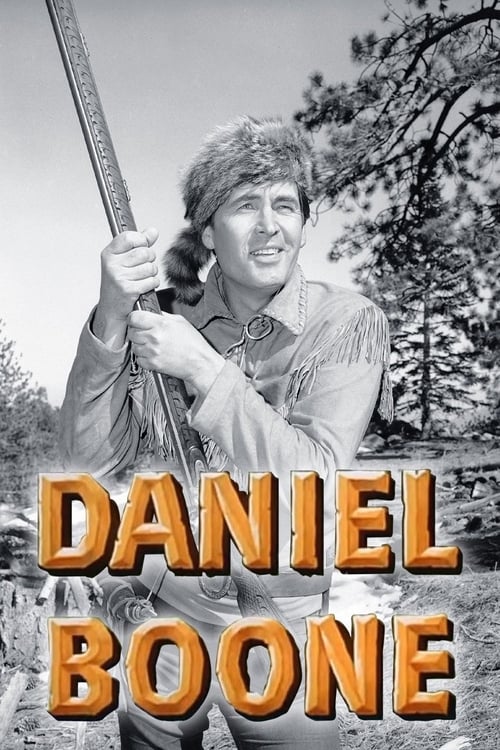
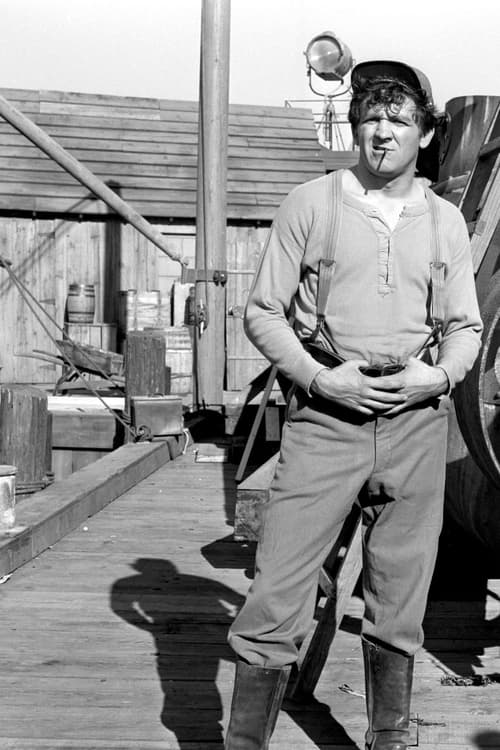
Daniel Boone is an American action-adventure television series starring Fess Parker as Daniel Boone that aired from September 24, 1964 to September 10, 1970 on NBC for 165 episodes, and was made by 20th Century Fox Television. Ed Ames co-starred as Mingo, Boone's Cherokee friend, for the first four seasons of the series. Albert Salmi portrayed Boone's companion Yadkin in season one only. Dallas McKennon portrayed innkeeper Cincinnatus. Country Western singer-actor Jimmy Dean was a featured actor as Josh Clements during the 1968–1970 seasons. Actor and former NFL football player Rosey Grier made regular appearances as Gabe Cooper in the 1969 to 1970 season. The show was broadcast "in living color" beginning in fall 1965, the second season, and was shot entirely in California and Kanab, Utah.
Daniel Boone

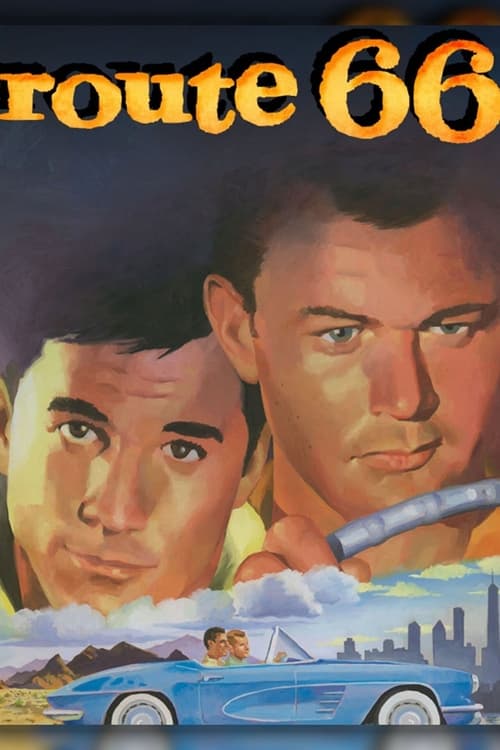
After discovering that his late father has gone through most of the family fortune, Tod Stiles hits the title trans-America highway in his Corvette in search of adventure with friend Buz Murdock, a survivor of New York's mean streets. The two work odd jobs as they meet and interact with colorful characters and find themselves plunged into one situation after another, some of them romantic, some of them very dangerous. Later, Linc Case, a Vietnam war hero trying to find himself, takes over as Tod's travel companion.
Route 66

The Ed Sullivan Show is an American TV variety show that originally ran on CBS from Sunday June 20, 1948 to Sunday June 6, 1971, and was hosted by New York entertainment columnist Ed Sullivan. It was replaced in September 1971 by the CBS Sunday Night Movie, which ran only one season and was eventually replaced by other shows. In 2002, The Ed Sullivan Show was ranked #15 on TV Guide's 50 Greatest TV Shows of All Time.
The Ed Sullivan Show

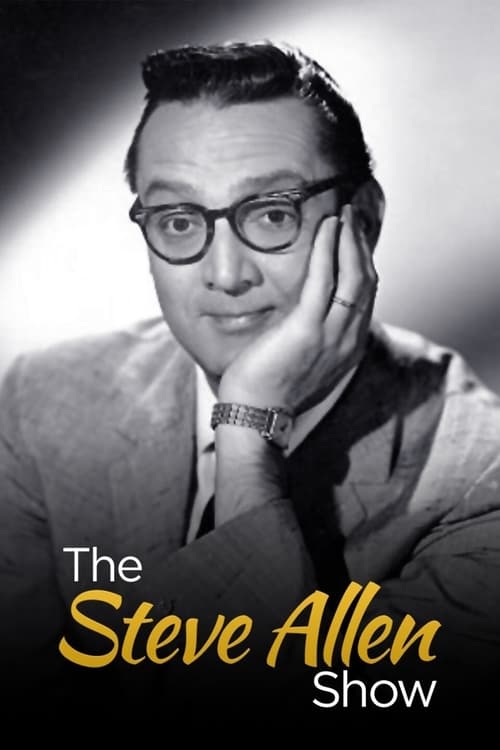
No description available.
The Steve Allen Show

The Hollywood Palace is an hour-long American television variety show that was broadcast weekly on ABC from January 4, 1964 to February 7, 1970. Originally titled The Saturday Night Hollywood Palace, it began as a mid-season replacement for The Jerry Lewis Show, another variety show which had lasted only three months. It was staged in Hollywood at the former Hollywood Playhouse on Vine Street, which was renamed The Hollywood Palace during the show's duration and is today known as Avalon Hollywood. A little-known starlet named Raquel Welch was cast during the first season as the "Billboard Girl", who placed the names of the acts on a placard.
The Hollywood Palace

The Great Adventure is a historical anthology series that appeared on CBS for the 1963-1964 television season. The series, narrated each week by Van Heflin, and featuring theme music by Richard Rodgers, presented a weekly one-hour dramatization of the lives of famous Americans and important historical events in American History.
The Great Adventure
No description available.
Playwrights '56
No description available.
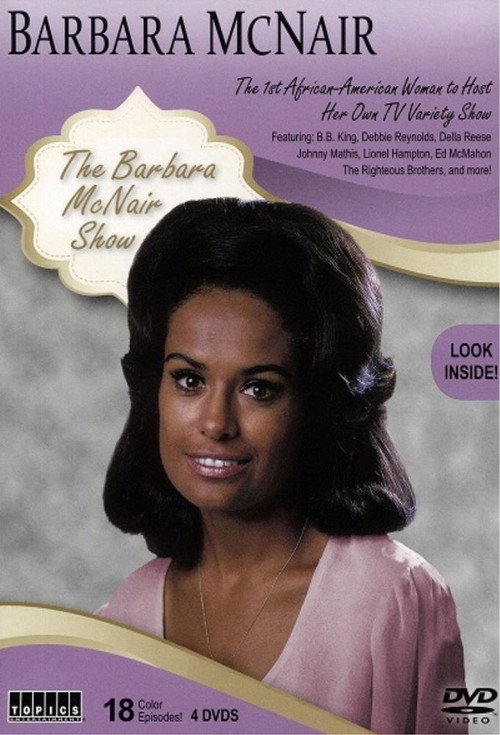
The Barbara McNair Show

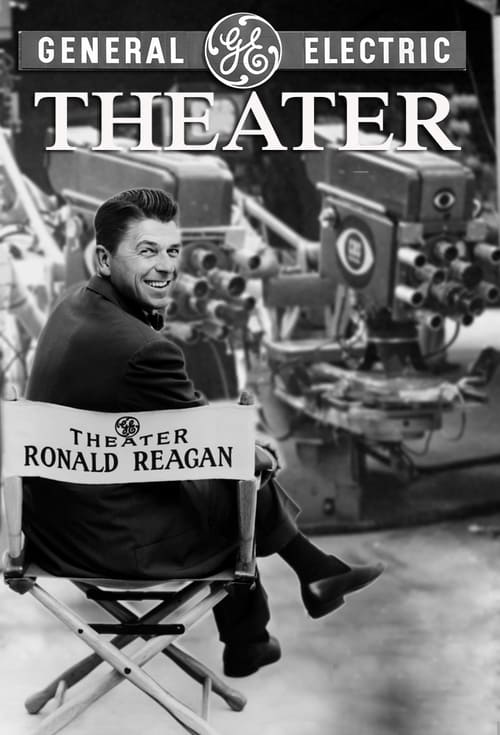
General Electric Theater is an American anthology series hosted by Ronald Reagan that was broadcast on CBS radio and television. The series was sponsored by General Electric's Department of Public Relations.
General Electric Theater
The Beulah Show is an American situation-comedy series that ran on CBS Radio from 1945 to 1954, and on ABC Television from 1950 to 1952. The show is notable for being the first sitcom to star an African American actress.
The Beulah Show
No description available.
The Pearl Bailey Show

Broadway: The Golden Age is the most important, ambitious and comprehensive film ever made about America's most celebrated indigenous art form. Award-winning filmmaker Rick McKay filmed over 100 of the greatest stars ever to work on Broadway or in Hollywood. He soon learned that great films can be restored, fine literature can be kept in print - but historic Broadway performances of the past are the most endangered. They leave only memories that, while more vivid, are more difficult to preserve. In their own words — and not a moment too soon — Broadway: The Golden Age tells the stories of our theatrical legends, how they came to New York, and how they created this legendary century in American theatre. This is the largest cast of legends ever in one film.
Broadway: The Golden Age, by the Legends Who Were There

Period music, film clips and newsreel footage combined into a visual exploration of the American entertainment industry during the Great Depression.
Brother, Can You Spare a Dime?

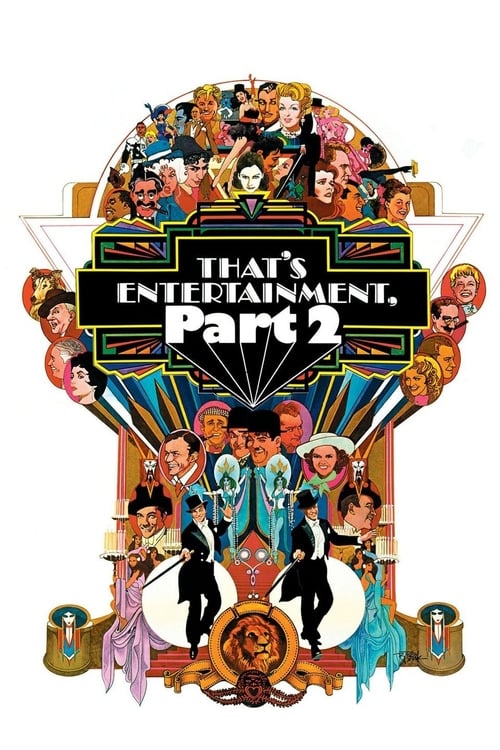
Gene Kelly and Fred Astaire present more golden moments from the MGM film library, this time including comedy and drama as well as classic musical numbers.
That's Entertainment, Part II

Pinky, a light skinned black woman, returns to her grandmother's house in the South after graduating from a Northern nursing school. Pinky tells her grandmother that she has been "passing" for white while at school in the North. In addition, she has fallen in love with a young white doctor, who knows nothing about her black heritage.
Pinky

The once-prominent Compson family of Jefferson, Miss., has been reduced to near-penury by generations of alcoholism and sin. Levelheaded Jason struggles to keep the family together, but his teenage stepsister, Quentin, chafes against his strictures. When Quentin's estranged mother reappears in town, and carnival worker Charles attempts to seduce the virginal teen, the family may finally be headed for complete collapse.