FEEL IT.STREAM
Francisco Regueiro

Francisco Regueiro

Directing

Biography

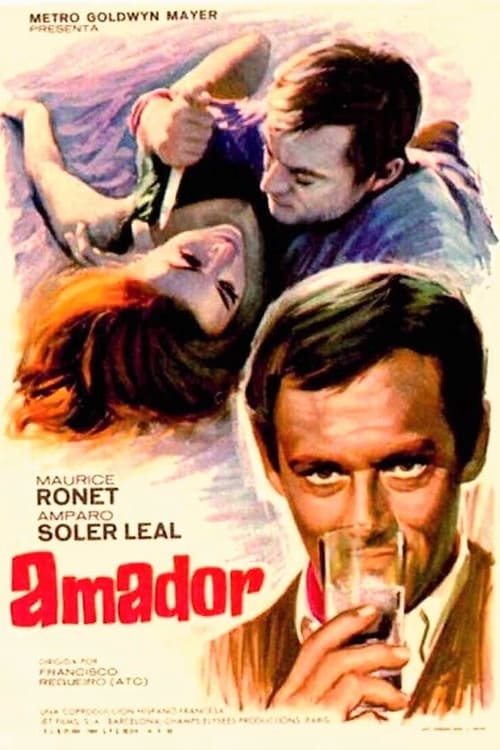
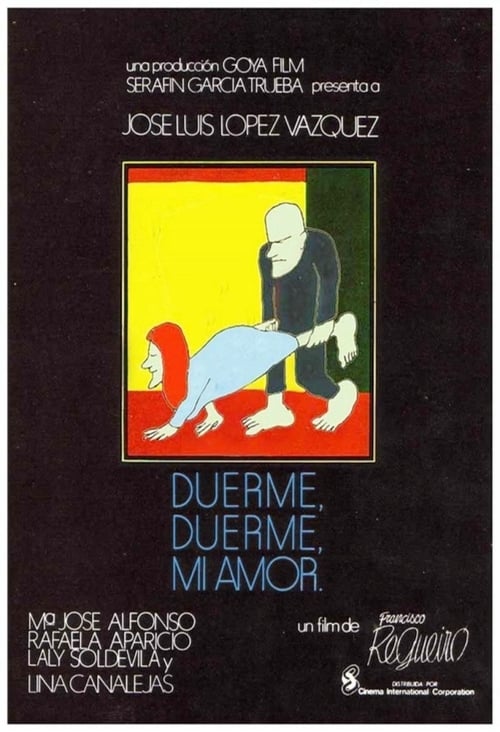
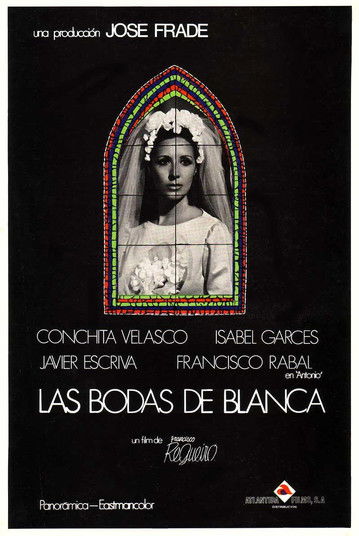
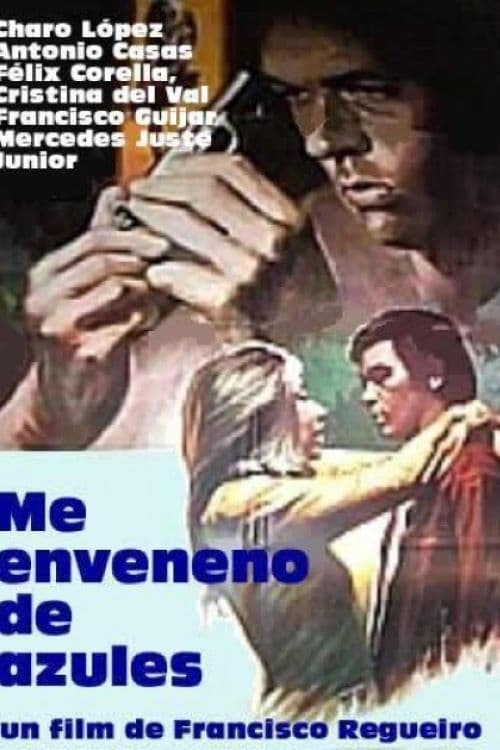
Francisco Regueiro was born on August 2, 1934 in Valladolid, Spain. He collaborated on several screenplays and directed the short film Los toros en la literatura (1966). He also worked in television in the series Los pintores del Prado, the episodes Zurbarán: la humilde luz del sueño (1973) and Murillo: la virgen niña; in Cuentos y Leyendas, the episode La niña que se convirtió en rata (1968) and in the series Las picaras, the episode La viuda valenciana (1983). He directed Amador, Si volvemos a vernos (1967), Carta de amor de un asesino (1972), both produced by Elías Querejeta, Me enveneno de azules (1971), Duerme, duerme, mi amor (1974) and Las bodas de Blanca (1975). His film Madre Gilda won the Silver Shell for Best Actor at the San Sebastian Festival, as well as the Goya for Best Actor.

Known For

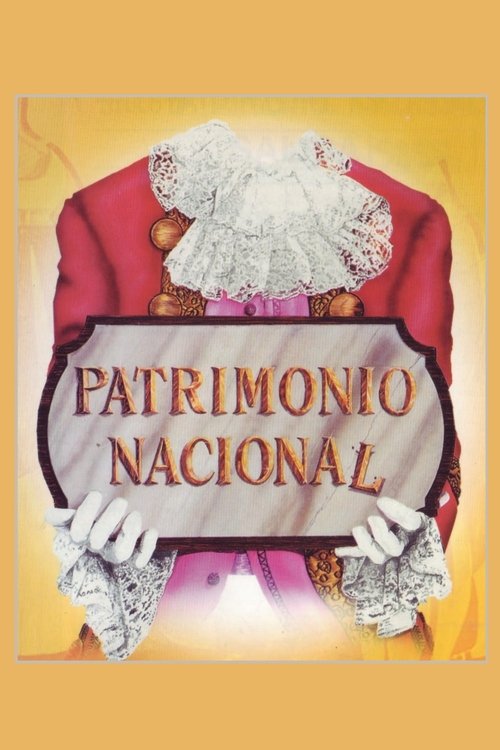
National Heritage
7.1

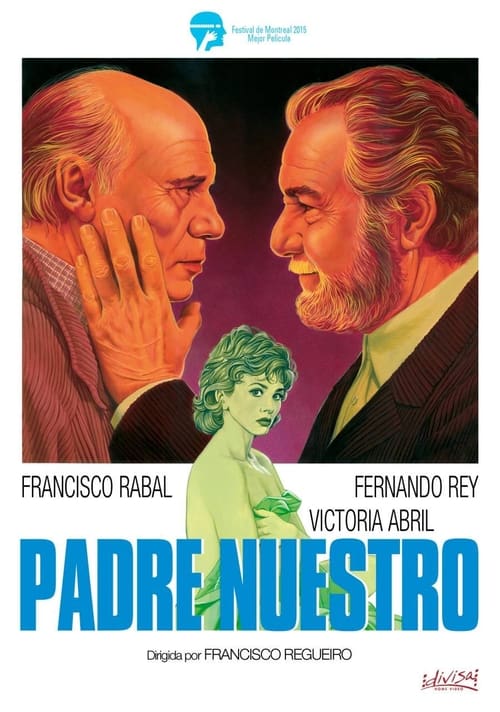
After the death of General Franco, the Leguineche family leaves their estate of Los Tejadillos, where they have remained for decades in voluntary exile, with the purpose of returning to Madrid to actively participate in the social events of the aristocracy and to get closer to the closest circle of the Spanish monarch. The obsession of the old marquis is centered on getting in touch with the most illustrious surnames, to ascend socially and to resume the pomp and courtly life that his family lost a long time ago. To this end, he decides to move into an old palace he owns, located in the center of the capital, but not before overcoming the difficulties posed by his wife, who deeply hates both her husband and her son. To regain control of the palace, the Marquis of Leguineche tries to handicap his wife, arguing an incurable mental illness, and then undertake a reform of the place in order to adapt it to aristocratic life.

National Heritage

1981Movie
Streetcar for Sale
8.0

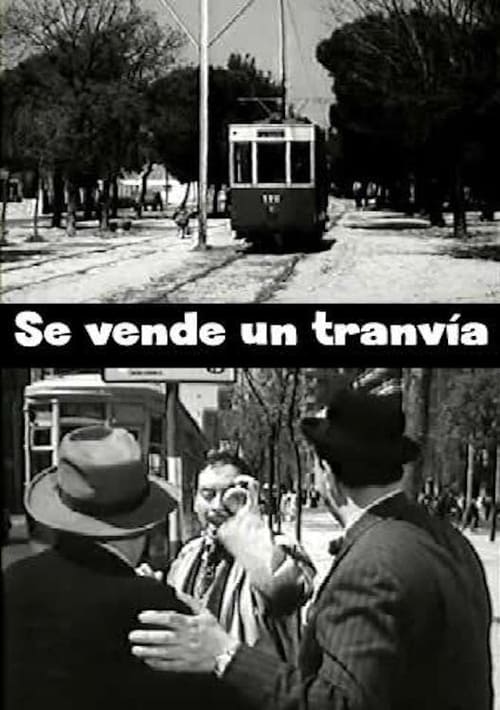
This excellent short film written by the magnificent filmmaker duo of Luis García Berlanga and screenwriter Rafael Azcona was to be part of a series entitled Los Pícaros (The Rogues) which was never continued. These two artists were responsible for such masterpieces of Spanish cinema as Plácido and El verdugo (The Executioner). Here, Berlanga and Azcona collaborated for the first time, setting the stage for the post-war "Berlanguiana" vision that would develop. José Luis López Vázquez plays Julián, a seedy swindler, who with his cronies tries to sell a streetcar to a rich but naive farmer, a newcomer to the city. High jinx ensue. With this film begins the great stage of Berlanga's filmmaking in which he mixes a little social criticism and notes of anti-clericalism with a great deal of farce.

Streetcar for Sale

1959Movie