Acting
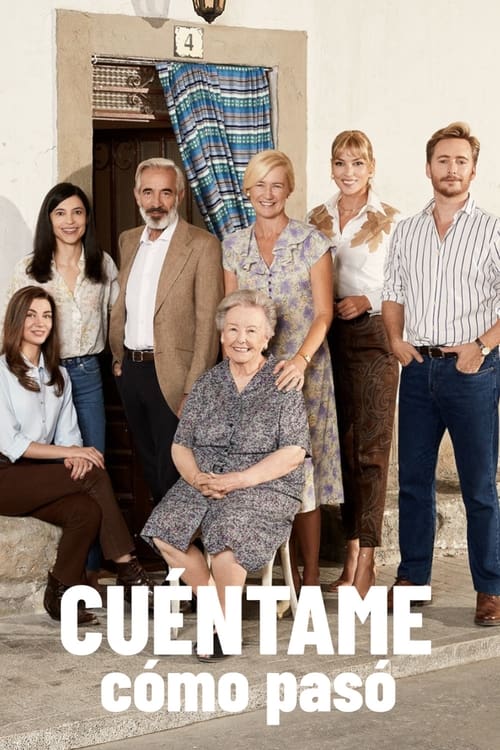
Recounts the experiences of a middle-class family, the Alcántaras, during the last years of the rule of Francisco Franco and the beginning of the Spanish Transition to democracy.
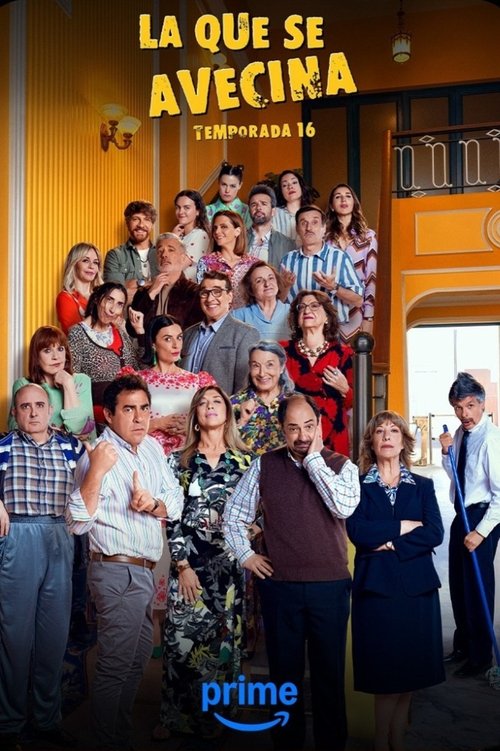
La que se avecina is a Spanish television comedy created by Alberto Caballero, Laura Caballero and Daniel Deorador. The TV-series focusing around the inhabitants of Mirador de Montepinar, a fictional building located on the outskirts of a big city. Both its storylines and cast are heavily based on Aquí no hay quien viva, which ended when Telecinco bought Miramón Mendi, the series production company. The episodes debuted on the Telecinco network, and were later rerun by the same network as well as cable/satellite channels FactoríaDeFicción and Paramount Comedy. The series debuted in 22 April 2007 and became popular thanks to its funny characters, witty script, use of catchphrases and capacity to integrate and poke fun at contemporary issues; the program presents a caustic satire of many of the 'types' found in Spanish society. The name of the show involves wordplay, as "vecina" is the Spanish word for neighbour.
A film director deals with the frustration of not having achieved anything in his life.
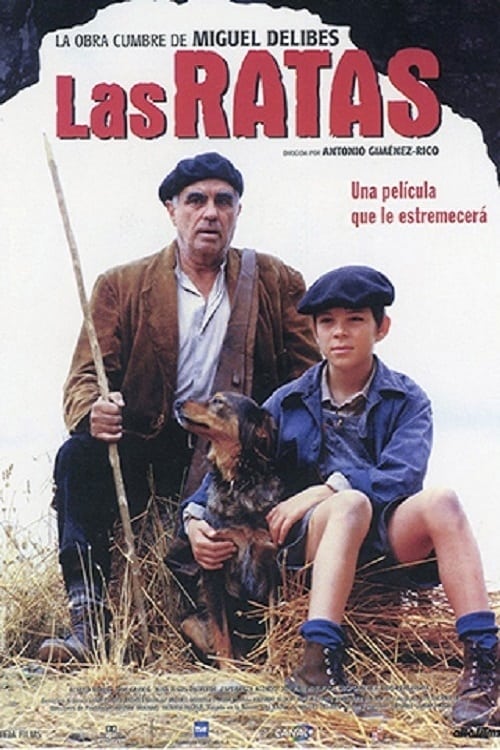
In the mid-fifties, El Nini lives in the poorest and most forgotten rural Castile (Spain). He is a child with no more knowledge than those provided by nature. El Nini lives with his father in a cave, and with him he devotes himself to the hunting of water rats, the only means of subsistence they know. But when they are tried to deprive them of their roof and their livelihood, violence will erupt uncontrollably.
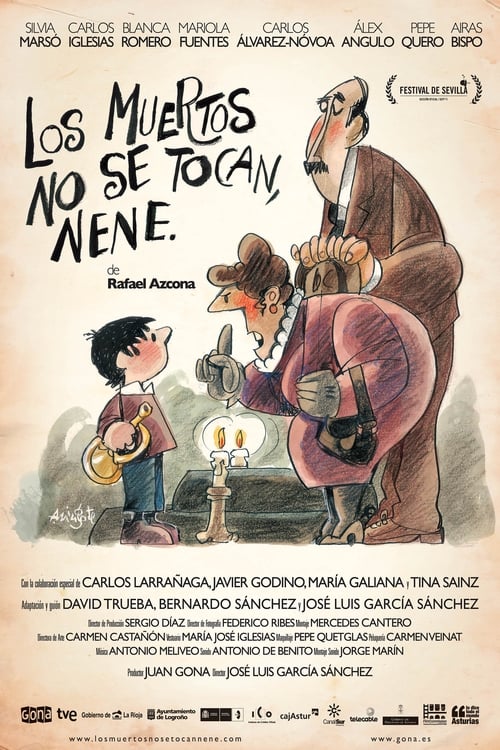
Logroño, 1959. The death of a local authority creates a double expectation in his family, the coming of the TV set the deceased bought and the mayor to attend the funeral. His grandson (Airas Brispo) will witness the grotesque situations.
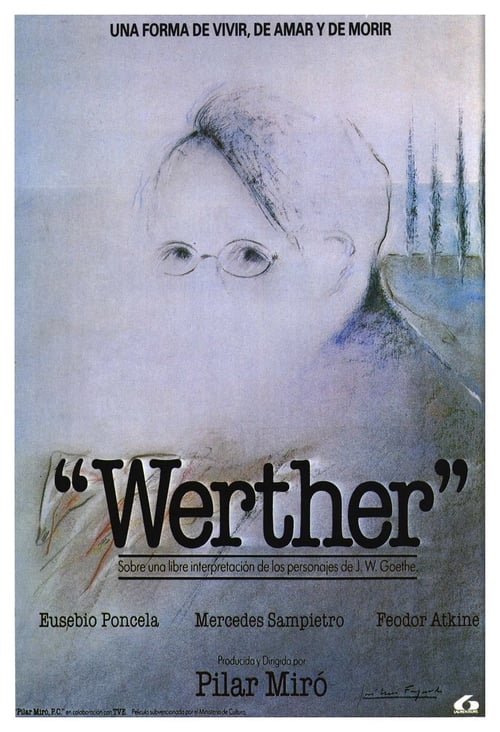
This adaptation of Goethe's The Sorrows of Young Werther offers a chilly and remote view of love and its passions. The setting is changed to Spain, and Werther (Eusebio Poncela) has taken a job tutoring the son of an estranged husband and wife. The boy's mother is a surgeon and therefore a rather uncommon woman for her society. She and Werther gradually become romantically involved, and his feelings for her begin to run much deeper than is apparent on the surface.
True story of thirteen totally normal young women that suffered harsh questioning and were put in prison under made up charges of helping the rebellion against Franco back in the 1940s. Despite of their innocence, the thirteen were soon executed without even a trace of evidence of any wrong doing.
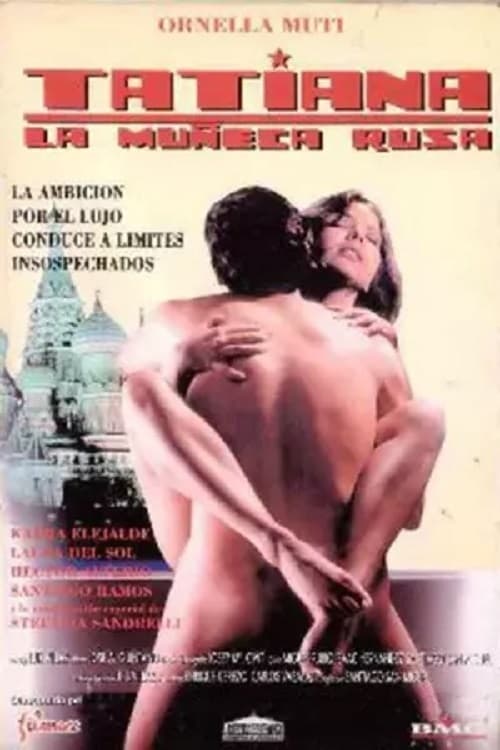
Joaquín goes to Russia for business. There he falls in love with Tatiana, a young and beautiful interpreter who asks her to accompany him on his return as a maid - secretary - interpreter - lover or whatever.
A series of vignettes set in Madrid, where its residents manage to sustain entertainment, hope and love in a city still suffering the wounds caused by the Spanish Civil War.
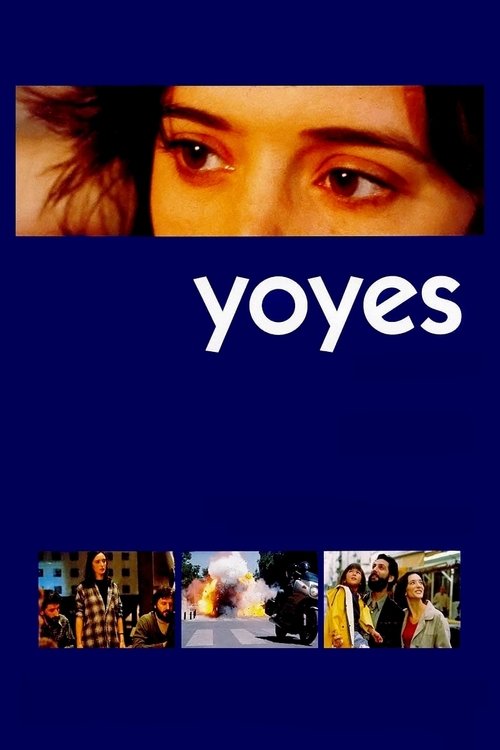
Yoyes, the first woman to hold responsibility positions within ETA, returns from exile in Mexico and try to rebuild her life. But her return is not easy.
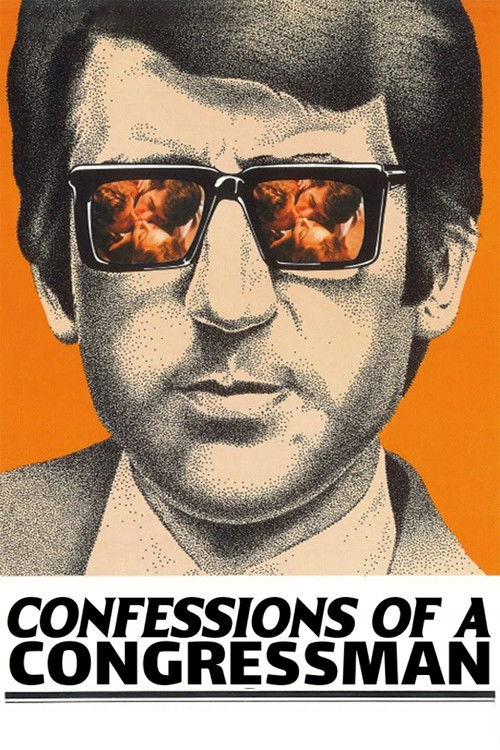
Roberto, a leader and follower of the ideals of his radical leftist opposition party, can’t resist the cheap beautiful street teenagers that are thrown his way for various pleasures.
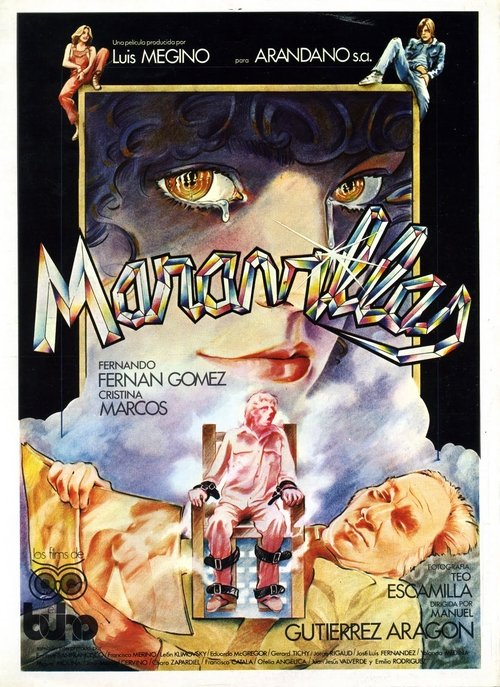
A mix of characters and actions create only a semblance of a plot in this confusing tale of intrigue, undefined crimes, and incest. A newspaper reporter is working on a story about a criminal serving time in jail. He interviews the prisoner, has an affair with the criminal's daughter, and also spends some time in bed with his editor's wife. His amorous life is an adjunct to his searching out the details of the prisoner's case -- though tragedy strikes before the journalist can wrap everything up. In the meantime, it becomes clear that the daughter and imprisoned father had an incestuous relationship, raising more questions than answers.
María, a young and attractive woman, loses her job, meets Luis, a young man with no stable job neither, his wife supports him. Luis wants to start a relationship with María, but she doesn't. She prefers to be with Luis' friends instead.
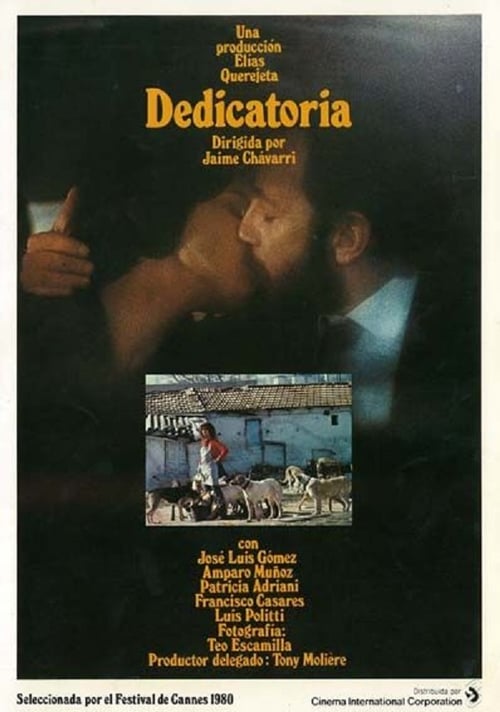
A young Catholic girl takes viewers through a changing Spanish political and social landscape as she develops from her confirmation day to adulthood. Her first experience with the real Spain comes when her Jewish godfathers cannot come to her confirmation. One of the godfathers, using a ring, poses an early challenge to her innocence that puts her in danger. He later returns, indirectly introducing her to a new boyfriend. If he is one of the symbols for Jewish life under Franco, or for a Judeo-Christian interaction, that interaction is complex. The young woman encounters different lovers as she grows into adulthood, but at the same time she is burdened with financially supporting her father and his own rather decadent lifestyle. Again, this difference in generations could be understood as a difference between the "new" and "old" Spain; it is up to the viewers to interpret the story elements as they decide.
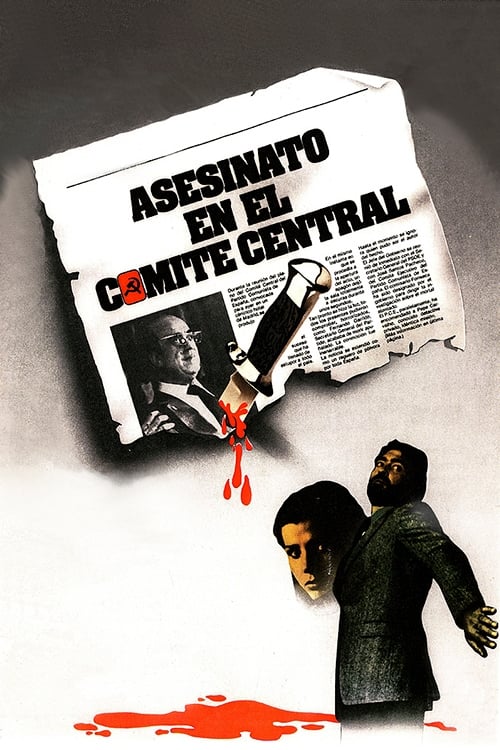
The plot follows a private detective, an ex communist and former CIA agent, who travels from Barcelona to Madrid to discover the identity of the assassin of the leader of the Spanish Communist party who was stabbed during a blackout while presiding over a meeting of the party's central committee. The film is a thriller with ironic political overtones.
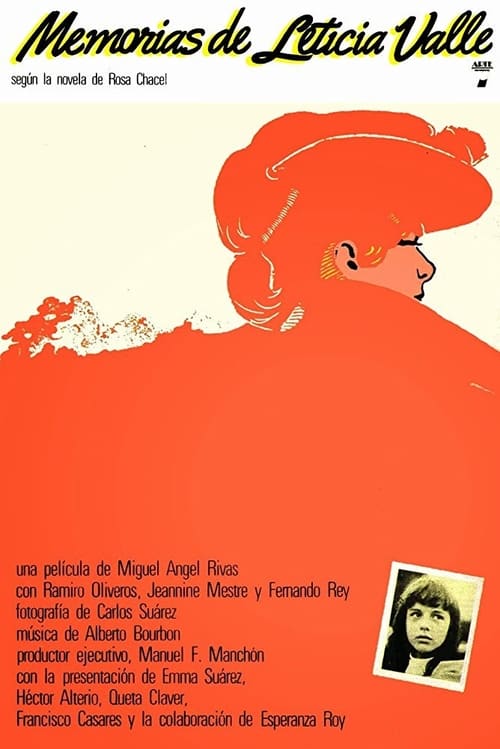
A fictionalized diary of an eleven-year-old girl who records an "inconceivable" seduction and scandal that forced her to leave Spain in the 1910s, based on the 1945 novel "Memoirs of Leticia Valle" by Spanish writer Rosa Chacel.
Spain, 30's. Fabian Insausti (Juan Luis Galiardo), which has become a rich landowner in Venezuela, returns to his hometown due to the death of his mother. One day he decides to visit an old mansion converted into a luxury brothel, and there falls in love with Ana (Maribel Verdú), a young prostitute. He asks her to accompany him, but she is not willing to give up the luxury of home run by Charo, for her real mother. So the owner Fabian offers its pupils move to Venezuela, under the same conditions they have here.
Federica finds out that the baby she's expecting doesn't share her DNA. She goes to the clinic where she underwent an in vitro fertilization treatment and they acknowledge they made a mistake by exchanging her embryo with another couple's.
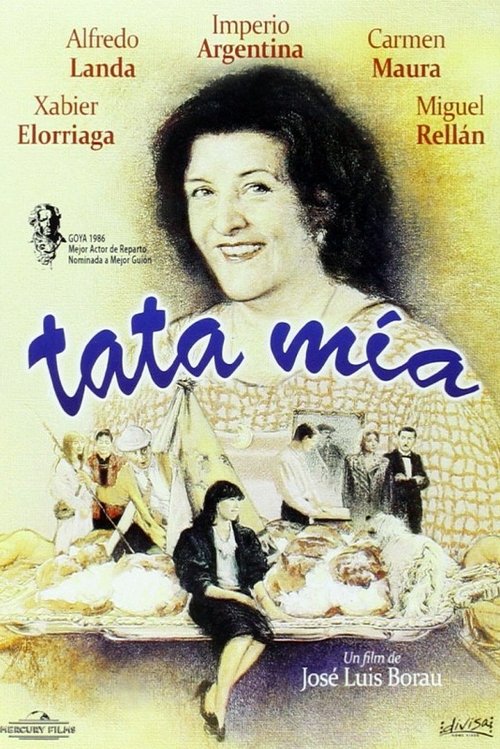
Elvira, daughter of a disgraced military, who entered a convent at a young age leaves him and returns home to settle in Madrid with his beloved nanny, seeking help to overcome their crisis. However, the country has changed so much in his years of confinement that has little or nothing to do with his childhood memories ...
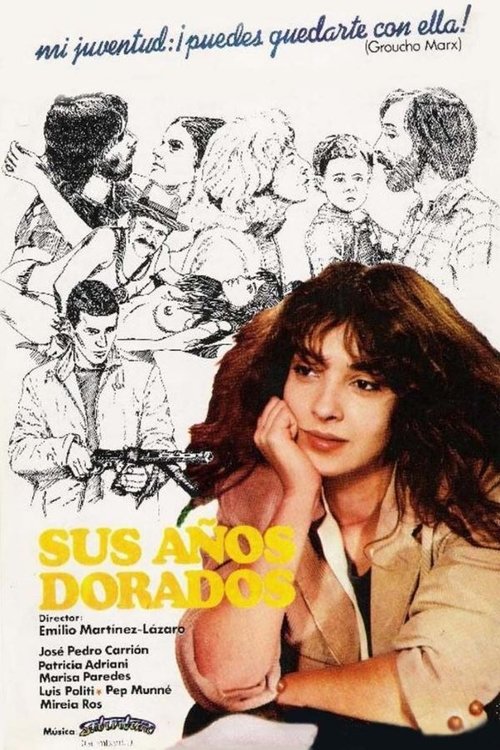
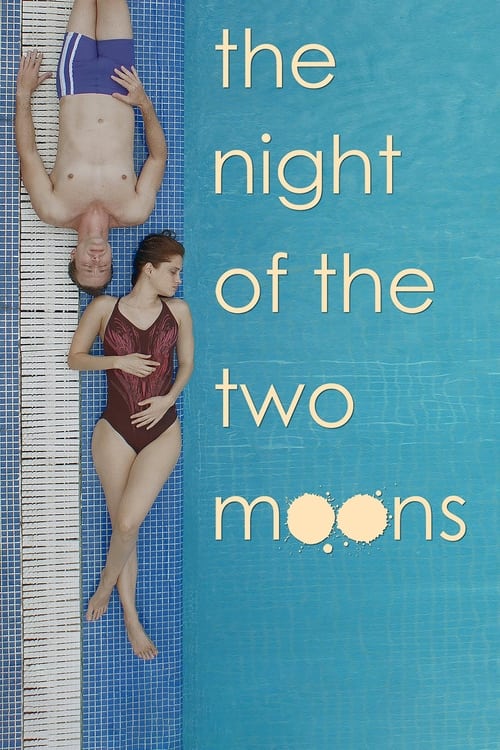
A divorcing couple remembers the best years of their lives.