Acting
Crown Court is an afternoon television courtroom drama produced by Granada Television for the ITV network that ran from 1972, when the Crown Court system replaced Assize courts and Quarter sessions in the legal system of England and Wales, to 1984.
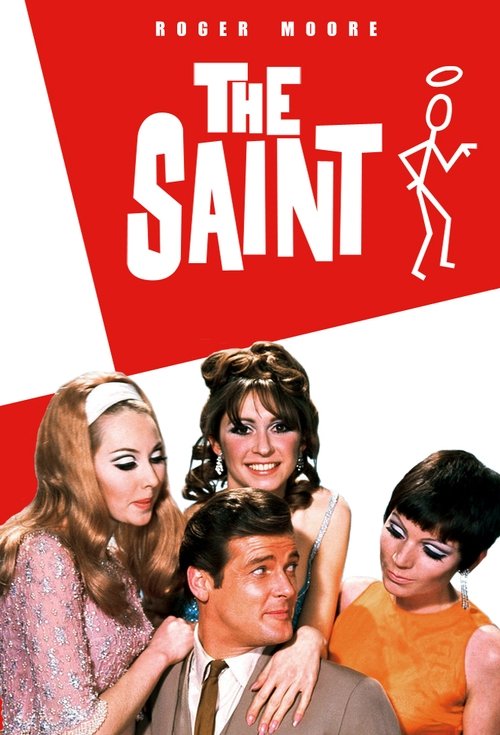
Simon Templar is The Saint, a handsome, sophisticated, debonair, modern-day Robin Hood who recovers ill-gotten wealth and redistributes it to those in need.
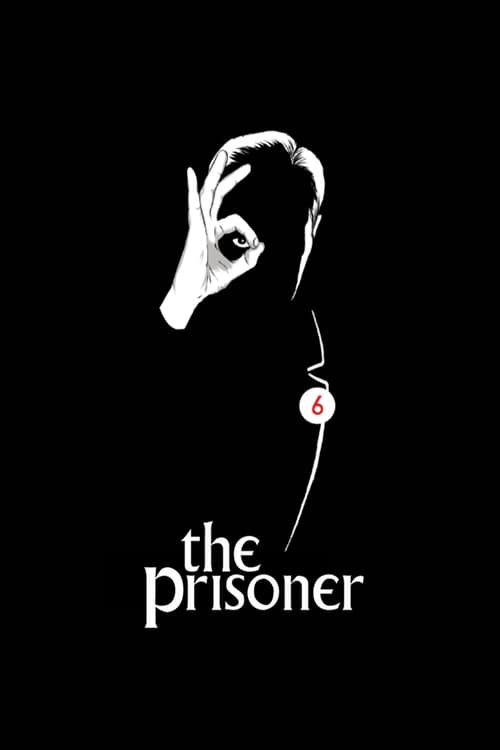
After resigning, a secret agent is abducted and taken to what looks like an idyllic village, but is really a bizarre Kafkaesque prison. His warders demand information. He gives them nothing, but only tries to escape.
Sunday Night Theatre was a long-running series of televised live television plays screened by BBC Television from early 1950 until 1959. The productions for the first five years or so of the run were re-staged live the following Thursday, partly because of technical limitations in this era, and the theatrical basis of early television drama. Some of the earliest collaborations between Rudolph Cartier and Nigel Neale were produced for this series, including Arrow to the Heart and Nineteen Eighty-Four. The Sunday night drama slot was subsequently renamed The Sunday-Night Play which ran for four seasons between 1960 and 1963. ITV transmitted its own unrelated run of Sunday Night Theatre between 1971 and 1974.
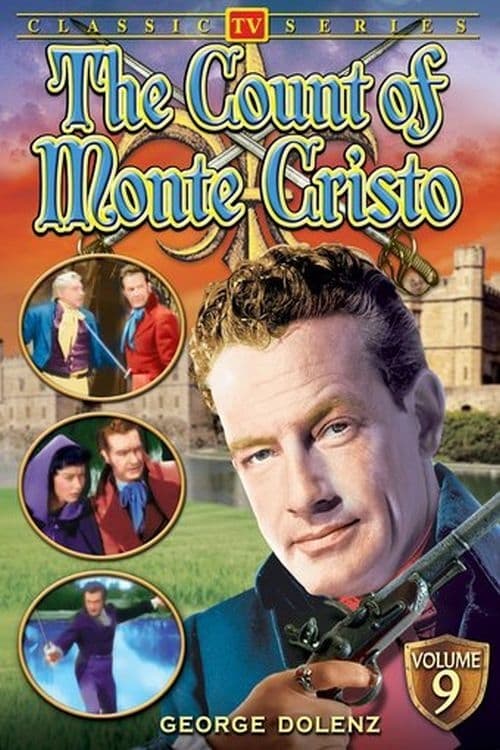
The Count of Monte Cristo was a 1956 ITC Entertainment/TPA television series adapted very loosely from the novel by Alexandre Dumas, adapted by Sidney Marshall. It premiered in the UK in early 1956 and ran for 39 thirty-minute episodes. The first twelve episodes were filmed in the United States, at the Hal Roach studios, with the rest being filmed at ITC's traditional home of Elstree. A 5-disc DVD set containing all thirty-nine episodes was released by Network Studio on 12 April 2010. ITC produced a film based on the same source-material, The Count of Monte-Cristo, in 1975.
No description available.
An anthology of single plays offering up adaptations of either of prominent stage plays or novels.
The Adventures of William Tell is a British swashbuckler adventure series, first broadcast on the ITV network in 1958, and produced by ITC Entertainment.
Orson Welles’ Great Mysteries is a British television anthology series produced by Anglia Television for the ITV network and broadcast between 1973 and 1974. The series presents standalone adaptations of classic mystery, crime, and supernatural stories drawn from literary sources including Dickens, Conan Doyle, Wilkie Collins, Balzac, Maugham, O. Henry, and others. Each episode is framed by original introductory and closing sequences performed by Orson Welles, who serves as the series’ host and sole recurring on-screen presence. These segments, written and directed by Welles (uncredited), function as stylized narrative framing devices rather than dramatic participation in the stories themselves. The dramatic content of each episode is performed by separate casts and directors, with no continuing characters or serialized narrative, establishing the series as a unified television anthology rather than a collection of standalone films.
Supernatural is a 1977 British anthology television programme broadcast on BBC One. Each episode follows the Club of the Damned, where a prospective member is required to tell a horror story, and their application would be judged on how fright factor. Applicants who fail to tell a sufficiently frightening story are killed.
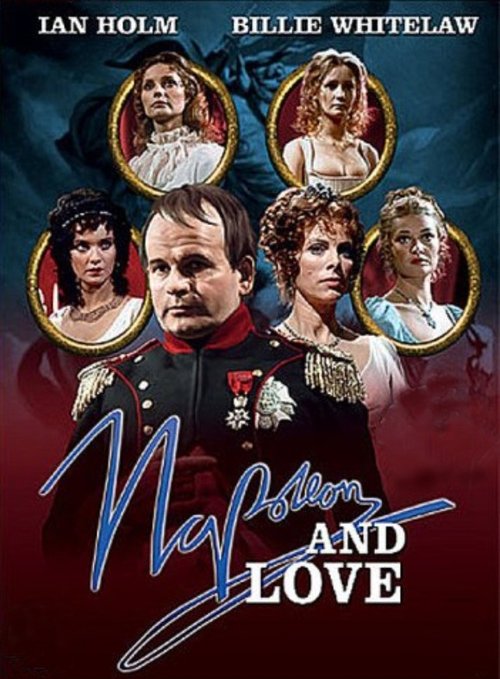
Napoleon and Love is a British television miniseries produced by Thames Television for ITV, lasting for nine episodes from 5 March to 30 April 1974. The series stars Ian Holm in the title role as Napoleon and depicts his relationships with the women who featured in his life as a backdrop to his rise and fall.
A collection of one-off thrillers, each ending with a disturbing twist.
A short-lived horror anthology broadcast in the United Kingdom weekly from 11 April until 16 May 1968 on BBC Two. However, following viewer complaints of its unsuitability, it was pulled, with four of six episodes believed lost (the third episode resurfaced as a 16mm black-and-white film telerecording in 2016, and the first in 2026).
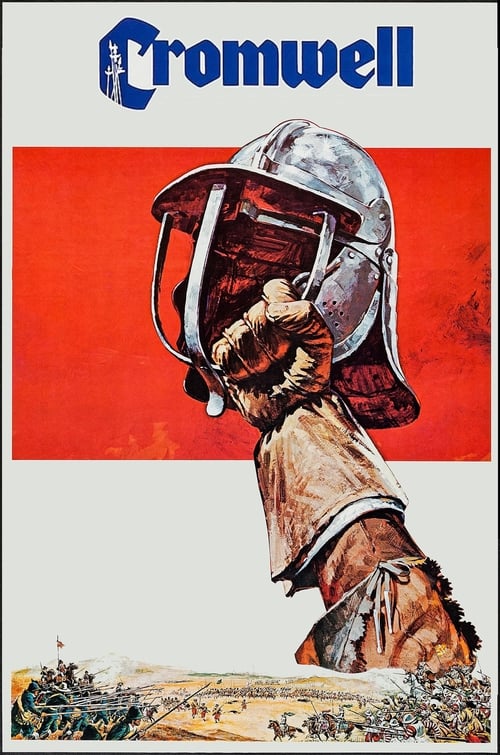
Disgusted with the policies of King Charles I, Oliver Cromwell plans to take his family to the New World. But on the eve of their departure, Cromwell is drawn into the tangled web of religion and politics that will result in the English Civil War.
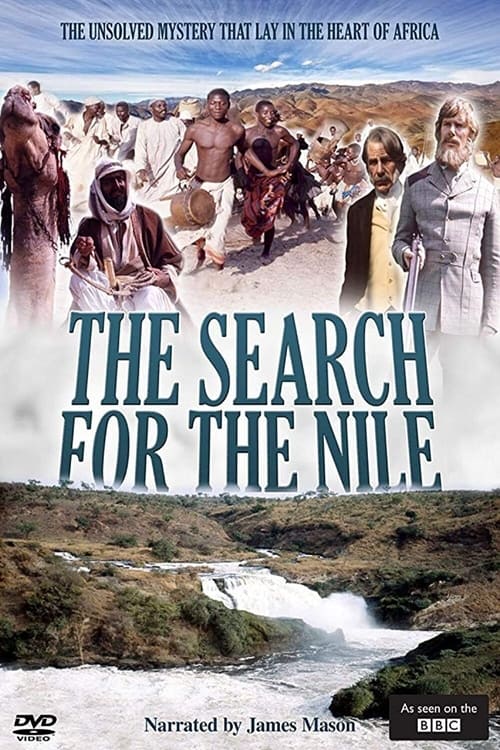
The Search for the Nile is a 1971 BBC One docudrama miniseries about the 19th-century European quest to find the source of the Nile River, focusing on explorers like Richard Burton, John Hanning Speke, and David Livingstone. The acclaimed six-part series, starring Kenneth Haigh as Burton, is known for its detailed portrayal of the explorers' hardships, rivalries, and discoveries, winning a Primetime Emmy and a Peabody Award.
A young woman leaves her backwards hometown to go to London to find a runaway suitor. What she doesn't know is that she has inherited a strange ability; if she's in the vicinity of a machine for more than fifteen minutes, it stops working.
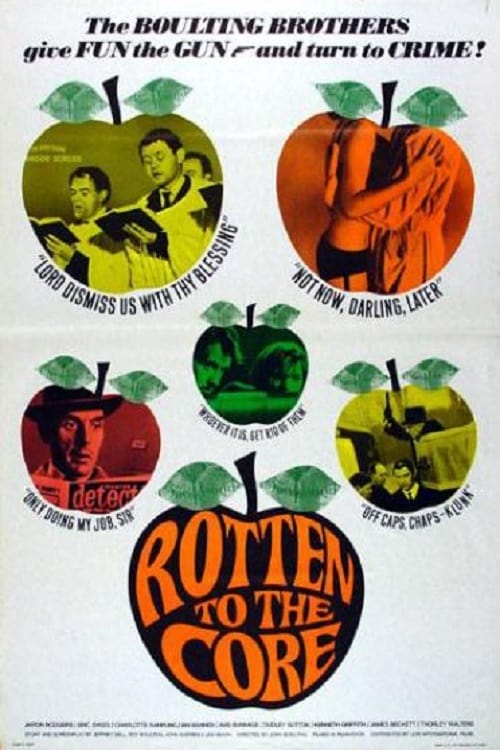
Rogues Jelly Knight, Scapa Flood, and Lennie the Dip leave prison expecting boss The Duke to have their stash ready to share out. Instead, Duke's girl Sara gives them the news Duke is dead and the money gone on nursing care. They soon discover that Duke is actually running Hope Springs Nature Clinic with the help of most of the local villains. Very strange - and the nearby army camp and Sara's encouragement of Lieutenant Vine would seem to be no coincidence either. Written by Jeremy Perkins
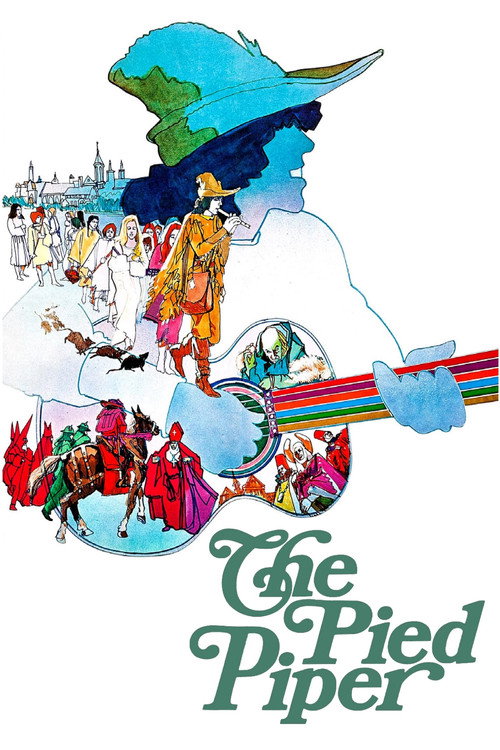
Greed, corruption, ignorance, and disease. Midsummer, 1349: the Black Death reaches northern Germany. Minstrels go to Hamelin for the Mayor's daughter's wedding to the Baron's son. He wants her dowry to pay his army while his father taxes the people to build a cathedral he thinks will save his soul. A local apothecary who's a Jew seeks a treatment for the plague; the priests charge him with witchcraft. One of the minstrels, who has soothed the Mayor's daughter with his music, promises to rid the town of rats for the fee. The Mayor agrees, then renigs. In the morning, the plague, the Jew's trial, and the Piper's revenge come at once.
The biggest wildfire in North American history is brought to life, revealing what it means to us today, when the people of America are still figuring out how their federal government should manage and protect federal lands. It also explores how 21st century frontier technologies and people are coping with each other and with the ancient cycles of fire in a harsh yet beautiful land.