Directing
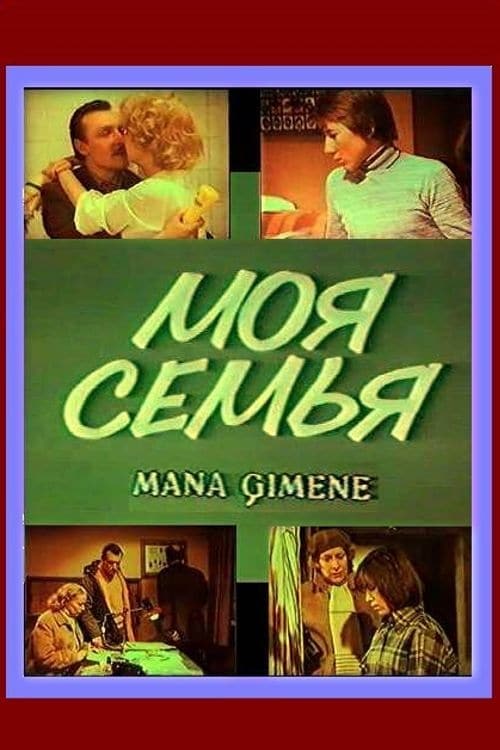
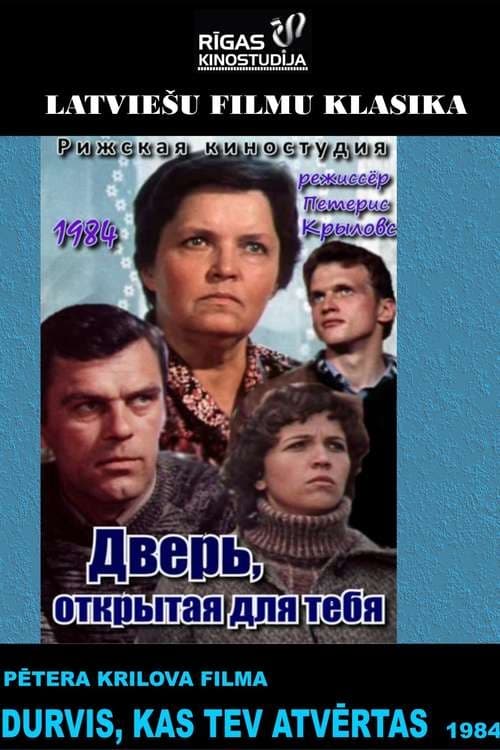
After his family was introduced on a national TV as a "perfect family", the son Robert has a hard time confronting all the lies related to this accidental fame.
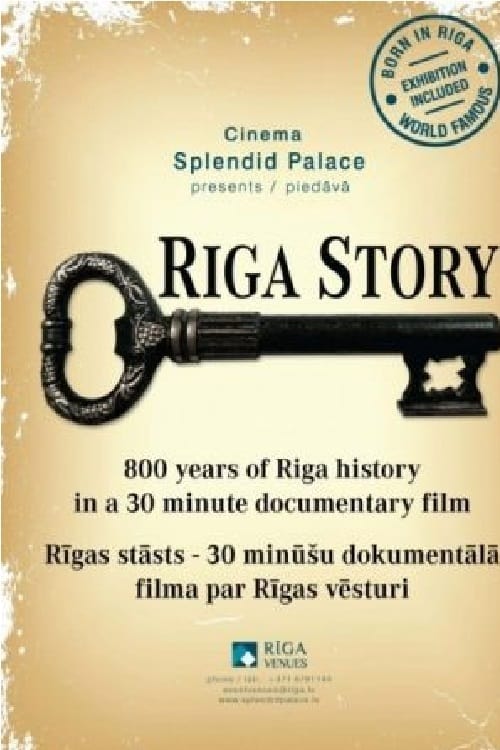
A film about Riga's more than 800 years of history and the city's development through the centuries. The film serves as a rich source of reference material and an incentive to further explore Riga's cultural and historical monuments, as well as an encouragement to get to know Riga.
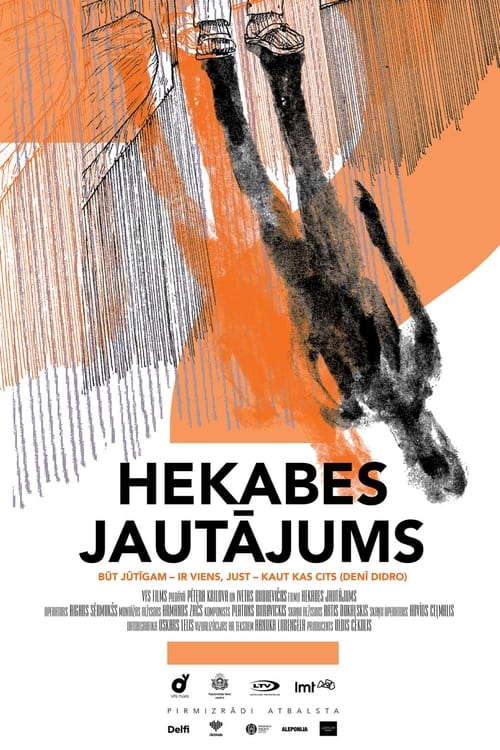
Direct and meticulous observation of interpersonal relations is a classic subject in documentary films. In this film the title of which alludes to “Hamlet”, we will observe the birth of compassion in people. Compassion is something that has to be dealt with in very rigorous terms, something that needs to be stripped of the layers of clichés that this word has amassed over the years. Is it always a true feeling or just an imitation? How does a deep compassion spring forth? Who are the true “masters of compassion” and what are they like?
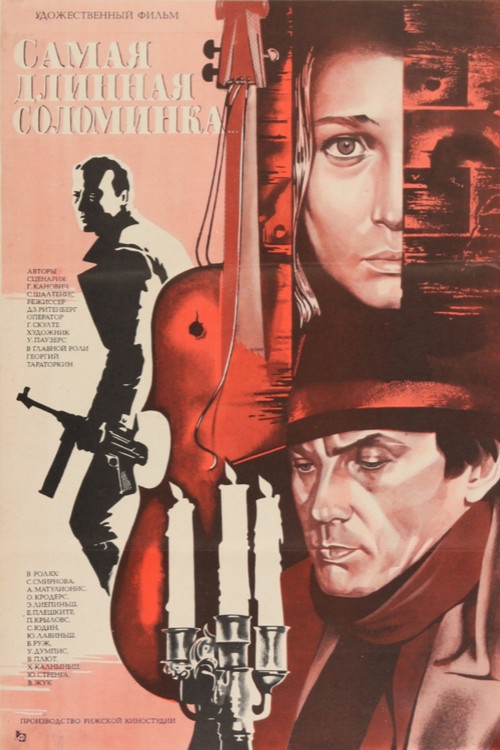
Post-war Latvia. Francis' gang operates in a small town and the new KGB agent Juris Vilks has been asked to infiltrate his gang and gain his confidence.
At fifty years of age, film director Ivars Jansons has been unlucky in both his personal life and his creative work. Something inside him has broken under the constant pressure of compromise. Having left the big city and returned to his homeland, Ivars tries to rebuild his broken relationships with his wife, his son who grew up without him, and his friends who are trying to revive their creative imagination with the help of memories. The illusion of returning to the dreams and ideals of his youth and his selfish focus on himself prevent him from deeply and truly feeling the experiences of his loved ones and averting the impending tragedy.
The 20th century dreamt of utopia but instead experienced tragedies. This film looks at San Francisco-based Latvian artist and playwright Raimonds Staprāns’ nearly century-long experience of trying to define life and statehood. It constructs an exact replica of one of his paintings, and asks actors to portray characters from his plays. Keeping in mind the symbolically charged image of the red barn in the painting, it deliberately incites arguments between the actors, the director and the crew about the motivations of the characters as well as alternative actions or decisions that they could have taken but did not.
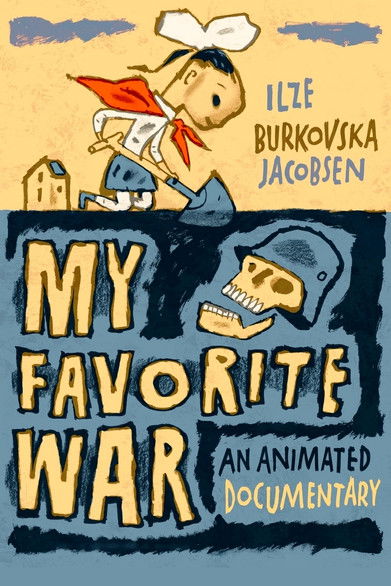
Ilze Burkovska, a little girl who is obsessed with stories of World War II and will be a filmmaker in a distant future, lives in Latvia under the totalitarian boot of the Soviets and the ominous shadow of the many menaces and horrors of the Cold War.
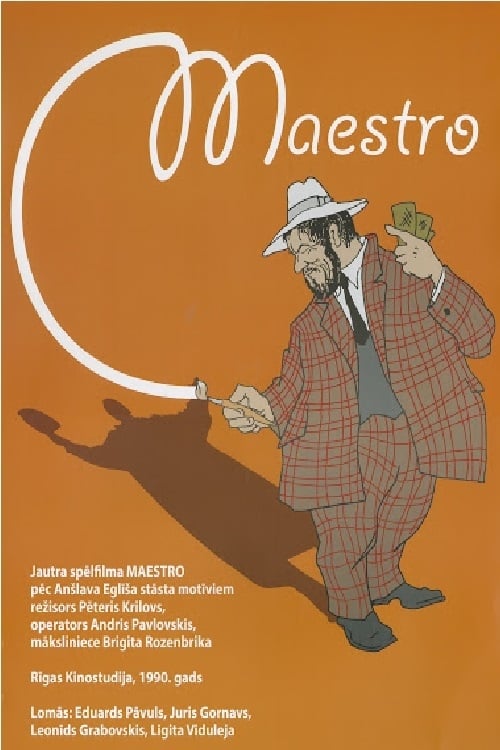
An ecranisation of an Anšlavs Eglītis's novel of the same title is an ironic story about the Latvian art scene during the 30ies.
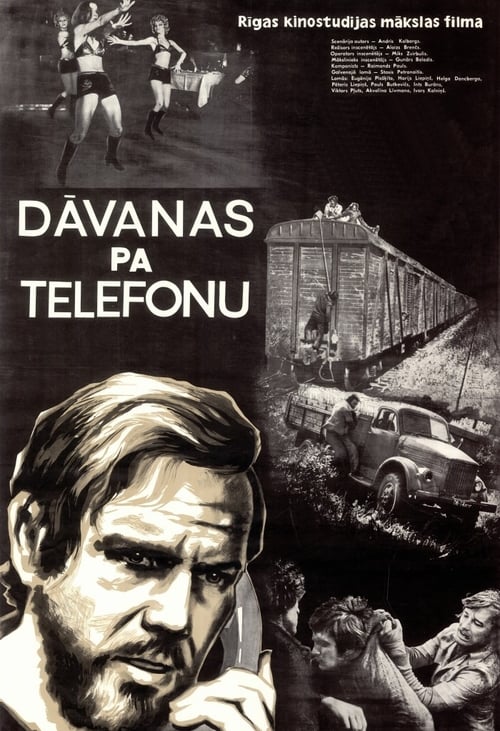
After the train conductor Pētersons receives money transfer from an unknown source, he suspects foul play involving the cargo he's transporting. He decides to do his own investigation into the matter, not realizing that he's putting himself and those around him in danger.
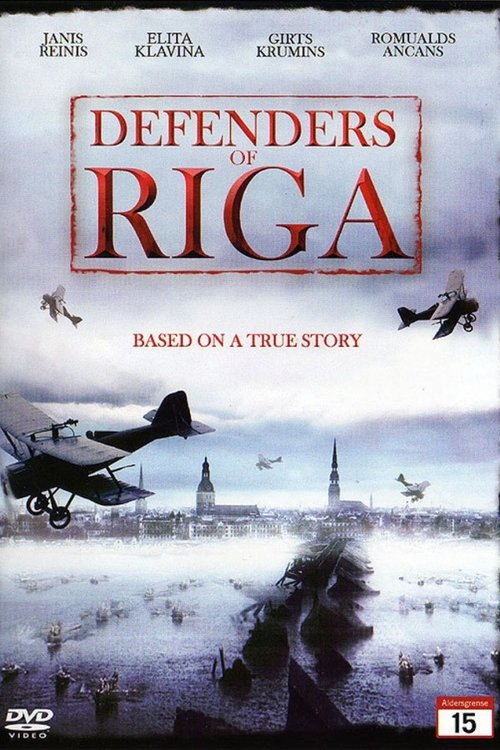
The film dramatizes November 11, 1919- a crucial date in the battle for Latvian independence. A year after the end of the official hostilities of WWI, a renegade German general and troops remain outside the Latvian capital. Latvian riflemen, most of them inexperienced volunteers, somehow managed to defeat a larger, better-armed force of German and Russian mercenaries.
No description available.
In the past, many people, including my grandparents, recorded the most significant events in various calendars or notebooks. The nicest thing is that in such notes, people did not touchingly divide events by scale or, as they would say now, globality. Our film about the Skrunda radar (Skrunda radio location station) reminds us of such records. It is a story about a long, patient process of negotiations and agreements in order to achieve the closing and blowing up of the Skrunda monster. It is a film about people who participated in this work, regardless of position or social status.
A short film based on motifs from Jānis Jaunsudrabiņš' book "Es stastu savai sievai" (I Tell My Wife).
Latvian artist Gustavs Klucis embraced the technological revolution of the early 20th century and applied it to his art, becoming a classic of Russian constructivism. He created photo-montage and Lenin’s public image, and became the most important Soviet artist. Killed by Stalin’s regime, his artistic career poses many unanswered questions. This documentary reveals many secrets and intimate moments of his dramatic personality – the unequal duel between the Artist and the Power.
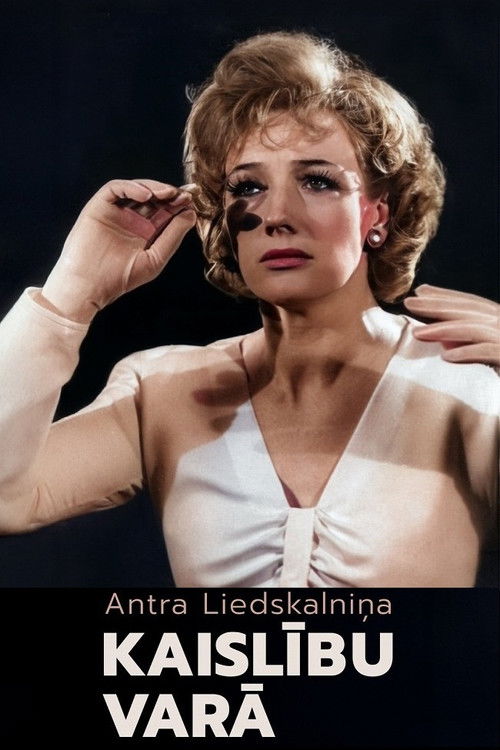
The story of one of the most vivid legends of Latvian theater – actress Antra Liedskalniņa. She is the only female actress included in the Latvian Cultural Canon in the field of performing arts.
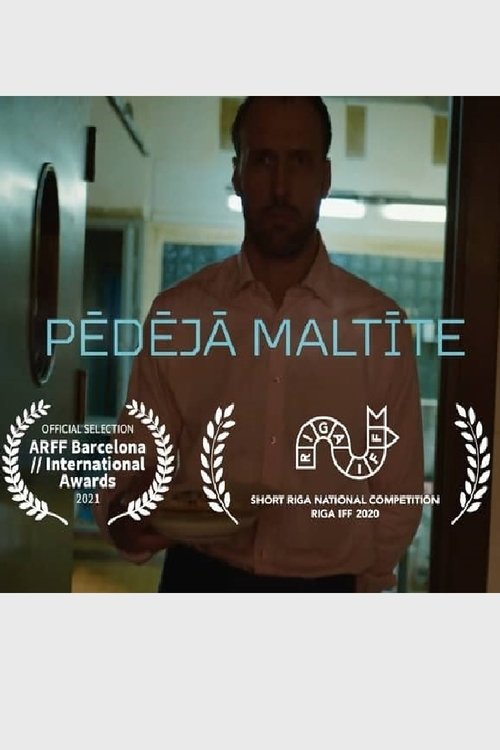
A bureaucrat who has just declared himself as a new political force has disappeared… in a canteen; police are investigating. Combining the absurd and black humour, a harsh and ironic reflection on civil servants, cops, and contemporary art.
An attempt to conjure up the legend of Jānis Tīdemans, a bright star of Latvian artistic bohemia of the 1930s, and his complicated family life. A theatrical journey through time and space. Paris. Riga. Poverty. Recognition and fame. The artistic detective answers the romantic longing of the viewer, who he "really" was...