Irela Bravo
Acting
Biography
Irela Bravo. Es una actriz y locutora. Galardonada con múltiples premios a lo largo de una carrera fructífera. Comenzó sus estudios artísticos en la Escuela de Formación de Actores del Instituto Cubano de Radiodifusión, en 1971. Centro que organizó y dirigió el gran actor Alejandro Lugo, y que contó como profesores con grandes actores y directores de la radio y la televisión, comoAlden Knight, Alfredo Perojo, Julito Lot y otros maestros. Entre los alumnos de aquel memorable curso estaban Cristina Obín, Miriam Vázquez, Natasha Díaz, Evelio Taillac,Susana Pérez, Ana Luisa Rubio, Cristina Palomino, Jorge Villazón, Maggie Castro, Teresita Rúa, Frank González, Annia Linares, María Esther Monteluz y Ana Nora Calaza. Durante el período de estudio comenzó a trabajar como actriz en la radio, donde ha alternado la locución y la actuación, además de incursionar asimismo en el cine, el teatro y la televisión. Ha dedicado gran parte de su trabajo a la programación infantil. En 1997 recibió un reconocimiento del Ministerio de Educación, por su labor a favor de la niñez. En Radio Progreso fue una figura relevante durante años por su calidad en las novelas, aventuras, teatros, cuentos, programas históricos y programas para niños, entre otros. En televisión se le recuerda, también, como actriz, fundamentalmente en la Aventura El Halcón, al lado de un extraordinario actor, desaparecido en plenitud de su trabajo ascendente,Jorge Villazón. Para esta actriz no existen papeles grandes o pequeños, porque en todos se crece para hacerlos con excelencia. En múltiples ocasiones ha intervenido como actriz en los dramáticos de la televisión y durante años ha tenido un trabajo exitoso como conductora de la revista "Entre tú y yo", programa estelar que se transmite todos los sábados a través del Canal Cubavisión desde marzo de 1999. Por su calidad como actriz y locutora ha sido invitada reiteradamente a participar como jurado en los Festivales Nacionales de la Radio Cubana. Ha puesto la voz del personaje de María Silvia en las aventuras fílmicas y radiales de Elpidio Valdés, concebidas por Juan Padrón, Premio Nacional de Cine y Premio Nacional de Humor; con quien ha colaborado en los filminutos y las historias de Vampiros en La Habana.
Known For
Gonzalo's life has been marked by the story of his mother, a Mambisa heroine of the war of 1895. After her death, he is sent to Spain. In 1931, he returns to Cuba to reclaim the family possessions and discovers the value of love and death, truth and lies, pain and hatred.
The Lost Eden
Elpidio Valdés returns to the Cuban countryside to fight the Spaniards. But they face a far more dangerous enemy: the Americans, who want to take over the island at any cost. Elpidio Valdés and his comrades-in-arms will try to thwart their plans, machete in hand and with live ammunition. It was conceived as a series for Spanish television and later released as a feature film under the title Más se perdió en Cuba in Spain and Elpidio Valdés contra el águila y el león in Cuba.
Más se perdió en Cuba
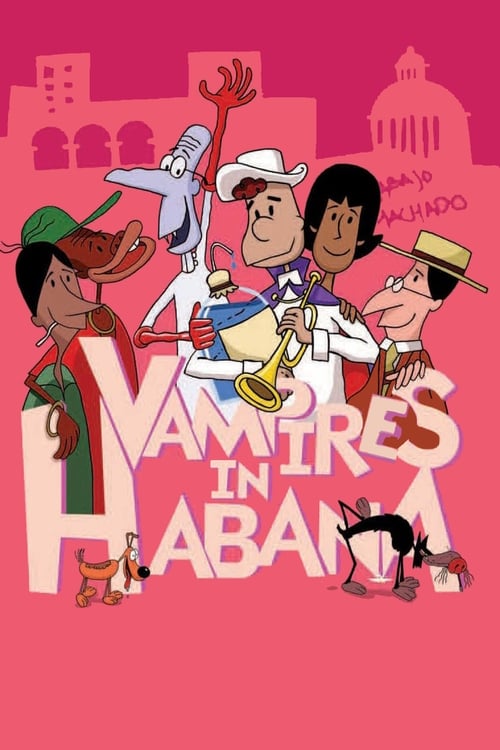
Professor Von Dracula, a vampire scientist, leaves Transylvania for Cuba, where he invents "Vampisol," a potion that allows vampires to survive in sunlight. When the professor announces his intention to donate the formula free-of-charge to vampires all over the world, the Vampire Mafia from Chicago and the European Group of Vampires from Düsseldorf try to muscle in and steal the formula. The action escalates crazily as an assortment of bad guys, police, vampires and other monsters, and our hero and his girlfriend are all caught up in the chase.
Vampires in Havana
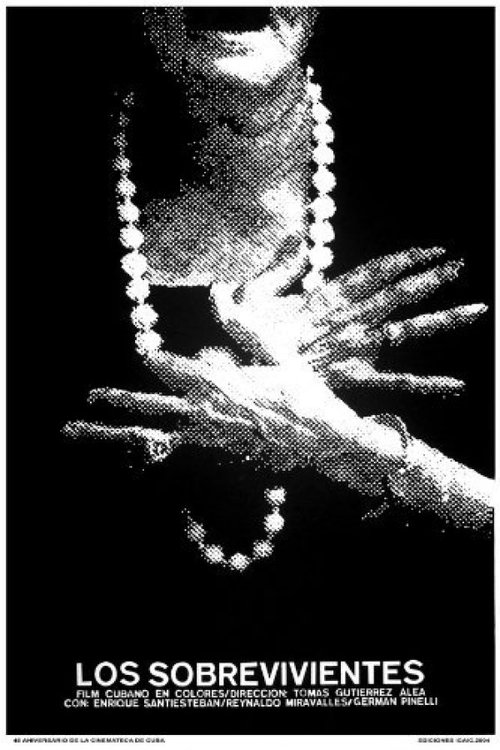
A bourgeois Cuban family of aristocratic origin locks itself into its mansion when the Cuban Revolution comes to power, waiting for the new regime to be overthrown. As time passes, they regress to older and older systems of political order, from capitalism to feudalism to "primitive savagery."
The Survivors
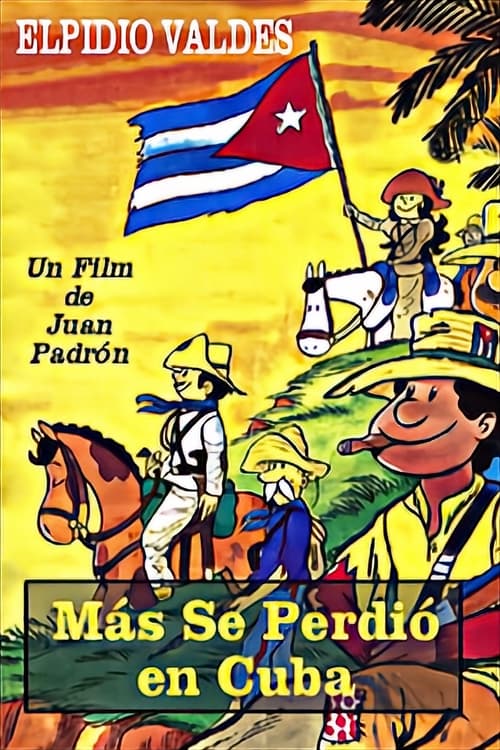
Elpidio Valdés returns to the Cuban countryside to fight against the Spaniards. But they have a much more dangerous enemy: the Americans, who want to take over the island at any cost. Elpidio Valdés and his comrades-in-arms will try to prevent them from achieving their goal, with machetes in hand and bullets flying. It was conceived as a series for Spanish television and later shown as a feature film under the name Más se perdió en Cuba (More Was Lost in Cuba) in Spain and Elpidio Valdés contra el águila y el león (Elpidio Valdés Against the Eagle and the Lion) in Cuba.
Más se perdió en Cuba
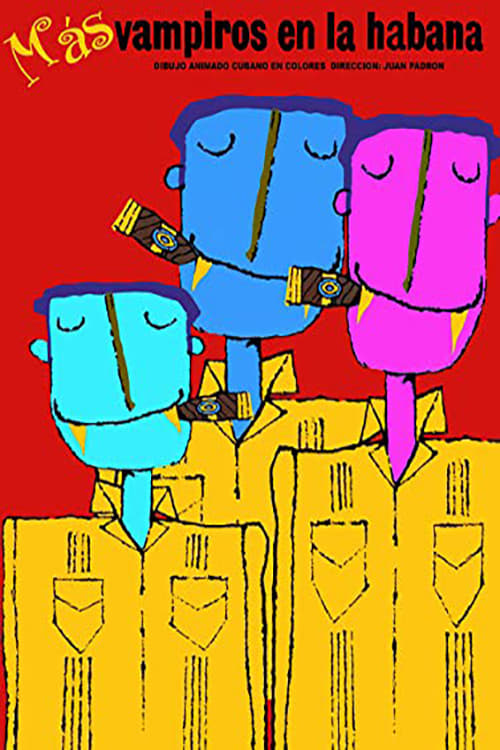
In 1923 the scientist Von Dracula invented Vampisol, a drink that allowed vampires to live in the sun. La Capa Nostra and the European Vampire Group confront each other in Havana to control the Vampisol, but Pepe, Von Dracula's nephew, sang the Vampisol formula for free on Radio Vampiro Internacional. Now Pepe must face the Nazi vampires, who use the most powerful Vampisol: El Vampiyaba.
More Vampires in Havana
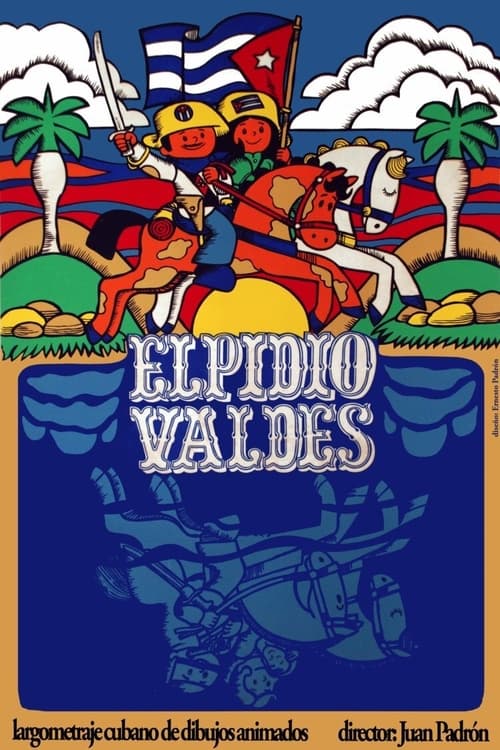
Tells the birth of Elpidio, the death of his father and the beginnings of the War of Independence; as he knows María Silvia and how he becomes a scourge for the Spanish army, the counter-guerrilla and the American landowners. It develops almost totally in 1895.
Elpidio Valdés
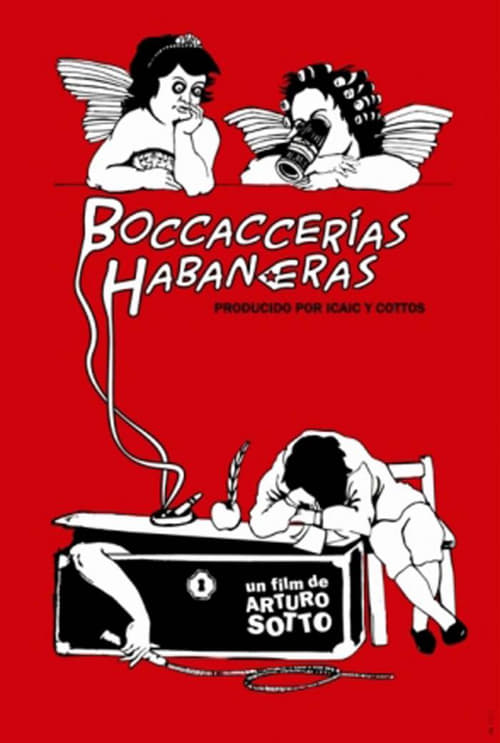
Three stories, loosely inspired on short stories from classic Boccaccio’s Decameron, are connected by a creatively-bankrupt writer who offers money in exchange for original subjects.
Boccaccerías Habaneras
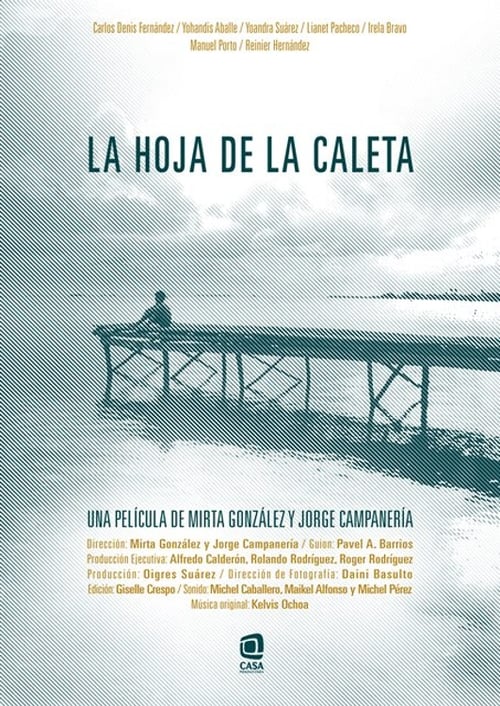
No description available.
La hoja de la caleta
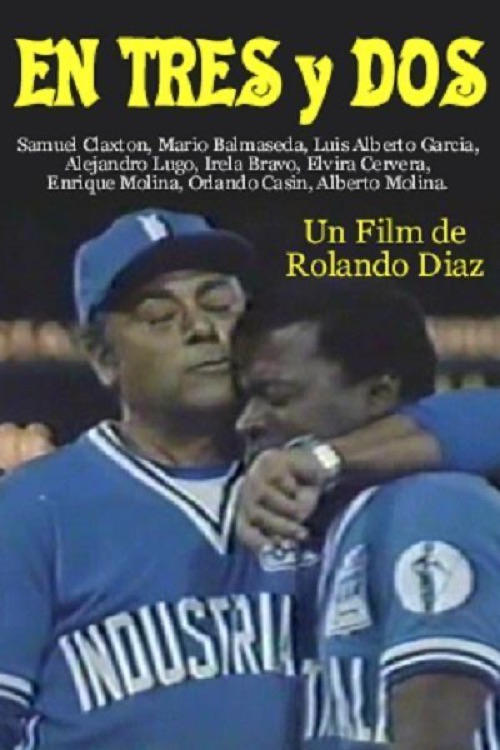
A famous baseball player faces retirement and the conflicts it causes in his professional and family life until the night he must play for the last time.
En tres y dos
Animated short film from Elpidio Valdés' series. After Coronel Elpidio Valdés is severely injured in a battle, General Resoplez hire some rayadillos to finish the work.
Elpidio Valdés against rayadillos
No description available.
En 3 y 2
Animated short film from Elpidio Valdés' series. Coronel Andaluz tells General Resoplez he has a plan to catch Elpidio Valdés, who's hidden near. Meanwhile, María Silvia and the mambises try to attack a town controled by Resoplez's men.