FEEL IT.STREAM
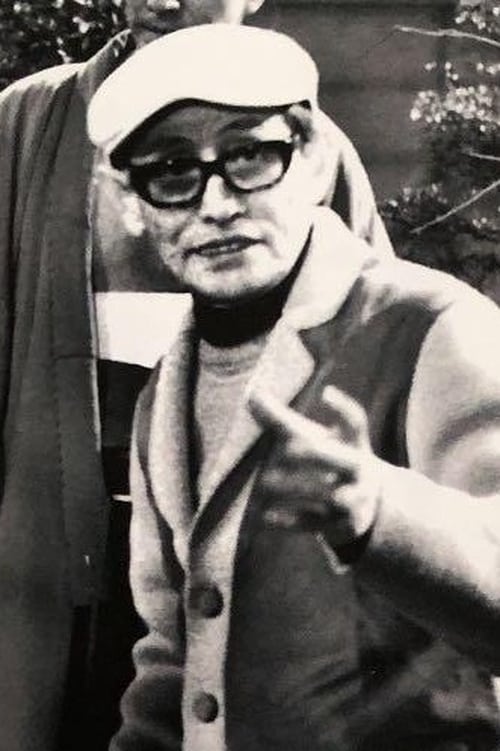
Masahiro Makino

Masahiro Makino

Directing

Biography

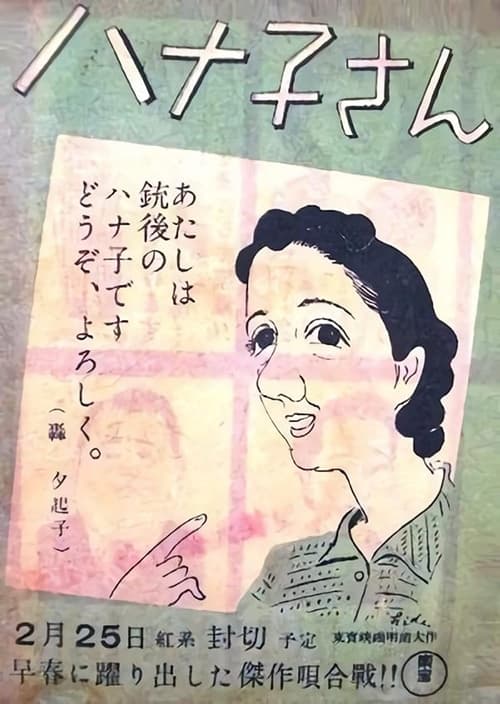
Masahiro Makino (マキノ 雅弘, Makino Masahiro, February 29, 1908 - October 29, 1993) was a Japanese film director. He directed more than 260 films, primarily in the chanbara and yakuza genres. His real name was Masatada (正唯), but he took the stage name Masahiro, the kanji for which he changed multiple times (including 雅広, 正博, and 雅裕). Masahiro Makino was born in Kyoto, the eldest son of the film director and producer Shōzō Makino, who is often called the father of Japanese cinema. As a youth he acted in over 100 films before debuting as a film director in 1926 at age 18. His critically acclaimed nihilistic jidaigeki such as Roningai (1928) made him one of the top Japanese film directors, but his way of shooting films quickly also earned him detractors. For instance, the total time it took to shoot the 1936 film Edo no Ka Oshō was only 28 hours.The critic Sadao Yamane, however, has argued that this fast filming practice also contributed to Makino's speedy, rhythmic film style. Rhythm and tempo are important to his films, and so in his jidaigeki, fight scenes like in Kettō Takadanobaba (1937) could seem like dances, or entire sequences, like in Awa no Odoriko (1941), could be filled with dance. He made musicals like Singing Lovebirds (1939) and even his wartime propaganda films like Hanako-san and Ahen senso (both 1943) could have Busby Berkeley-like musical numbers. After the war, he helmed such popular jidaigeki series as Jirōchō Sangokushi and such ninkyō eiga series as Nihon Kyōkaku-den. He directed his last film in 1972, the retirement film for Junko Fuji, completing a filmography that totaled over 260 films and included films of many genres.
Known For

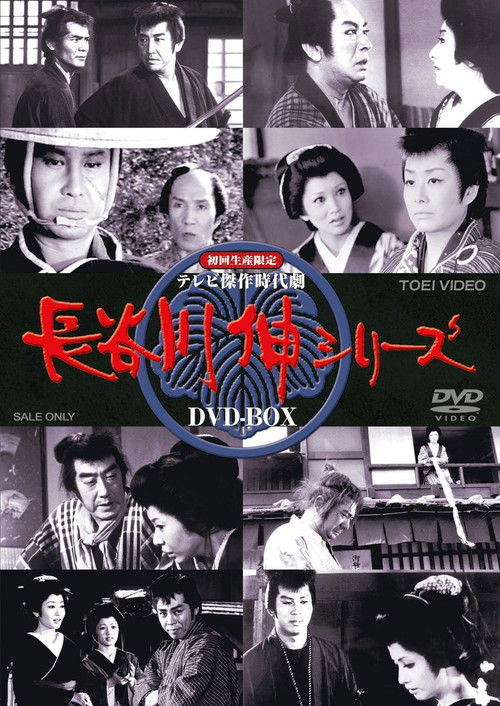
The Shin Hasegawa Series
N/A

From the Taisho era to the Showa 30s, known as the father of popular literature who left many masterpieces and was also a teacher of Shotaro Ikebana and Yumie Hiraiwa, this omnibus work was produced based on the works of Shin Hasegawa and broadcasted from 1972 to 1973 with a total of 30 episodes.

The Shin Hasegawa Series

1972
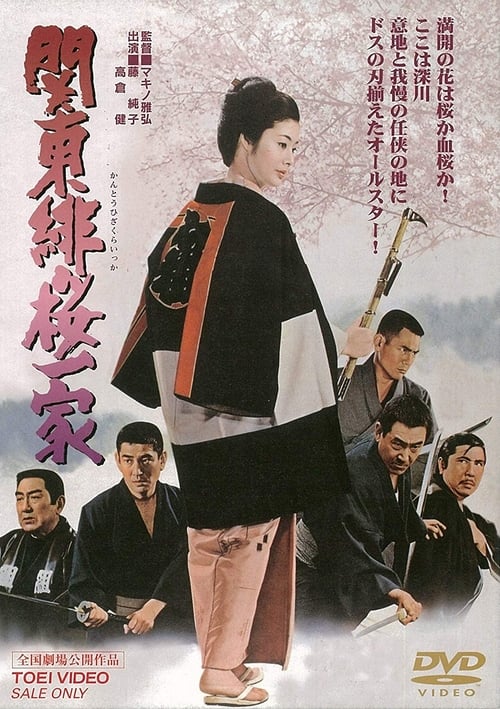
The Kanto Scarlet Cherry Gang
6.8

The Ni Family is the most well know and respected group of firefighters in the Kanto region. When their leader dies and the successor disappears, Tsuruji, a beautiful yet tough geisha, becomes the boss. But will she be able to confront a yakuza gang trying to take over the area?

The Kanto Scarlet Cherry Gang

1972
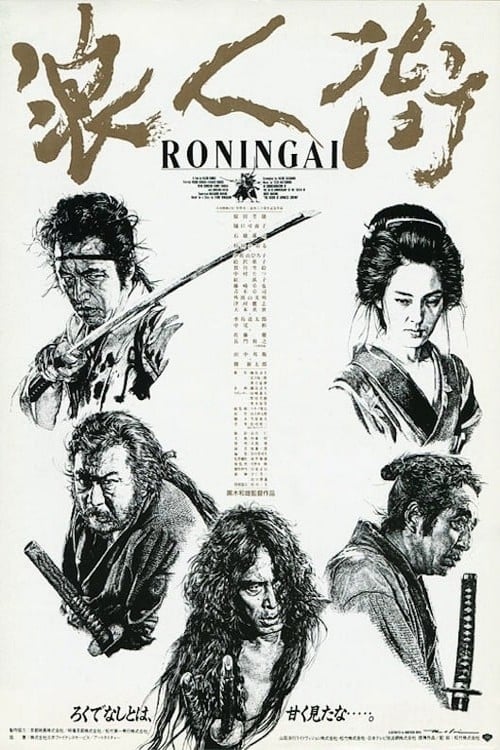
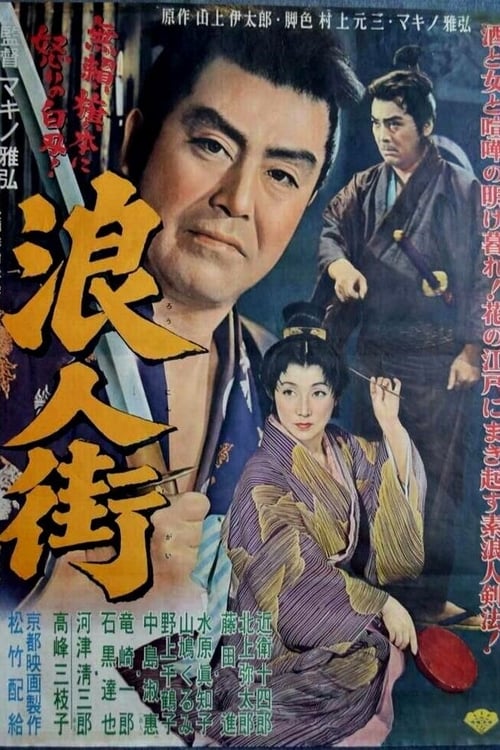
Ronin-gai
6.2

Near the end of Japanese civil war, several disgraced ronin living in Edo's red light district attempt to regain their honor by defending a brothel from a hostile militia bent on wiping out local prostitutes.

Ronin-gai

1990
The Domain: The Naniwa Story
4.8

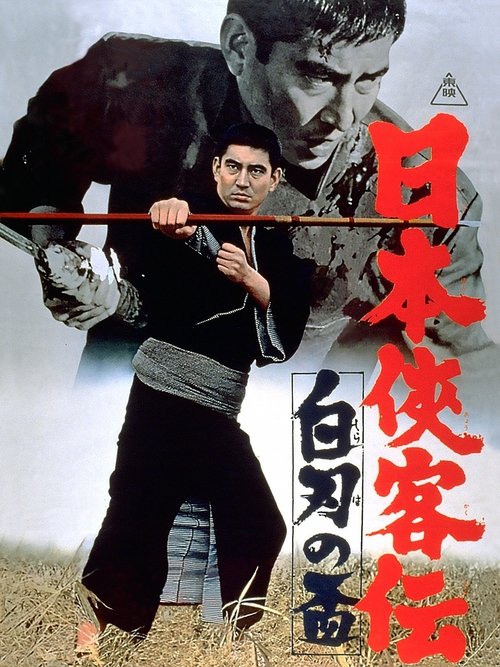
Second film of Makino's Nihon Kyokakuden series set in Osaka's harbor. The series also known as "The Domain" Each a stand alone film in it's own, none are connected other than starring the famous Ken Takakura as the main Character. This story begins with Ken Takakura's character coming to Osaka after his brother's death. Another exciting yakuza story with superb yakuza action!!

The Domain: The Naniwa Story

1965
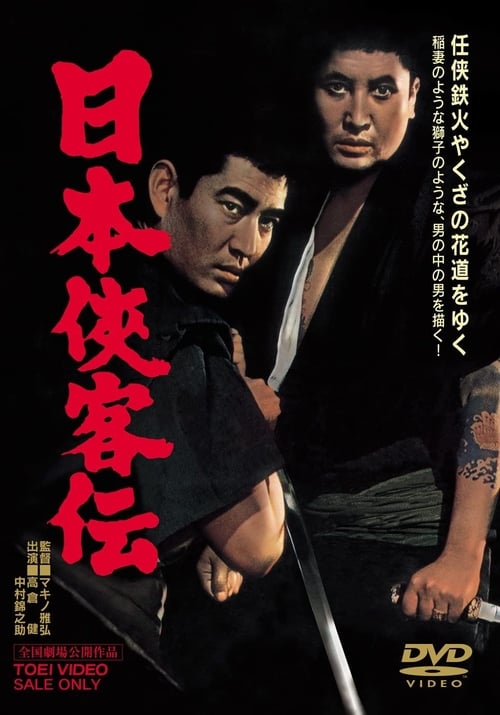
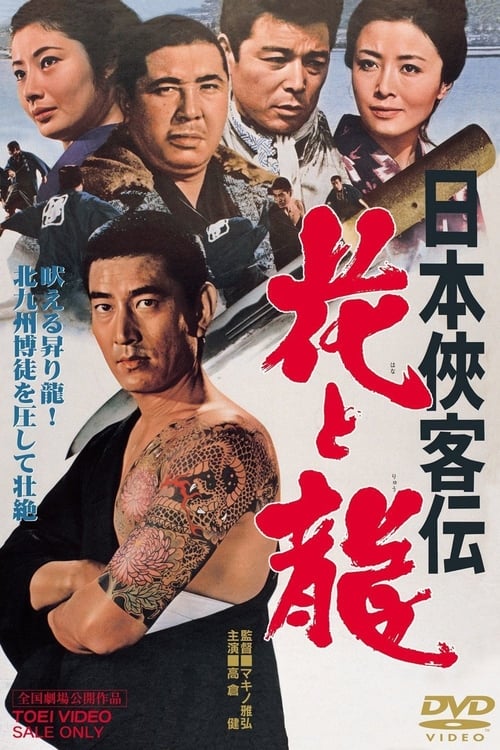
The Domain: Flower and Dragon
10.0

No description available.

The Domain: Flower and Dragon

1969
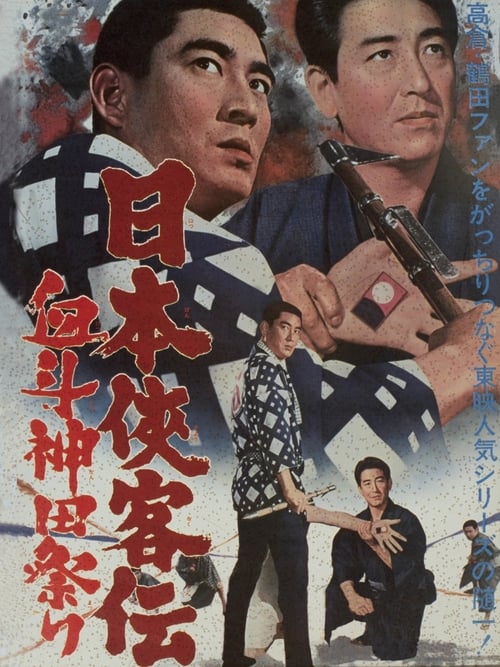
The Domain: Kanto Legends of Chivalry
7.5

Third part of Nihon Kyokakuden series is set in Kanto in 1924. Ken Takakura playing a ship's mate befriending fish shop owners harassed by yakuza.

The Domain: Kanto Legends of Chivalry

1965
Jirocho in Disgrace
9.0

No description available.

Jirocho in Disgrace

1954
Woman Boss
8.0

No description available.

Woman Boss

1970
No image
7.0

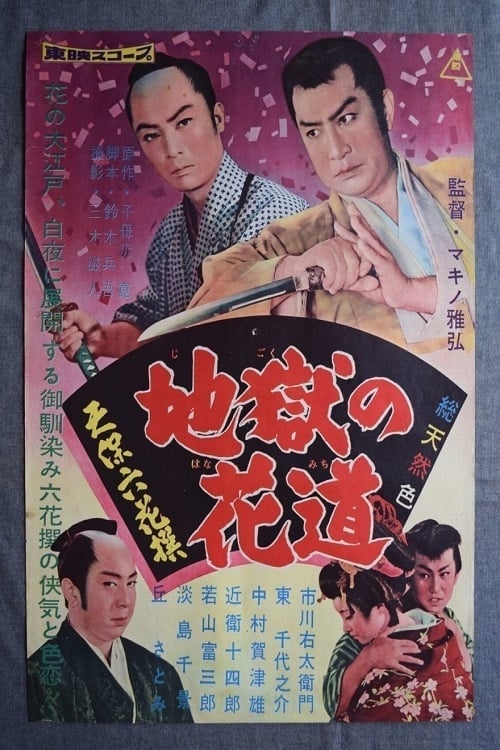
Young yakuza Shujiro Hanada goes to prison after losing his cool in a rigged gambling game and slashing a few other players. When he's released in 1927, the world has changed. His sister died in the Great Kanto Earthquake and his father is also gone. His brother Jukichi invites him to stay at his in-laws and works in their family pub. He lies low, helping his blind mother-in-law and slowly developing a relationship with Ikuye, the hostess who helped him before his arrest. But trouble lurks when the resident gang decides to show its strength.

Brutal Tales of Chivalry 7: Hell Is a Man's Destiny

1970
Brutal Tales of Chivalry 5: Man With The Karajishi Tattoo
7.7

Hidejirō is sent to prison after killing the boss of a rival family. After being released, he discovers that his family has scattered and he is taken in by a company of quarry workers, whose boss has a strict code of non-violence. When the rival family tries to take over the company and kills their boss, Hidejirō must choose between his promise of non-violence and his yakuza code of revenge...

Brutal Tales of Chivalry 5: Man With The Karajishi Tattoo

1969
Contemporary Tales of Chivalry 4
7.5

Fierce war breaks out when Shujiro’s rival clan attempts to sabotage his lucrative construction business.

Contemporary Tales of Chivalry 4

1967
The Domain: Kanda Festival Showdown
9.0

The Domain: Kanda Festival Showdown

The Domain: Kanda Festival Showdown

1966
The Chivalrous Life
8.5

Ryoma is a former military man who gets to know the leader of a yakuza group and begins to work with them, helping them defend themselves against other yakuza gangs.

The Chivalrous Life

1967
Whirlwind Magistrate
6.0

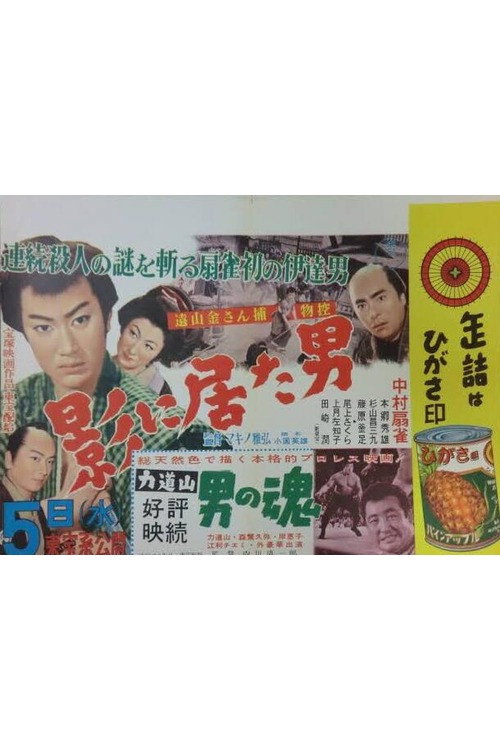
One of the most popular history-based characters is back when Magistrate Saemonojo Toyama no Kinsan investigates the tragic shipwreck of the 'Sadomaru' near Cape Kasumigaseki. The ship carrying gold bars from Sado Island to Edo for the shogunate disappeared into the ocean on a day with clear skies and no wind. While it is conveniently blamed on a surprise tornado or whirlwind, the Sado Magistrate asks his lifelong friend Magistrate Toyama to get to the root of the mystery in order to save his reputation and avoid a life of shame.

Whirlwind Magistrate

1959
No image
8.0

The Opium War is a 1943 black-and-white Japanese film directed by Masahiro Makino. "Ahen senso" in Japan refers to the First Opium War. The story of the film concerns this war.

The Opium War

1943
New Prison Walls of Abashiri
6.5

Former soldier, Suehiro Katsuji, fights violent gangs and powerful Chinese merchants during the post-war period in Japan.

New Prison Walls of Abashiri

1968
Jirocho’s Days of Youth: Boss of the Tokai Region
7.0

His skill and courage were the best in Japan! The life story of Jirocho, a man who protected people on the Tokaido Road. The fearless Kinnosuke Nakamura enthusiastically plays the young Jirocho from Shimizu in this chivalrous story.

Jirocho’s Days of Youth: Boss of the Tokai Region

1960
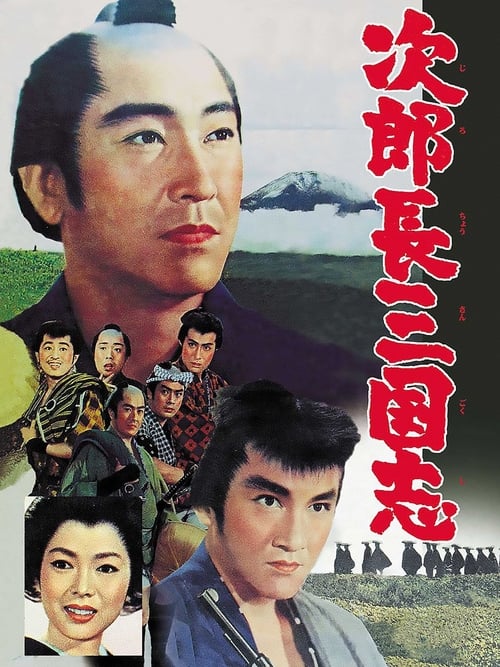
The Kingdom of Jirocho 4
8.0

The continuing adventures of the Jirocho gang.

The Kingdom of Jirocho 4

1965
The Kingdom of Jirocho 1
6.5

The tale of real-life Yakuza boss Shimizu Jirocho is told from his earliest beginnings as a gambler on the road as he forms his gang and sets out on the path to fame and fortune. One of the smartest and strongest of all the gang bosses, he went on to survive the end of the samurai era and become a successful businessman. But first, he must survive against all odds in order to build his reputation and develop his strength. Powerful portrayals of the group are led by the great Tsuruta Koji with help from the likes of Matsukata Hiroki.

The Kingdom of Jirocho 1

1963
Last of the Wild Ones
8.0

A legendary gangster raises himself out of a small town and gathers followers on his rise to power.

Last of the Wild Ones

1954