Acting
No description available.
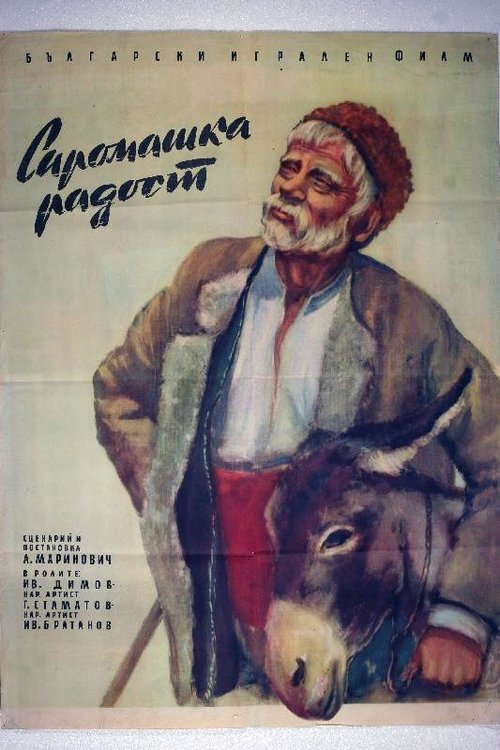
The rich villager Yuftalana discovers that someone has broken corn from the cornfield. By chance he sees the thief - a child of a poor man. Blinded by rage, Yuftalana kills him with a stone...
A family evacuates to the Bulgarian countryside during World War II
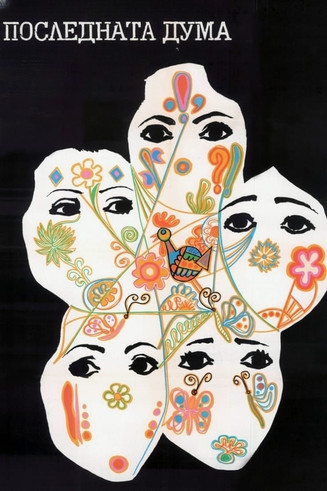
The seven women inmates in Poslednata Duma are imprisoned because they have been associated with partisans opposing the fascist puppet government of the German Nazis. Each of them has the power to save herself if she will betray the others, and each bravely refuses to do so, even though it means they all will die. Despite their grim situation, and the atrocities perpetuated on them as political prisoners, they manage to laugh, and even celebrate a festival.
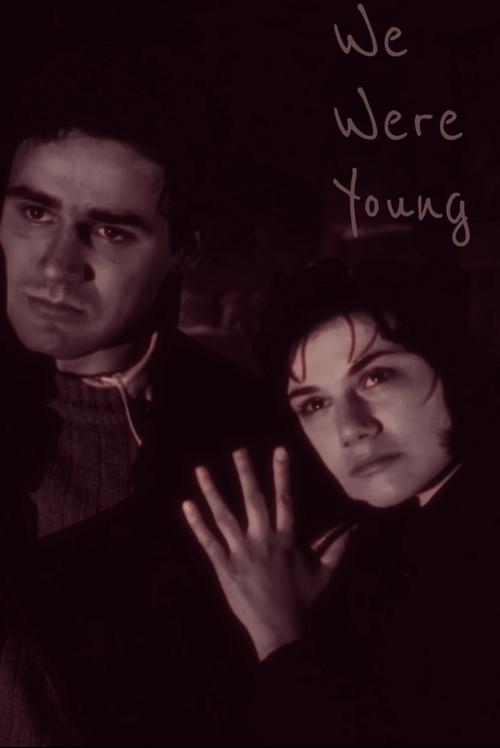
During Second World War a beautiful love between two young people burns out against the background of the Nazi reality.
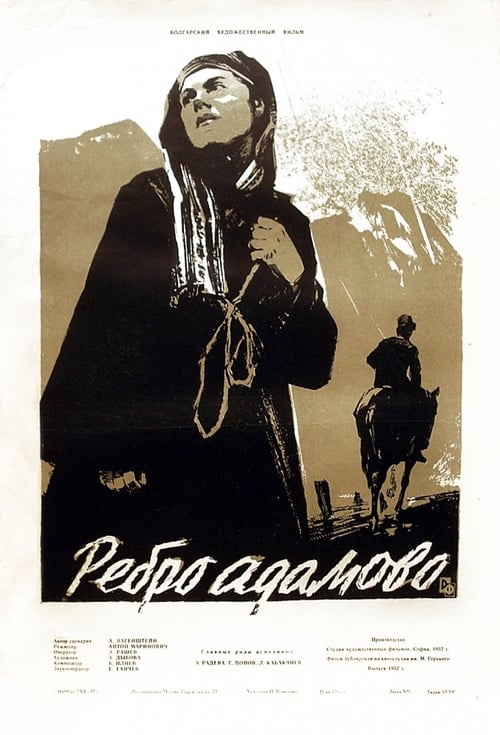
The young Bulgarian Muslim woman Zyulker wants to study and become a teacher. Her father decides to arrange a marriage to her. After the wedding, she runs away and goes to the town. There she starts work in a hostel. Her husband takes her back. He beats and humiliates her. She gives birth to her child prematurely, takes the baby and goes to the school for Muslim in the town. She has to surmount many difficulties. The young woman meets her first teacher Stefanov. The two fall in love. With his help, Zyulker finishes her study successfully and makes up her mind to return to her native village as a teacher. Stefanov follows her and proposes to her. The two embrace.
The charming young man Ran is a director in a school in his hometown. His classmate Mariana is his wife. At the first glance, things are like, as they ought to be. In the world of untold words and timid gestures something important is missing - the understanding. He cannot succumb to the routine, hypocrisy and egoism. Ran sees every moment of his everyday life as a part of everlasting human strive for beauty and perfection, which brings him many troubles and causes conflicts with his colleagues and his friends. The intrigues and betrayal of a part of his colleagues during the visitation of a school inspector make him lose his patience. On a public place, he slaps the inspector who destroys the human dignity of the others. There is a court against Ran. He must leave the school. He leaves his wife Mariana who does not understand him. These misfortunes do not stop his search for real values, real work, real love, in another place, another town, another school.
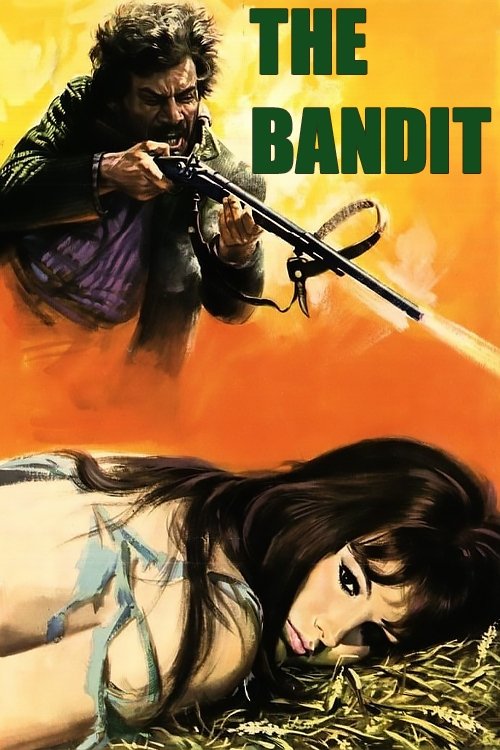
Sicily, 1865. Two peasants, Gramigna and his father are tricked by Baron Nardò and robbed of their field, which then the baron lets to Assunta, her daughter Gemma and her fiancé Ramarro. Determined to take revenge, Gramigna begins to hunt down Nardò's complicit mediators. Unbeknownst to Gramigna, Gemma, to escape her arranged marriage, goes after him. Love and violence will follow all till their desperate ends.
Anthology film based on six short stories by writer Elin Pelin. At the end of a market day, Stoyan learns that after ten years of marriage he has a son. Leaving the inn with his wife Penka, they find a baby girl thrown into their cart. There is no end to the poor man's joy. She too will be raised. Drought kills the land and the people. Grandfather Korchan and Lazar Dabaka decide to build a windmill. Lazar and his bride are traveling by cart to visit their godparents. They spend an unforgettable night under the starry sky.
Cerise is fourteen years old but she looks twenty. Cerise grew up on the outskirts, but now she's exiled to Ukraine. Cerise wears excessive amounts of makeup, but she still has a little girl's dreams. Cerise doesn't know her father, even though she's going to have to live with him. Cerise has only ever thought about herself and now she finds herself in the middle of a revolution.
Natural minerals are found all over the world. They represent the wealth of the country they come from. This film conveys the beauty of minerals.
The poor and illiterate village worker Dimo is in love with his landlord's daughter and events take their course...
The fortunes of a group of partisans after the triumph of the socialist revolution.
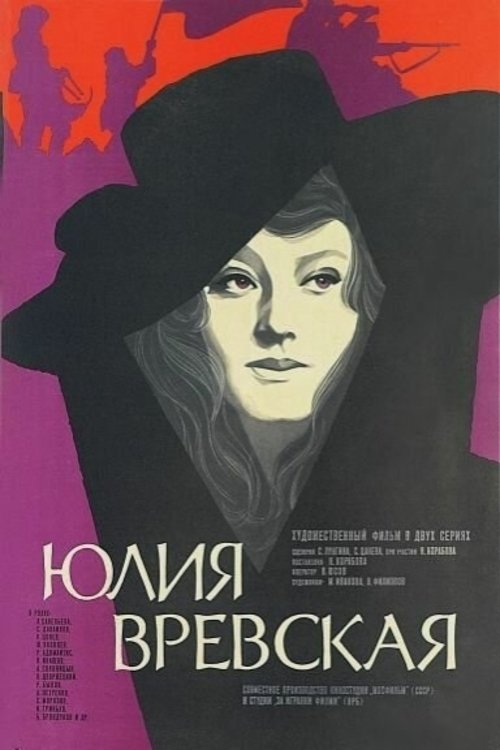
The film is based on a true dramatic story of the fate of a wonderful Russian woman - Countess Yulia Petrovna Vrevskaya, one of the first Petersburg beauties. The events of the movie take place during the Russian-Turkish war for the liberation of the Bulgarian people from the Turkish yoke. An early widowed baroness, having left Petersburg, and having invested all her money in organizing a volunteer sanitary detachment, she becomes a sister of mercy on the front of the Bulgarian war with the Ottoman Empire of 1878.
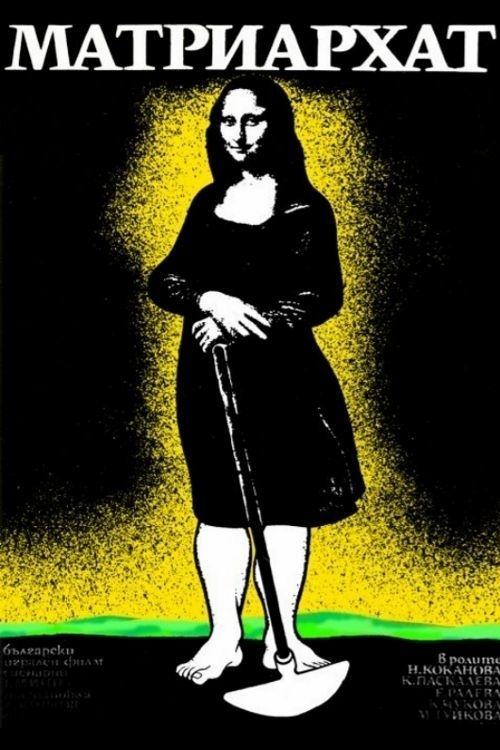
The film belongs to the 'migration cycle' in the Bulgarian cinema. It is about the drama of a group of women who have been left alone in their 'female kingdom' - a village deserted by its entire men folk.
The three grotesque novels whose action takes place at different times of the recent past are united by a common thematic key – their protest against violence and militarism, expressed by means of a kind of absurd humor.
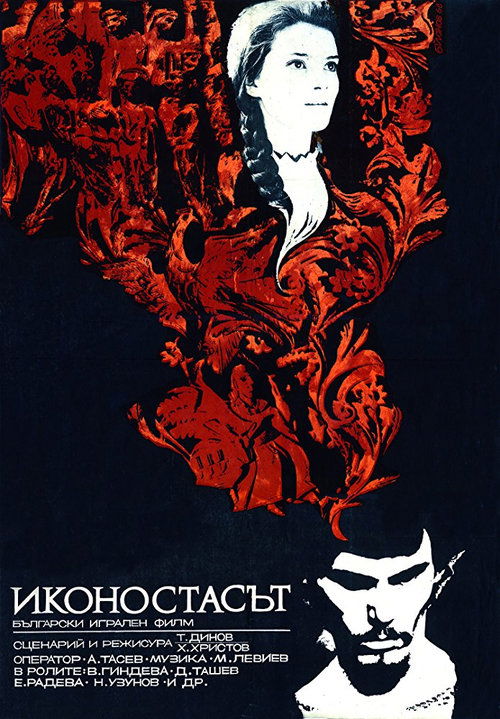
In late 19th century, a carver-cutter arrives in a little town to make the iconostasis of the newly built church. He is being accommodated in the house of a respected family. He is working slowly because of his love for the daughter of his hosts. They resist in every possible way and pay a high price: Their daughter dies. Though in despair, the master completes the iconostasis: a masterpiece the locals perceive as a heresy. And he leaves once again without any destination.
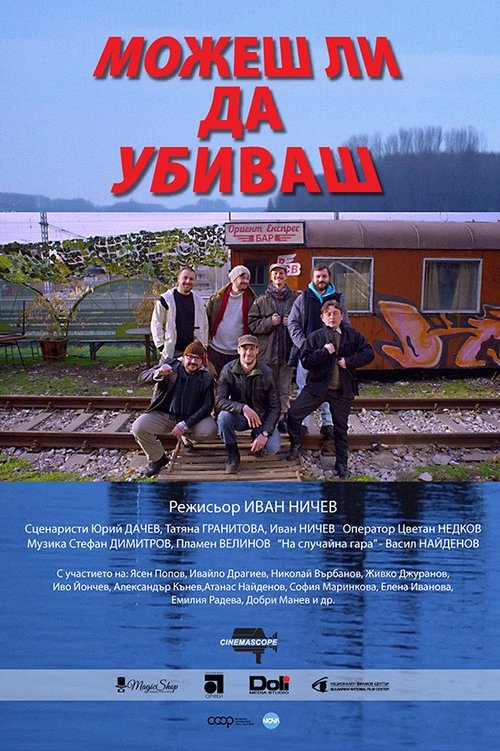
Seven Bulgarians living in a small town on the Danube river decide to become contract soldiers rangers to get rid of poverty. Their training drills and military maneuvers provoke smiles but thoughts as well for the fate of Europe and the world.
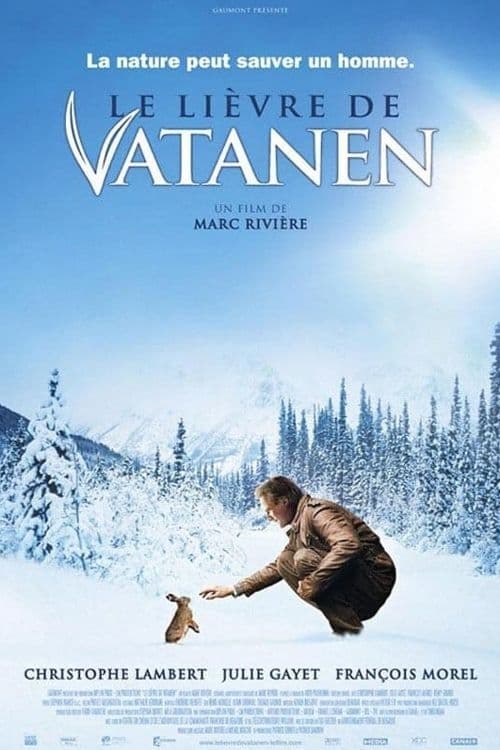
A reporter who's soon to receive the Journalist of the Year Award hits a young hare on his way home. He gets out of the car to see if it's ok, but the hare runs off deeper into the forest, taking him on adventure of self-discovery.
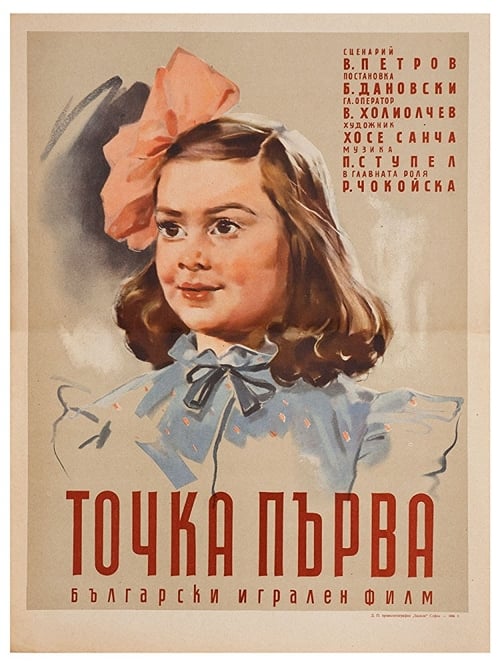
A quite line in the capital city. A little girl, Veseto, slips out of home unnoticed, attracted by the voices of children playing in the yard. when the kids get tired of playing hide-and-seek, they scatter and Veseto sets out in a long stroll across the city, full of exciting adventures. She talks to a chimney sweep, stops to look at some land surveyors at work, watches an interesting football game at the stadium, enjoys herself at the fair, extemporizes as an actress and has a trying experience on a building site. All the people in the neighborhood start looking for the lost child. In the evening, Veseto reappears. She is back to the arms of her mother, while the people in the neighborhood prove by deeds their human solidarity, their love for children and their resolve to struggle for peace, a must for children's future all over the world.