FEEL IT.STREAM
Ethel Barrymore

Ethel Barrymore

Acting

Biography

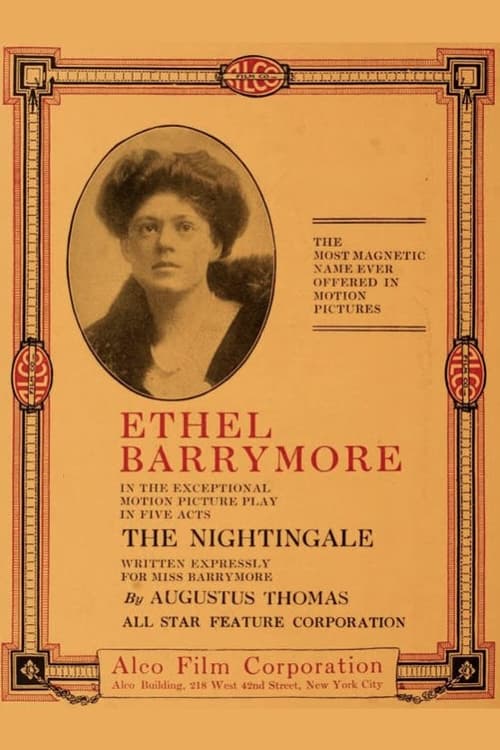
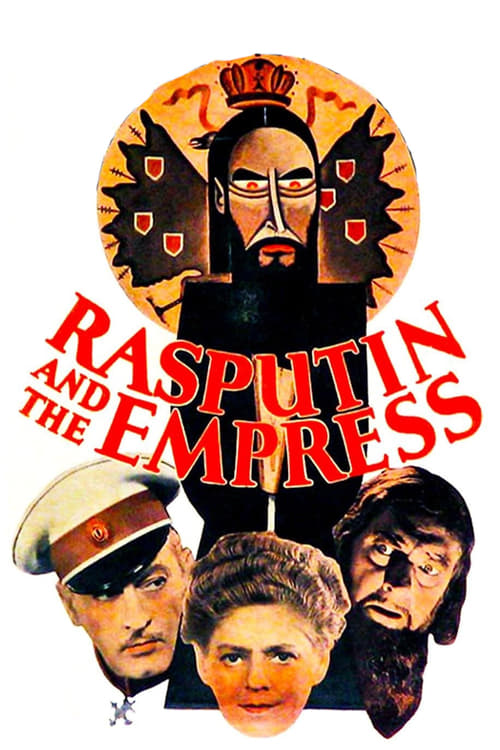
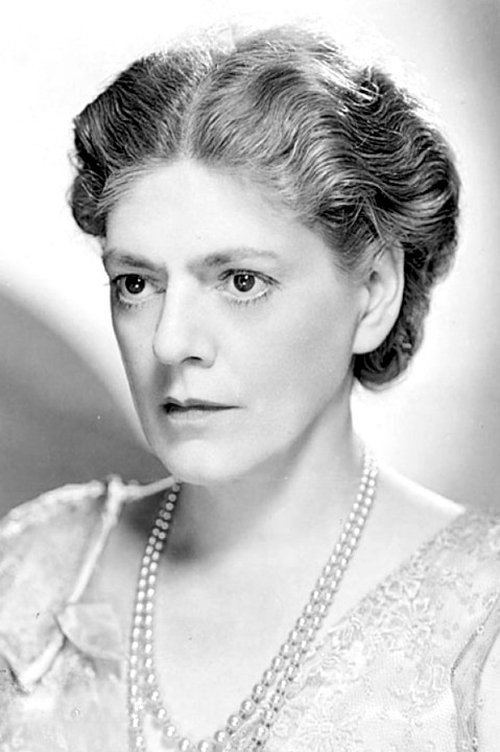
Ethel Barrymore was the second of three children seemingly destined for the actor's life of their parents Maurice and Georgiana. Maurice Barrymore had emigrated from England in 1875, and after graduating from Cambridge in law had shocked his family by becoming an actor. Georgiana Drew of Philadelphia acted in her parents' stage company. The two met and married as members of Augustin Daly's company in New York. They both acted with some of the great stage personalities of the mid Victorian theater of America and England. The Barrymore children were born and grew up in Philadelphia. Though older brother Lionel Barrymore began acting early with his mother's relatives in the Drew theater company, Ethel, after a traditional girl's schooling, planned on becoming a concert pianist. The lure of the stage was perhaps congenital, however. She made her debut as a stage actress during the New York City season of 1894. Her youthful stage presence was at once a pleasure, a strikingly pretty and winsome face and large dark eyes that seemed to look out from her very soul. Her natural talent and distinctive voice only reinforced the physical presence of someone destined to command any role set before her. After the opportunity to appear on the London stage with English great Henry Irving in "The Bells" (1897) and later in "Peter the Great" (1898), she returned to New York to star in the Clyde Fitch play "Captain Jinks of the Horse Marines" (1901) (produced by her friend and benefactor Charles Frohman), which brought her initial American acclaim. Lead roles, such as Nora in Henrik Ibsen's "A Doll's House" (1905) and starring in "Alice By the Fire" (also 1905), "Mid-Channel" (1910) and "Trelawney of the Wells" (1911) proved her popularity as a warm and charismatic star of American stage. In the meantime she married stockbroker Russell Griswold Colt in 1909 and gave birth to three children while continuing her acting career. Although the stage was her first love, she did heed the call of the silver screen, and though not achieving the matinée idol image that younger brother John Barrymore garnered in silent movies after similar chemistry on stage, she won over audiences from her first film appearance in The Nightingale (1914). However, her early film roles, steady through 1919, took a back seat to continued stage triumphs: "Declassee" (1919), her impassioned Juliet in "Romeo and Juliet" (1922), "The Second Mrs. Tanqueray" (1924) and, especially, "The Constant Wife" (1926). She harnessed her considerable talents in the role of an activist as well, being a bedrock supporter of the Actors Equity Association and, in fact, had been a prominent figure in the actors strike of 1919. By 1930 she was entering middle age and her movie roles reflected this. Except for Rasputin and the Empress (1932) with her brothers, the roles were elderly mothers and grandmothers, dowager ladies and spinster aunts. Perhaps wisely she put off Hollywood for over a decade, with stage work that included her most endearing role in "The Corn is Green" (a tour that lasted from 1940 to 1942). She finally moved to Southern California in 1940. When she passed away in 1959, she was interred near her brothers at Calvary Cemetery in East Los Angeles.
Known For

What's My Line?
7.0

Four panelists must determine guests' occupations - and, in the case of famous guests, while blindfolded, their identity - by asking only "yes" or "no" questions.

What's My Line?

1950
Climax!
3.8

Climax! is an American anthology series that aired on CBS from 1954 to 1958. The series was hosted by William Lundigan and later co-hosted by Mary Costa. It was one of the few CBS programs of that era to be broadcast in color. Many of the episodes were performed and broadcast live.

Climax!

1954
Omnibus
6.3

Omnibus is an American, commercially sponsored, educational television series.

Omnibus

1952
Playhouse 90
7.6

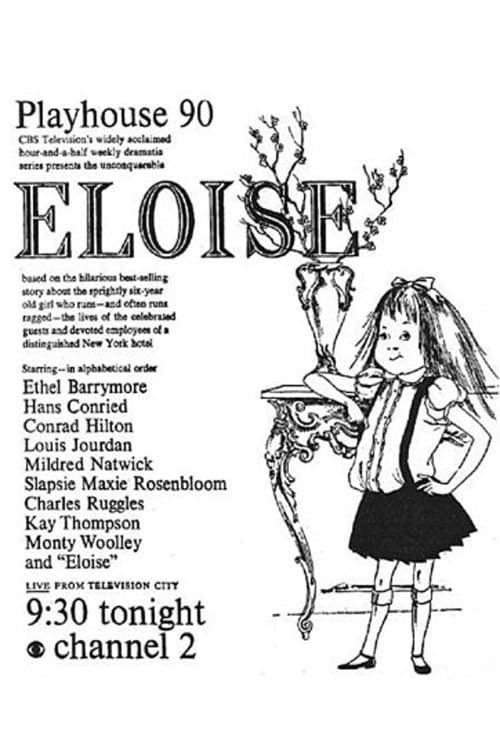
Playhouse 90 is an American television anthology series that was telecast on CBS from 1956 to 1960 for a total of 133 episodes. It originated from CBS Television City in Los Angeles, California. Since live anthology drama series of the mid-1950s were usually hour-long shows, the title highlighted the network's intention to present something unusual, a weekly series of hour-and-a-half dramas rather than 60-minute plays. Playhouse 90 began as a pitch by Frank Stanton—the formidable, forward-thinking right-hand man to CBS chairman William S. Paley—during a brainstorming session for program ideas. The project was ultimately developed by Hubbell Robinson, a CBS vice president who received no screen credit on Playhouse 90 but is often described as its creator.

Playhouse 90

1956
Legends
5.0

The story of the big names that have shaped the musical genres, plus an occasional stopgap for the new rock 'n' roll - comedy.

Legends

2006
General Electric Theater
6.8

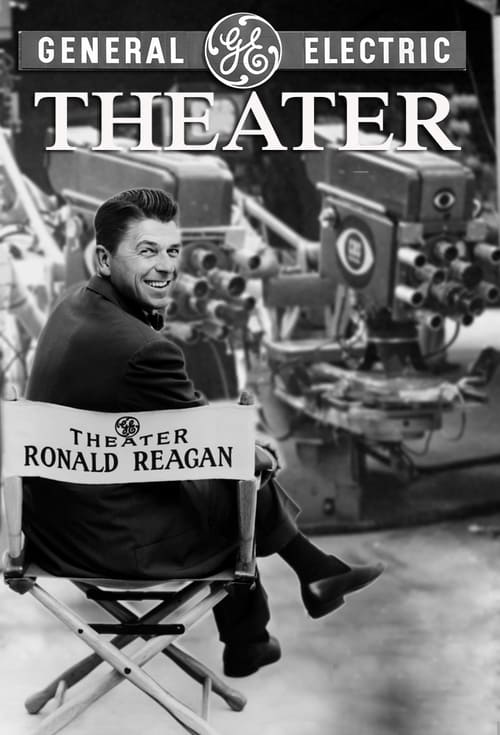
General Electric Theater is an American anthology series hosted by Ronald Reagan that was broadcast on CBS radio and television. The series was sponsored by General Electric's Department of Public Relations.

General Electric Theater

1953
Moonrise
6.3

Stigmatized from infancy by the fate of his criminal father, a man is bruised and bullied until one night, in a fit of rage, he kills his most persistent tormentor. As the police close in around him, he makes a desperate bid for the love of the dead man’s fiancée, a schoolteacher who sees the wounded soul behind his aggression.

Moonrise

1948
The Story of Three Loves
6.0

Passengers on an ocean liner recall their greatest loves.

The Story of Three Loves

1953
The Paradine Case
6.3

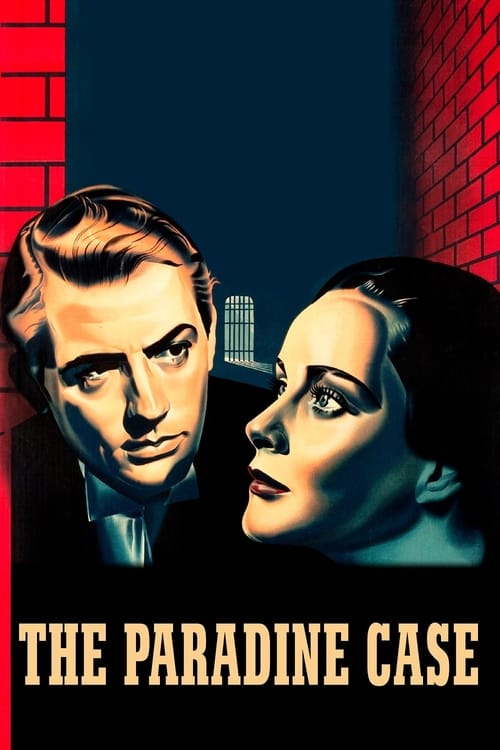
In London, barrister Anthony Keane takes the case of Maddalena Paradine, a beautiful woman accused of poisoning her blind husband. Though happily married, Keane becomes infatuated with his enigmatic client and convinced of her innocence. His obsession clouds his judgment as he builds a defense implicating her servant, André Latour—an act that leads to devastating consequences both in court and at home.

The Paradine Case

1947
Deadline - U.S.A.
6.9

New York City newspaper The Day is in trouble. Even though editor Ed Hutcheson has worked hard running the paper, its circulation has been steadily declining. Now the publisher's widow wants to sell the paper, which will most likely mean its end. Hutcheson's only hope is to finish his exposé on a dangerous gangster before the sale is finalized.

Deadline - U.S.A.

1952
That's Entertainment!
7.4

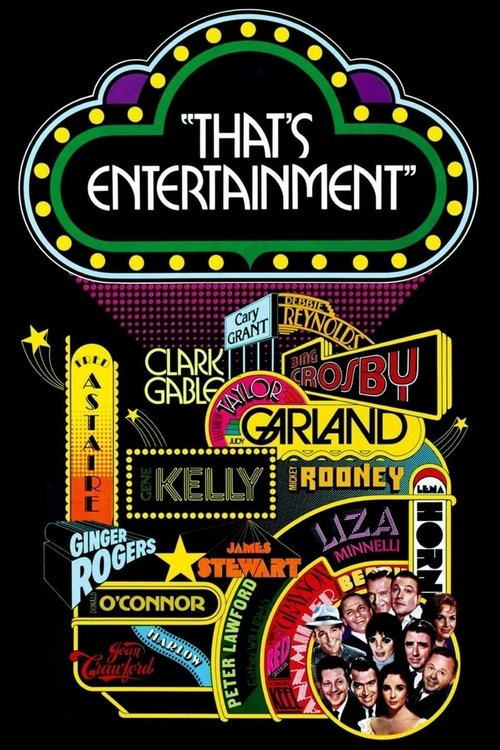
Various MGM stars from yesterday present their favorite musical moments from the studio's 50 year history.

That's Entertainment!

1974
The Spiral Staircase
7.1

On a stormy night, the mute servant to an ailing matriarch is stalked by a serial killer.

The Spiral Staircase

1946
Pinky
7.1

Pinky, a light skinned black woman, returns to her grandmother's house in the South after graduating from a Northern nursing school. Pinky tells her grandmother that she has been "passing" for white while at school in the North. In addition, she has fallen in love with a young white doctor, who knows nothing about her black heritage.

Pinky

1949
The Farmer's Daughter
7.1

After leaving her family's farm to study nursing in the city, a young woman finds herself on an unexpected path towards politics.

The Farmer's Daughter

1947
Portrait of Jennie
7.2

A mysterious girl inspires a struggling artist.

Portrait of Jennie

1948
The Great Sinner
6.8

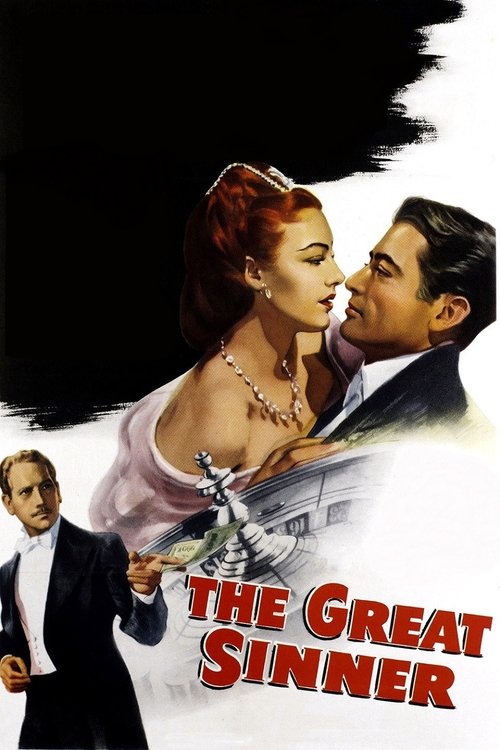
A young man succumbs to gambling fever.

The Great Sinner

1949
Show-Business at War
7.0

A multi-studio effort to show the newsreel audience the progress of the Hollywood war effort.

Show-Business at War

1943
Kind Lady
7.0

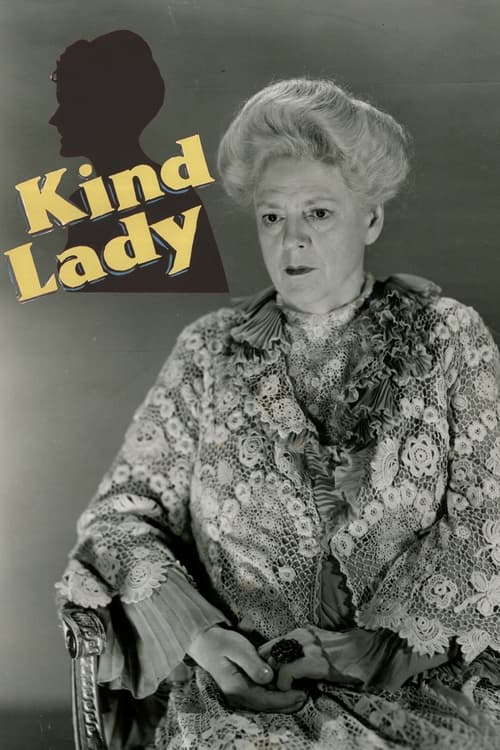
Mary Herries has a passion for art and fine furniture. Even though she is getting on in years, she enjoys being around these priceless articles. One day she meets a strange young painter named Elcott, who uses his painting skill to enter into her life. Little does she expect that his only interest in Mary is to covet everything she has.

Kind Lady

1951
Young at Heart
6.0

The lives and romances of three sisters in a musical family; the youngest daughter's life is complicated by the subsequent arrival of a charming composer and a cynical music arranger.

Young at Heart

1954
It's a Big Country
5.9

Comprised of eight unrelated episodes of inconsistent quality, this anthology piece of American propaganda features some of MGM Studios' best directors, screenwriters and actors; it is narrated by Louis Calhern. Stories are framed by the lecture of a university professor. In one tale a Boston resident becomes angry when the census forgets to record her presence. Another sketch chronicles the achievements of African Americans while still another pays tongue-in-cheek tribute to Texas.

It's a Big Country

1951