Acting
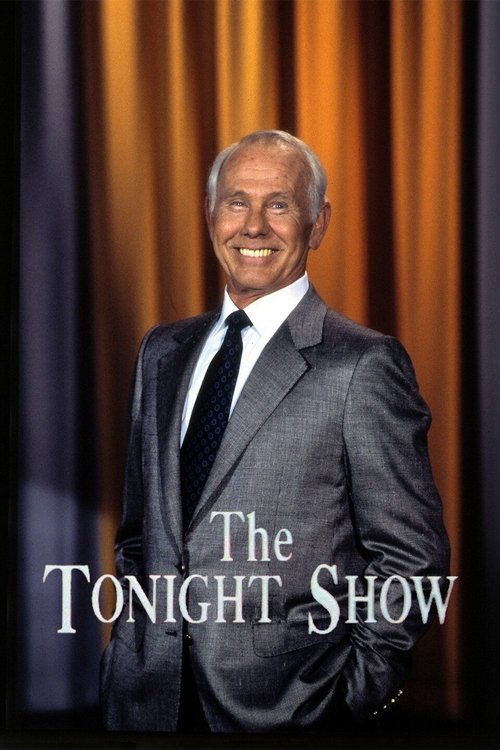
The Tonight Show Starring Johnny Carson is a talk show hosted by Johnny Carson under The Tonight Show franchise from 1962 to 1992. It originally aired during late-night. For its first ten years, Carson's Tonight Show was based in New York City with occasional trips to Burbank, California; in May 1972, the show moved permanently to Burbank, California. In 2002, The Tonight Show Starring Johnny Carson was ranked #12 on TV Guide's 50 Greatest TV Shows of All Time.
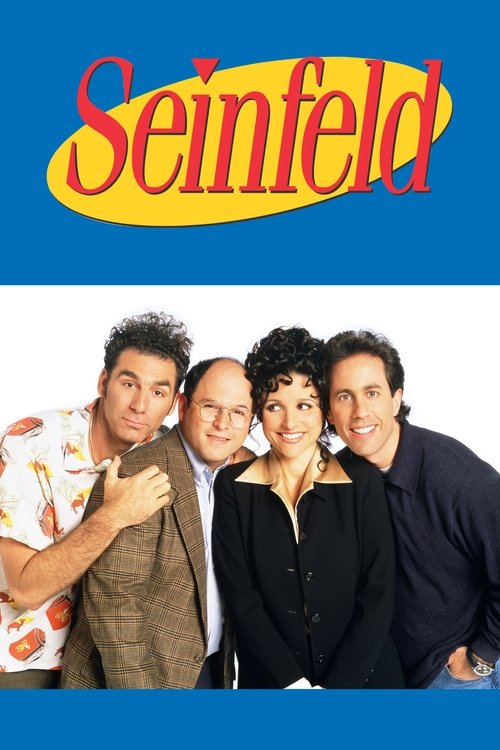
A stand-up comedian and his three offbeat friends weather the pitfalls and payoffs of life in New York City in the '90s. It's a show about nothing.
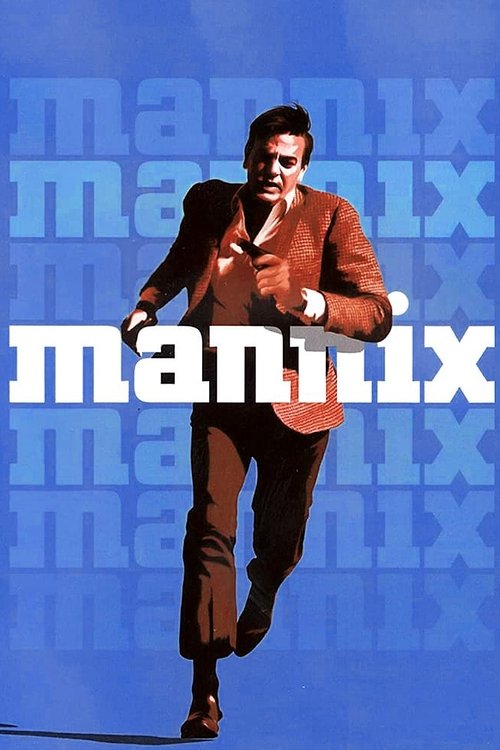
Mannix is an American television detective series that ran from 1967 through 1975 on CBS. Created by Richard Levinson and William Link and developed by executive producer Bruce Geller, the title character, Joe Mannix, is a private investigator. He is played by Mike Connors. Mannix was the last series produced by Desilu Productions.
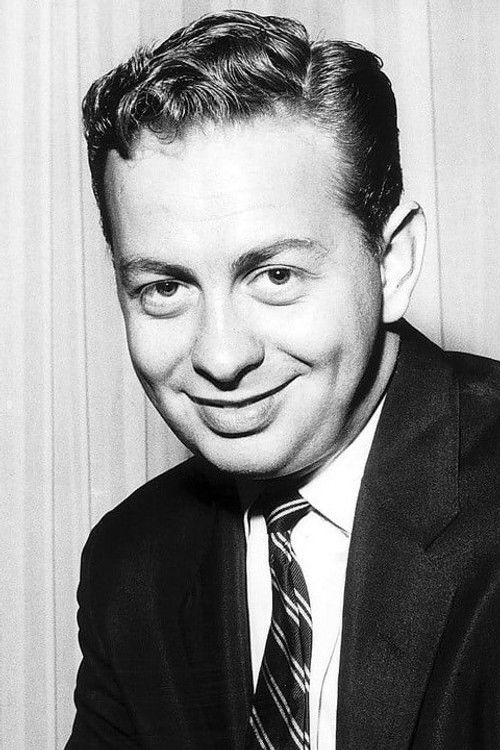
The Mike Douglas Show is an American daytime television talk show hosted by Mike Douglas that originally aired only in the Cleveland area during much of its first two years on the air. It then went into syndication in 1963 and remained on television until 1982. It was distributed by Westinghouse Broadcasting and for much of its run, originated from studios of two of the company's TV stations in Cleveland and Philadelphia.
No description available.
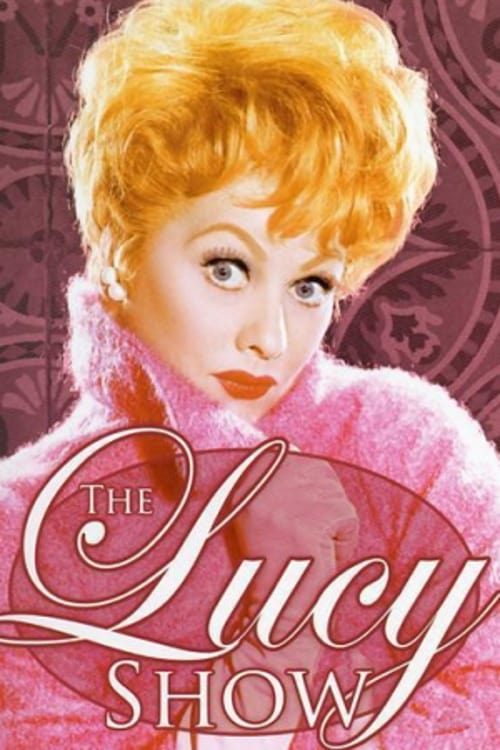
The Lucy Show is an American sitcom that aired on CBS from 1962–68. It was Lucille Ball's follow-up to I Love Lucy. A significant change in cast and premise for the 1965–66 season divides the program into two distinct eras; aside from Ball, only Gale Gordon, who joined the program for its second season, remained. For the first three seasons, Vivian Vance was the co-star. The earliest scripts were entitled The Lucille Ball Show, but when this title was declined, producers thought of calling the show This Is Lucy or The New Adventures of Lucy, before deciding on the title The Lucy Show. Ball won consecutive Emmy Awards as Outstanding Lead Actress in a Comedy Series for the series' final two seasons, 1966–67 and 1967–68.
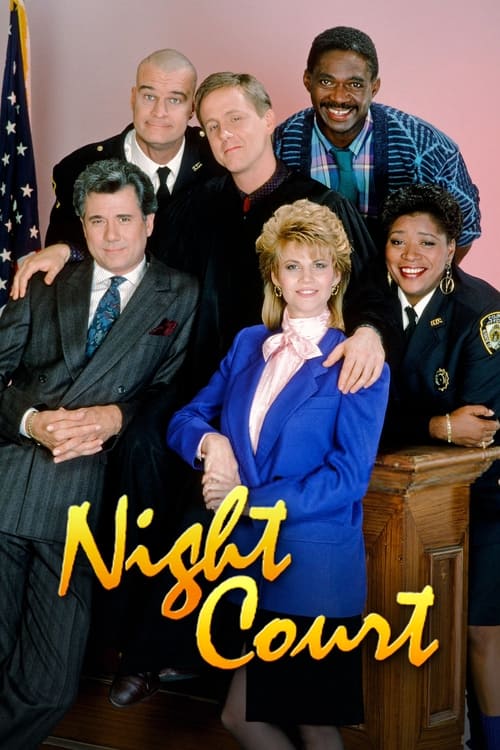
An eccentric fun-loving judge presides over an urban night court and all the silliness going on there.
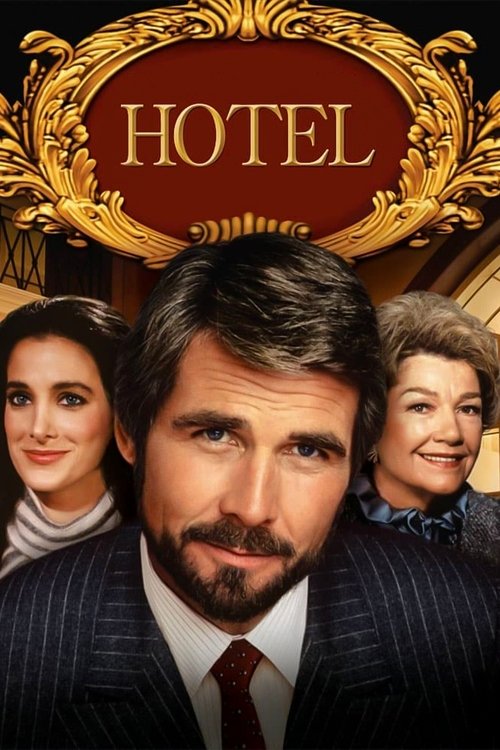
Hotel is an American prime time drama series which aired on ABC from September 21, 1983 to May 5, 1988 in the timeslot following Dynasty. Based on Arthur Hailey's 1965 novel of the same name, the series was produced by Aaron Spelling and set in the elegant and fictitious St. Gregory Hotel in San Francisco. Establishing shots of the hotel were filmed in front of The Fairmont San Francisco atop the Nob Hill neighborhood. Episodes followed the activities of passing guests, as well as the personal and professional lives of the hotel staff.
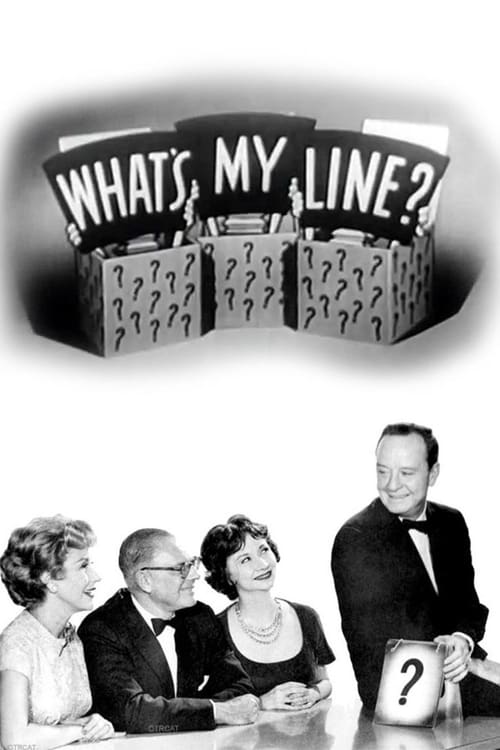
Four panelists must determine guests' occupations - and, in the case of famous guests, while blindfolded, their identity - by asking only "yes" or "no" questions.
In his basement in San Francisco, boy-genius Quinn Mallory unlocks the doorway to an infinite number of Earths. During a test run, Quinn invites co-worker Wade Welles and his teacher Professor Maximillian Arturo to see his new invention. But an increase in power and an early departure leave all three, plus a washed-up soul singer named Rembrandt "Crying Man" Brown, lost in a parallel world. Now they must "slide" from world to world, not only adapting to their changing surroundings, but also trying to get back to their world. Will they ever make it home?
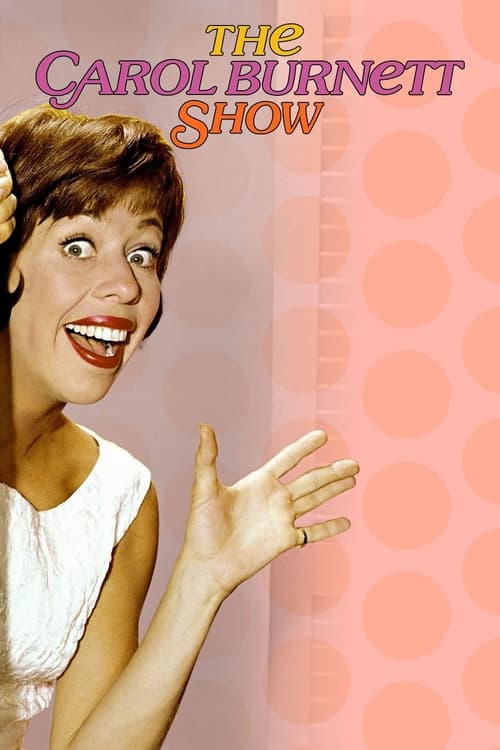
The Carol Burnett Show is an American variety/sketch comedy television show starring Carol Burnett, Harvey Korman, Vicki Lawrence, Lyle Waggoner, and Tim Conway. It originally ran on CBS from September 11, 1967, to March 29, 1978, for 278 episodes and originated from CBS Television City's Studio 33. The series won 25 prime time Emmy Awards, was ranked No. 16 on TV Guide's 50 Greatest TV Shows of All Time in 2002 and in 2007 was listed as one of Time magazine's "100 Best TV Shows of All Time."
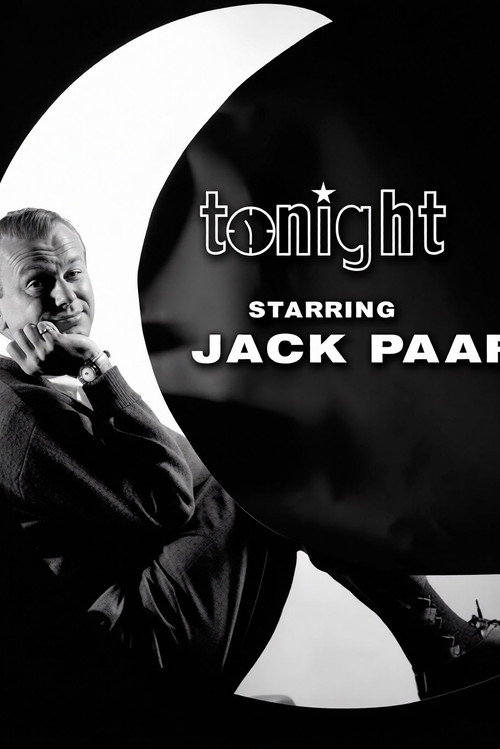
Tonight Starring Jack Paar is an American talk show hosted by Jack Paar under The Tonight Show franchise from 1957 to 1962. It originally aired during late-night. During most of its run it was broadcast from Studio 6B inside the RCA Building. The same studio would also host early episodes of The Tonight Show Starring Johnny Carson, and Late Night with Jimmy Fallon. Its theme song was an instrumental version of "Everything's Coming Up Roses", and the closing theme was "So Until I See You" by Al Lerner.
The Dick Cavett Show has been the title of several talk shows hosted by Dick Cavett on various television networks.
The Ed Sullivan Show is an American TV variety show that originally ran on CBS from Sunday June 20, 1948 to Sunday June 6, 1971, and was hosted by New York entertainment columnist Ed Sullivan. It was replaced in September 1971 by the CBS Sunday Night Movie, which ran only one season and was eventually replaced by other shows. In 2002, The Ed Sullivan Show was ranked #15 on TV Guide's 50 Greatest TV Shows of All Time.
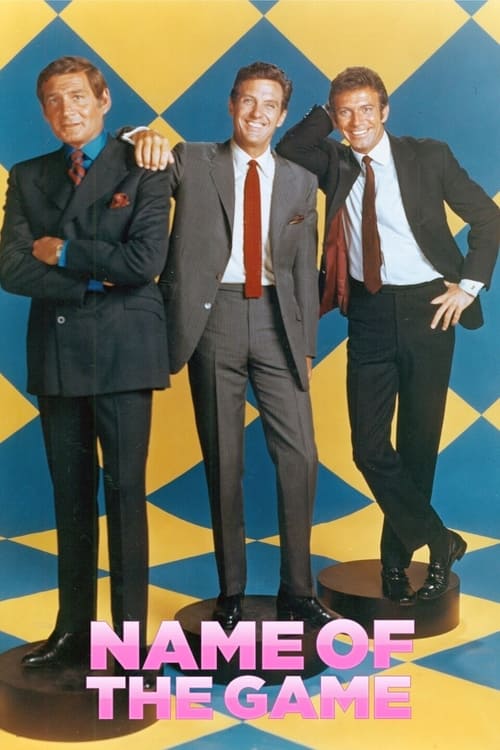
The Name of the Game is an American television series starring Tony Franciosa, Gene Barry, and Robert Stack that ran from 1968 to 1971 on NBC, totaling 76 episodes of 90 minutes. It was a pioneering wheel series, setting the stage for The Bold Ones and the NBC Mystery Movie in the 1970s. The show had an extremely large budget for a television series.
Playhouse 90 is an American television anthology series that was telecast on CBS from 1956 to 1960 for a total of 133 episodes. It originated from CBS Television City in Los Angeles, California. Since live anthology drama series of the mid-1950s were usually hour-long shows, the title highlighted the network's intention to present something unusual, a weekly series of hour-and-a-half dramas rather than 60-minute plays. Playhouse 90 began as a pitch by Frank Stanton—the formidable, forward-thinking right-hand man to CBS chairman William S. Paley—during a brainstorming session for program ideas. The project was ultimately developed by Hubbell Robinson, a CBS vice president who received no screen credit on Playhouse 90 but is often described as its creator.
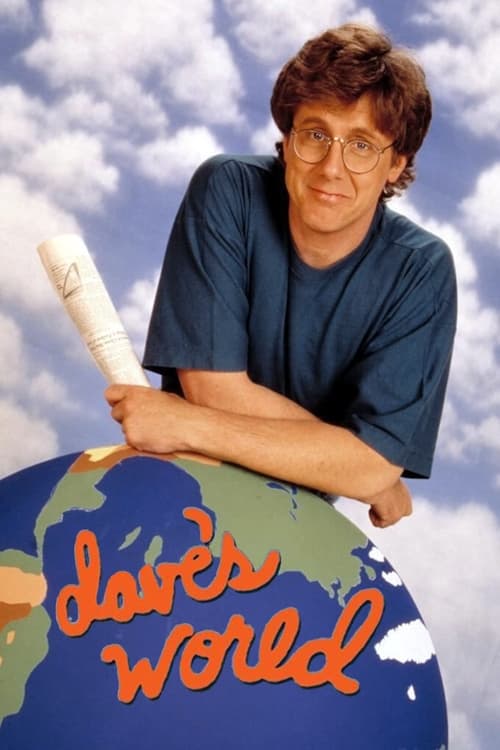
Dave's World is an American sitcom that aired on CBS from 1993 to 1997. The series is based on the writing of Miami Herald columnist Dave Barry.
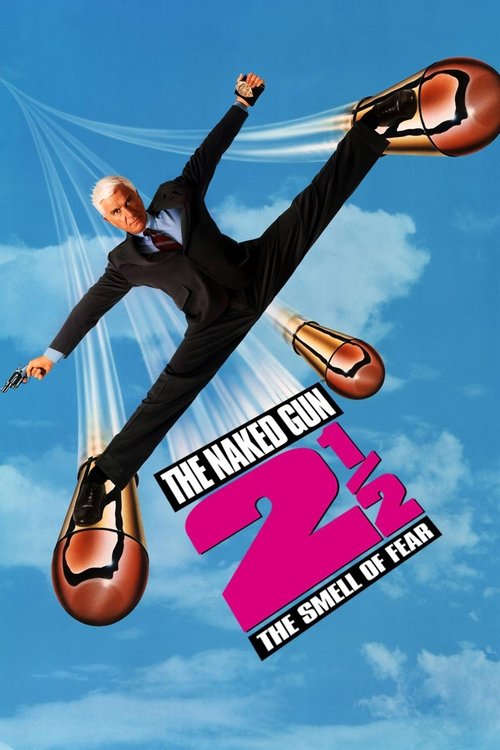
Bumbling lieutenant Frank Drebin is out to foil the big boys in the energy industry, who intend to suppress technology that will put them out of business.
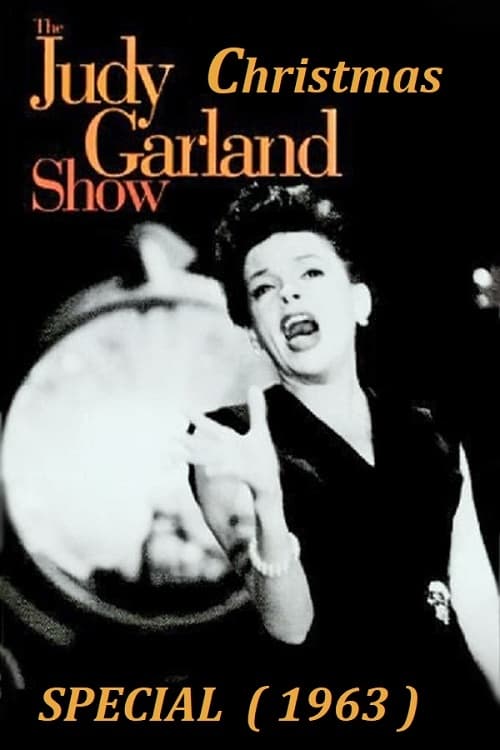
The Judy Garland Show is an American musical variety television series that aired on CBS on Sunday nights during the 1963-1964 television season. Despite a sometimes stormy relationship with Judy Garland, CBS had found success with several television specials featuring the star. Garland, who for years had been reluctant to commit to a weekly series, saw the show as her best chance to pull herself out of severe financial difficulties. Production difficulties beset the series almost from the beginning. The series had three different producers in the course of its 26 episodes and went through a number of other key personnel changes. With the change in producers also came changes to the show's format, which started as comedy/variety but switched to an almost purely concert format. While Garland herself was popular with critics, the initial variety format and her co-star, Jerry Van Dyke, were not. The show competed with Bonanza, then the fourth most popular program on television, and consistently performed poorly in the ratings. Although fans rallied in an attempt to save the show, CBS cancelled it after a single season. TV Guide included the series in their 2013 list of 60 shows that were "Cancelled Too Soon".