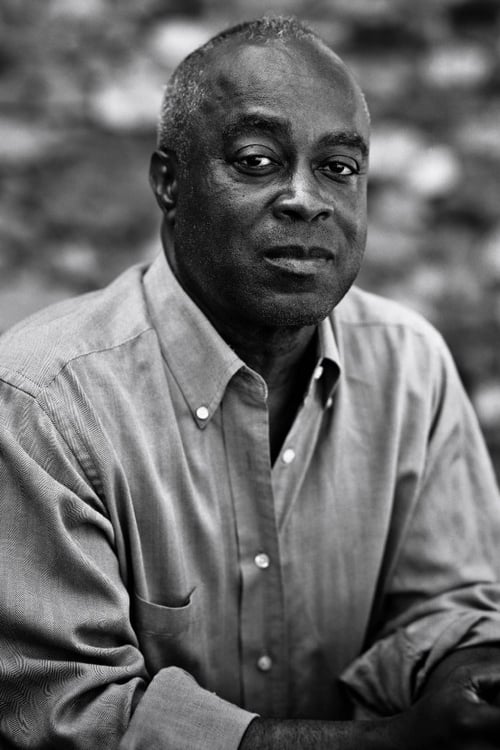
Charles Burnett
Directing
Biography
Charles Burnett is an American film director, producer, writer, editor, actor, photographer, and cinematographer. His most popular films include Killer of Sheep (1977), My Brother’s Wedding (1983), To Sleep with Anger (1990), The Glass Shield (1994), and Namibia: The Struggle for Liberation (2007). He has been involved in other types of motion pictures including shorts, documentaries, and a TV series. Considered by the Chicago Tribune as “one of America’s very best filmmakers”, and by the New York Times as “the nation’s least-known great filmmaker and most gifted black director”, Charles Burnett has had a long and diverse filmmaking career.
Known For

This acclaimed Emmy Award-winning anthology series features documentaries and a limited number of fiction films united by the creative freedom, artistic achievement and unflinching visions of their independent producers and featuring unforgettable stories about a unique individual, community or moment in history.
Independent Lens

A worldwide guided tour of the greatest movies ever made and the story of international cinema through the history of cinematic innovation.
The Story of Film: An Odyssey

The Blues (2003) is a seven-part documentary series produced by Martin Scorsese that explores the history and influence of blues music. Each episode, directed by a different filmmaker, traces a unique aspect of the genre’s evolution—from its African roots to its global impact. Originally airing on PBS, the series includes Scorsese’s Feel Like Going Home, Wim Wenders’ The Soul of a Man, Richard Pearce’s The Road to Memphis, Charles Burnett’s Warming by the Devil’s Fire, Marc Levin’s Godfathers and Sons, Mike Figgis’ Red, White and Blues, and Clint Eastwood’s Piano Blues.
The Blues

The epic story of the actors, writers, directors, and producers who fought for their place on the page, behind the camera and on the screen. From blackface to Black Panther, this series is a definitive chronicle of more than a century of the black experience in Hollywood and a powerful reexamination of a quintessentially American story – in brilliant color.
Hollywood Black

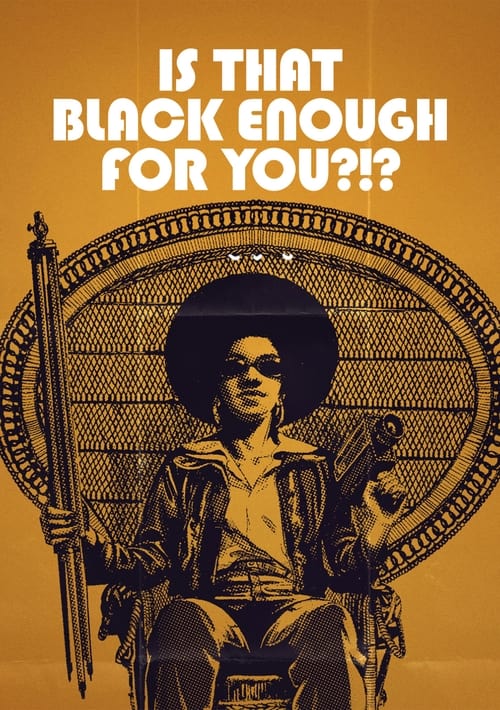
A look at the Black revolution in 1970s cinema, from genre films to social realism, from the making of new superstars to the craft of rising auteurs.
Is That Black Enough for You?!?

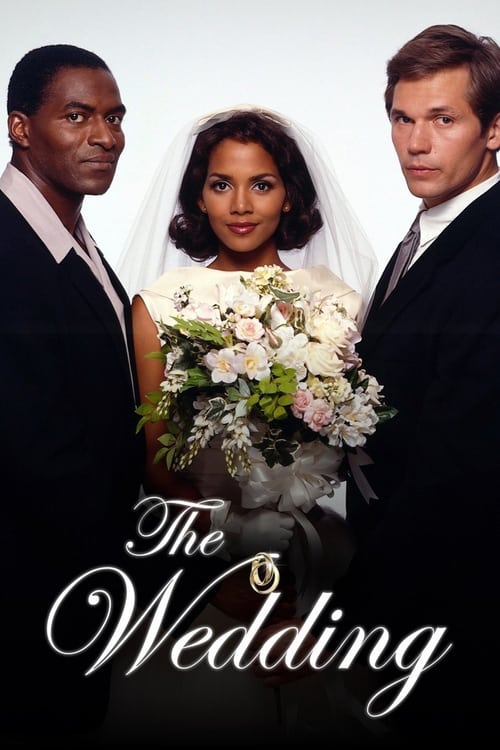
Shelby Coles (Halle Berry) is engaged to marry talented white jazz musician Meade Howell, but the pair face opposition from both Meade's family, who object to an inter-racial marriage, and Shelby's parents, who want her to marry a professional. As Shelby is afflicted by pre-marital doubts, handsome Lute McNeil arrives on the scene, determined to make Shelby his at any cost.
The Wedding

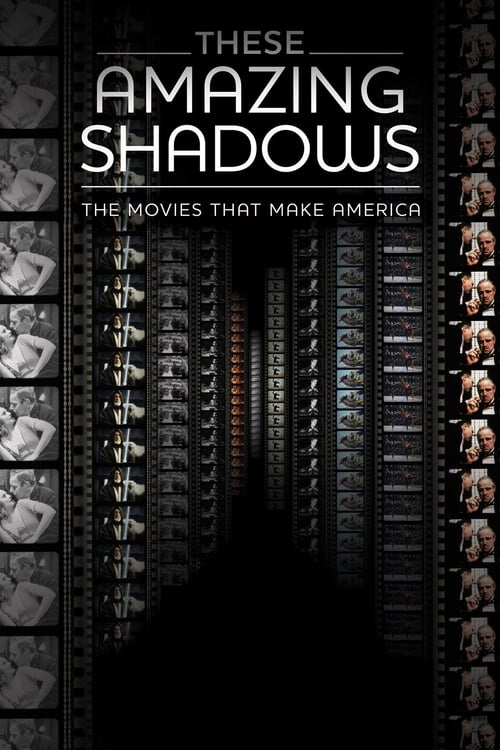
Tells the history and importance of The National Film Registry, a roll call of American cinema treasures that reflects the diversity of film, and indeed the American experience itself.
These Amazing Shadows

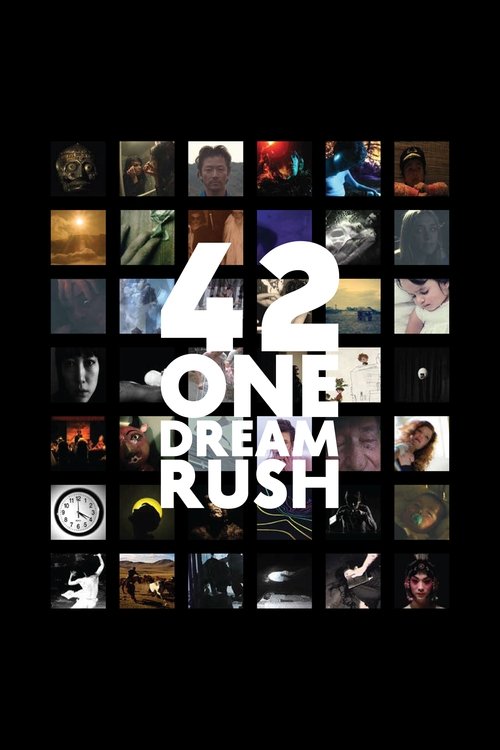
An omnibus project bringing together acclaimed directors from around the world, each contributing a 42-second short inspired by a dream. Produced by 42 Below vodka, the collection blends surreal, poetic, and experimental visions into a mosaic of oneiric cinema.
42 One Dream Rush

J.J. is a rookie in the Sheriff's Department and the first black officer at that station. Racial tensions run high in the department as some of J.J.'s fellow officers resent his presence. His only real friend is the other new trooper, the first female officer to work there, who also suffers similar discrimination in the otherwise all-white male work environment. When J.J. becomes increasingly aware of police corruption during the murder trial of Teddy Woods, whom he helped to arrest, he faces difficult decisions and puts himself into grave personal danger in the service of justice.
The Glass Shield

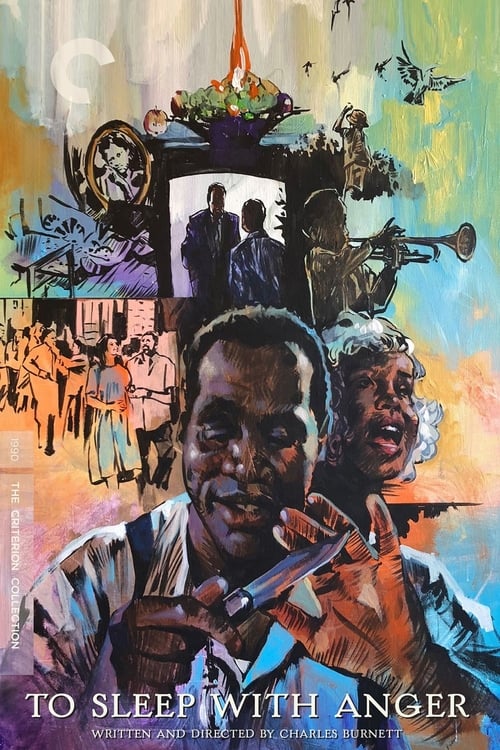
An enigmatic drifter from the South comes to visit an old acquaintance who now lives in South-Central LA.
To Sleep with Anger

Namibia: The Struggle for Liberation is a 2007 epic film on the Namibian independence struggle against South African occupation as seen through the life of Sam Nujoma, the leader of the South-West Africa People's Organisation and the first president of the Republic of Namibia.
Namibia: The Struggle for Liberation

John is a man of many talents, including one forbidden skill: he can read. When he teaches a young slave girl named Sarny to read and write, she learns an unforgettable lesson about the power of words and the true meaning of freedom.
Nightjohn

In 1831, Nat Turner led a slave rebellion in the United States that resulted in the murder of local slave owners and their families, the eventual execution of 55 rebels and the retribution lynching of more than 200 innocent slaves. Nat Turner: A Troublesome Property examines how the story of Turner’s revolt has been interpreted throughout history and how it continues to raise new questions about the nature of terrorism and other forms of violent resistance to oppression. The film adopts an innovative structure by interspersing documentary footage and interviews with dramatizations of these different versions of Turner’s story. A unique collaboration between MacArthur Genius Award feature director Charles Burnett, acclaimed historian of slavery Kenneth S. Greenberg and Academy Award-nominated documentary producer Frank Christopher, Nat Turner is a compelling look at one of history’s most mysterious figures.
Nat Turner: A Troublesome Property

A woman in a Hollywood dubbing studio struggles with race and preconceptions. The short film depicts the life of an African American woman passing as a white woman working in the film industry during the 1940s. It calls attention to the lack of African Americans in the film industry during that era.
Illusions

After the death of his father, a former football star reunites with the family that he abandoned years earlier.
Relative Stranger

Director Charles Burnett (Killer of Sheep, My Brother's Wedding, To Sleep with Anger) presents a tale about a young boy's encounter with his family in Mississippi in the 1950s, and intergenerational tensions between the heavenly strains of gospel and the devilish moans of the blues.
Warming by the Devil's Fire

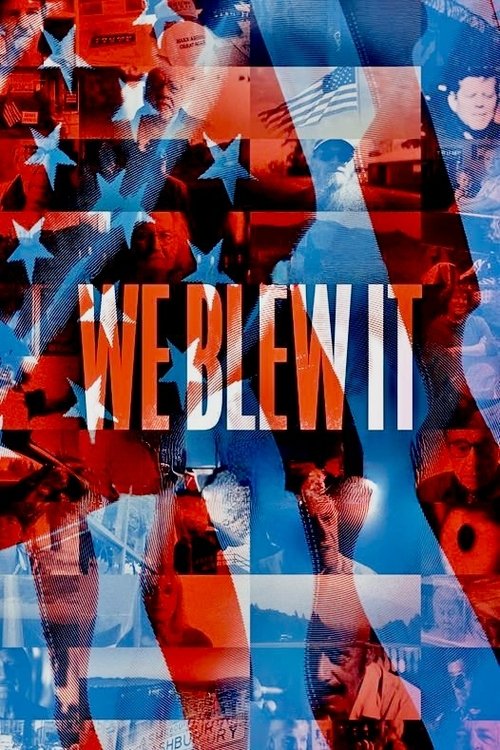
How did America change from Easy Rider into Donald Trump? What became of the dreams and utopias of the 1960's and 1970's? What do the people who lived in that golden age think about it today? Did they really blow it? Shot in Cinemascope - from New Jersey to California - this melancholic and elegiac road-movie draws upon the portrait of a confused, complex and incandescent America one year after the start of the electoral campaign. That golden age has become its last romantic border and an inconsolable America is about to pull on a trigger called Trump.
We Blew It

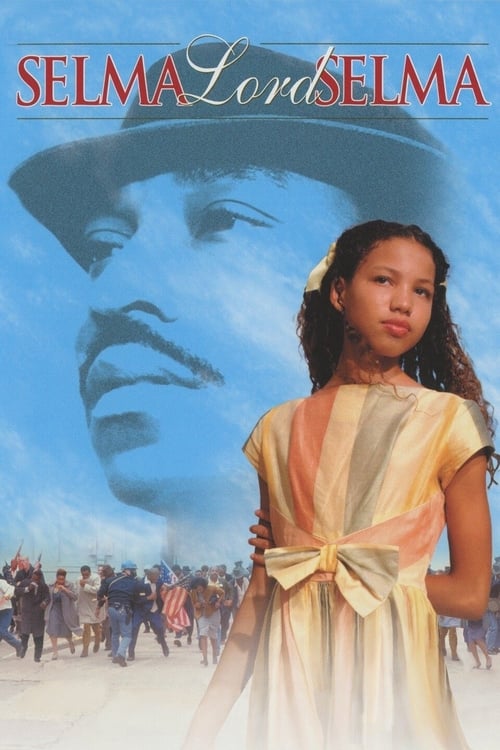
In 1965 Alabama, an 11 year old girl is touched by a speech by Martin Luther King, Jr. and becomes a devout follower. But her resolution is tested when she joins others in the famed march from Selma to Montgomery.
Selma, Lord, Selma

A Jamaican widower recently released from a mental institution and a former housewife with an imagined lover in the form of 19th-century composer Giacomo Puccini become the unlikely tenants of an eccentric widow in Los Angeles.
The Annihilation of Fish

An African-American man working at a slaughterhouse in the Watts area of Los Angeles leads a dissatisfied and listless existence.