Jerome Kern
Writing
Biography
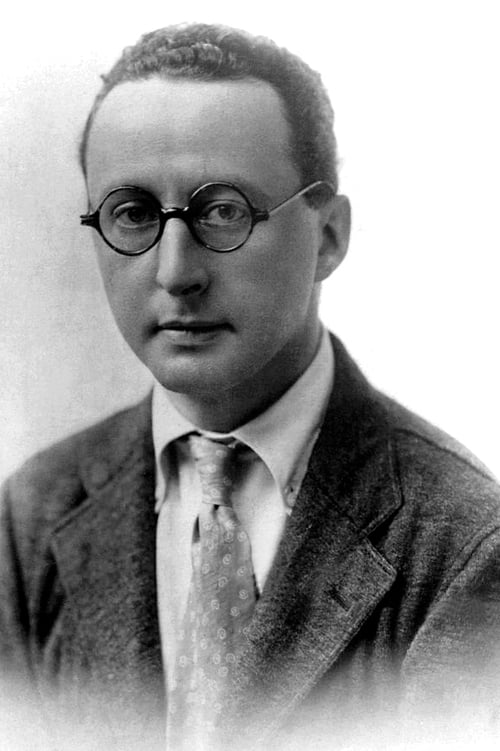
From Wikipedia, the free encyclopedia Jerome David Kern (January 27, 1885 – November 11, 1945) was an American composer of musical theatre and popular music. One of the most important American theatre composers of the early 20th century, he wrote more than 700 songs, used in over 100 stage works, including such classics as "Ol' Man River", "Can't Help Lovin' Dat Man", "A Fine Romance", "Smoke Gets in Your Eyes", "The Song Is You", "All the Things You Are", "The Way You Look Tonight", "Long Ago (and Far Away)" and "Who?". He collaborated with many of the leading librettists and lyricists of his era, including George Grossmith Jr., Guy Bolton, P. G. Wodehouse, Otto Harbach, Oscar Hammerstein II, Dorothy Fields, Johnny Mercer, Ira Gershwin and E. Y. Harburg. A native New Yorker, Kern created dozens of Broadway musicals and Hollywood films in a career that lasted for more than four decades. His musical innovations, such as 4/4 dance rhythms and the employment of syncopation and jazz progressions, built on, rather than rejected, earlier musical theatre tradition. He and his collaborators also employed his melodies to further the action or develop characterization to a greater extent than in the other musicals of his day, creating the model for later musicals. Although dozens of Kern's musicals and musical films were hits, only Show Boat is now regularly revived. Songs from his other shows, however, are still frequently performed and adapted. Many of Kern's songs have been adapted by jazz musicians to become standard tunes.
Known For

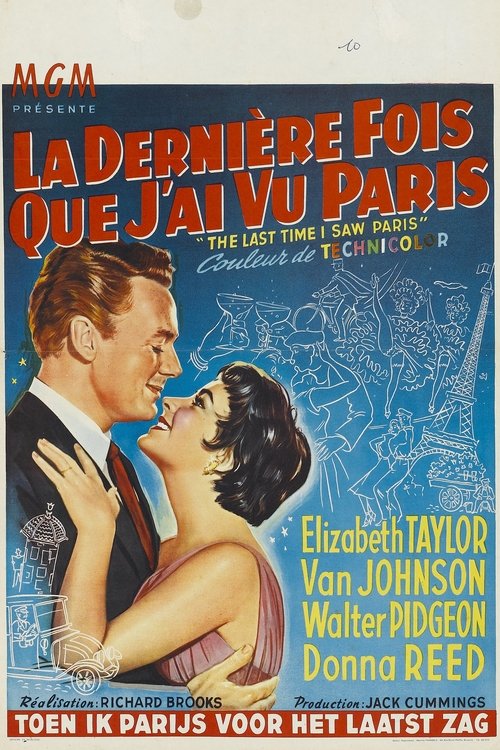
Reporter Charles Wills, in Paris to cover the end of World War II, falls for the beautiful Helen Ellswirth following a brief flirtation with her sister, Marion. After he and Helen marry, Charles pursues his novelistic ambition while supporting his new bride with a deadening job at a newspaper wire service. But when an old investment suddenly makes the family wealthy, their marriage begins to unravel — until a sudden tragedy changes everything.
The Last Time I Saw Paris

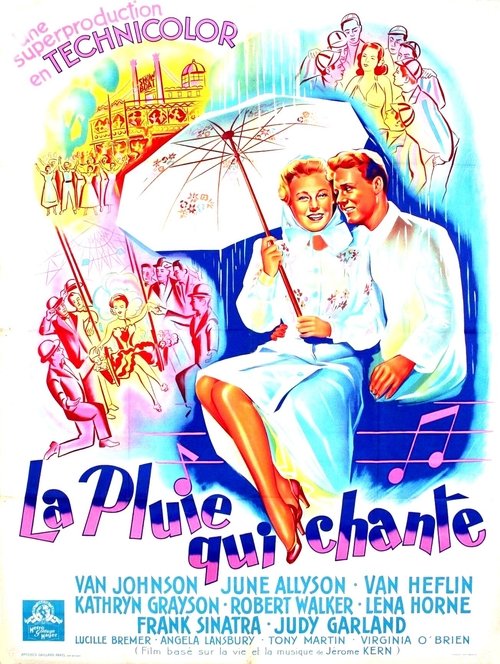
Light bio-pic of American Broadway pioneer Jerome Kern, featuring renditions of the famous songs from his musical plays by contemporary stage artists, including a condensed production of his most famous: 'Showboat'.
Till the Clouds Roll By

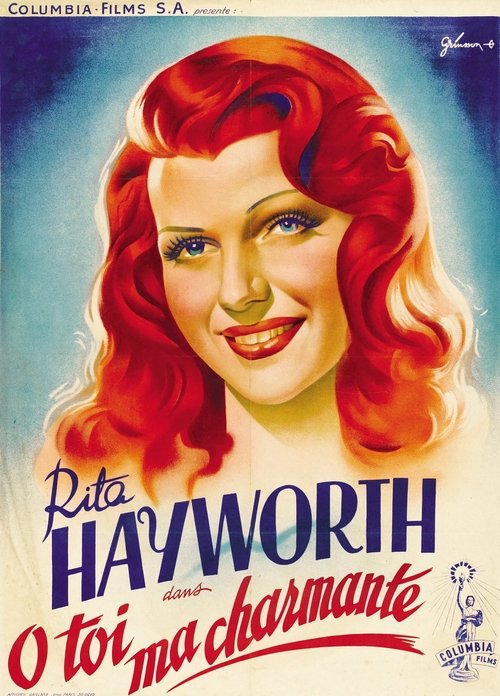
A nightclub dancer makes it big in modeling, leaving her dancer boyfriend behind.
Cover Girl

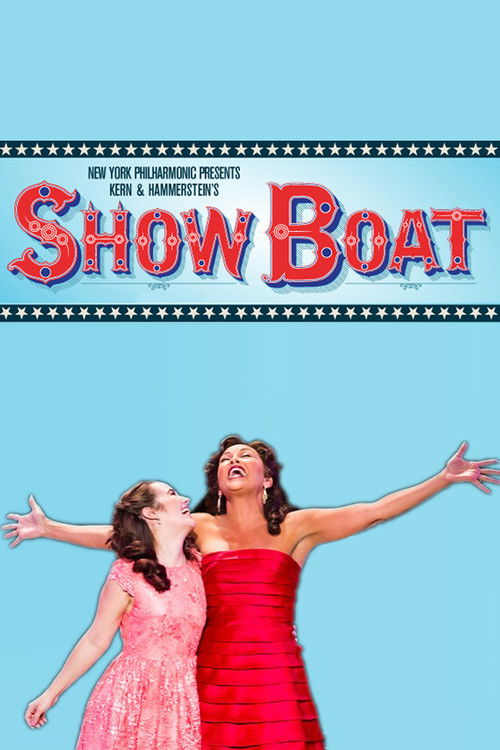
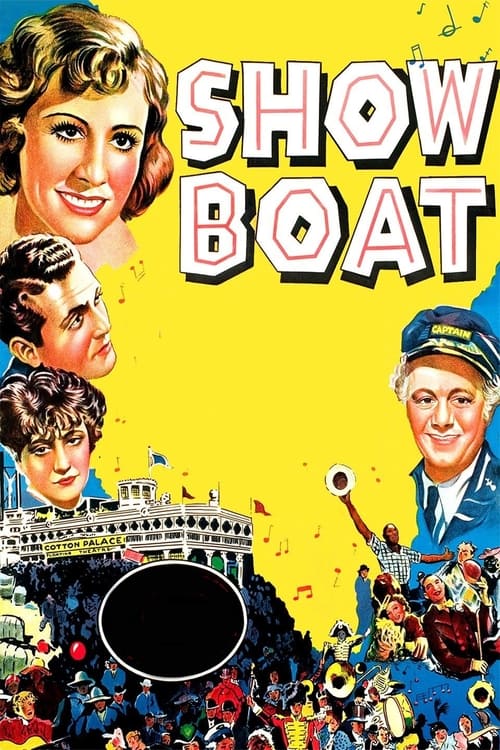
Despite her mother's objections, the naive young daughter of a show boat captain is thrust into the limelight as the company's new leading lady.
Show Boat

Lucky is tricked into missing his own wedding to Margaret and has to make $25,000 so her father will allow him to marry her. He and business partner Pop go to New York where they run into dancing instructor Penny. She and Lucky form a successful dance partnership, but romance is blighted by his old attachment to Margaret and hers for Ricky.
Swing Time

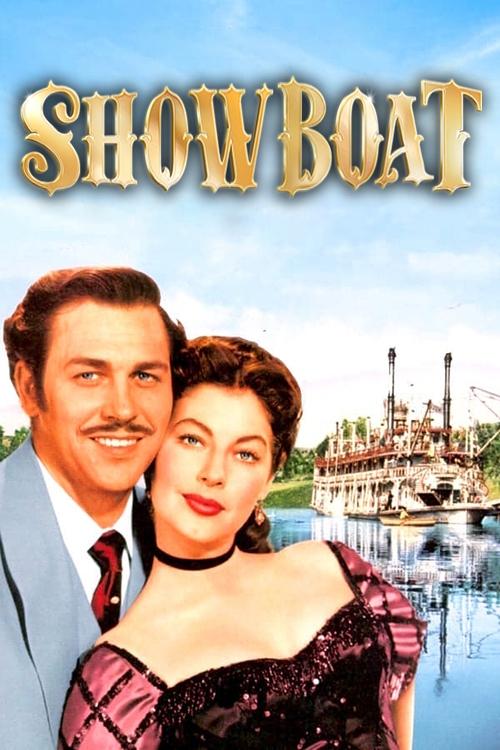
A dashing Mississippi river gambler wins the affections of the daughter of the owner of the Show Boat.
Show Boat

An Argentine heiress thinks a penniless American dancer is her secret admirer.
You Were Never Lovelier

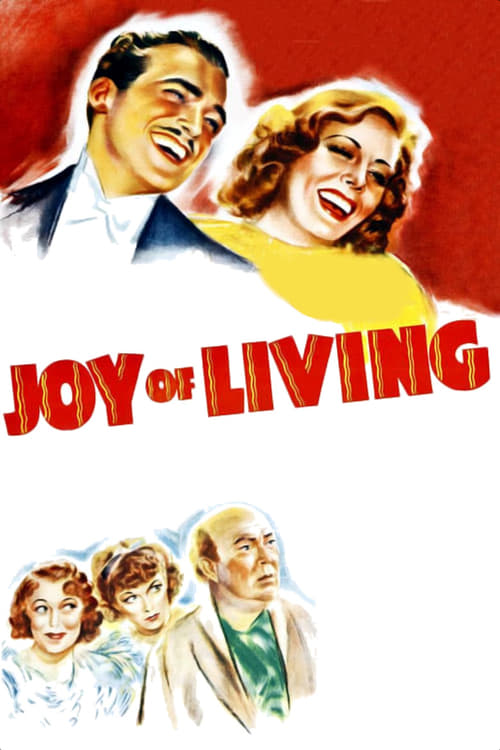
Falling in love with the voice of Broadway chanteuse Margaret Garret, cocksure young tycoon Daniel Brewster decides to rescue the star from her hectic lifestyle of frenzied fans and mooching relatives. When Margaret has her ardent suitor arrested, the judge appoints her as Daniel's probation officer, forcing the duo to spend time together. As Daniel teaches Margaret to let her hair down and enjoy life, she begins to fall for her fun-loving admirer.
Joy of Living

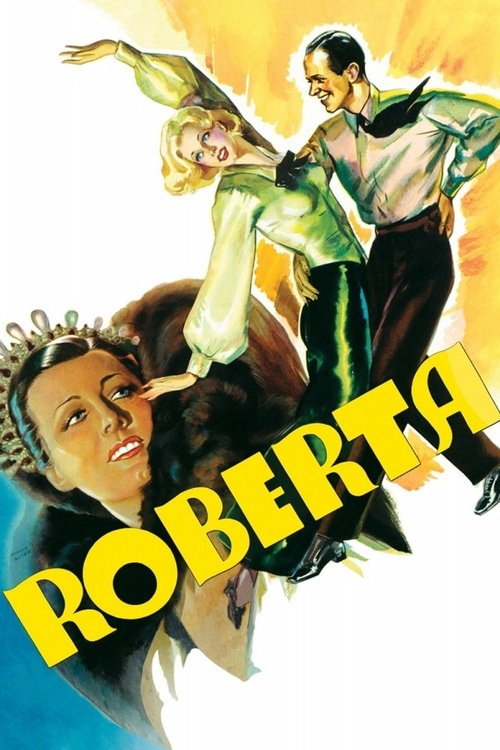
Football player John Kent tags along as Huck Haines and the Wabash Indianians travel to an engagement in Paris, only to lose it immediately. John and company visit his aunt, owner of a posh fashion house run by her assistant, Stephanie. There they meet the singer Scharwenka (alias Huck's old friend Lizzie), who gets the band a job. Meanwhile, Madame Roberta passes away and leaves the business to John and he goes into partnership with Stephanie.
Roberta

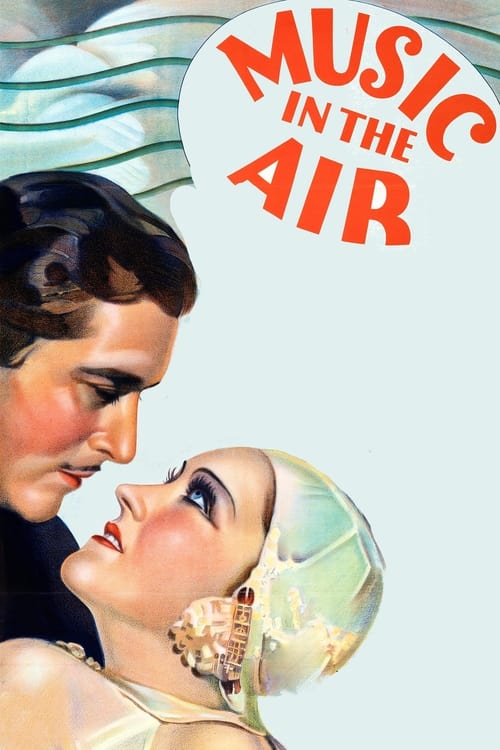
A songwriter's young daughter (June Lang) begins to dream of stardom when she's offered the lead role in a new operetta.
Music in the Air

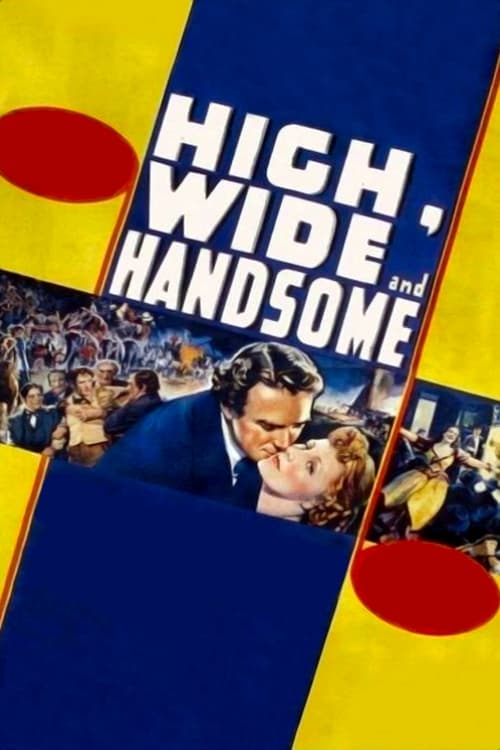
The setting is a small town in 1870s Pennsylvania. Sally Waterson and her father have stopped in town with their traveling medicine show, but when their wagon catches fire, they find themselves stranded. They're taken in by Mrs. Cortlandt and her grandson, Peter, who is trying to set up a pipeline that will supply oil throughout the state. Sally and Peter soon fall in love and marry. Neither their marriage nor Peter's pipe dreams flow too smoothly.
High, Wide and Handsome

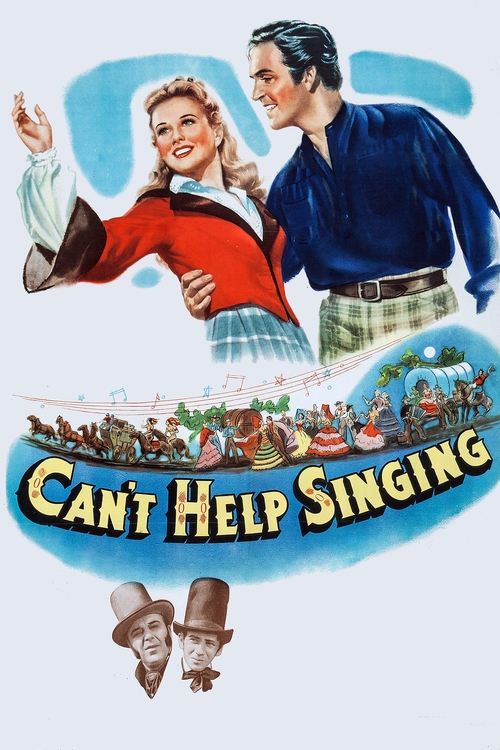
With the California Gold Rush beginning, Senator Frost's singing daughter Caroline loves a young army officer; the Senator can't stand him, and has him sent to California. Headstrong Caroline follows him by train, riverboat, and covered wagon, gaining companions en route: a vagrant Russian prince and gambler Johnny Lawlor, who just might take her mind off the army.
Can't Help Singing

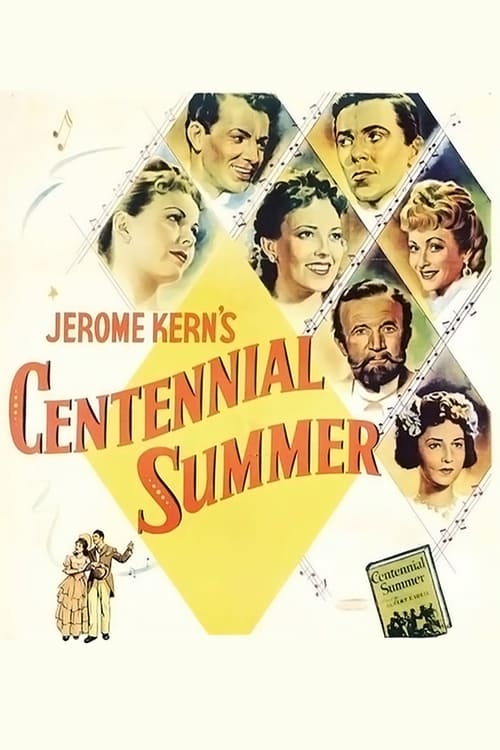
In 1876 Philadelphia, two sisters vie for the affections of a Frenchman who's come to town to prepare the French pavilion for the Centennial exposition.
Centennial Summer

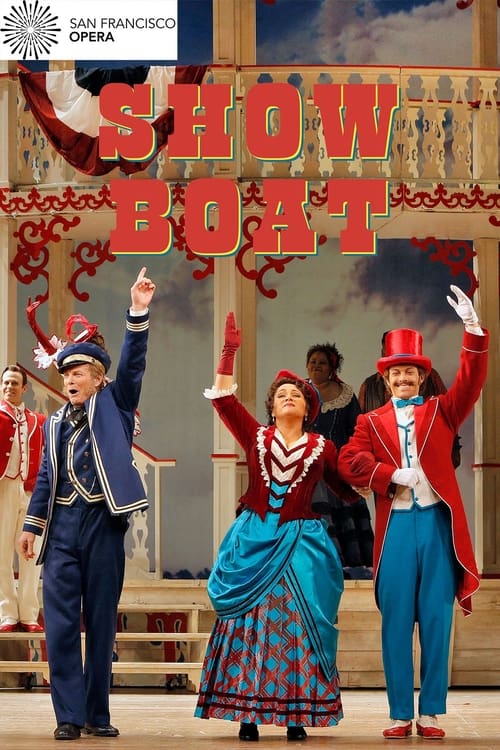
A stage production of the classic musical, videotaped in front of a live audience at the Paper Mill Playhouse, New Jersey.
Show Boat

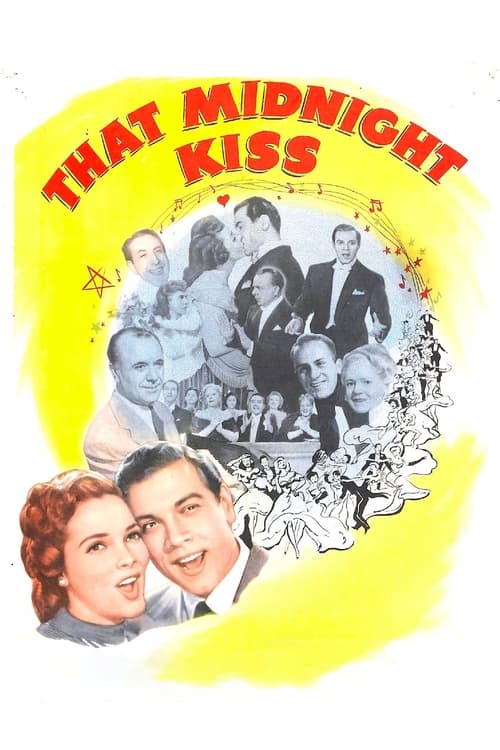
Opera singer Prudence Budell, overhears truck driver Johnny Donnetti singing opera, and persuades her opera company to give him a chance in her new opera. They fall in love, but on meeting his colleague Mary while visiting Johnny's work, Prudence becomes convinced Johnny is in love with her.
That Midnight Kiss

In 1898, composer Sid Barnett manages to get his sweetheart, Adeline the beer-garden singer, to sing the lead in his new Broadway operetta; this infuriates Elysia, the erstwhile star. But Sid frets as Adeline spends increasing amounts of time with the dashing Major Day.
Sweet Adeline

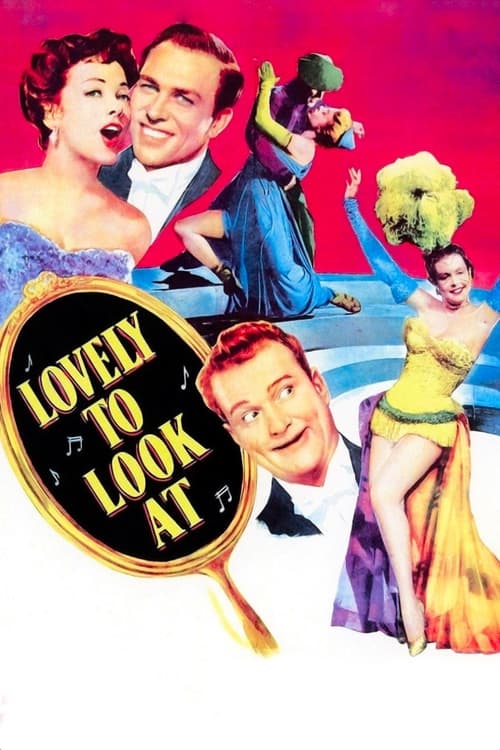
Broadway producers Tony Naylor, Al Marsh, and Jerry Ralby are having difficulty securing funds for their latest show. Then Al learns he has inherited half of a salon in Paris from his Aunt Roberta. The three men travel to France, where they attempt to stage an extravagant fashion show to revitalize the struggling business, now run by Roberta's nieces, Stephanie and Clarisse.
Lovely to Look At

Sally is an orphan who was named by the telephone exchange where she was abandoned as a baby. In the orphanage, she discovered the joy of dancing. Working as a waitress, she serves Blair (Alexander Gray), and they both fall for each other, but Blair is engaged to socialite Marcia. Sally is hired to impersonate a famous Russian dancer named Noskerova, but at that engagement, she is found to be a phoney. Undaunted, she proceeds with her life and has a show on Broadway, but she still thinks of Blair.
Sally

A showgirl falls for a society boy but has to win over his family.
Sunny

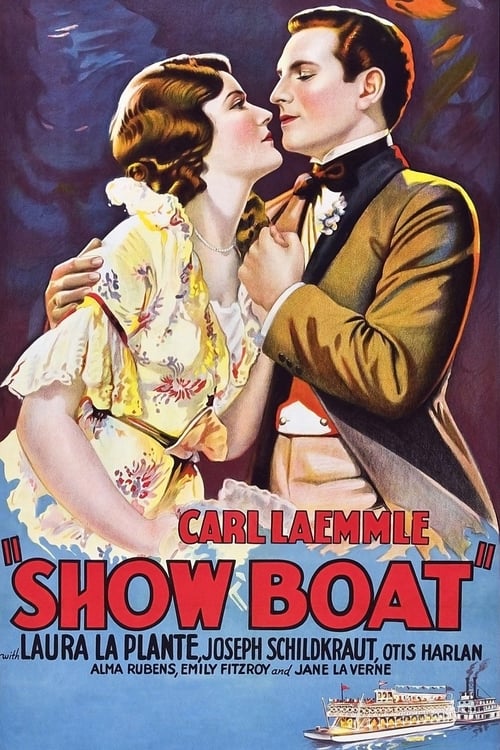
This film sticks very closely to the Edna Ferber novel, rather than the musical based on the novel. There are only two major changes from Ferber's book : *Julie in this version is a white woman, not a racially mixed one; therefore she and her husband are not unlawfully married. * Ravenal returns at the end, instead of dying as in the novel