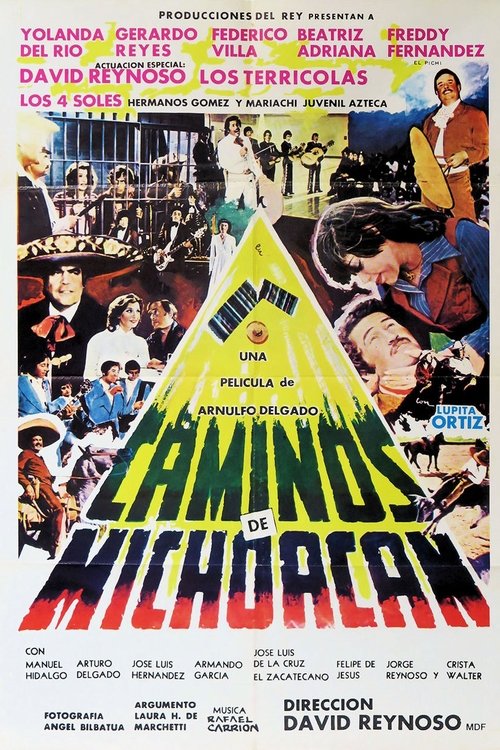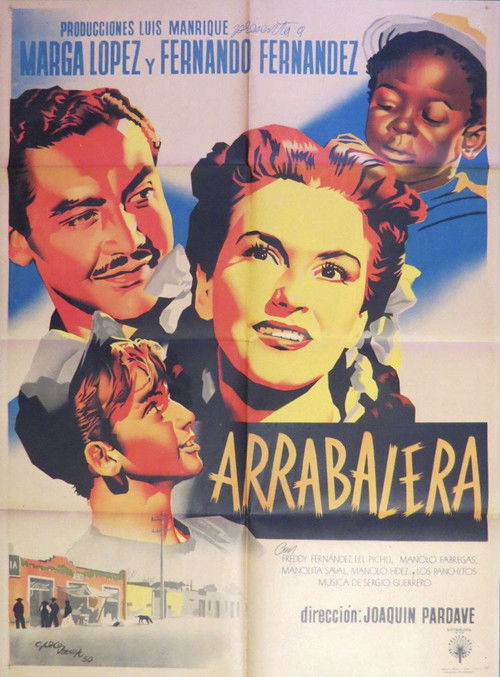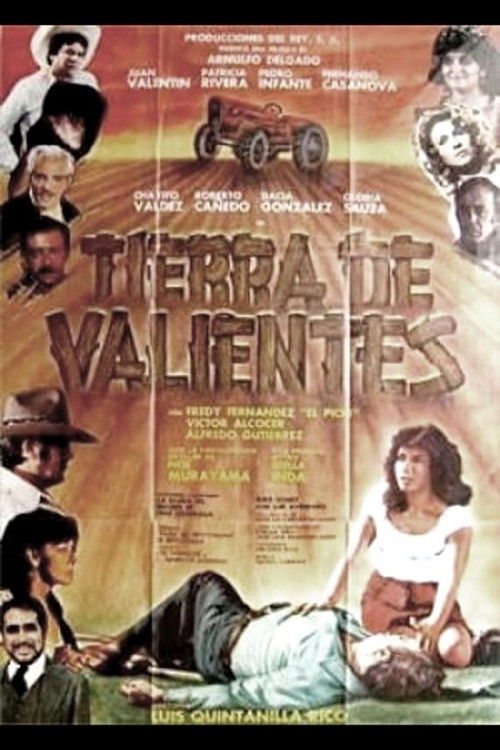
Freddy Fernández 'El Pichi'
Acting
Biography
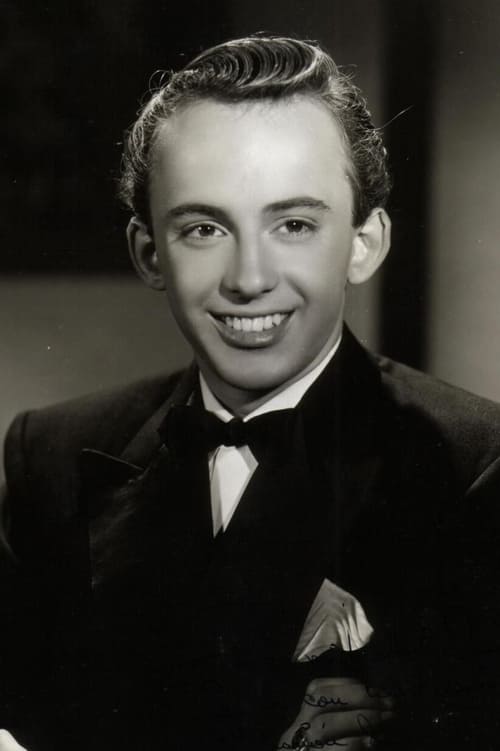
Alfredo Jesús Fernández Sáenz (nicknamed "El Pichi") (January 16, 1934, Mexico City – May 10, 1995, Mexico City) was a Mexican film and television actor. Fernández was the only son of Alfredo Fernández and Elisa Sáenz Rojas. As a youth, he joined the Children's Fine Arts Theatre Company of Fine Arts under the direction of Clementina Otero. The nickname "El Pichi" was given to Fernández by producer Luis Manrique during the making of the film Callejera in 1949. He received the Virginia Fábregas medal from National Association of Actors (ANDA) for his 25 year career and was nominated three times for an Ariel Award. His son is Alfredo Fernández ("El Pato"). He died on May 10, 1995, of esophageal cancer in Mexico City, aged 61. His remains were buried in Cozumel, Quintana Roo, his son's garden.
Known For

The driver of a wealthy family is a rapist at night, but his victims do not accuse him.
El vecindario 2

Pepe el Toro is married to Celia la Chorreada and they have two children.
You the Rich

Mexican comedian Alfonso Zayas is just one of the many folks in town who are cheating on their spouses, imagining themselves quite clever and secretive, even while unbeknownst to them their spouses are cheating on them in turn! When one of the many women with whom Zayas has a child dies tragically, he attempts to integrate his daughter into one of his other families, calling her his goddaughter. But when his son falls in love with her, the many sexual escapades around town threaten to take a disturbing turn for the worse.
El vecindario

Daniel Boone leads settlers into Kentucky, but must battle Shawnee Indians who have been persuaded by a French renegade that Boone and the settlers are there to kill them and steal their land.
Daniel Boone, Trail Blazer

The simple life and the values of loyalty and solidarity of the poor people in the environment of professional boxing, is the plot of this film, where Pepe el Toro shows the effort and tragedies that are experienced in this profession.
Pepe El Toro

The story of a group of young people and the problems they face in modern society slowly begins to decline, due to family disintegration and loss of values.
Who are our daughters with?

After mistakenly going to jail, Maria makes friends with a woman whose kids live in the streets and Maria gets the idea to help them.
¡El que no corre... vuela!

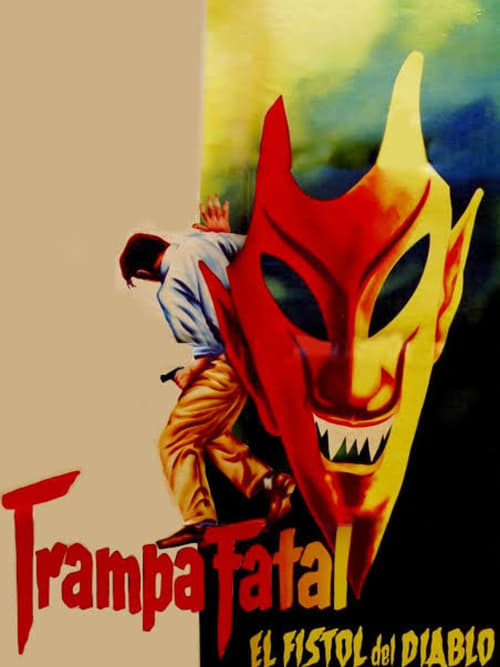
Part of a series of films based on portions of the Manuel Payno novel "El fisto del diablo." The others are El fistol del diablo, Juego diabólico and El ataúd infernal. All were directed by Fernando Fernández and star Roberto Cañedo.
Fatal Trap

Couple with preteen children break up; Dad meets a new woman and they marry. The children grow up, and they're spoiled-y rich kids flirting with criminal lawlessness. Cue the violins.
La segunda mujer

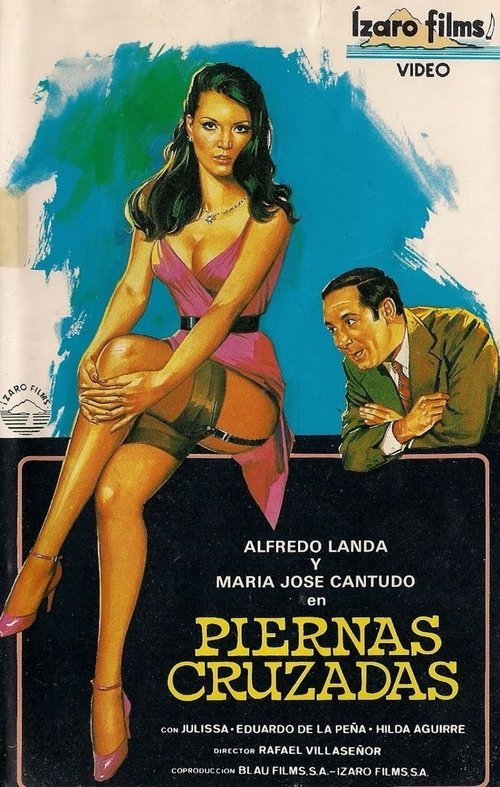
Lucerito is a Spanish star who has come to Mexico, accompanied by her godfather and her agent, to find work. Rosario is from upper class society and has grown tired of the demands made upon her by her family. When they meet each other in a Mexican hotel, they discover that they could be each other's identical twin and decide to change places.
Piernas cruzadas

Cowboy-hero series, number two of two: Townsfolk pledge all their jewels and valuables as security for a large loan to undertake a public works project... and then the swag is stolen.
La venganza de los Villalobos

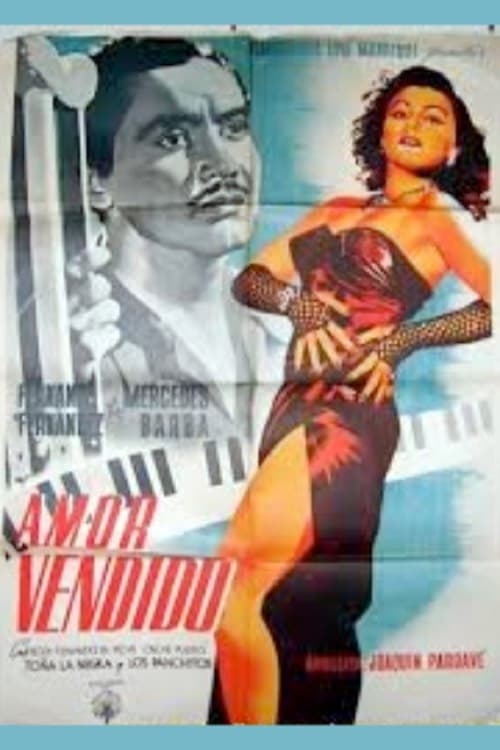
Dancing fanatic weasels his way into Perez Prado's entourage as a personal assistant.
El dengue del amor

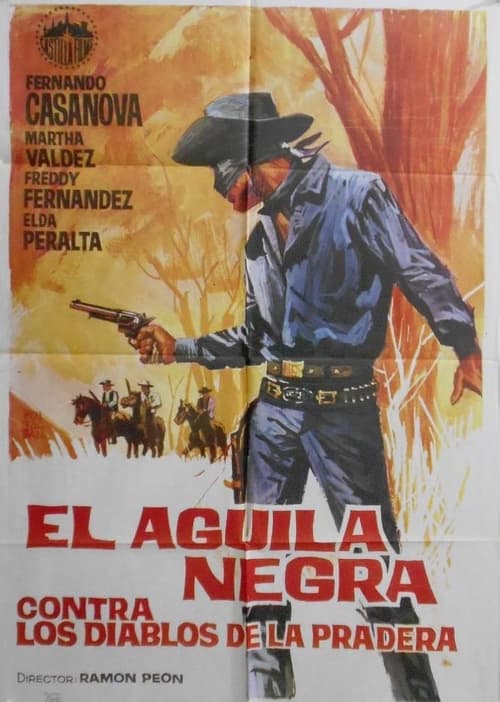
El Aguila Negra (Fernando Casanova) -a mix of Zorro with The Lone Ranger- has a new problem to deal with. Sectarian group known as "The Masked of Death", formed by seven masked men, is threatening a small village in the Mexican country. They are murdering and kidnapping the villagers, and occasionally stealing. Raúl (Casanova), a kind young man and also a great shooter, is worry about the situation. But the richest man in town, suspects that Raúl is one of the Masked of Death. In order to clean his name, Raúl will fight with the masked bandits, trying to rescue two beautiful girls, one of them the daughter of his best friend. What just a few people know, is that Raul is, in fact, El Aguila Negra.
El águila negra contra los enmascarados de la muerte

Teenaged slum-girl falls into show-biz by accident and rises to the tuxedos-and-furs class. Gangster drama and heartbreak, so she goes back to her own social class at the end, even though other options were available to her.
Yo fui una callejera

Negro Es Mi Color (literally translates to "Black Is My Color"), the 1951 Tito Davison Mexican racial musical melodrama (about a light-skinned Mexican woman with dark-skinned parents who passes as "white"; a Mexican version of "Imitation of Life")
Black Is My Color

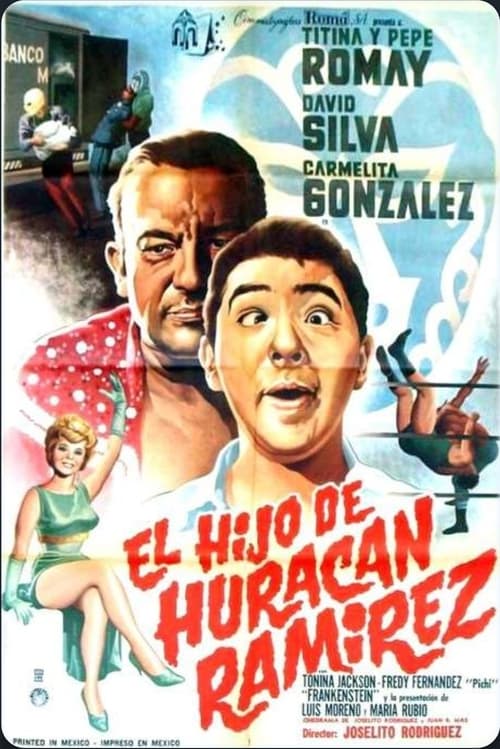
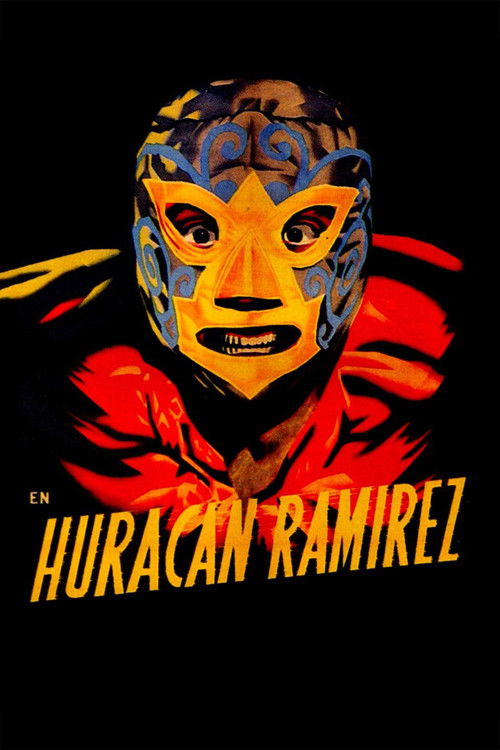
A wrestler is arrested on suspicion of assault, but his son manages to capture the real culprits.
El hijo de Huracán Ramírez

A clownish 'tour-guide' takes a group of wealthy foreign vacation-gals to Acapulco.
El guía de las turistas

Drama, where José asks his stepfather for Amalia's hand and gives her a fistol given to him by a gypsy but Amalia loves Jorge, who is killed by the gypsy and they discover that people change their way of being when they have the fistol. The film consists of 3 segments 'La joya Maldita', 'Veneno juvenil' and 'Juego diabolico'.
El fistol del diablo II
Gentleman bandit pulls off crafty robberries and frets over having or losing custody of his daughter
Los amores de Chucho el Roto

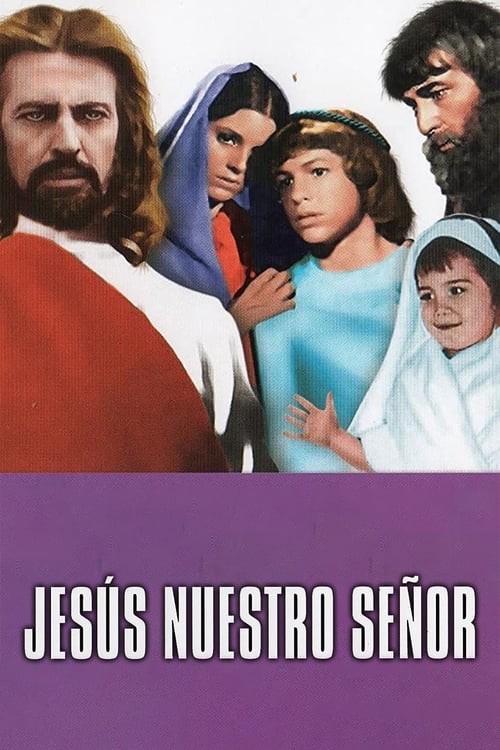
Third movie in "Life of Christ" trilogy.