Max Kerlow
Acting
Biography
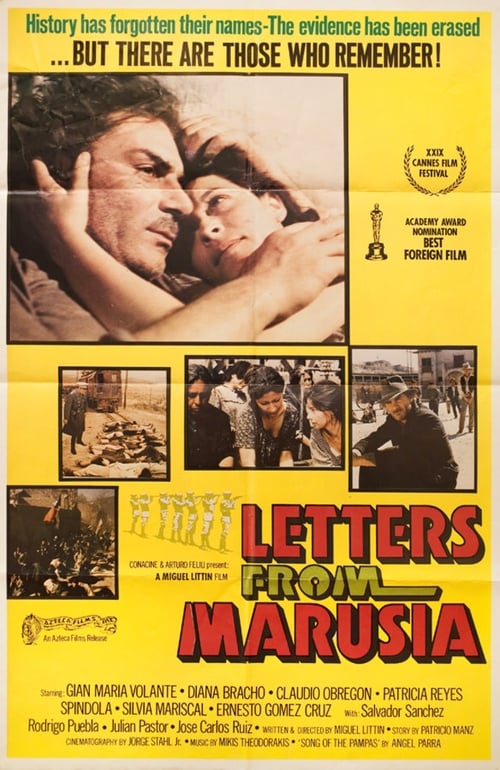
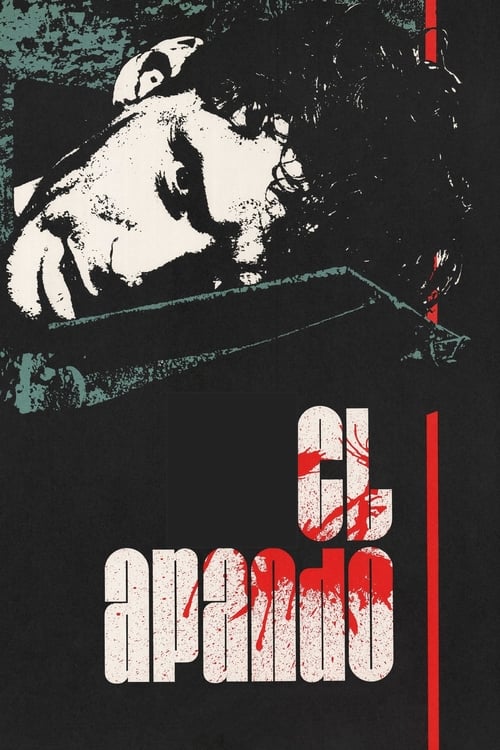
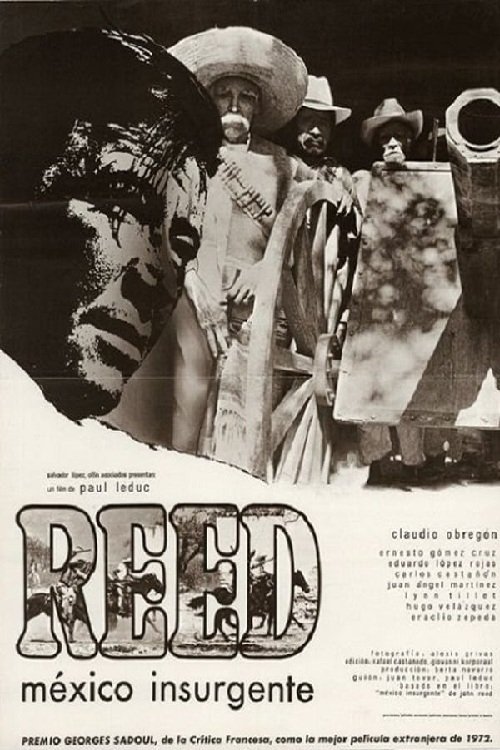
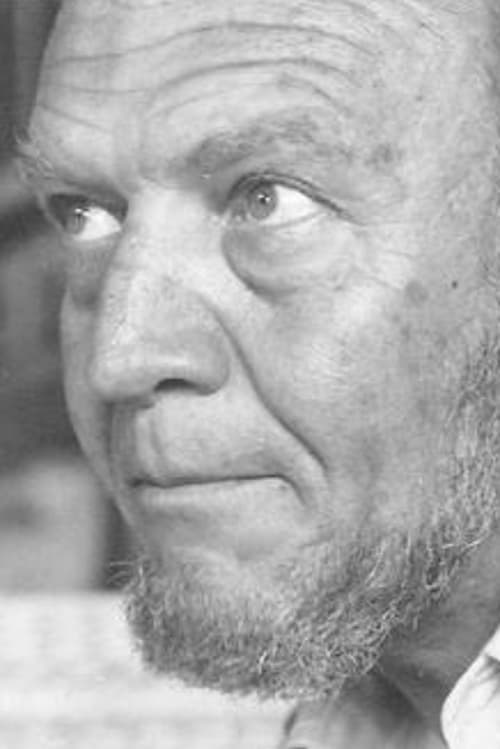
Prolific Mexican actor with more than 100 films in his filmography. His first intention was to be a painter. However, life would take him on other paths and his incursion into the world of the arts would be as an architect, a career he studied at the suggestion of a cousin just out of school, given his interest in painting, and from which he graduated from the National Autonomous University of Mexico in 1954. Shortly after, he dedicated himself to promoting crafts with artists such as Manuel Felguérez and Felipe Ehrenberg, one of his first assistants. With Felguérez he devised a different line of ceramics and with Ehrenberg he invented a technique for painting on amate paper, which he later taught to indigenous people in the facilities of his café-gallery La Amargura, located on the street of the same name in the San Ángel neighborhood. As a painter he only mounted one exhibition, although every day he drew and made caricatures from the news in the newspapers: "One ends up with more or less possibilities of doing what one wanted, although, as Picasso said, at this age is when one has more desire to do things; I feel that one understands them better, knows better what one wants to do, but it is already too late," he acknowledges in the documentary by Carolina Kerlow. However, it would be in the acting facet in which he would stand out the most and which would give Max Kerlow the most satisfaction. He began his career in Mexican cinema in 1963 under the direction of Juan José Gurrola in Confesión de Stavroguin. A friend of directors such as Paul Leduc, Felipe Cazals and Arturo Ripstein, it was natural for him to be invited to participate in their films, although Max Kerlow assured that he always liked acting: "I was invited to parties sometimes just to tell jokes; I have my diploma as a joke teller". He was also a magician. He was even able to combine his interests: "When Miguel Littin said "we are going to Chihuahua to film Actas de Marusia (1976), I took the opportunity to bring my catalogs and sold my crafts very well". And he was not just any actor making any movie. His film performances are proof of his histrionic quality. He participated in Las Poquianchis (1976), El apando (Felipe Cazals / 1976), Fox Trot (Arturo Ripstein / 1976); Frida, naturaleza viva (Paul Leduc / 1983), where he played the role of Leon Trotsky, Cabeza de Vaca (Nicolas Echevarria / 1991); Cómodas mensualidades (Julian Pastor / 1992); Kino (Felipe Cazals / 1993); De noche vienes Esmeralda (Jaime Humberto Hermosillo / 1997); La hija del caníbal o Lucía, Lucía (Antonio Serrano / 2003), Morirse está en hebreo (Alejandro Springall / 2007); Cinco días sin Nora (Mariana Chenillo, 2008). In 1998 he won the Ariel Award for best male co-acting for his performance in Por si no te vuelvo a ver (Juan Pablo Villaseñor, 1997), debut film of the Centro de Capacitación Cinematográfica (CCC). In the Italian film Mediterráneo (1991), directed by Gabriele Salvatores, winner of the Oscar for best foreign film, Max Kerlow had a leading role. He also participated in documentaries and commercials.

Known For

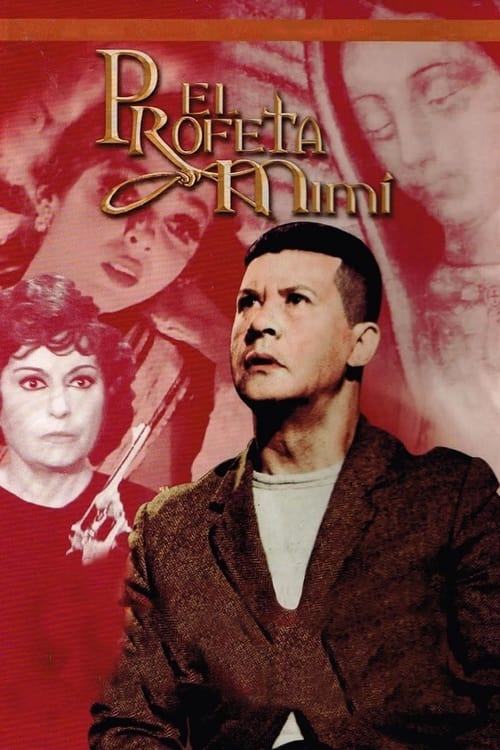
Four nuns are raped by a group of lepers. Although they all turn out to be pregnant, their status is hidden from them in the convent.
The Humiliated

A Romanian aristocrat retreats to a desert isle with his wife and servants on the eve of World War II.
Foxtrot

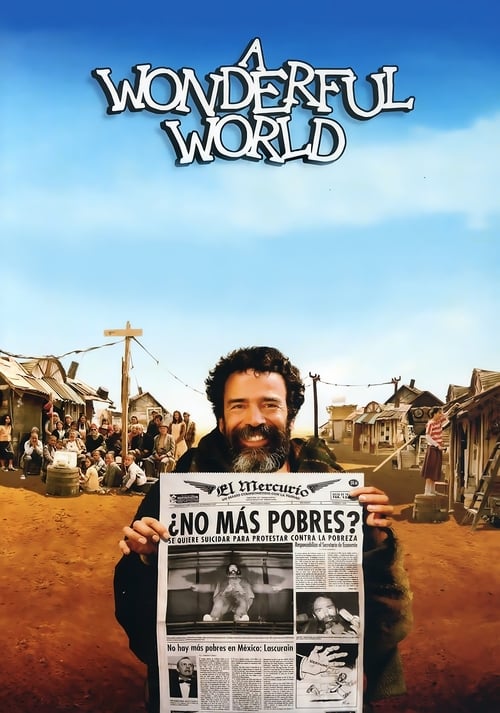
A fairy tale about the political and socioeconomic realities of Mexico.
A Wonderful World

On an island across the sea lies a village full of romance, wonder and mystery; a timeless place where people carry strong beliefs that can fulfill the heart's deepest desires. A beautiful ...
Sea of Dreams

Corporate smuggling of South American killer bees into the United States results in huge swarms terrorizing the northern hemisphere. A small team of scientists work desperately to destroy the threat, but the bees soon mutate into a super-intelligent species that threatens the world.
The Bees

The inmates of an insane asylum take over the institution, imprison the doctors and staff, and then put into play their own ideas of how the place should be run.
The Mansion of Madness

After the death of his mother, a man agrees to travel to Europe as a tourist guide falls in love with the head of the agency.
El viaje

In 1916, a group of prisoners plot their escape from the notorious fortress located in French Guiana.
I Escaped from Devil's Island

One woman lives waiting for her son who is a sailor. She hasn't seen him for years although he writes to her a lot. The woman shares the letters and her grief with a co-worker and friend. This last woman begins to idealize her friend's son.
Naufragio

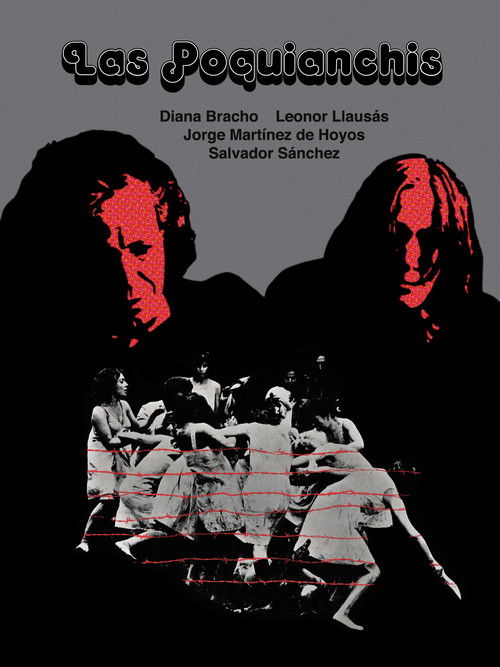
Three sisters run brothels protected by the authorities, abuse and prostitute young women under the false pretense of employing them as servants.
Las Poquianchis

Propped up on his deathbed, a 17th century Spanish missionary named Father Kino (Enrique Rocha) looks back on his remarkable life and relives one of his greatest challenges: bringing the teachings of Christianity to California's native population while convincing the Spanish military to respect the Indians' traditions.
Kino: The Legend of the Black Priest

Jose learns that Nora, the woman he was married to for 30 years and from whom divorced, has committed suicide. The rabbi explains Joseph that due to the celebrations this time of the year, if Nora is not buried that same day, they should wait at least 5 days for the funeral. Nora had planned before his death, a Machiavellian plan in order that Joseph was the one who has to take care of his funeral. But Nora forgot a small detail, a mysterious photograph stored under her bed, that will remind Joseph that the greatest love stories, sometimes are hidden in the smallest places.
Nora's Will

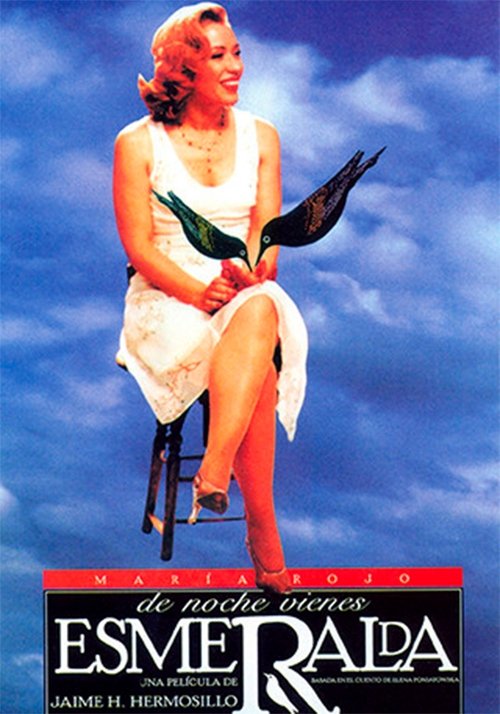
The husbands of a charismatic nurse devise a plan to free her from prison when she is arrested for being a polygamist.
Esmeralda Comes by Night

In 1528, a Spanish expedition flounders off the coast of Florida with 600 lives lost. One survivor, Alvar Nunez Cabeza de Vaca, roams across the American continent searching for his Spanish comrades. Instead, he discovers the Iguase, an ancient Indian tribe. Over the next eight years, Cabeza de Vaca learns their mystical and mysterious culture, becoming a healer and a leader. But soon this New World collides with the Old World as Spanish conquistadors seek to enslave the Indians, and Cabeza de Vaca must confront his own people and his past.
Cabeza de Vaca

A ship carrying Conquistadors is wrecked and the survivors are thrown ashore to struggle through the Yucatan jungle.
Aunt Isabel's Garden

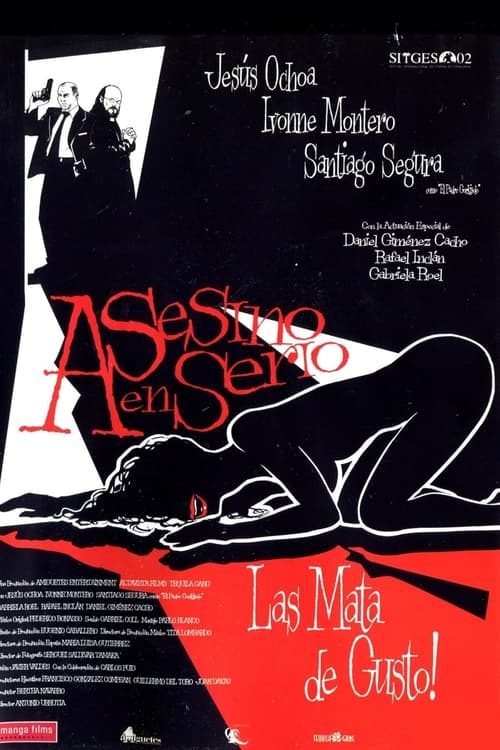
A cop sets out to find a man who has been delivering too much of a good thing in this offbeat comedy. Police detective Martinez (Jesus Ochoa) has been handed a most unusual case -- a number of local prostitutes have been murdered, and it's up to Martinez to bring in the killer. What makes the case truly unusual, though, is the manner of death; it seems the hookers all died as a result of having orgasms so powerful they were literally fatal. Teaming up with cultural anthropologist Onofre (Daniel Giménez Cacho), Martinez hits the streets looking for clues, and eventually gets some unexpected help from Father Gorkisolo (Santiago Segura), a priest with a unusually deep knowledge of sexual matters. Asesino en Serio was the first feature film from director Antonio Urrutia; noted Mexican filmmaker Guillermo del Toro served as executive producer.
I Murder Seriously

Chronicle Caste War in Yucatan held in the nineteenth century, where the land and the people were the property of the landowners, who called themselves " divine caste ". On one hand, General Salvador Alvarado organized the revolution; on the other, the landowners hire Colonel Ortiz Argumedo to organized the defense of their autonomy. Don Wilfrido, one of the masters, do not hesitate to send his son to fight to maintain their wealth and privileges.
La casta divina

The leading edge of working-class discontent in a Mexican village is a troop of bandits hiding out in the hills; when the bandit leader is killed, the whole town rises up.
En Defensa Propia

Alejandra and Ana are college friends, both are virgin and hope to find the love of their life soon. Ana meets Miguel, but they agree to just be friends. Alejandra meets Esteban, a well known womanizer.
Sex Education In Brief Lessons

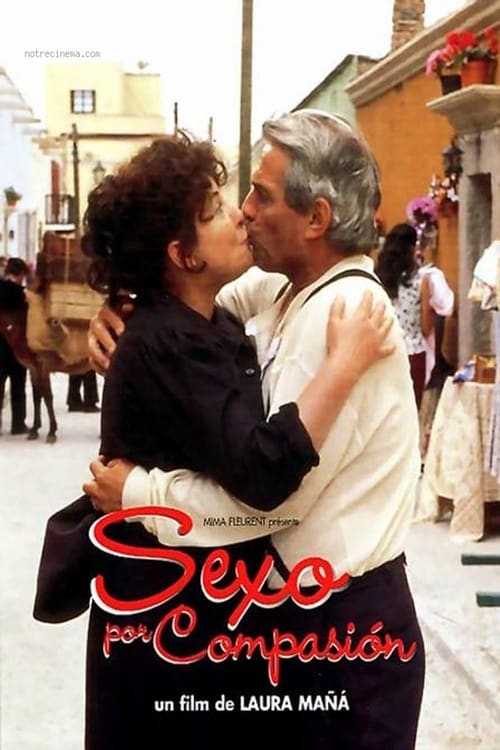
The legendary life of Mexican singer Lucha Reyes is the basis of this fictionalized biography ( or as director Arturo Ripstein puts it "an imaginary biography"). Lucha Reyes was an unconventional, and sexually liberated woman, most famous for her "cancion ranchera" style singing. Her story begins in 1939, where at 33 she still lived at home with her mother, Dona Victora, the madame of a renowned Mexico City whorehouse. Lucha marries the liberal Pedro Calderon and then buys a beggar's daughter. She becomes the mother to this child, Luzma. Lucha craves lasting love like junkies crave heroin. But for her loyal daughter, she never finds it and in the end no one can help her.