FEEL IT.STREAM
?

Sacha Vierny

Camera

Biography

Sacha Vierny was born on August 10, 1919 in Bois-le-Roi, Seine-et-Marne, France. He was a cinematographer and assistant director, known for The Cook, the Thief, His Wife & Her Lover (1989), The Pillow Book (1996) and Hiroshima Mon Amour (1959). He died on May 15, 2001 in Vannes, Morbihan, France.

Known For

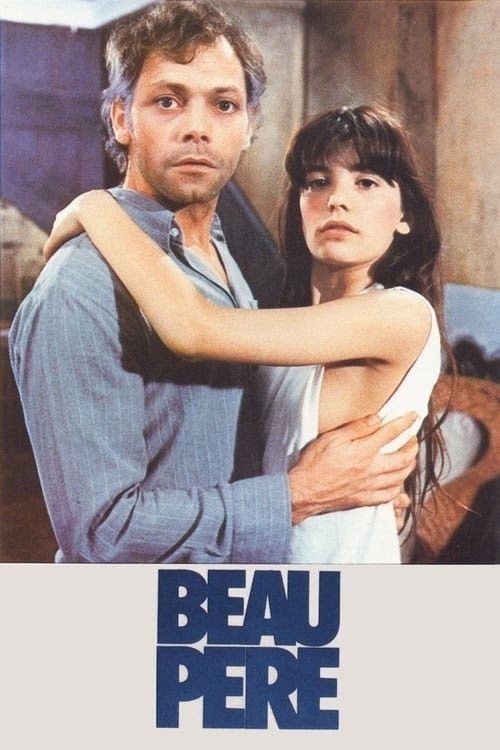
Beau Pere
6.6

Rémi is a man trapped in a deteriorating marriage. When his wife is unexpectedly killed in a car accident, Rémi is left with his stepdaughter, Marion, who chooses to stay with him rather than live with her birth father. After the initial shock passes, Rémi is caught off-guard when Marion begins expressing her attraction to him. Initially repulsed, Marion's mature beauty wears him down as he finally caves to her seductions.

Beau Pere

1981
Night and Fog
8.3

Filmmaker Alain Resnais documents the atrocities behind the walls of Hitler's concentration camps.

Night and Fog

1956
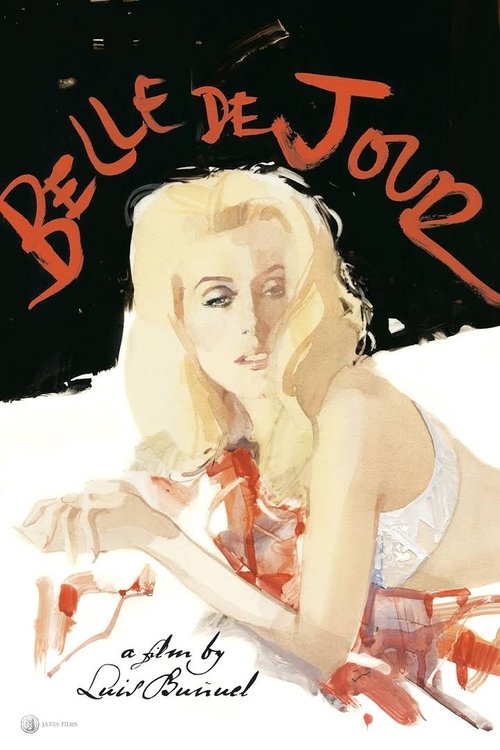
Belle de Jour
7.3

Beautiful young housewife Séverine Serizy cannot reconcile her masochistic fantasies with her everyday life alongside dutiful husband Pierre. When her lovestruck friend Henri mentions a secretive high-class brothel run by Madame Anais, Séverine begins to work there during the day under the name Belle de Jour. But when one of her clients grows possessive, she must try to go back to her normal life.

Belle de Jour

1967
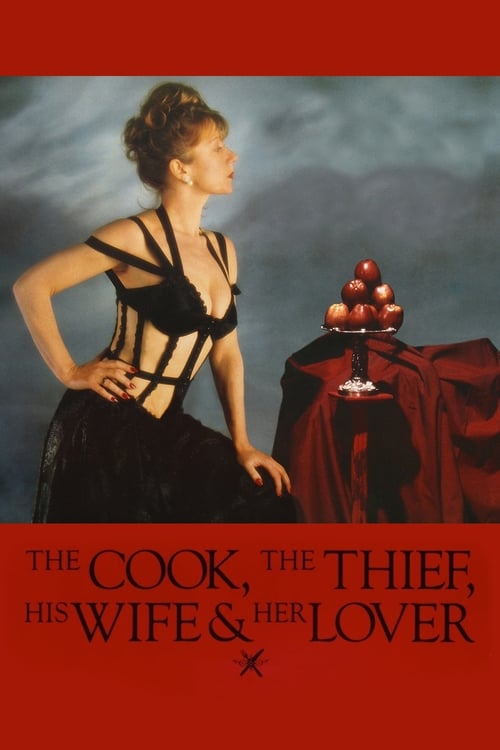
The Cook, the Thief, His Wife & Her Lover
7.3

When churlish mobster Albert Spica acquires an upscale French restaurant in London, he dines there nightly, effectively scaring off the clientele with his bad manners. His wife, Georgina, is especially disgusted by him, and soon begins an affair with regular guest Michael. Despite their best efforts to keep it secret, Spica learns about their trysts, and he plots a terrible revenge.

The Cook, the Thief, His Wife & Her Lover

1989
The Public Woman
5.9

An inexperienced young actress is invited to play a role in a film based on Dostoyevsky's 'The Possessed'. The film director, a Czech immigrant in Paris, takes over her life, and in a short time she is unable to draw the line between acting and reality. She winds up playing a real-life role posing as the dead wife of another Czech immigrant, who is manipulated by the filmmaker into commiting a political assassination.

The Public Woman

1984
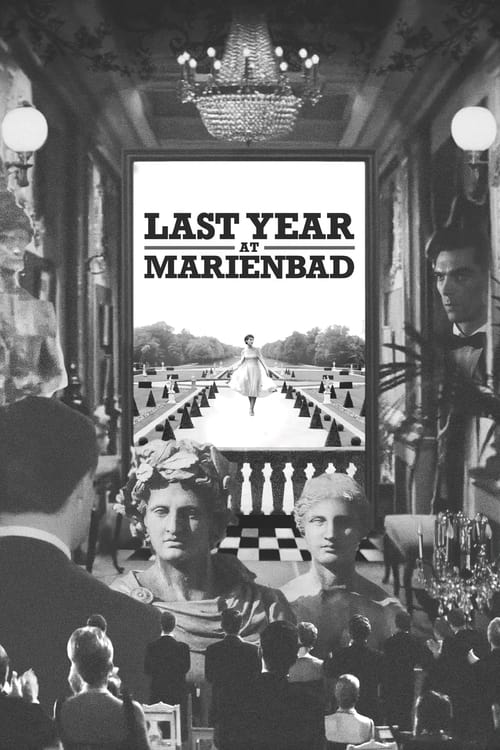
Last Year at Marienbad
7.4

At a weekend gathering, a man tells a woman that they had spent time there together a year prior. But, the woman has no recollection whatsoever and is convinced that he is simply fabricating the encounter. The more he speaks about their activities the previous year however, the more compelling he becomes. The question remains however – did they meet previously or not?

Last Year at Marienbad

1961
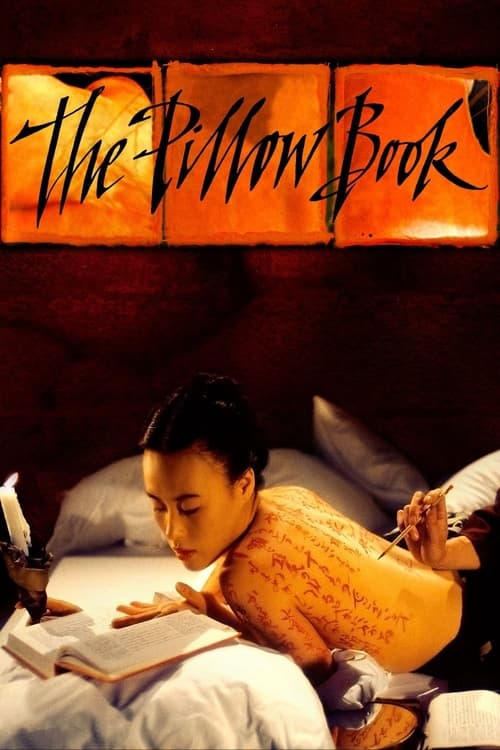
The Pillow Book
6.4

Nagito has a fetish for calligraphy on the human body and meets her ideal soulmate Jerome, an English translator sent to Japan. However, once Nagiko's father's gay publisher rejoins the scene, the story is overtaken by treachery and bloodlust.

The Pillow Book

1995
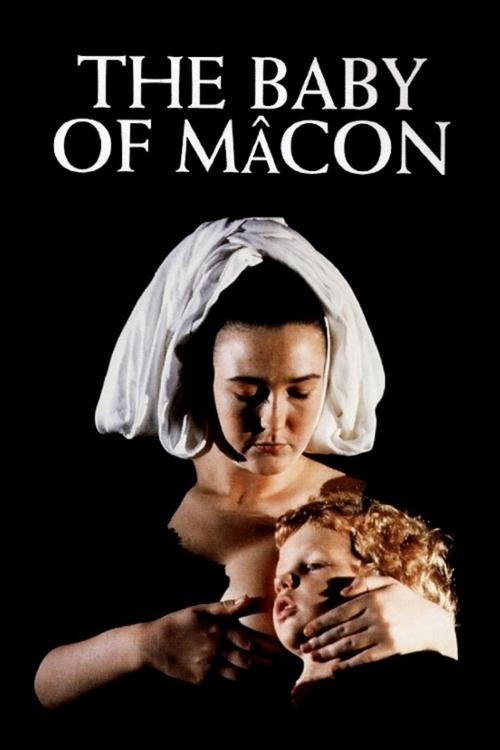
The Baby of Mâcon
6.9

In 17th-century Tuscany, a church play is performed for the benefit of young aristocrat Cosimo. In the play, a grotesque old woman gives birth to a beautiful baby boy. The child's older sister is quick to exploit the situation, selling blessings from the baby, and even claiming she's the true mother by virgin birth. However, when she attempts to seduce the bishop's son, the Church exacts a terrible revenge.

The Baby of Mâcon

1993
Hiroshima Mon Amour
7.7

The deep conversation between a Japanese architect and a French actress forms the basis of this celebrated French film, considered one of the vanguard productions of the French New Wave. Set in Hiroshima after the end of World War II, the couple -- lovers turned friends -- recount, over many hours, previous romances and life experiences. The two intertwine their stories about the past with pondering the devastation wrought by the atomic bomb dropped on the city.

Hiroshima Mon Amour

1959
8 ½ Women
5.5

After his wife dies, middle-aged businessman Philip Emmenthal, at the prompting of his playboy son Storey, populates his Geneva villa with eight-and-a-half concubines. Three are from Kyoto, where Storey manages Pachinco palaces. Each has a distinctive personality: a nun, a child bearer, a gambler, a student of Kabuki, a horsewoman with a pet pig, a maid. As a year passes, the women begin asserting their own power.

8 ½ Women

1999
Drowning by Numbers
7.0

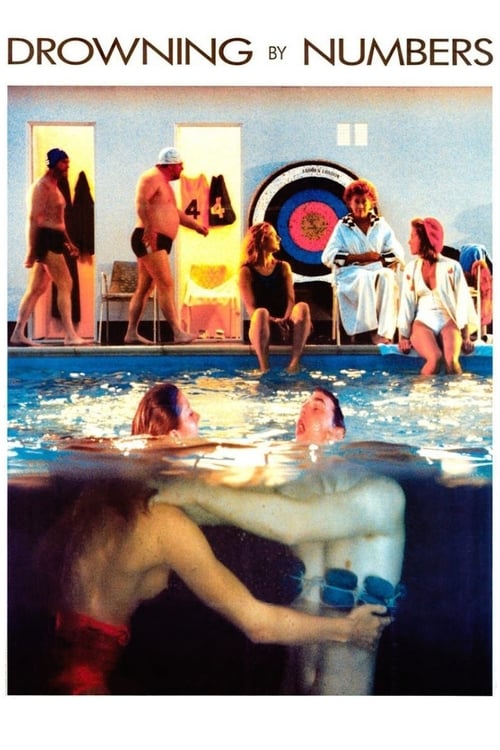
Cissie Colpitts drowns her cheating husband and, in the ensuing cover-up, enlists the help of lonely coroner Henry Madgett, an old friend with a longstanding weakness for her charms. But when Cissie's daughter and granddaughter—both also named Cissie Colpitts—decide to resort to the same methods for solving conflicts with their own frustrating husbands, the women and their repeated appeals for help begin to wear on Madgett's conscience.

Drowning by Numbers

1988
The Belly of an Architect
6.8

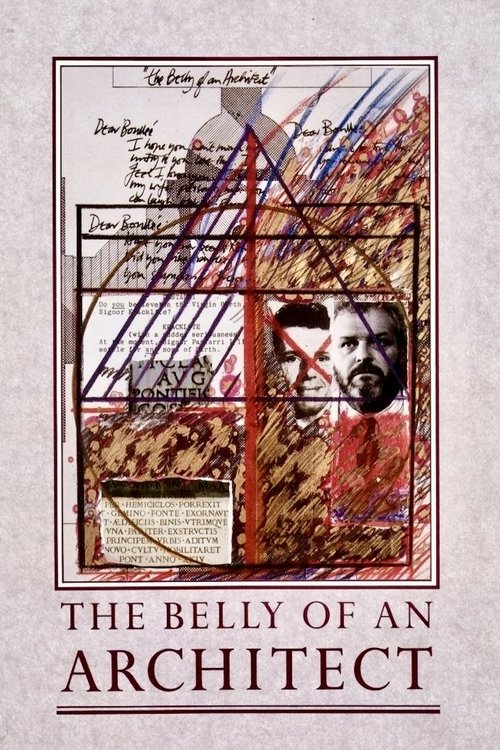
Stourley Kracklite, a driven, detail-obsessed architect, travels from America to Rome with his much younger wife, Louisa, to oversee an architectural homage to a personal hero, 18th-century master builder Etienne-Louis Boullée. En route by train, Stourley and Louisa conceive a much-wanted child — but Stourley's obsession with his wife's expanding belly, her perceived infidelity, and his own recurrent bouts of abdominal pain reach epic and dangerous proportions.

The Belly of an Architect

1987
The Tattoo
6.4

An art dealer wants to buy a Modigliani, which is tattooed on the back of an old soldier.

The Tattoo

1968
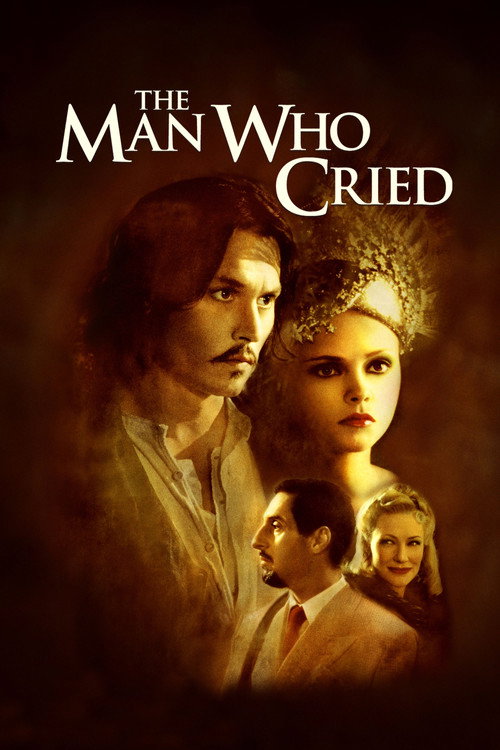
The Man Who Cried
6.1

A young refugee travels from Russia to America in search of her lost father and falls in love with a gypsy horseman.

The Man Who Cried

2000
My American Uncle
7.0

Professor Henri Laborit uses three people's stories to discuss behaviourist theories of survival, combat, rewards and punishment, and anxiety: René is a technical manager at a textile factory and must face the anxiety caused by corporate downsizing; Janine is a self-educated actress/stylist who learns that the wife of her lover is dying and must decide to let them reunite; and Jean is a controversial career-climbing writer/politician at a crossroads in life.

My American Uncle

1980
Stavisky...
5.9

Biarritz, 1933. Charm and talent assist small-time swindler Serge Alexandre, alias Stavisky, to bribe his way into the centre of French politics. But when his great scam involving millions is exposed, he brings the government to the verge of collapse and the country to the brink of civil war.

Stavisky...

1974
Le Secret des Flamands
7.0

Inspired by the book The Lives of the Most Excellent Painters, Sculptors, and Architects by painter Giorgio Vasari, this historical soap opera, in which betrayals, kidnappings, murders and police investigations are interwoven, relates the discovery by the Italians of the secret of Flemish painting around 1470.

Le Secret des Flamands

1974
Prospero's Books
6.8

An exiled magician finds an opportunity for revenge against his enemies muted when his daughter and the son of his chief enemy fall in love in this uniquely structured retelling of the 'The Tempest'.

Prospero's Books

1991
Love Unto Death
6.7

Elisabeth and Simon have been deeply in love for two months when Simon momentarily dies, but returns to life. Despite declining further medical tests, the couple are forced to grapple with the possibility of his death. Eventually, they tell their close friends Jérôme and Judith Martignac about the event. The Martignacs are both clerics, and Judith has just been giving a funeral service for a villager who committed suicide, though Jérôme would have nothing to do with suicide...

Love Unto Death

1984
The War Is Over
6.5

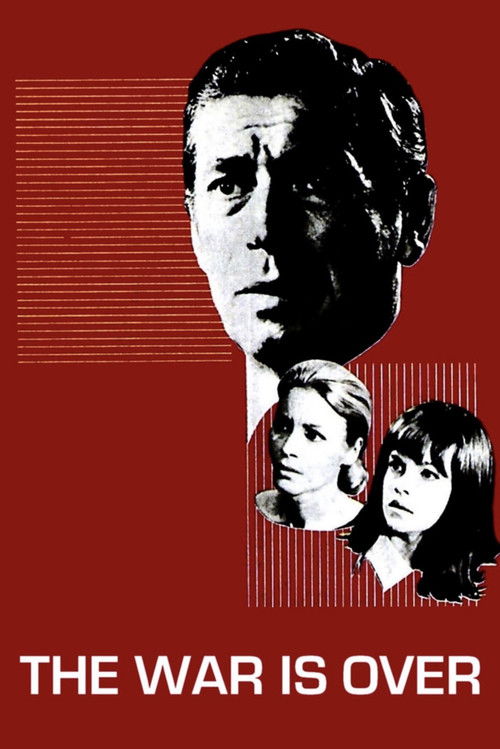
On his way from Madrid to Paris, Diego, a chief of the Spanish Communist Party, is arrested at the border for an ID check but manages to flee. When he arrives in Paris, he searches for one of his comrades to prevent him from going to Madrid where he could be arrested.

The War Is Over

1966