Verónica Castro
Acting
Biography
Verónica Judith Sáinz Castro (born 19 October 1951), better known as Verónica Castro, is a Mexican actress, singer, producer, former model and presenter. She is the mother of singer Cristian Castro and filmmaker Michel Castro. One of the most important figures on Mexican television who revolutionized the world of romantic novels and films is the beautiful and sensual Verónica Castro, the so-called "Diva of Mexico" who achieved her goals with her charm, charisma, and, above all, perseverance. biggest dreams regarding television, becoming a celebrity recognized not only throughout Latin America, but also in much of the entire world. She was recognized in 2005 with the Emmy Award for her contribution to Mexican television.
Known For

A wealthy matriarch tries to maintain her family's facade of perfection after her husband's mistress exposes their dirty secrets.
The House of Flowers

A yearly musical contest organized by the municipality of Viña del Mar, Chile which takes place during the last week of February at the Quinta Vergara Amphitheater since February 21, 1960.
Viña del Mar International Song Festival

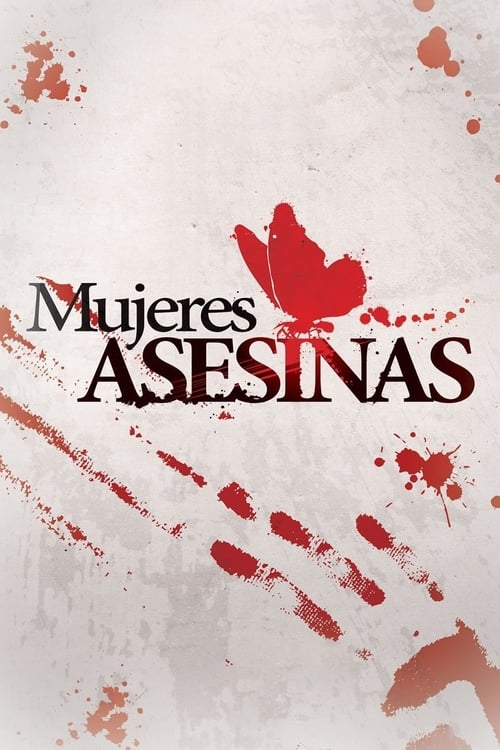
Mujeres Asesinas is a series that shows the dark side of women who have been mistreated or abused and become cruel murderers. The series shows how violence and death can overcome the feminine mind.
Killer Women

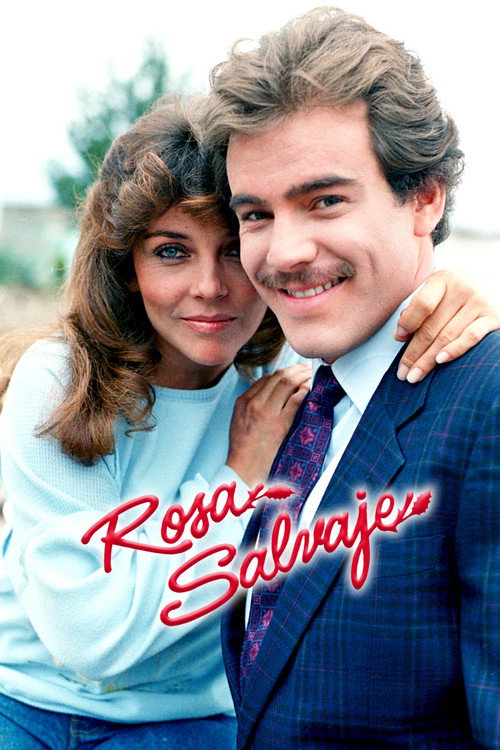
Rosa salvaje is a Mexican telenovela that was broadcast in 1987. It starred the popular Mexican actress Verónica Castro, who played the main character, "Rosa", co-starring with Guillermo Capetillo as her love interest and Laura Zapata as the villain of the story. This telenovela was a huge success in Mexico, Latin America, Bulgaria, Croatia, Serbia, Bosnia and Herzegovina, Russia, Estonia, China the United States, Indonesia and provided the template for numerous other Latin American soap operas in terms of story, plot twists and characters for years to come.
Rosa Salvaje

Popular telenovela produced in Mexico in 1979, starring Verónica Castro, Rogelio Guerra and Rocío Banquells. Castro also sang the theme Aprendí a Llorar, a song written by Lolita de la Colina. The telenovela was produced by Chilean Valentín Pimstein and Carlos Romero, it was directed by Rafael Banquells. The story was written by Inés Rodena and adapted by Valeria Philips.
Los ricos también lloran
Big Brother México is a reality television series based on the international Big Brother format produced in the Netherlands by Endemol. Big Brother México was launched by Televisa in 2002. Before its debut, the idea of being watched twenty-four hours a day by a camera was shocking to some in Mexican society. The series was successful, and it was followed by a special edition called Big Brother VIP with Mexican celebrities from show business and even politics. Congressman Jorge Kahwagi, minority whip of the Mexican Green Party in the Chamber of Deputees of Mexico's Congress, shocked and angered many people in Mexico when he asked to be excused from his post in Congress to be sequestered for months inside the Big Brother House. Critics among colleagues and the general public accused him of dereliction of duty, discrediting his office, and seeking personal gain. During the show, late-night variety-show host, comedian, and producer Adal Ramones, also from Televisa, made a send-up of Big Brother which he called "El Gran Carnal" or "Big Bro" in Mexican slang. In December 2009, it was announced that there would be an "Allstars" version of Big Brother Mexico and that if it favors well with ratings, a possible fourth season will likely follow.
Big Brother Mexico

Cachitos de hierro y cromo is a Spanish musical-themed documentary program, directed by Jero Rodríguez and hosted by Virginia Díaz. It is an unapologetic musical display of RTVE's sound legacy in the form of performances on the set of programs such as 'Aplauso', 'Galas del Sábado', 'Mapa Sonoro', 'Zona Franca' or 'Los Conciertos de Radio 3'. For nearly 60 years, artists and other specimens have stormed viewers' screens. The result is a polyphony of images and memories that includes everything from James Brown to Camela, from Perales to REM, from Gabinete to Violent Femmes. And so all the time. Our secret weapon has been the historical archive of TVE, the repository of Spanish collective memory for more than half a century.
Cachitos de hierro y cromo
No description available.
Big Brother VIP Mexico

Los Exitosos Perez is the adaptation for Mexico of the Argentine telenovela Los Exitosos Pells. It's a co-production of Endemol and Telefe. Mexican producer José Alberto Castro acts as it executive producer. With a mixed cast of mostly Mexican and Argentinian actors, and a few from other nationalities, it was filmed on location in Argentina, in exactly the same sets used in the original Argentinian counterpart. It premiered in Mexico on 31 August 2009 on the Televisa network.
Los Exitosos Perez

No description available.
Mi pequeña Soledad

No description available.
El Derecho de Nacer

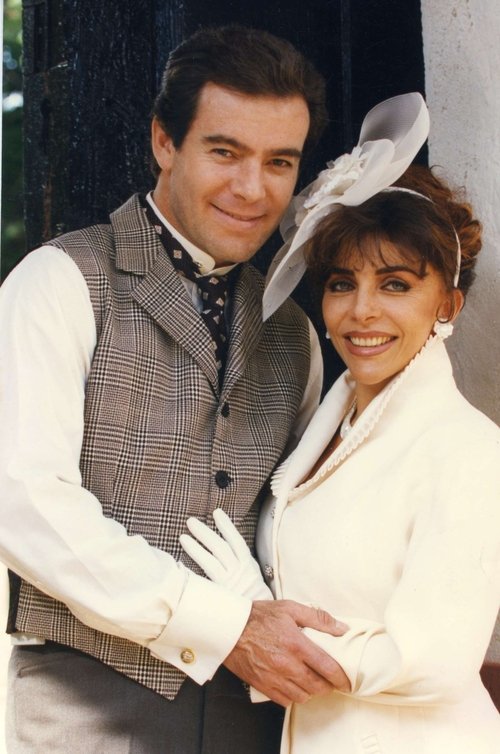
Valentina is a Mexican telenovela produced by José Alberto Castro for Televisa. Which aired in 1993 on Canal de las Estrellas and it stars Verónica Castro and Juan Ferrara.
Valentina

No description available.
Pueblo chico, infierno grande

No description available.
Ven Acá... con Eugenia León y Pavel Granados

No description available.
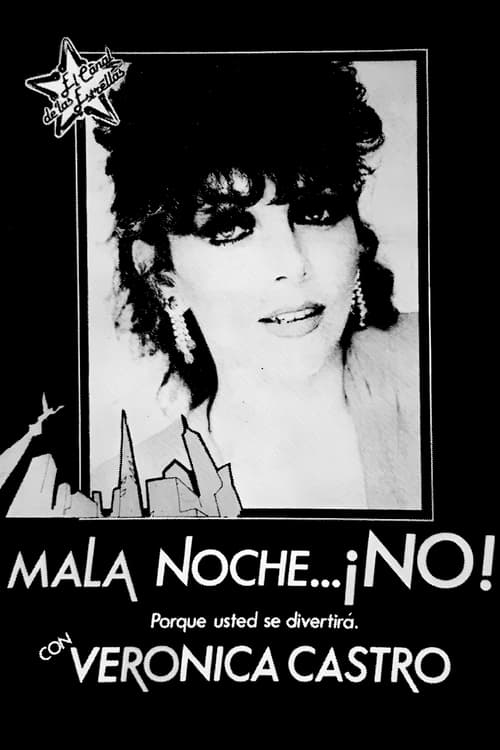
Mala Noche... ¡No!

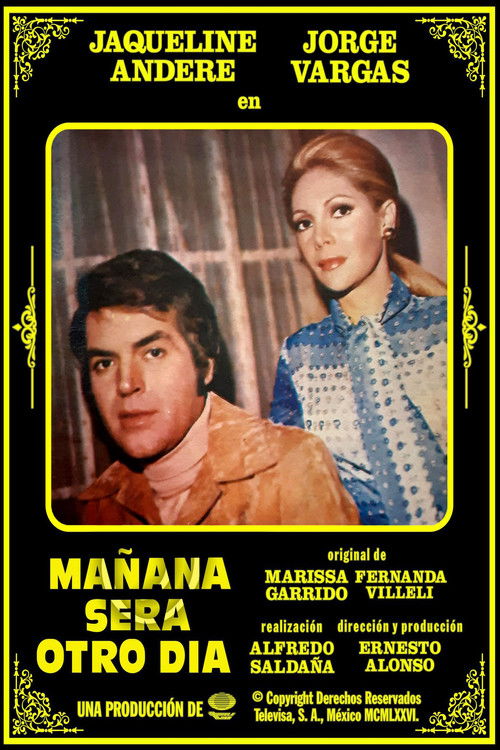
The title "Manana Sera Otro Dia" is the name of a Mexican telenovela. It began in 1976, with principal actors Jacqueline Andere and Eduardo Fajardo. The title in English means "Tomorrow will be another day", similar to Scarlett O'Hara's famous lines, optimistic of future victory, in the 1939 film Gone with the Wind. In the Spanish title, the accented word "será" is pronounced as "say-Rah" but often the word for day is not accented. The telenovela's runtime was 30 minutes, and it had 253 episodes. The TV series was produced in Mexico by Televisa S.A. de C.V. Viewers' reactions to the show have been highly favorable.
Mañana Será Otro Día

No description available.
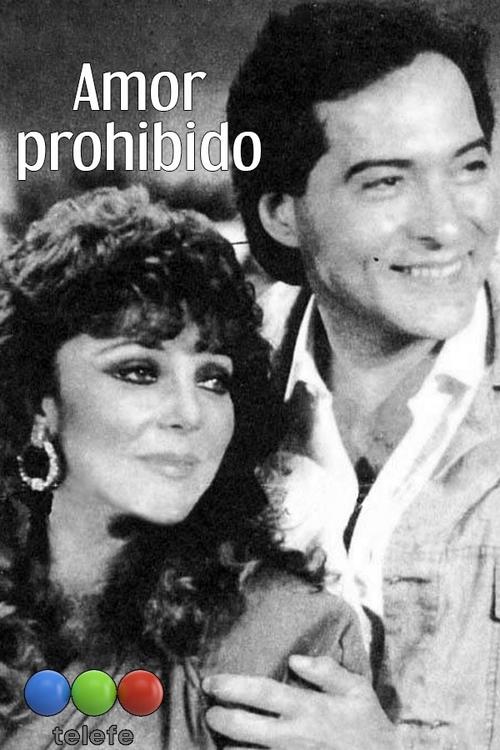
Amor prohibido

A chronicle of the life of Jaro, the leader of a juvenile delinquent gang, depicting his rise from street urchin to outlaw anti-hero on the way to his inevitable end.
Navajeros

No description available.
Cara a cara

No description available.