Acting
In the year 10,191, the most precious substance in the universe is the spice Melange. The spice extends life. The spice expands consciousness. The spice is vital to space travel. The spice exists on only one planet in the entire universe, the vast desert planet Arrakis, also known as Dune. Its native inhabitants, the Fremen, have long held a prophecy that a man would come, a messiah who would lead them to true freedom.
Maricruz and Beatriz are school friends; Beatriz comes from a well-to-do family, whereas Maricruz belongs to a lower socioeconomic stratum. Both are on the verge of turning fifteen and are preparing to leave childhood behind. Issues within their family and social environments affect them directly; for Beatriz, her parents' marital breakdown becomes the primary obstacle to overcome, compounded by a sexual awakening fraught with taboos and misinformation. Meanwhile, Maricruz must contend with her mother's overprotectiveness and prejudices, as well as the tension caused by a neighbor who is obsessed with her.
No description available.
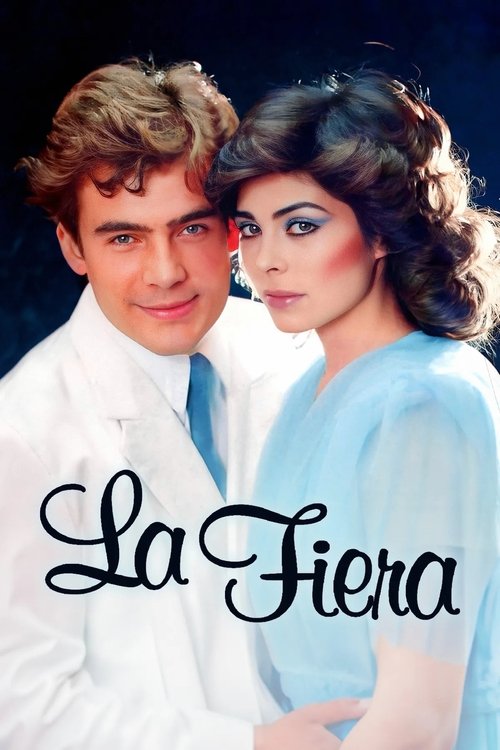
Natalie, a poor but beautiful girl from a humble neighborhood, falls in love with and wins the heart of Victor Afonso—her childhood friend and the son of the city's wealthiest family. Natalie lives with a cruel old woman who forces her to beg to support her, yet also foresees through fortune-telling cards that "The Beast"—as Natalie is known—will one day find happiness and wealth. Believing this fortune is linked to "The Greek," a wealthy man in love with Natalie, the old woman sells her to him—unaware that Natalie and Victor Afonso had secretly married before he left the country for his studies. When the young man's parents discover the truth, they annul the marriage, indifferent to the fact that "The Beast" is pregnant with his child. Supported by her friend—a cabaret performer known as "La Costeña"—and by The Greek himself, Natalie turns her life around and gives birth to twins; however, she has no idea that The Greek intends to exact a price for all his generosity.
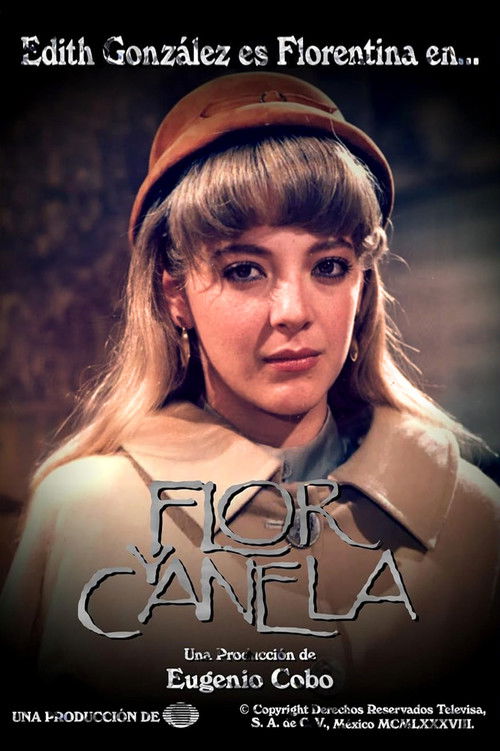
When Refugio and her three sons—Patricio, Edmundo, and Ignacio—are forced out of their home, a twist of fate brings them to Mexico City, where they begin a new life. Eighteen years later, they are settled in a small apartment in a working-class neighborhood. Refugio holds a modest job; although she suffers from serious vision problems, she neglects her own health to attend to her sons' needs. Patricio is studying law and dreams of a comfortable, prosperous future; his mother admires him for his charitable nature. Meanwhile, Edmundo begins courting Lucero—unintentionally hurting Ignacio, who secretly loved her—while Refugio tries in vain to make Patricio understand that he will never be happy with Olga.
Different celebrities live in the same house watched by cameras 24 hours a day. They will have to overcome tests, strategize and eliminate each other so that only one can be the winner of the most famous house in Mexico.
It's the '90s, and five losers run an illegal business at their high school. They sell homework and assignments to their classmates. The advantage is that no one ever suspects the nerds. Their business brings them money and popularity. But hormones and an unexpected death threaten to ruin everything. If the business collapses, their futures and their friendships are at risk.
Alondra is a Mexican telenovela shown in 1995, written by Yolanda Vargas Dulché and produced by Carla Estrada, starring with Ana Colchero and the late Beatriz Sheridan. This telenovela contains 78 episodes.
The lives of María Guadalupe, María Fernanda, and María Paula change tragically following an accident in which they lose their parents. María Guadalupe grows up unaware of her sisters' existence, but fate will bring them together.
Cenizas y diamantes is a Mexican telenovela produced by Eugenio Cobo for Televisa and originally broadcast on Canal de las Estrellas from June 4, 1990, to January 18, 1991. Created by Paulino Sabugal and adapted by Josefina Palos, the telenovela stars Ernesto Laguardia and Lola Merino. The story follows Celeste Ortiz, a kind and beautiful young woman who lives under the control of her ambitious stepmother Andrea and her stepsisters. Her life changes when she meets Julián Gallardo, a wealthy young man who also faces conflicts within his own family. As their love grows, they must overcome betrayal, family rivalries, and the schemes of those determined to keep them apart.
Los Carmona viven en el campo y su vida cambiará radicalmente cuando el gobierno les expropia su terreno y se mudan a la ciudad. En su nueva casa se encontrarán con la adinerada familia Velasco con quienes tendrán muchas aventuras. "The Carmona live in the countryside and their life will change radically when the government expropriates their land and they move to the city. In their new home they will meet the wealthy Velasco family with whom they will have many adventures."
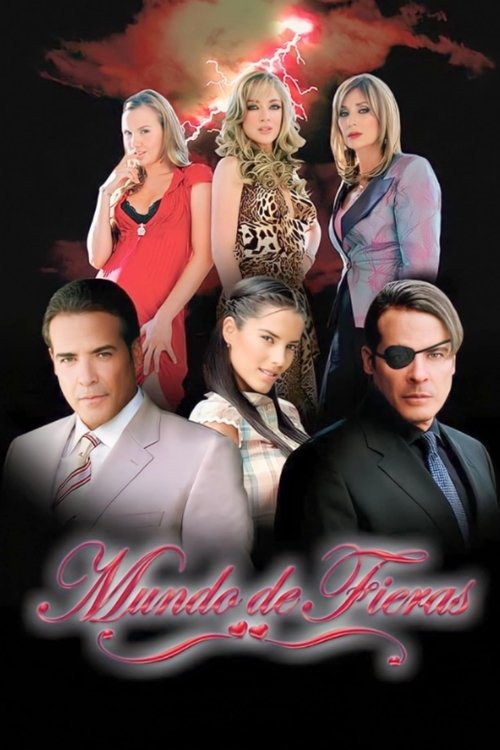
Gabriel and Damián are twin brothers, yet they are vastly different. Gabriel was raised in opulence, whereas his brother grew up in poverty; harboring deep resentment toward Gabriel, Damián seeks to destroy him by any means necessary. Gabriel is in his second marriage to the hysterical widow Joselyn. An accident causes Joselyn to miscarry and leaves Luisito—the son she shares with Gabriel—disabled. Blaming her husband for both tragedies, Joselyn makes his life a living hell. She is aided by her mother, Miriam, and Karen, her daughter from a previous marriage; together, they are the "furies" who torment Gabriel. One day, a humble young woman named Mariángela arrives at the mansion to tutor Luisito, and Gabriel falls in love with her. The "furies" set out to tear Mariángela apart, especially after discovering she is the illegitimate daughter of Clemente—a kind-hearted man who is Miriam’s husband and Joselyn’s father.
La sonrisa del diablo is a Mexican telenovela produced by Ernesto Alonso for Televisa and originally broadcast on Canal de las Estrellas from February 24 to July 31, 1992. It is the second adaptation of the 1970 telenovela of the same name, originally created by Luisa Xamar, and was adapted by Fernanda Villeli and Marcia Yance. The story follows Déborah San Román, a beautiful and ambitious young woman who stops at nothing to achieve wealth and power. After marrying a wealthy widower while secretly maintaining a relationship with her unscrupulous lover, she manipulates and betrays everyone around her. As her web of lies and crimes grows, love, honesty, and justice begin to threaten her ruthless ambitions.
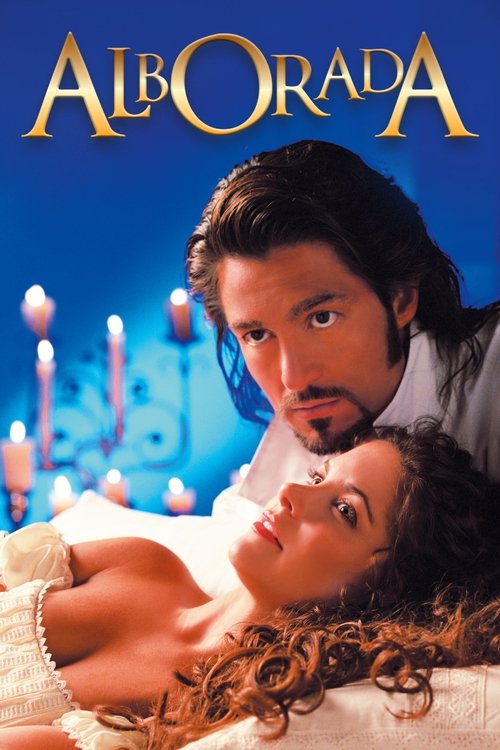
Alborada is a telenovela made by the Mexican TV network Televisa. It is an historical drama, set in colonial Panama and Mexico a few years before Mexican Independence from Spain. The series was broadcast from December 2005 to April 2006 on Univision in the United States. Alborada won the TV y Novelas award for best telenovela of the year.
The story is set at a prestigious, but rigid and repressive school called Instituto Vidal. Its strict owner, Julia Vidal, was once kind but has now turned into a bitter woman following the death of her husband and her daughter, Lauriel. Her granddaughter, Ana, a very sweet and intelligent 10 year old, also has been affected by the death: She has been rendered virtually speechless by the trauma, though she expresses herself through music and possesses an extraordinary ability to move objects with her mind. Ana's unscrupulous father, Francisco Capistrán, however, has taken advantage of the situation to try to steal Julia's school. The timely arrival of Ana's uncle, Salvador, Amanda and her adopted son changes everything. Ana’s sad and lonely life takes an unexpected turn for the better and she regains her joy in a series of adventures bursting with humor, excitement, music and thrilling surprises.
A young woman from a small town falls in love with a man, but when she goes to the city to find him, things don't go as she expected.
Tino is a single father, full of debt, and faces tough challenges in raising his two children. Aidé is a great businesswoman and mother of two teenagers, she seems to have it all, at least on the surface. One day, Tino discovers that he is the father of Aidé's children, and together, they decide to build a new family, even if, at first, it is for their interests. However, they will realize that things are not as easy as they thought. Since their house has become a battlefield, they must overcome several obstacles to find love and achieve happiness.
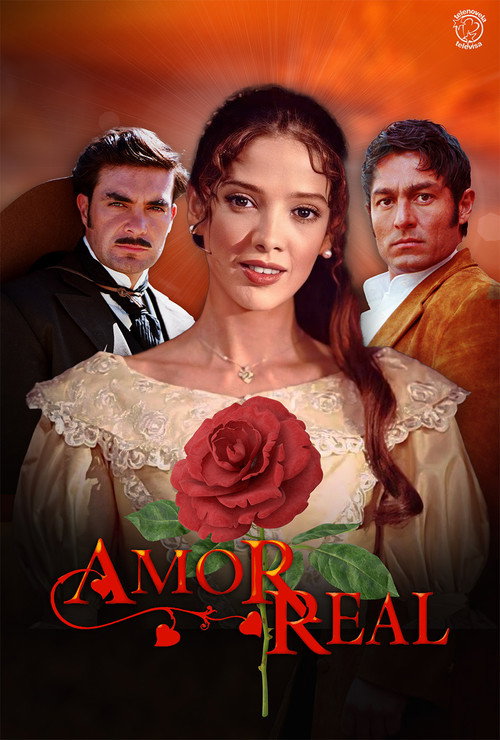
True love threatens to tear a family apart in this epic Mexican serial set in the 1800s. Rich and beautiful Matilde falls in love with Adolfo, but her mother, Augusta, disapproves of the relationship when she learns Adolfo is poor. Augusta forces her daughter to marry rich and handsome Manuel Fuentes Guerra, but Matilde plays with fire by continuing to be with Adolfo. Adela Noriega, Fernando Colunga, Helena Rojo and Chantal Andere star.
Mi querida Isabel is a Mexican telenovela produced by Angelli Nesma Medina for Televisa and originally broadcast on Canal de las Estrellas from December 9, 1996, to April 25, 1997. It is a remake of the 1975 telenovela Paloma, based on the original story by Marissa Garrido. The story follows Isabel Rivas, a hardworking law student who has taken responsibility for her family after the death of the woman she believes was her mother. As she falls in love with Juan Daniel Márquez, she becomes involved in a web of family secrets and discovers that her real mother, Sagrario, has spent nearly twenty years in prison for a crime she did not commit. Determined to uncover the truth, Isabel fights for justice, love, and the reunion of her family.