Richard Coogan
Acting
Biography
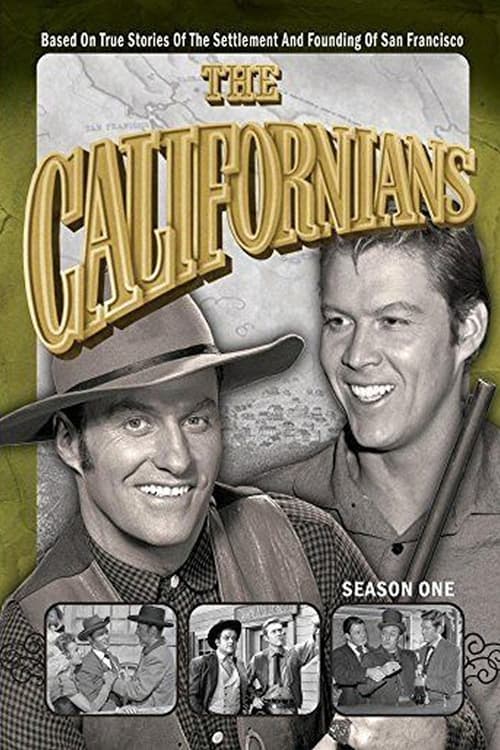
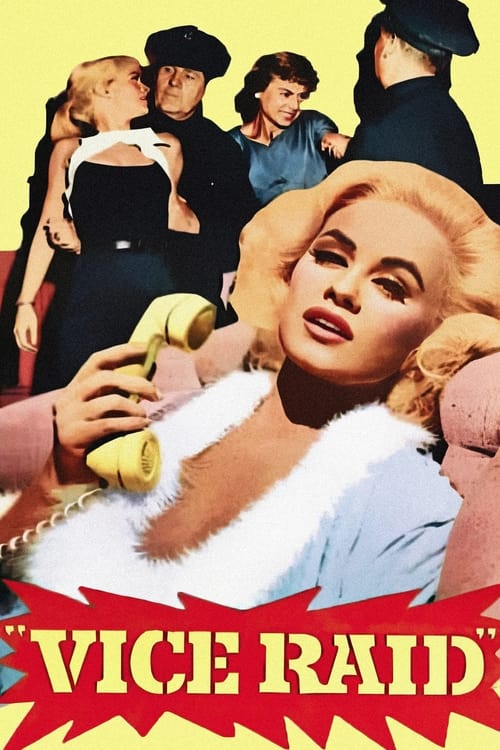
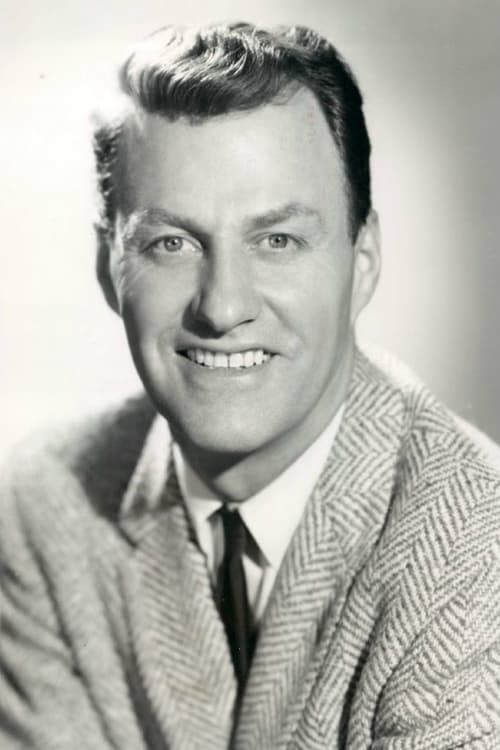
Richard Coogan (born April 4, 1914) is an American actor best known for his portrayal of Captain Video from 1949-1950. Born in Short Hills, New Jersey, Coogan worked in radio for some time, including appearing as Abie Levy in Abie's Irish Rose. He also appeared on Broadway in five different productions between 1945 and 1955, all of them short-lived except for Diamond Lil with Mae West, and The Rainmaker. He was still appearing on Broadway with West when he took the role of Captain Video on the DuMont Television Network on June 27, 1949. After the live telecast each day, ending at about 7:30 p.m. EST, he would take a cab to the theatre where Diamond Lil was playing. As the popularity of Captain Video increased, Coogan grew less and less comfortable with both the role and the very, very low budget of the production. He left Captain Video in December 1950, replaced by Al Hodge, who played the part for the remainder of the run of the series, until April 1, 1955. Hodge became so completely identified with the character that he was never able to escape it. Coogan transferred to the soap opera Love of Life, where he played the heroic Paul Raven. Between 1954 and 1961, Coogan appeared in such films as Three Hours to Kill, The Revolt of Mamie Stover, Vice Raid, and Girl on the Run. On the NBC television series The Californians (1957β1959) set in the San Francisco gold rush of the 1850s, Coogan appeared as Marshal Matthew Wayne, a character who struck most viewers and critics as a deliberate clone of Gunsmoke's Marshal Matt Dillon. He also had a continuing role on the police procedural series Vice Raid (1960β1961), as Sergeant Whitney Brandon. During 1951β1963 he guest-starred on a number of other TV series, mainly Westerns such as Gunsmoke, Laramie, Bonanza, Maverick, Stagecoach West, Cheyenne, Sugarfoot, Bronco, and Wichita Town, as well as detective series such as Perry Mason, Surfside 6, and 77 Sunset Strip. Coogan retired from film and television around 1964. In later life he was best known as a professional golfer and golf instructor. Description above from the Wikipedia article Richard Coogan, licensed under CC-BY-SA, full list of contributors on Wikipedia.
Known For

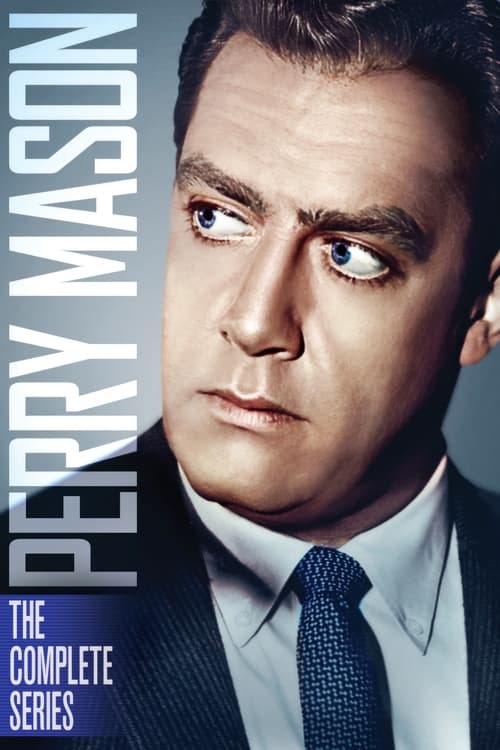
The cases of master criminal defense attorney Perry Mason and his staff who handled the most difficult of cases in the aid of the innocent.
Perry Mason

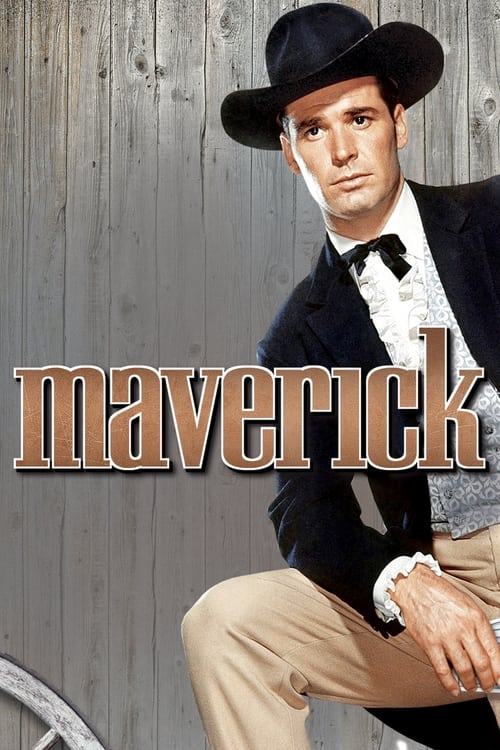
The Maverick boys - Bret, Bart, Beau and Brent - are a clan of well-dressed dandies, gamblers who'd much rather make their money playing cards than messing up their fine clothing with actual work. Sly and clever, none of the Mavericks are much for acts of derring do, but they can be courageous when the situation calls for it. Most often, however, they live by their wits and considerable charm.
Maverick

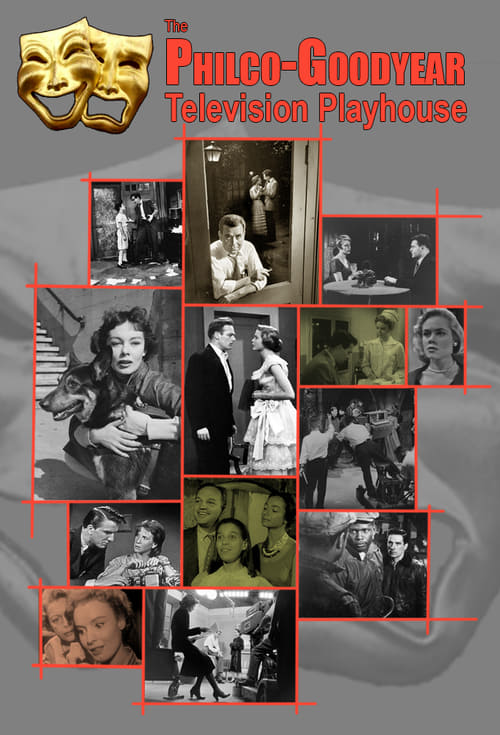
The Philco Television Playhouse is an American anthology series that was broadcast live on NBC from 1948 to 1955. Produced by Fred Coe, the series was sponsored by Philco. It was one of the most respected dramatic shows of the Golden Age of Television, winning a 1954 Peabody Award and receiving eight Emmy nominations between 1951 and 1956.
The Philco Television Playhouse

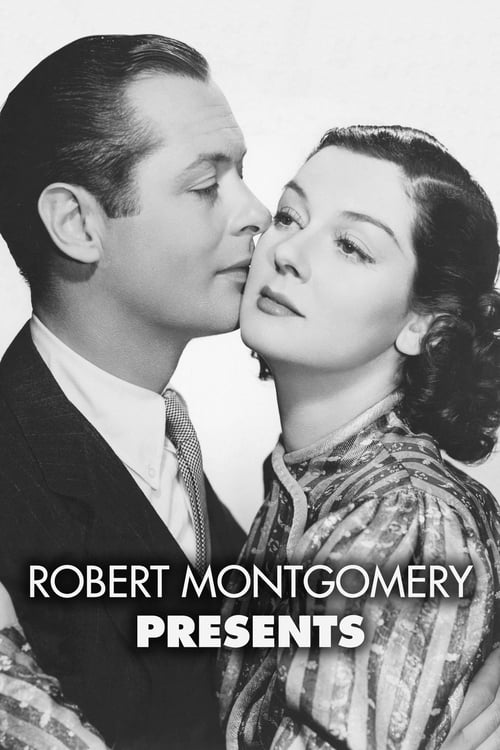
Robert Montgomery Presents is an American dramatic television series which was produced by NBC from January 30, 1950 until June 24, 1957. The live show had several sponsors during its seven-year run, and the title was altered to feature the sponsor, usually Lucky Strike cigarettes, for example, Robert Montgomery Presents Your Lucky Strike Theater, ....The Johnson's Wax Program, and so on.
Robert Montgomery Presents

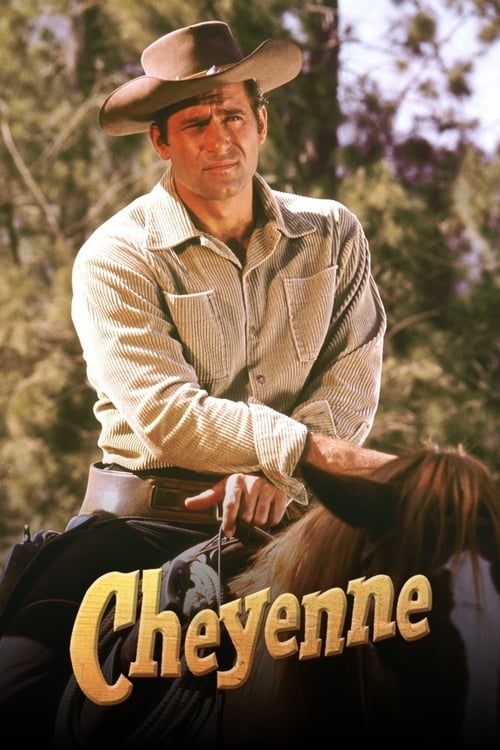
Cheyenne Bodie was a big man, a former army scout who went west after the American Civil War and drifted from job to job, here a cowboy, there a lawman, and always a larger-than-life hero. CHEYENNE is an American western television series of 108 black-and-white episodes broadcast on ABC from 1955 to 1963. The show was the first hour-long western, and in fact the first hour-long dramatic series of any kind, with continuing characters, to last more than one season. It was also the first series to be made by a major Hollywood film studio which did not derive from its established film properties, and the first of a long chain of Warner Brothers original series produced by William T. Orr.
Cheyenne

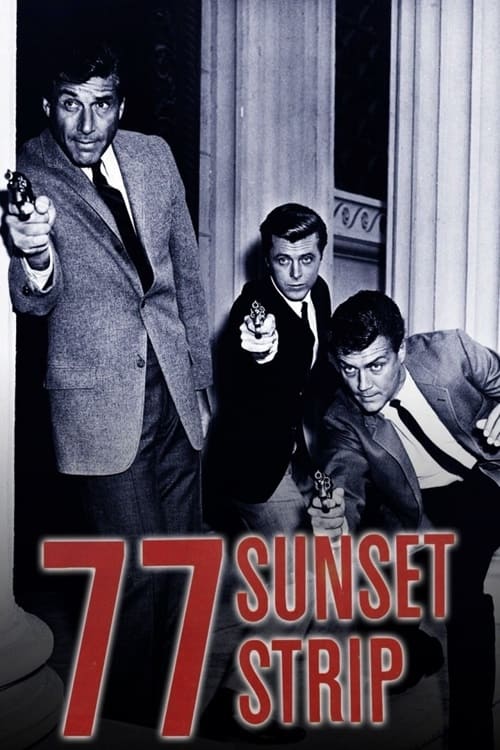
Stu Bailey and Jeff Spencer are the wisecracking, womanizing private-detective heroes of this Warner Brothers drama. They work out of an office located at 77 Sunset Strip in Los Angeles, California, right next door to a snazzy restaurant where Kookie works as a valet. The finger-snapping, slang-talking Kookie occasionally helps Stu and Jeff with their cases, and eventually becomes a full-fledged member of the detective agency. Rex Randolph and J.R. Hale also join the firm, and Suzanne is their leggy secretary.
77 Sunset Strip

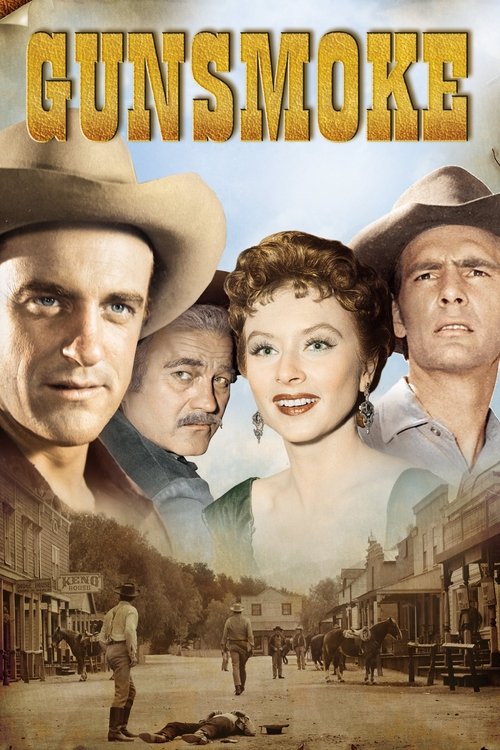
Gunsmoke is an American radio and television Western drama series created by director Norman MacDonnell and writer John Meston. The stories take place in and around Dodge City, Kansas, during the settlement of the American West. The central character is lawman Marshal Matt Dillon, played by William Conrad on radio and James Arness on television.
Gunsmoke

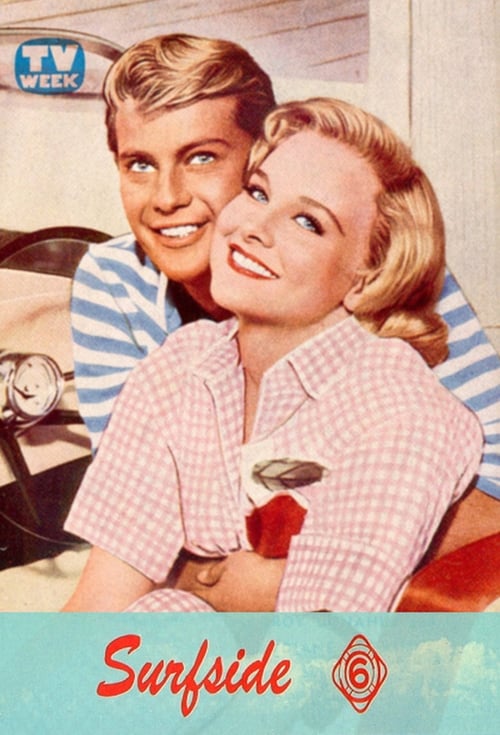
Surfside 6 was an ABC television series which aired from 1960 to 1962. The show centered on a Miami Beach detective agency set on a houseboat and featured Troy Donahue as Sandy Winfield II; Van Williams as Kenny Madison; and Lee Patterson as Dave Thorne. Diane McBain co-starred as socialite Daphne Dutton, whose yacht was berthed next to their houseboat. Margarita Sierra also had a supporting role as Cha Cha O'Brien, an entertainer who worked at The Boom Boom Room, a popular Miami Beach hangout at the Fontainebleau Hotel, directly across the street from Surfside 6. Surfside 6 was in fact a real address in Miami Beach, where an unrelated houseboat was moored at the time; it can also be seen in the sweeping aerial establishing shot of the Fontainebleu in 1964's Goldfinger.
Surfside 6

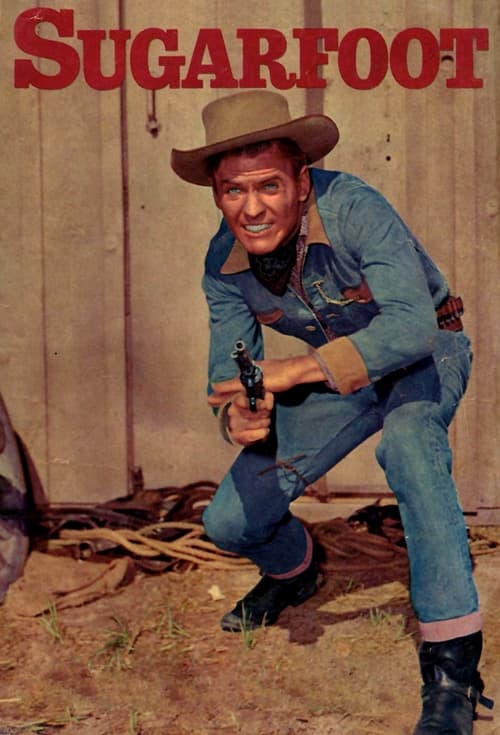
Sugarfoot is an American western television series that aired on ABC from 1957 to 1961. The series stars Will Hutchins as Tom Brewster, an Easterner who comes to the Oklahoma Territory to become a lawyer. Jack Elam is cast in occasional episodes as sidekick Toothy Thompson. Brewster was a correspondence-school student whose apparent lack of cowboy skills earned him the nickname "Sugarfoot", a designation even below that of a tenderfoot.
Sugarfoot

Bronco is a Western series on ABC from 1958 through 1962. It was shown by the BBC in the United Kingdom. The program starred Ty Hardin as Bronco Layne, a former Confederate officer who wandered the Old West, meeting such well-known individuals as Wild Bill Hickok, Billy the Kid, Jesse James, Theodore Roosevelt, Belle Starr, Cole Younger, and John Wesley Hardin.
Bronco

An anthology series adapted from the radio program of the same name. Like the radio program, many scripts were adaptations of literary classics by well-known authors. Classic authors such as Edgar Allan Poe, Agatha Christie, and Charles Dickens all had stories adapted for the series, while contemporary authors such as Roald Dahl and Gore Vidal also contributed.
Suspense
The Clear Horizon is an American soap opera which ran on CBS Daytime from July 11, 1960 to March 10, 1961 and February 26 to June 11, 1962. The show was created and head written by Manya Starr.
The Clear Horizon
Love of Life is an American soap opera which aired on CBS from September 24, 1951, to February 1, 1980. It was created by Roy Winsor, whose previous creation Search for Tomorrow had premiered three weeks before Love of Life, and who would go on to create The Secret Storm two and a half years later.
Love of Life

San Franciscans during the goldrush of the 1850s attempt to maintain law and order in their wild city. Newly arrived Matthew Wayne becomes sheriff, then marshal, and organizes the city police force while expressing interest in the young widow Fanzler and sparring with attorney Pitt. Adam Kennedy appears as Dion Patrick, an Irish newspaperman who helps the local vigilante committee.
The Californians

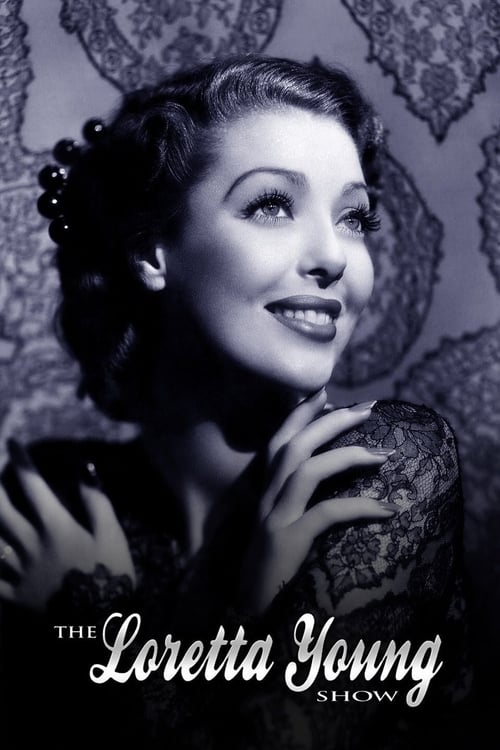
Letter to Loretta is an American anthology drama series telecast on NBC from September 1953 to June 1961 for a total of 165 episodes. The filmed show was hosted by Loretta Young who also played the lead in various episodes. Letter to Loretta was sponsored by Procter & Gamble from 1953 through 1960. The final season's sponsor was Warner-Lambert's Listerine.
Letter to Loretta

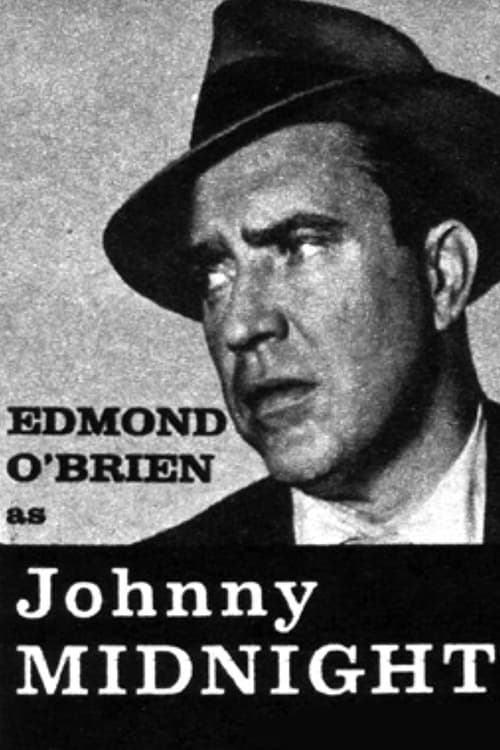
Johnny Midnight is an American crime drama that aired for one season in syndicated from January to December 1960. The series stars Edmond O'Brien as the title character.
Johnny Midnight

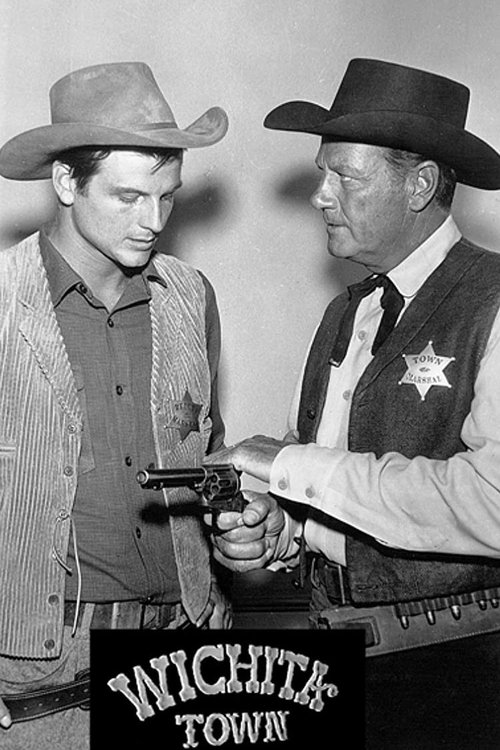
Wichita Town is a half-hour western television series starring Joel McCrea, Jody McCrea, Carlos Romero, and George Neise that aired on NBC from September 30, 1959, until April 6, 1960. Joel McCrea played Marshal Mike Dunbar, in charge of keeping the peace the booming cowtown of Wichita, Kansas. His deputies were Ben Matheson, played by McCrea's real life son, Jody, and Rico Rodriquez, portrayed by Carlos Romero. Making occasional appearances were the town doctor, Nat Wyndham, the blacksmith, Aeneas MacLinahan, and the bartender in the local saloon, Joe Kingston, played in six episodes by Robert Foulk. The model for shows such as these had already been laid out by other western programs such as Gunsmoke, Lawman, and The Life and Legend of Wyatt Earp, so Wichita Town may not have been unique in its plotting and structure. The two most unusual features about the series were the presence of Joel McCrea, a favorite of Western movie audiences for his performance in such films as Union Pacific, Buffalo Bill, and Ramrod, and the fact that his real life son was in Wichita Town, but did not play his son. Wichita Town was produced by Mirisch Company and Joel McCrea's Production company for Four Star Television and aired for a single season.
Wichita Town

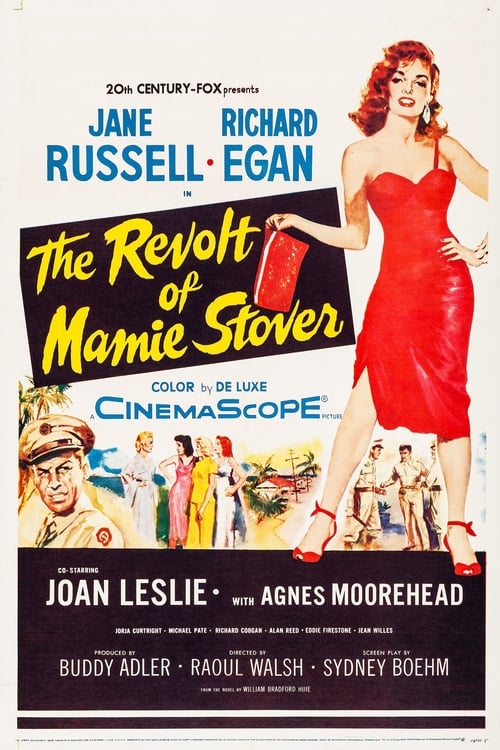
In the early β40s, a San Francisco prostitute is run out of town just as World War II has begun to intensify. She settles down in Hawaii, hoping to start a new life.
The Revolt of Mamie Stover

A prostitute sets out to frame a cop.
Vice Raid

After three years on the run, Jim Guthrie returns with the scar of a rope burn on his neck. In a flashback, we learn how he was framed for murder but then escaped from the lynch mob just as he was about to be hung. Tired of running, he has returned to find the real killer and the Sheriff has given him just three hours to do it.