Acting
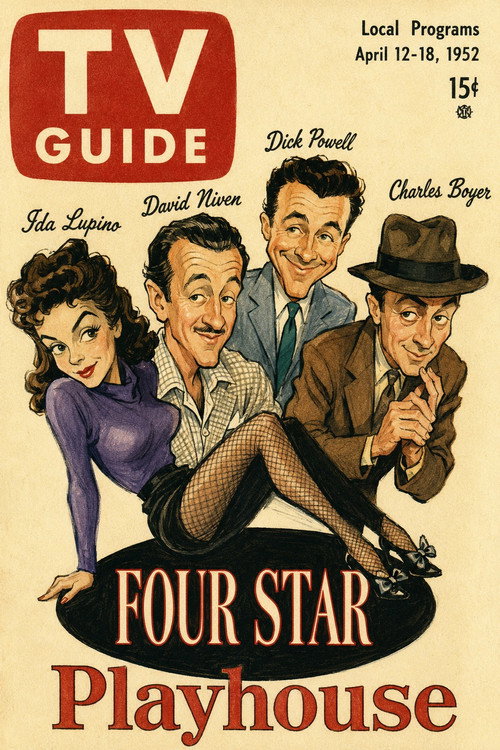
Four Star Playhouse is an American television anthology series that ran from 1952 to 1956, sponsored in its first bi-weekly season by The Singer Company; Bristol-Myers became an alternate sponsor when it became a weekly series in the fall of 1953. The original premise was that Charles Boyer, Ida Lupino, David Niven, and Dick Powell would take turns starring in episodes. However, several other performers took the lead from time to time, including Ronald Colman and Joan Fontaine. Blake Edwards was among the writers and directors who contributed to the series. Edwards created the recurring character of illegal gambling house operator Willie Dante for Dick Powell to play on this series. The character was later revamped and spun off in his own series starring Howard Duff, then-husband of Lupino. The pilot for Meet McGraw, starring Frank Lovejoy, aired here, as did another episode in which Lovejoy recreated his role of Chicago newspaper reporter Randy Stone, from the radio drama Nightbeat.
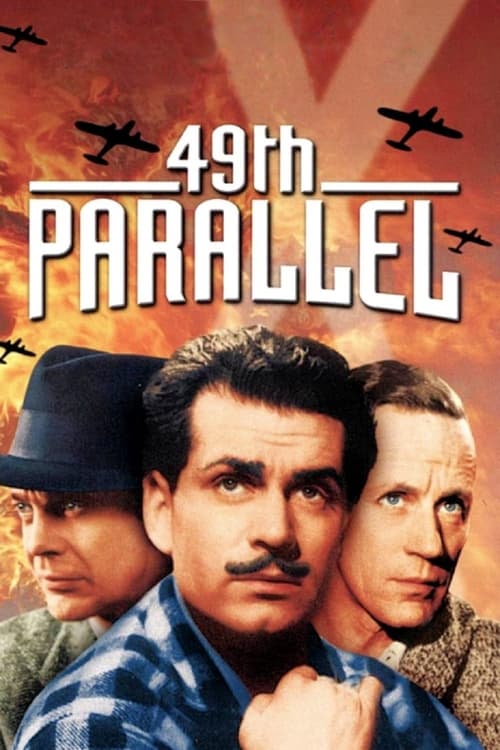
In the early days of World War II, a German U-boat is sunk in Canada's Hudson Bay. Hoping to evade capture, a small band of German soldiers led by commanding officer Lieutenant Hirth attempts to cross the border into the United States, which has not yet entered the war and is officially neutral. Along the way, the German soldiers encounter brave men such as a French-Canadian fur trapper, Johnnie, a leader of a Hutterite farming community, Peter, an author, Philip and a soldier, Andy Brock.
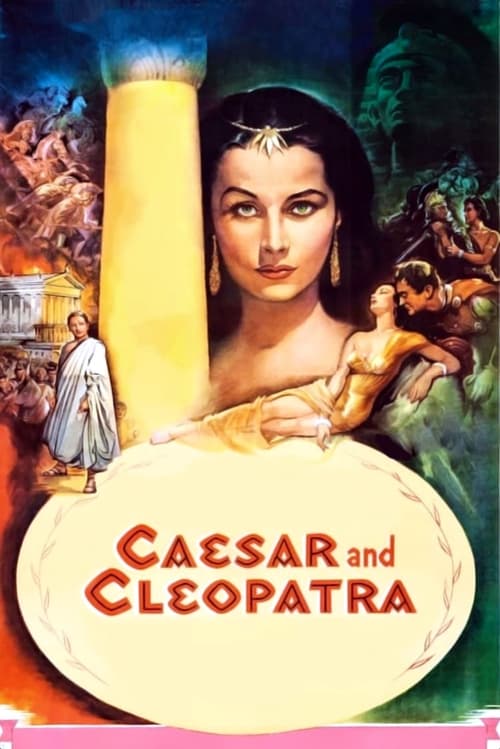
At the height of the Roman Civil War, an aging Julius Caesar finds himself intrigued by the young Egyptian queen Cleopatra, whom he teaches how to rule Egypt.
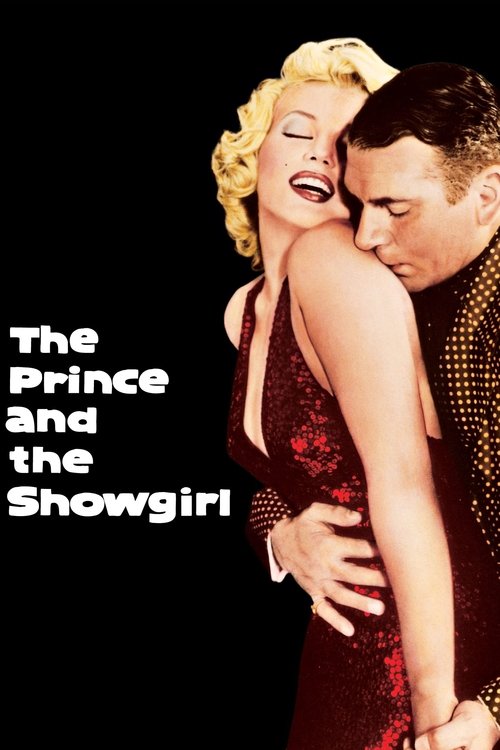
An American showgirl becomes entangled in political intrigue when the Prince Regent of a foreign country attempts to seduce her.
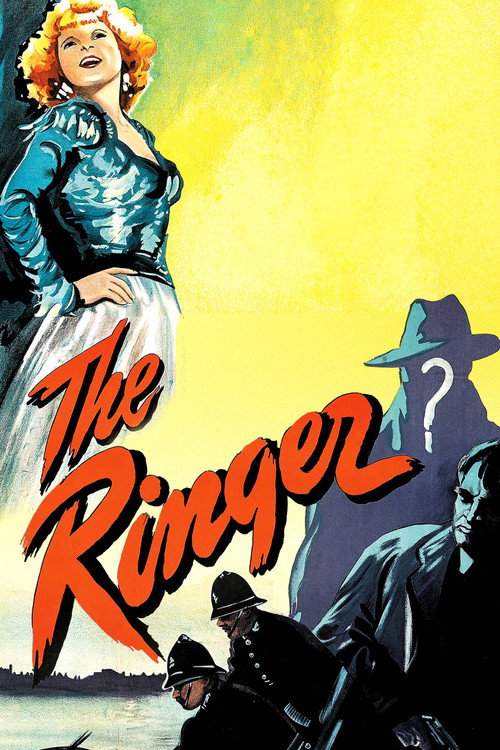
An underhand solicitor receives threatening notes, and the police are called in to protect him.
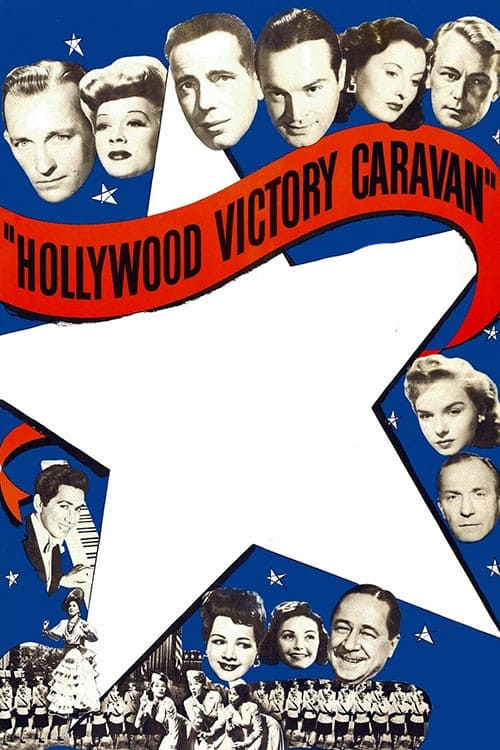
A girl is desperate to get to Washington D.C. to be with her lonesome brother, a wounded G.I. She persuades Bing Crosby to let her join his caravan.
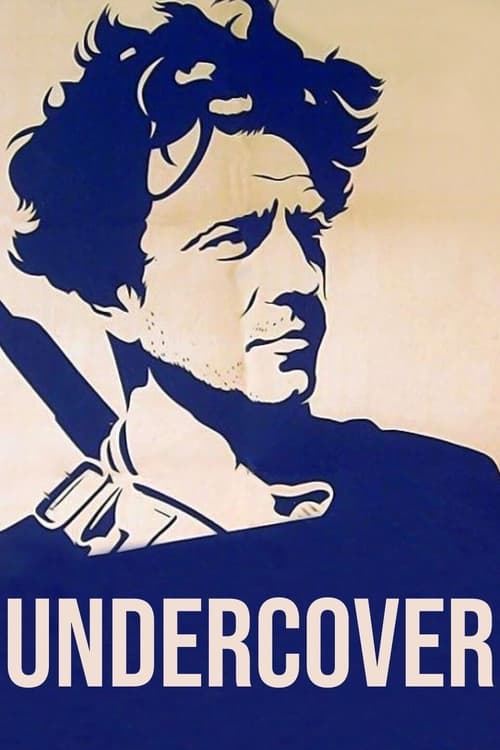
Occupied Yugoslavia. With organised resistance shattered by the Nazi onslaught it is only the activity of small guerrilla bands that bring fresh hope to the people. But quislings and infiltrators are everywhere – and trusting the wrong person could easily get you killed...
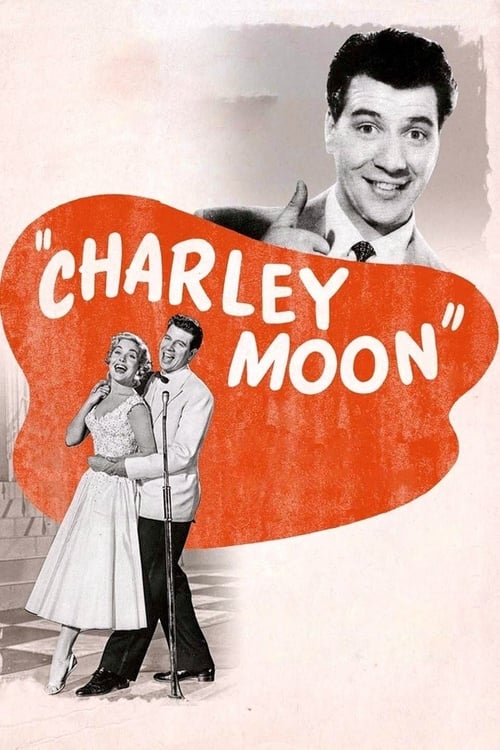
A new career opens for Charley Moon when, during his army service, he is detailed to appear in a unit concert. In doing so, he becomes friendly with Harold Armytage, a peacetime actor of the old school. Hearing that Charley has no job to go to when demobilized, Armytage suggests they team up as stage comics. Things are not easy; jobs are few and far between, and when they can be found they are in the tattiest of theatres, but Charley gains the experience he needs. They then decide to try their luck in London.
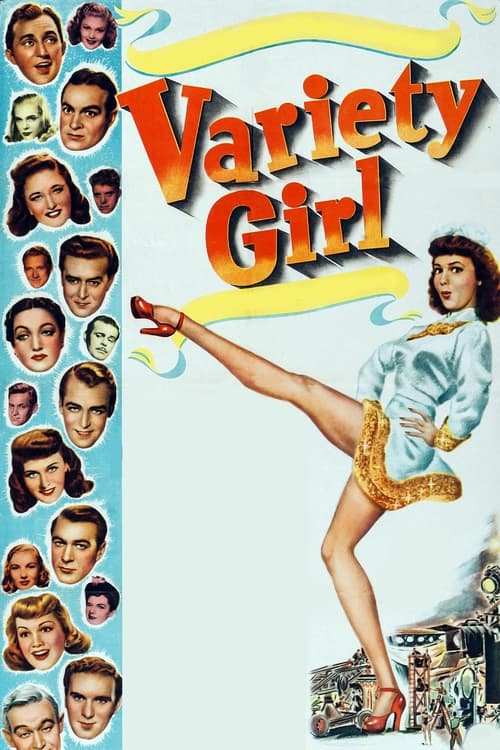
Dozens of star and character-actor cameos and a message about the Variety Club (a show-business charity) are woven into a framework about two hopeful young ladies who come to Hollywood, exchange identities, and cause comic confusion (with slapstick interludes) throughout the Paramount studio.
A private detective goes after the people who murdered his girlfriend.
Life aboard merchant ships with the Maritime Regiment of the Royal Artillery.
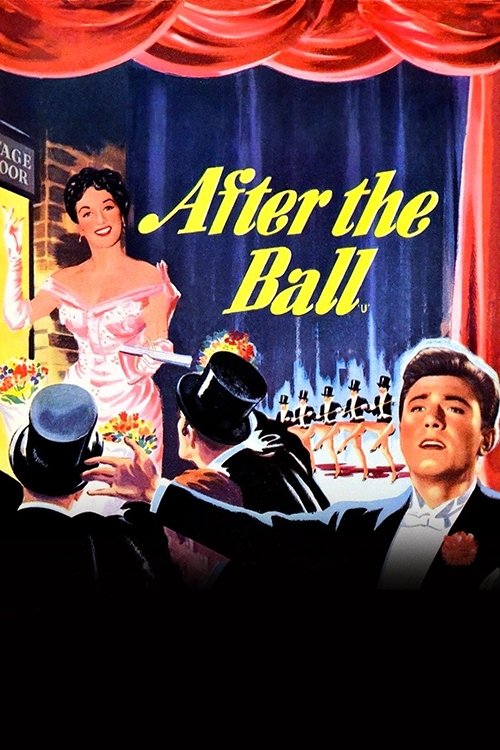
The life and loves of Music hall singer Vesta Tilley, who married into the nobility
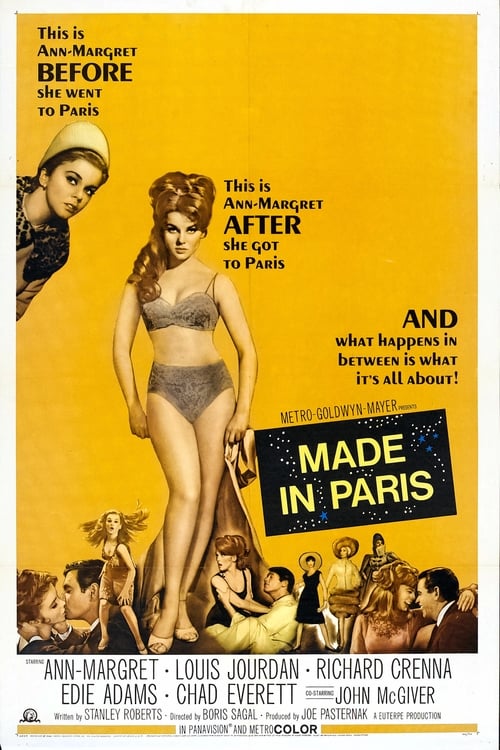
A pretty fashion buyer visiting Paris on business is courted by a famous designer. Boris Sagal's 1966 romantic comedy stars Ann-Margret, Louis Jourdan, Richard Crenna, Chad Everett, Edie Adams, John McGiver, Reta Shaw and Count Basie.
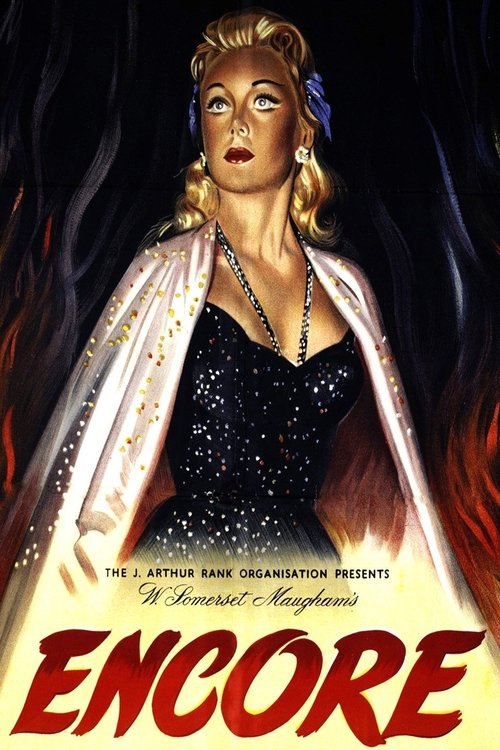
Encore is a 1951 anthology film composed of adaptations of three short stories by W. Somerset Maugham: "The Ant and the Grasshopper", directed by Pat Jackson and adapted by T. E. B. Clarke; "Winter Cruise", helmed by Anthony Pelissier, screenplay by Arthur Macrae; "Gigolo and Gigolette", directed by Harold French, written by Eric Ambler. It is the last film in a Maugham trilogy, preceded by Quartet and Trio.
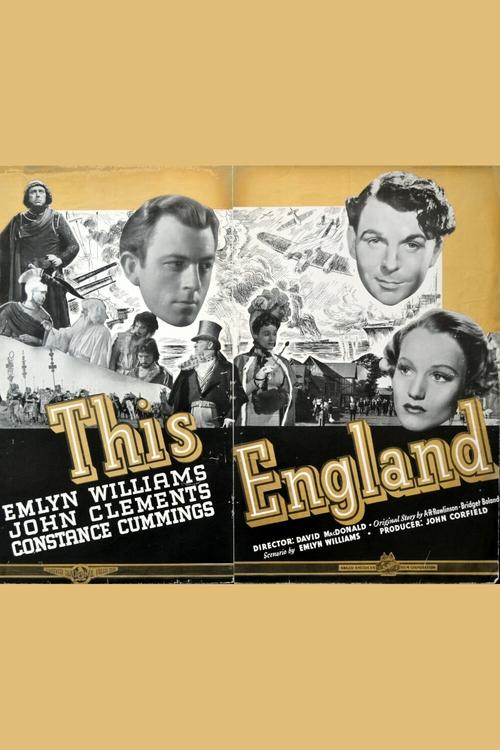
Set in Claverly Village, it follows the fortunes of the Rookebys (Clements) and the ne'r-do-well Appleyards (Williams) from the time of the Normans, 1588, 1804, 1914, and 1940. Made to support morale during the war, its message is basically that you can't suppress the British; they've been there since the beginning; they'll be there to the end.
The favourite for the big race is nobbled and suspicion falls on the owner. His secret admirer proves it wasn't him.
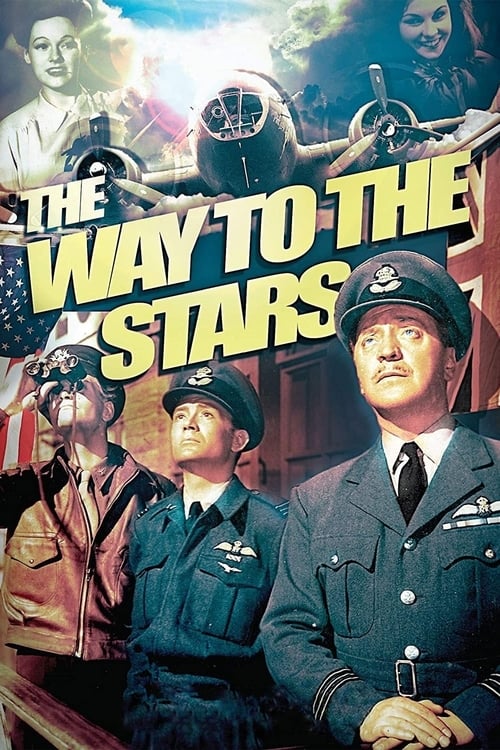
Life on a British bomber base, and the surrounding towns, from the opening days of the Battle of Britain, to the arrival of the Americans, who join in the bomber offensive. The film centres around Pilot Officer Peter Penrose, fresh out of a training unit, who joins the squadron, and quickly discovers about life during war time. He falls for Iris, a young girl who lives at the local hotel, but he becomes disillusioned about marriage, when the squadron commander dies in a raid, and leaves his wife, the hotel manageress, with a young son to bring up. As the war progresses, Penross comes to terms that he has survived, while others have been killed.
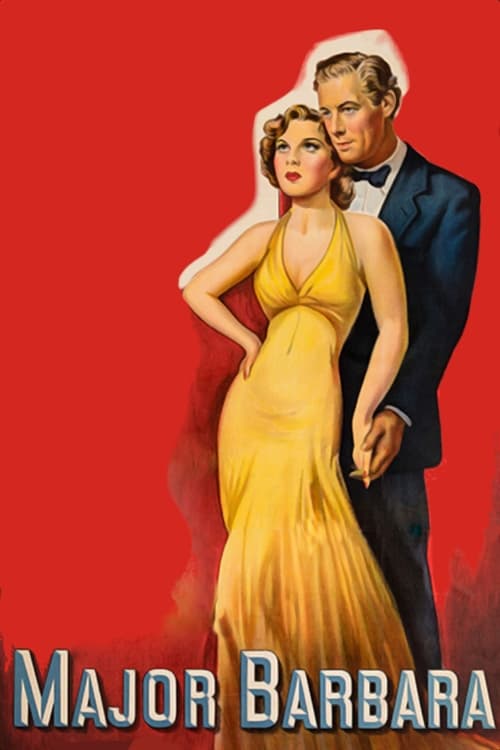
Idealistic young Barbara is the daughter of rich weapons manufacturer Andrew Undershaft. She rebels against her estranged father by joining the Salvation Army. Wooed by professor-turned-preacher Adolphus Cusins, Barbara eventually grows disillusioned with her causes and begins to see things from her father's perspective.
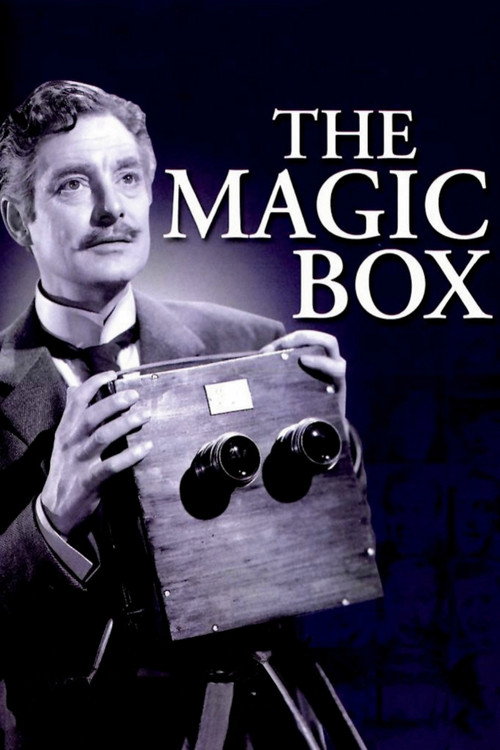
Now old, ill, poor, and largely forgotten, William Freise-Greene was once young and handsome William Green. He changed his name to include his first wife's for the photographic portrait work he excelled at. But he was also an inventor and his search for a way to project moving pictures became an obsession that ultimately changed the life of all those he loved.
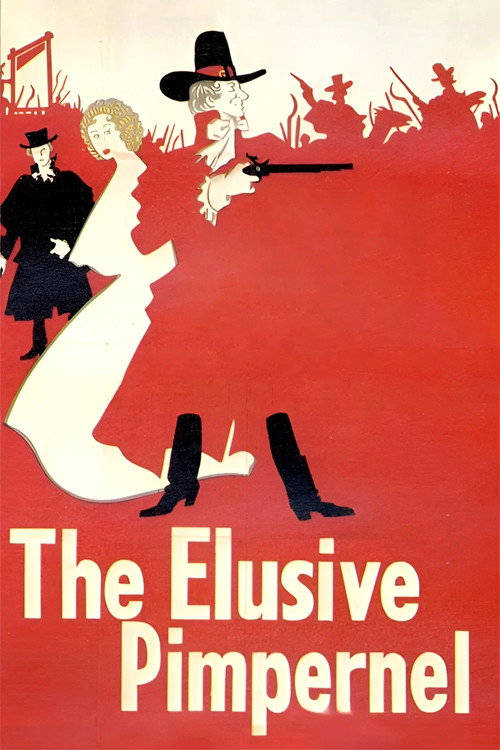
Foppish Sir Percy Blakeney, who secretly leads a double life as the daring rescuer of French aristocrats from the guillotine during the French Revolution, fights to save his brother-in-law while his wife is manipulated by the villainous Chauvelin into helping capture him, unaware of her husband's true identity.