
Nancy Buirski
Directing
Biography
Nancy Florence Buirski (née Cohen; June 24, 1945 – August 29, 2023; New York City) was an American documentary filmmaker, producer, photographer and a founder of the Full Frame Documentary Film Festival. She wrote, directed, and produced the documentary films A Crime on the Bayou (2020) and Desperate Souls, Dark City and the Legend of Midnight Cowboy (2022). In 1998 Buirski founded the Full Frame Documentary Film Festival, in collaboration with the Center for Documentary Studies at Duke University in Durham, North Carolina, and directed it for ten years. However, she did not herself make documentaries until The Loving Story in 2011, which concerned the case of Mildred and Richard Loving, an interracial couple. Married in the District of Columbia in 1958 they had not realized that their marriage was illegal in Virginia, where they lived, and were only able to avoid imprisonment by agreeing to leave the state. After a lengthy legal battle, the Supreme Court found unanimously in their favor in 1967. Funded by the National Endowment for the Humanities, the film premiered at the Full Frame Documentary Film Festival and was later presented at numerous other events. The film won an Emmy. Buirski was awarded a prize for The Loving Story at the Peabody Awards in 2012 and the movie was also on the shortlist for the Oscar in the category Best Documentary. The documentary was used by director Jeff Nichols as inspiration for the movie Loving (2016), for which Buirski was a producer. Buirski's second documentary, in 2013, Afternoon of a Faun: Tanaquil Le Clercq tells the story of the ballerina Tanaquil Le Clercq, who contracted polio in 1956 while on tour, and remained paralyzed from the waist down for the rest of her life. Buirski followed this in 2015 with By Sidney Lumet, which provides a portrait of the American movie director Sidney Lumet, based on an interview made in 2008 by Daniel Anker. Lumet talks about his films, remembers colleagues, family and friends and looks back at the beginning of his career as an actor in a Jewish theater group. Both films were co-produced by American Masters/PBS. In 2017, Buirski made a documentary entitled The Rape of Recy Taylor about Recy Taylor, an African-American woman from Abbeville in Henry County, Alabama. In 1944, Taylor was kidnapped while leaving church and gang-raped by seven white men. Despite the men's confessions, two grand juries declined to indict them and no charges were ever brought. In 2011, the Alabama Legislature officially apologized on behalf of the state "for its failure to prosecute her attackers." The film was awarded the Human Rights Nights prize at the 74th Venice International Film Festival. Buirski was a member of the Academy of Motion Picture Arts and Sciences and the Television Academy of Arts and Sciences. In addition to her documentaries, she produced several collections of Full Frame shorts and a collection of feature-length documentaries. The Katrina Experience brought together a collection of films about Hurricane Katrina, while Time Piece was a cross-cultural collection of Turkish and American shorts. She also produced Althea, a film about the Black tennis player, Althea Gibson. Buirski died on August 29, 2023, at the age of 78.
Known For
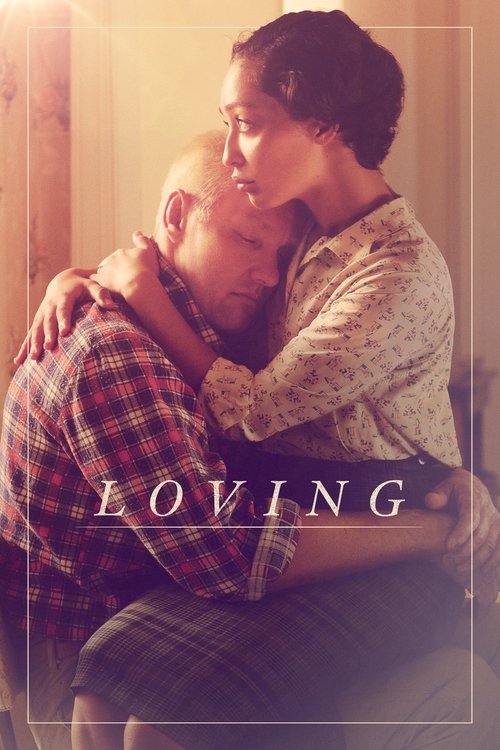
In 1958, in the state of Virginia, the idea of interracial marriage was not only considered to be immoral to many, it was also illegal. When Richard and Mildred fall in love, they are aware of the eyes staring at them and the words said behind their backs. It's when they get married, however, that words and looks become actions, and the two are arrested. The couple decide to take their case all of the way to the Supreme Court in order to fight for their love. Based on a true story.
Loving
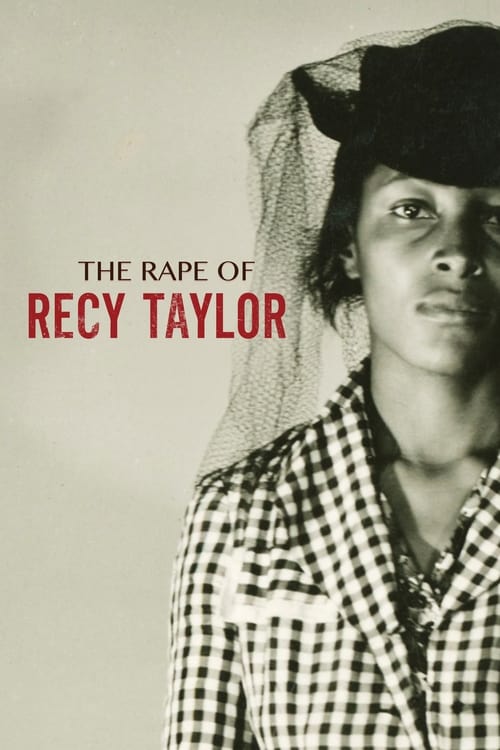
Recy Taylor, a 24-year-old black mother and sharecropper, was gang raped by six white boys in 1944 Alabama. Common in Jim Crow South, few women spoke up in fear for their lives. Not Recy Taylor, who bravely identified her rapists. The NAACP sent its chief rape investigator Rosa Parks, who rallied support and triggered an unprecedented outcry for justice. The film exposes a legacy of physical abuse of black women and reveals Rosa Parks’ intimate role in Recy Taylor’s story.
The Rape of Recy Taylor
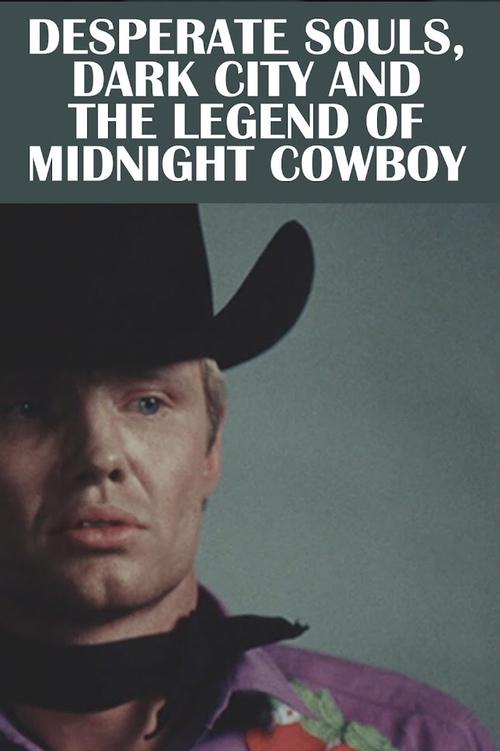
This is not a documentary about the making of Midnight Cowboy. It is about a humane and groundbreaking masterpiece and the flawed but gifted people who made it. It is about a troubled era of cultural ferment, social and political change, about broken dreams and strivers, then and now. It is about an era that made a movie and a movie that made an era.
Desperate Souls, Dark City and the Legend of Midnight Cowboy

Althea Gibson’s life and achievements transcend sports. A truant from the rough streets of Harlem, Althea emerged as a most unlikely queen of the highly segregated tennis world in the 1950s. Her roots as a sharecropper’s daughter, her family’s migration north to Harlem in the 1930s, mentoring from Sugar Ray Robinson, David Dinkins and others, and fame that thrust her unwillingly into the glare of the early Civil Rights movement, all bring her story into a much broader realm of the American story.
Althea
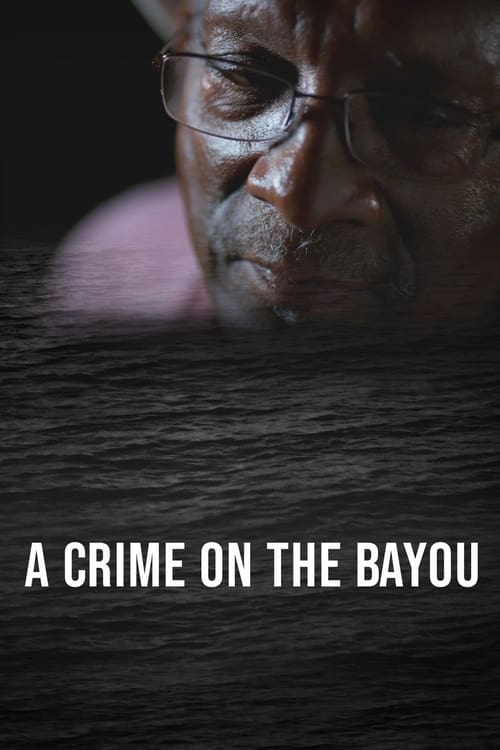
A Crime on the Bayou is the story of Gary Duncan, a Black teenager from Plaquemines Parish, a swampy strip of land south of New Orleans. In 1966, Duncan tries to break up an argument between white and Black teenagers outside a newly integrated school. He gently lays his hand on a white boy’s arm. The boy recoils like a snake. That night, police burst into Duncan’s trailer and arrest him for assault on a minor. A young Jewish attorney, Richard Sobol, leaves his prestigious D.C. firm to volunteer in New Orleans. With his help, Duncan bravely stands up to a racist legal system powered by a white supremacist boss to challenge his unfair arrest. Their fight goes all the way to the U.S. Supreme Court, and their lifelong friendship is forged.
A Crime on the Bayou
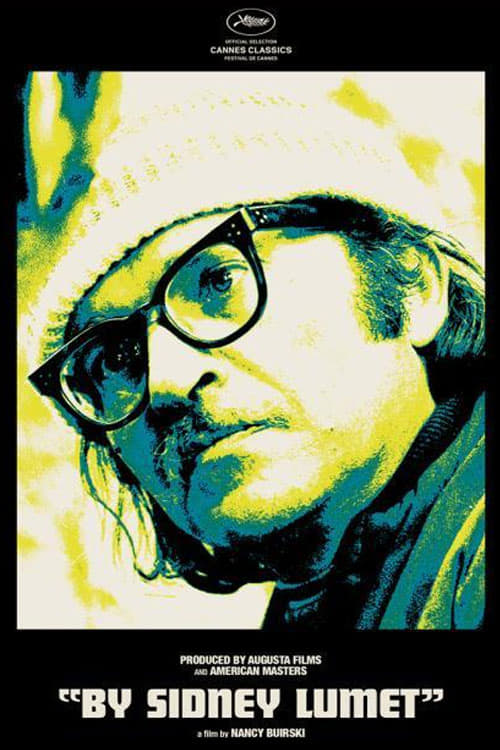
An analysis of director Sidney Lumet's work (12 Angry Men, Dog Day Afternoon, Before The Devil Knows You're Dead) in his own words, based on a five-day interview recorded shortly before his death.
By Sidney Lumet
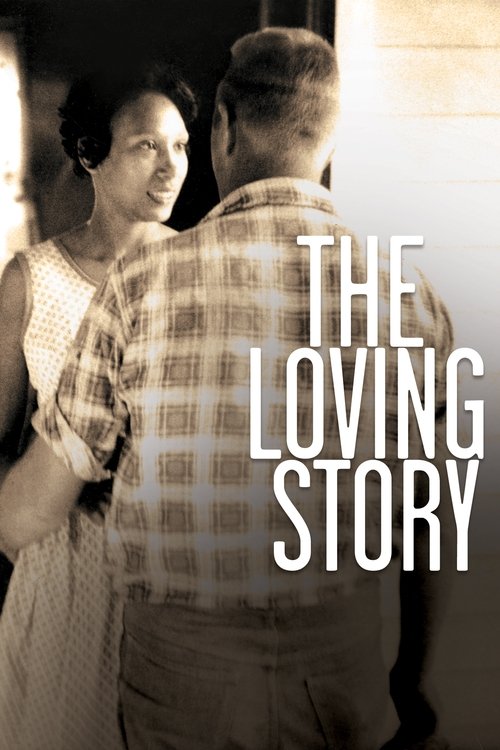
This documentary film tells the dramatic story of Richard and Mildred Loving, an interracial couple living in Virginia in the 1950s, and their landmark Supreme Court Case, Loving v. Virginia, that changed history.
The Loving Story
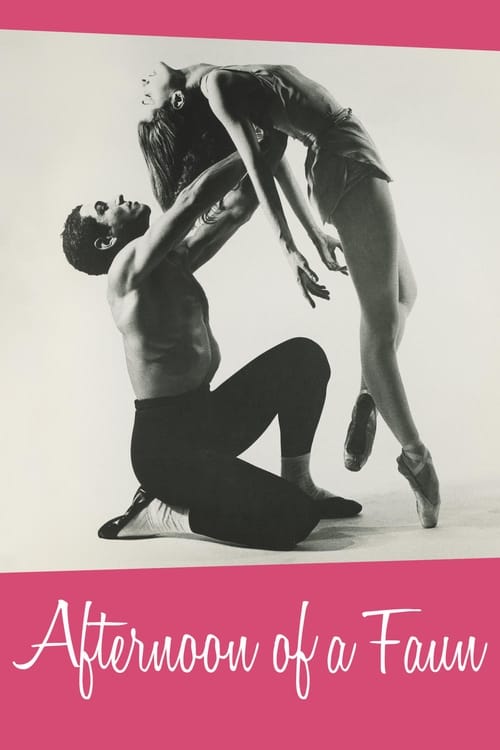
Of all the great ballerinas, Tanaquil Le Clercq may have been the most transcendent. With a body unlike any before hers, she mesmerized viewers and choreographers alike. With her elongated, race-horse physique, she became the new prototype for the great George Balanchine. Because of her extraordinary movement and unique personality on stage, she became a muse to two of the greatest choreographers in dance, George Balanchine and Jerome Robbins. She eventually married Balanchine, and Robbins created his famous version of Afternoon of a Faun for her. She had love, fame, adoration, and was the foremost dancer of her day until it suddenly all stopped. At the age of 27, she was struck down by polio and paralyzed. She never danced again. The ballet world has been haunted by her story ever since.
Afternoon of a Faun: Tanaquil Le Clercq
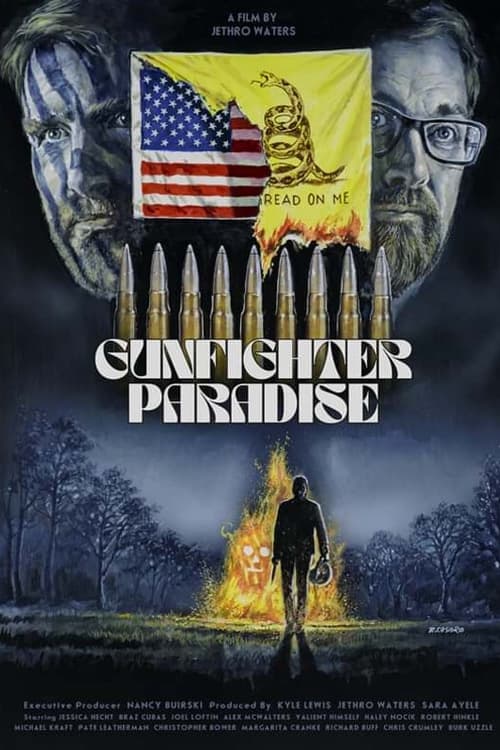
A camouflaged man returns to the rural family home as the fabric of his reality disintegrates. Guided by the voice of God and stocked up with ammunition, he considers his destiny.
Gunfighter Paradise
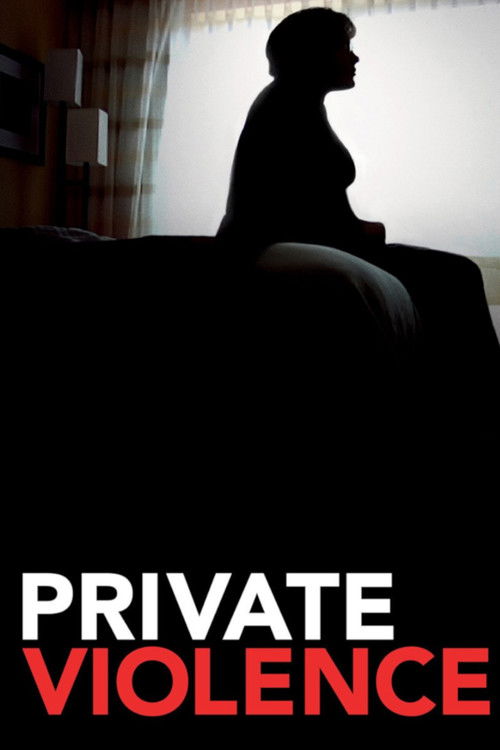
One in four women experience violence in their homes. Have you ever asked, “Why doesn't she just leave?” Private Violence shatters the brutality of our logic and intimately reveals the stories of two women: Deanna Walters, who transforms from victim to survivor, and Kit Gruelle, who advocates for justice.
Private Violence
Twelve filmmakers, six from Turkey and six from the United States, come together to take part in this omnibus film. Some approaches literal, others more poetic, each artist reflects upon their own cultural backgrounds through a single short film.
Time Piece
Over three years, Sweet Dreams tells the story of two Italian-American men. One of them, Gary "Tiger" Balletto is a 27-year-old boxer, who, burdened by the memories of a fellow boxer killed in the ring, attempts to unionize the sport.