Acting
John Beal (born James Alexander Bliedung, August 13, 1909 – April 26, 1997) was an American actor.
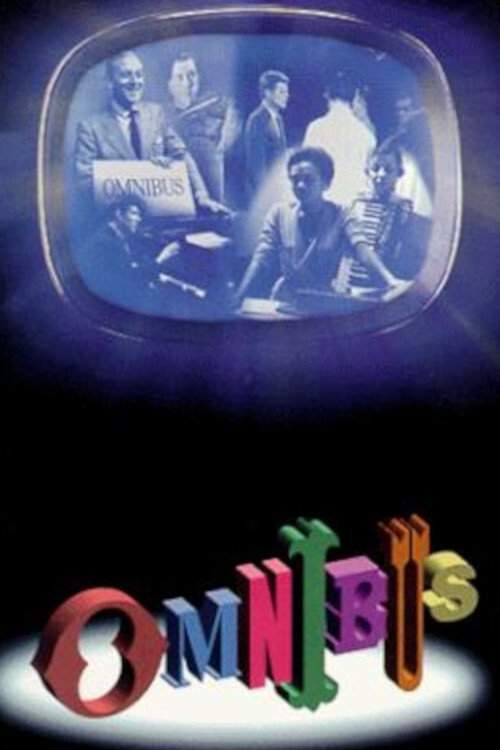
Omnibus is an American, commercially sponsored, educational television series.
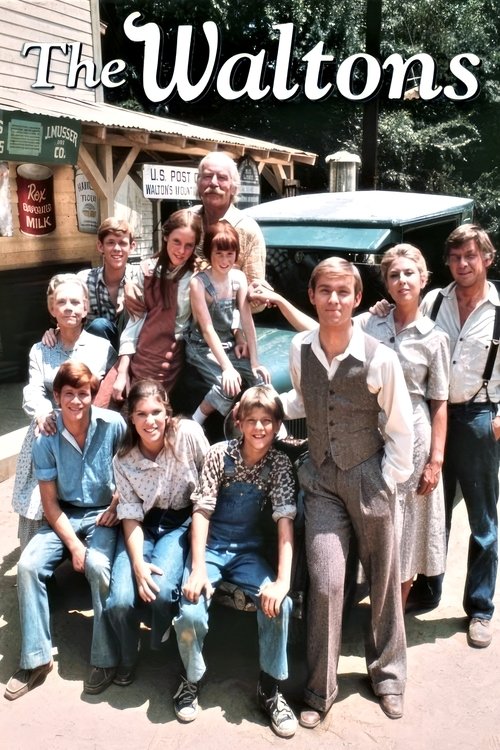
The Waltons live their life in a rural Virginia community during the Great Depression and World War II.
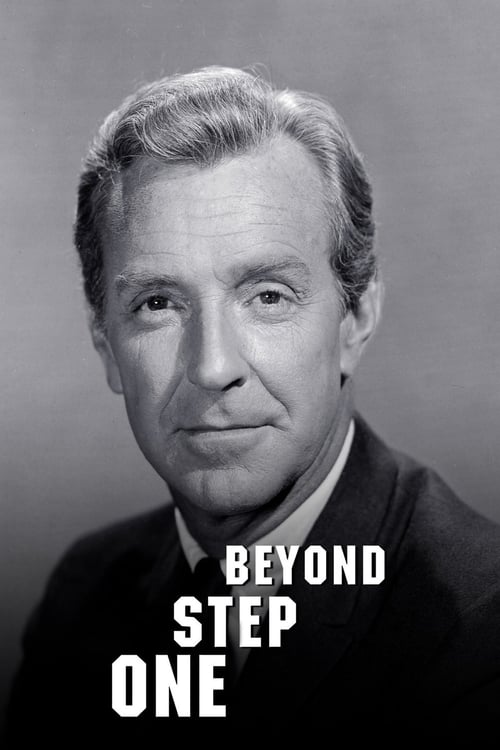
Alcoa Presents: One Step Beyond is an American anthology series created by Merwin Gerard. The original series ran for three seasons on ABC from January 1959 to July 1961.
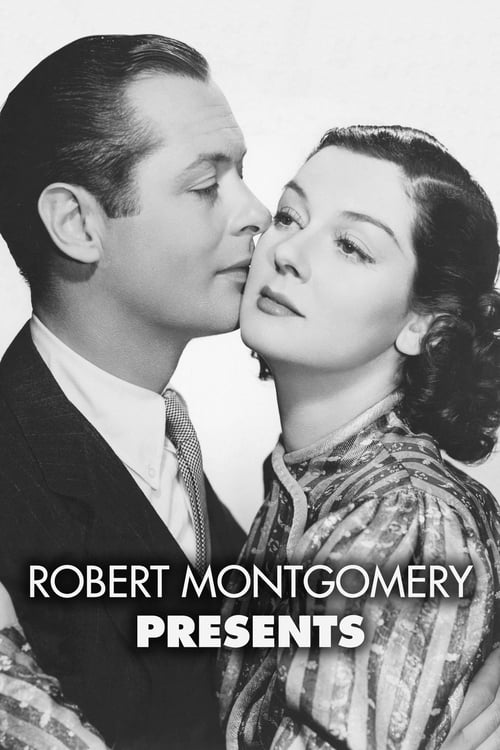
Robert Montgomery Presents is an American dramatic television series which was produced by NBC from January 30, 1950 until June 24, 1957. The live show had several sponsors during its seven-year run, and the title was altered to feature the sponsor, usually Lucky Strike cigarettes, for example, Robert Montgomery Presents Your Lucky Strike Theater, ....The Johnson's Wax Program, and so on.
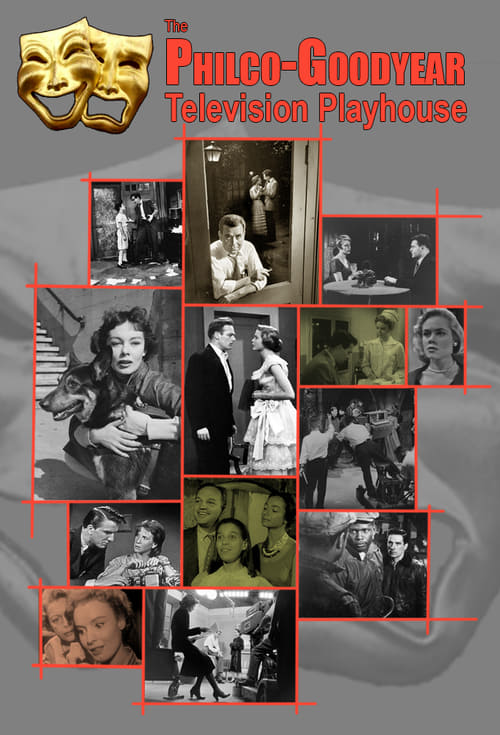
The Philco Television Playhouse is an American anthology series that was broadcast live on NBC from 1948 to 1955. Produced by Fred Coe, the series was sponsored by Philco. It was one of the most respected dramatic shows of the Golden Age of Television, winning a 1954 Peabody Award and receiving eight Emmy nominations between 1951 and 1956.
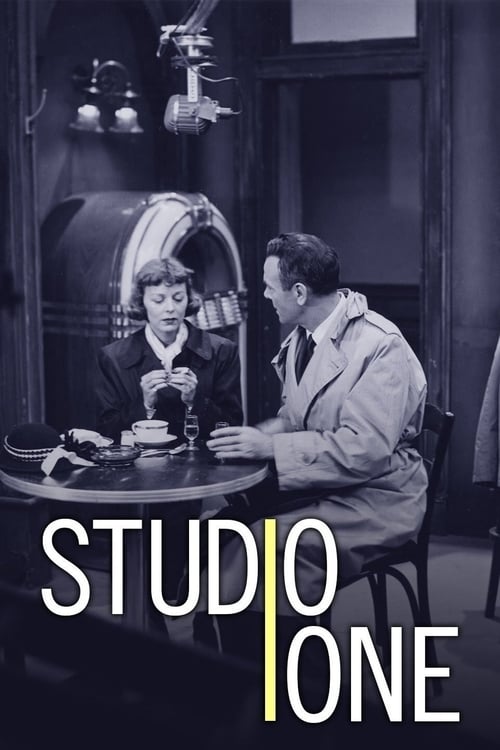
An American radio–television anthology series, created in 1947 by Canadian director Fletcher Markle, who came to CBS from the CBC. Studio One, presented by Westinghouse, was one of the first of the anthology TV programs. The episodes were often abridged remakes of movies from years gone by and many future well-known television and movie actors appeared in the productions.
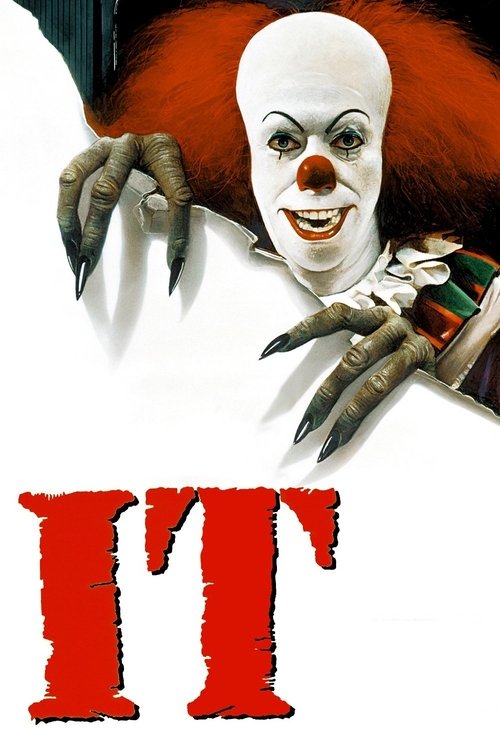
In 1960, seven outcast kids known as "The Losers' Club" fight against an ancient shape-shifting alien who poses as a child-killing clown, while also dealing with bullies and abusive parents. Thirty years later, they reunite to stop the creature once and for all when it returns to their hometown.
An anthology series that explored the ways sudden and unexpected wealth changed life for better or for worse. It told the stories of people who were given one million dollars from a benefactor who insisted they never know him, with one exception.
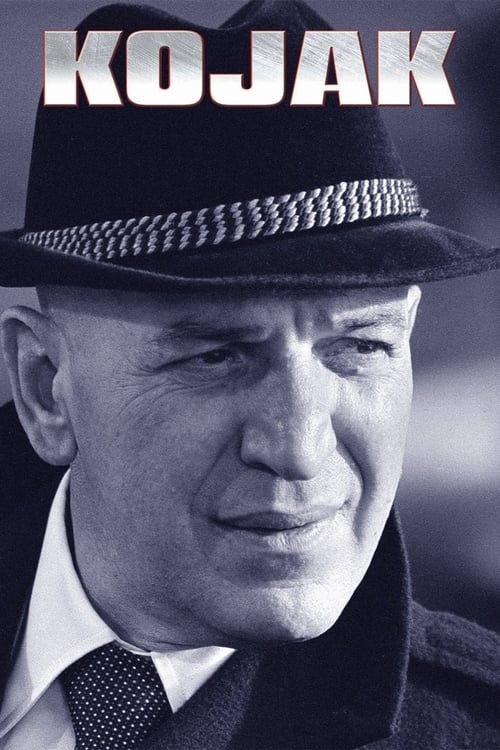
A bald, lollipop sucking police detective with a fiery righteous attitude battles crime in New York City.
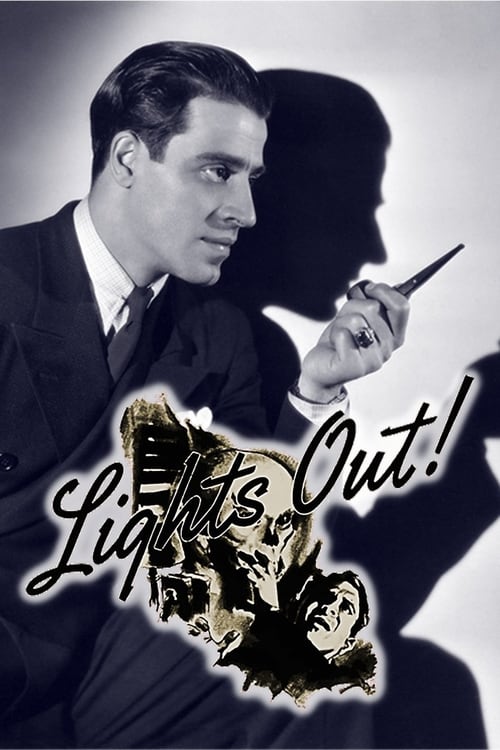
Lights Out was an extremely popular American old-time radio program, an early example of a network series devoted mostly to horror and the supernatural, predating Suspense and Inner Sanctum. Versions of Lights Out aired on different networks, at various times, from January 1934 to the summer of 1947 and the series eventually made the transition to television. In 1946, NBC Television brought Lights Out to TV in a series of four specials, broadcast live and produced by Fred Coe, who also contributed three of the scripts. NBC asked Cooper to write the script for the premiere, "First Person Singular", which is told entirely from the point of view of an unseen murderer who kills his obnoxious wife and winds up being executed. Variety gave this first episode a rave review ("undoubtedly one of the best dramatic shows yet seen on a television screen"), but Lights Out did not become a regular NBC-TV series until 1949.
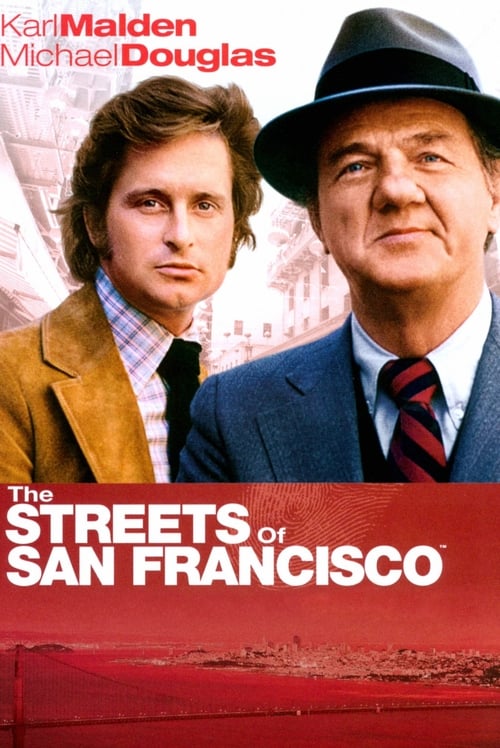
Two police officers, the older Lt. Stone and the young upstart Inspector Keller, investigate murders and other serious crimes in San Francisco. Stone would become a second father to Keller as he learned the rigors and procedures of detective work.
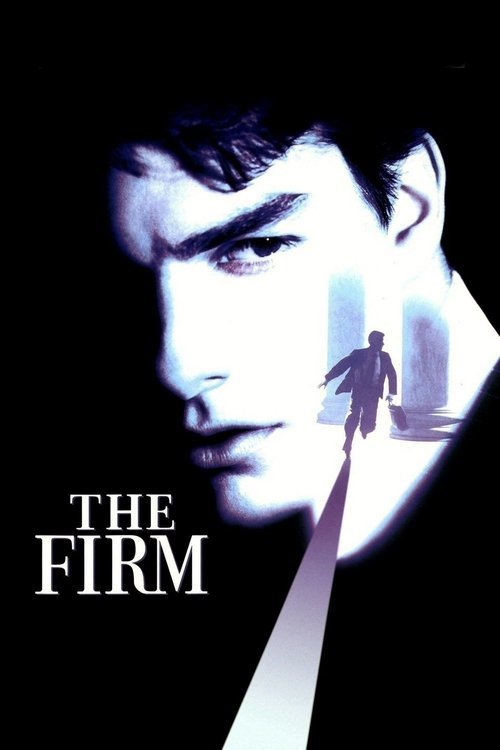
Mitch McDeere is a young man with a promising future in Law. About to sit his Bar exam, he is approached by 'The Firm' and made an offer he doesn't refuse. Seduced by the money and gifts showered on him, he is totally oblivious to the more sinister side of his company. Then, two Associates are murdered. The FBI contact him, asking him for information and suddenly his life is ruined. He has a choice - work with the FBI, or stay with the Firm. Either way he will lose his life as he knows it. Mitch figures the only way out is to follow his own plan...
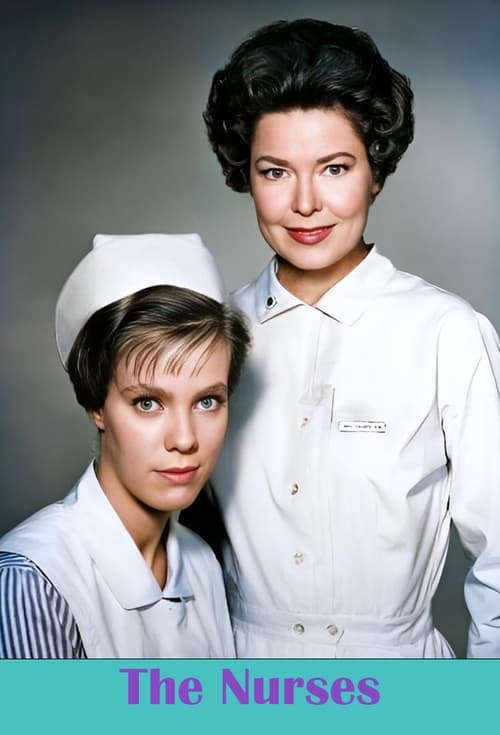
The Nurses is a serialized primetime medical drama which aired on CBS from September 27, 1962 to May 11, 1965. It was originally called The Nurses when it premiered in 1962; for the second season, the title was expanded to The Doctors and the Nurses and it ran until 1965, when it was transformed into a half-hour daytime soap opera. The soap opera, also called The Nurses, ran on ABC from 1965 to 1967.
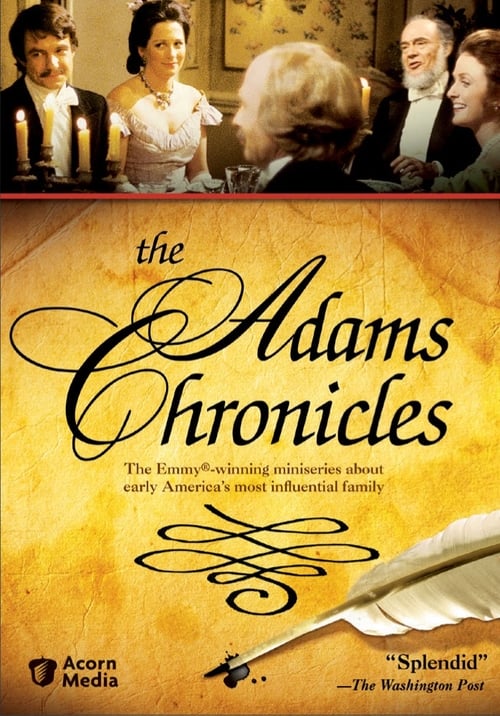
Chronicles the story of the Adams political family over a 150-year span, including John Adams (drafter and signer of the Declaration, accomplished diplomat, and the 2nd President of the U.S.), his wife Abigail Adams, his son John Quincy Adams (acclaimed Secretary of State, the 6th President, and prominent abolitionist Congressman), grandson Charles Francis Adams, Congressman and Ambassador to Great Britain during the Civil War, and much-heralded members of the fourth generation Henry Brooks Adams, the historian and author of the novel Democracy, and Charles Francis Adams II, the industrialist.
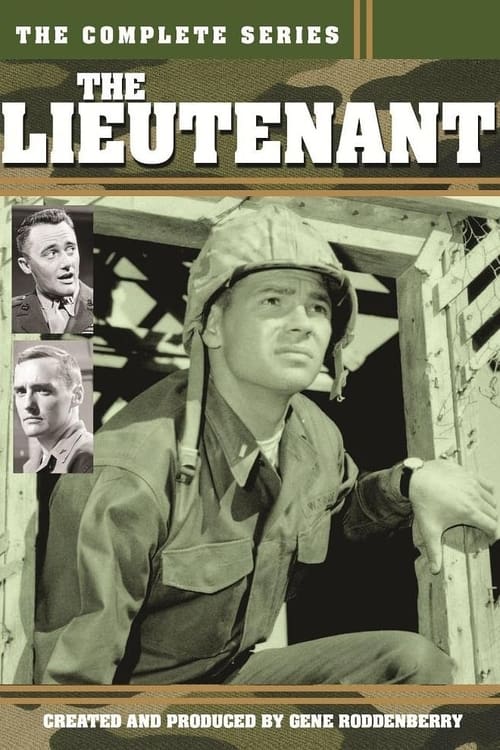
Situated at Camp Pendleton, the West Coast base of the U.S. Marine Corps, The Lieutenant focuses on the men of the Corps in peace time with a Cold War backdrop. The title character is Second Lieutenant William Tiberius Rice, a rifle platoon leader and one of the training instructors at Camp Pendleton. An hour-long drama, The Lieutenant explores the lives of enlisted Marines and general officers alike.
No description available.
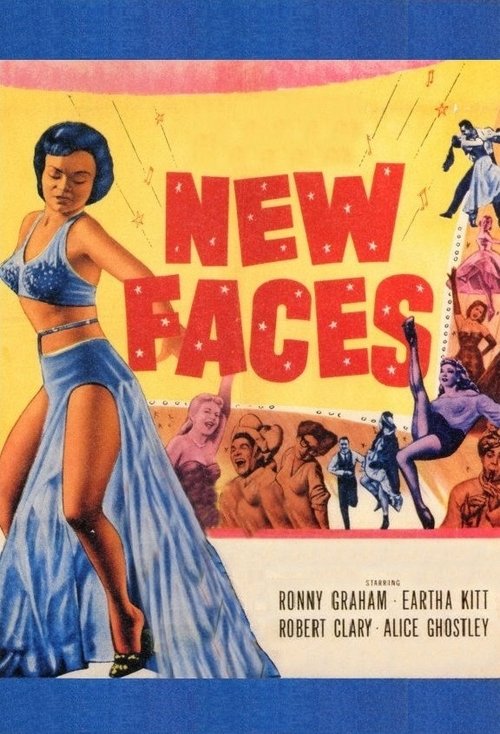
New Faces was a musical revue with songs and comedy skits tied together by a quirky plot. It ran on Broadway for nearly a year in 1952 and was then made into a motion picture in 1954. It helped jump start the careers of several young performers including Paul Lynde, Alice Ghostley, Eartha Kitt, Carol Lawrence, performer/writer Mel Brooks (as Melvin Brooks), and lyricist Sheldon Harnick. The film was basically a reproduction of the stage revue with a thin plot added. The plot involved a producer and performer (Ronny Graham) in financial trouble and is trying to stave off an angry creditor long enough to open his show. A wealthy Texan offers to help out, on the condition that his daughter be in the show.
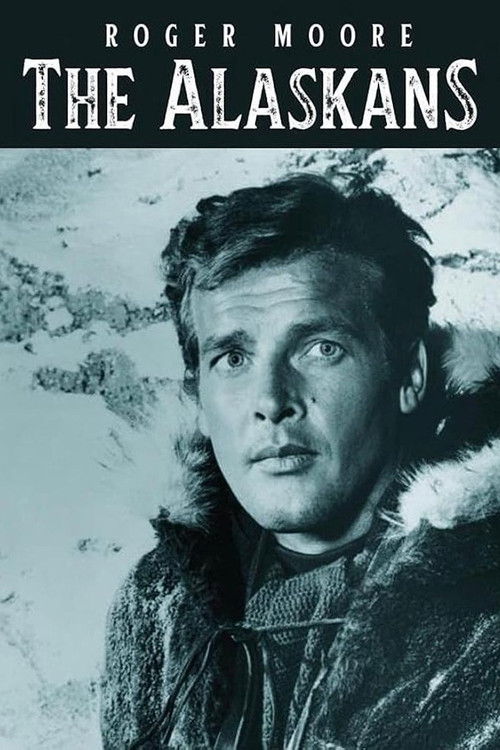
The Alaskans is a 1959-1960 ABC/Warner Brothers western television series set during the late 1890s in the port of Skagway, Alaska. The show features Roger Moore as "Silky Harris" and Jeff York as "Reno McKee", a pair of adventurers intent on swindling travelers bound for the Yukon Territories during the height of the Klondike Gold Rush. Their plans are inevitably complicated by the presence of singer "Rocky Shaw", "an entertainer with a taste for the finer things in life". The show was the first regular work on American television for the British actor Roger Moore.
Another World is an American television soap opera that ran on NBC for 35 years from May 4, 1964 to June 25, 1999. Set in the fictional town of Bay City, the show in its early years opens with announcer Bill Wolff intoning its epigram, “We do not live in this world alone, but in a thousand other worlds,” which Phillips said represented the difference between “the world of events we live in, and the world of feelings and dreams that we strive for.” Another World focused less on the conventional drama of domestic life as seen in other soap operas, and more on exotic melodrama between families of different classes and philosophies.