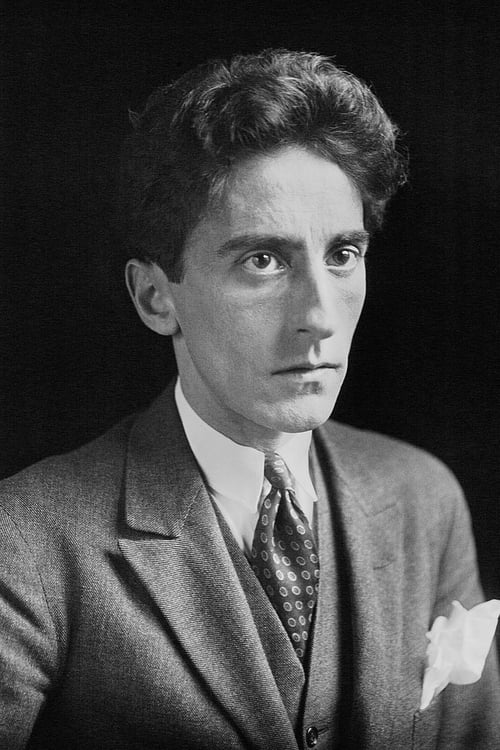
Jean Cocteau
Directing
Biography
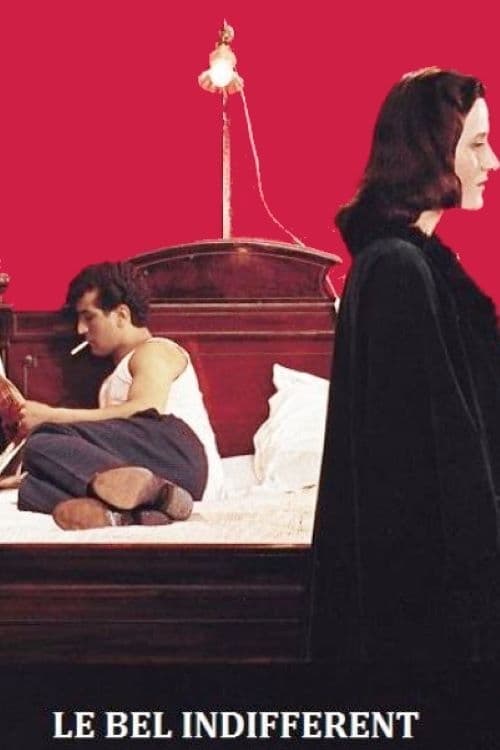
Jean Maurice Eugène Clément Cocteau (French pronunciation: [ʒɑ̃ kɔkto]; 5 July 1889 – 11 October 1963) was a French poet, novelist, dramatist, designer, boxing manager, playwright, artist and filmmaker. Along with other avant-garde artists of his generation (Jean Anouilh and René Char for example) Cocteau grappled with the algebra of verbal codes old and new, mise en scène language and technologies of modernism to create a paradox: a classical avant-garde.[citation needed] His circle of associates, friends and lovers included Kenneth Anger, Pablo Picasso, Jean Hugo, Jean Marais, Henri Bernstein, Marlene Dietrich, Coco Chanel, Erik Satie, María Félix, Édith Piaf (whom he cast in one of his one-act plays entitled Le Bel Indifferent in 1940), and Raymond Radiguet. His work was played out in the theatrical world of the Grands Theatres, the Boulevards and beyond during the Parisian epoque he both lived through and helped define and create. His versatile, unconventional approach and enormous output brought him international acclaim. Description above from the Wikipedia article Jean Cocteau, licensed under CC-BY-SA, full list of contributors on Wikipedia.
Known For

No description available.
Discorama

No description available.
Cinépanorama

No description available.
Reflets de Cannes

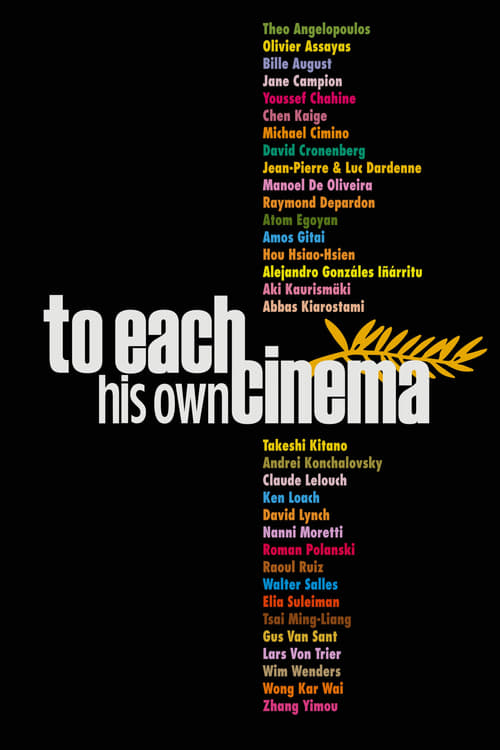
Commissioned to mark the 60th anniversary of the Cannes Film Festival, "To Each His Own Cinema" brought together 33 of the world's pre-eminent filmmakers to produce short pieces exploring the multifarious facets of cinema and their perspective on the state of their chosen artform in the early 21st century.
To Each His Own Cinema
Produced for television by Claude-Jean Philippe, the « Encyclopédie audiovisuelle du cinéma », recounts the history of French cinema from its birth to the beginning of the 1960s. With commentary read by Jean Rochefort.
Encyclopédie audiovisuelle du cinéma

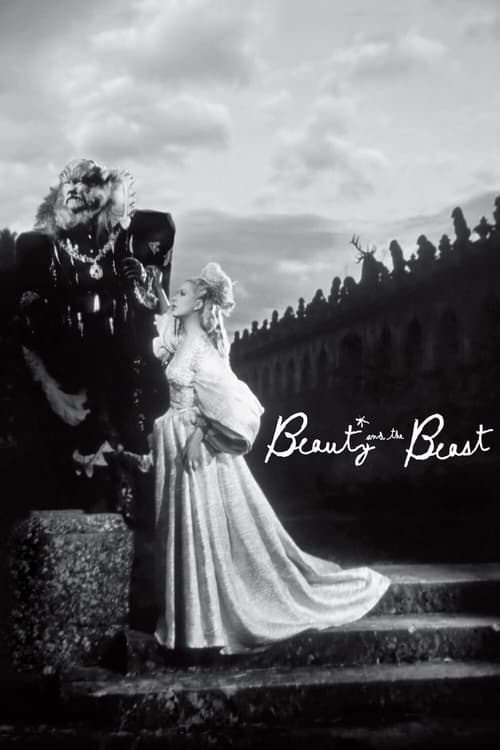
The story of a gentle-hearted beast in love with a simple and beautiful girl. She is drawn to the repellent but strangely fascinating Beast, who tests her fidelity by giving her a key, telling her that if she doesn't return it to him by a specific time, he will die of grief. She is unable to return the key on time, but it is revealed that the Beast is the genuinely handsome one. A simple tale of tragic love that turns into a surreal vision of death, desire, and beauty.
Beauty and the Beast

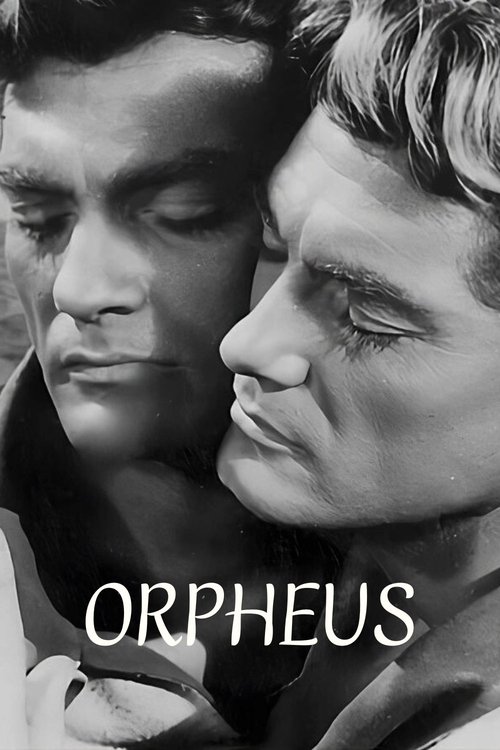
A famous poet in postwar Paris, scorned by the Left Bank youth, is in love with both his wife Eurydice and a mysterious princess. Seeking inspiration, the poet becomes obsessed and follows the princess from the world of the living to the land of the dead.
Orpheus

A six-part British television travel series written, directed, and presented by Orson Welles for ITV in 1955. Filmed entirely in Europe, the series follows Welles through Vienna, the Basque Country, Madrid, Paris’s Saint-Germain-des-Prés, and London’s Chelsea Pensioners, blending travelogue, cultural portraiture, and personal essay. Moving between documentary observation and reflective commentary, the episodes combine interviews, local history, and Welles’s distinctive narration into a series that functions as both travel film and cinematic essay.
Around the World with Orson Welles

In Le Livre d’Image, Jean-Luc Godard recycles existing images (films, documentaries, paintings, television archives, etc.), quotes excerpts from books, uses fragments of music. The driving force is poetic rhyme, the association or opposition of ideas, the aesthetic spark through editing, the keystone. The author performs the work of a sculptor. The hand, for this, is essential. He praises it at the start. “There are the five fingers. The five senses. The five parts of the world (…). The true condition of man is to think with his hands. Jean-Luc Godard composes a dazzling syncopation of sequences, the surge of which evokes the violence of the flows of our contemporary screens, taken to a level of incandescence rarely achieved. Crowned at Cannes, the last Godard is a shock film, with twilight beauty.
The Image Book

L'Amore ('Love') is a 1948 Italian drama anthology film that consists of two parts, The Human Voice (Una voce umana), based on Jean Cocteau's 1929 play of the same title, and The Miracle (Il miracolo), based on Ramón del Valle-Inclán's 1904 novel Flor de santidad.
L'Amore

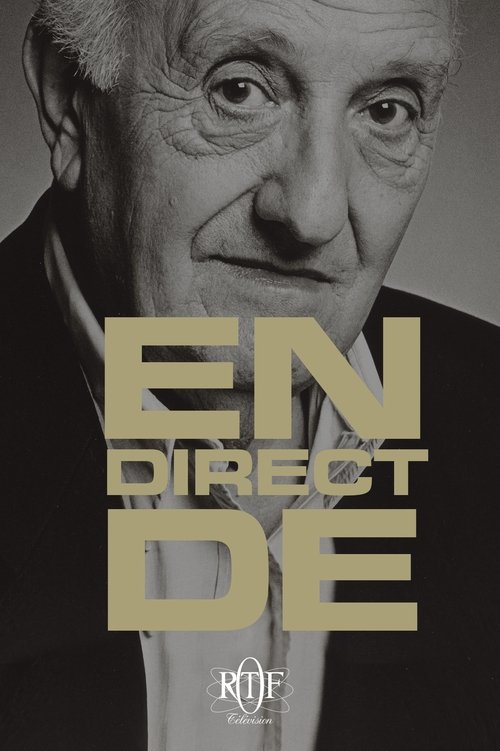
No description available.
En direct de...

An 18th century poet travels through time in search of divine wisdom. In a mysterious wasteland, he has a series of enigmatic encounters with symbolic phantoms with whom he muses about the nature of art and his own career. Ultimately, the poet strives to achieve his rebirth as a celestial being.
Testament of Orpheus

A woman watches time pass beside the suitcases of her ex-lover (who is supposed to come pick them up but never arrives) and a restless dog who doesn't understand that his master has abandoned him.
The Human Voice

"Fly too high and you will burn, go too low and you won't breathe." A 7 day vlog during the summer of 2023, a story of dreamers and drowners.
Daedalus

In a poet’s room, an armless statue abruptly comes to life. It invites the poet to step through a mirror and to discover another world. Strange places and characters present themselves to him. The poet tears himself away from these twisted fascinations and returns, with some difficulty, to his room.
The Blood of a Poet

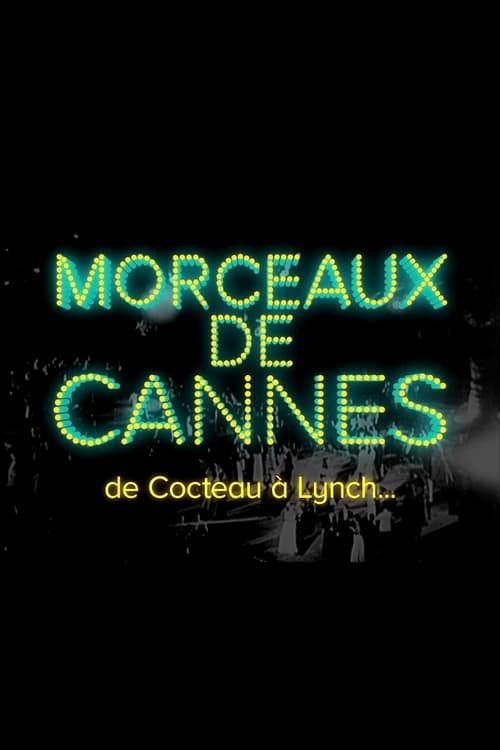
We thought we'd seen, read, and heard everything there was to see about the Cannes Film Festival, from the glitz and gossip to the scandals and censorship. And yet, Emmanuel Barnault's "Morceaux de Cannes" (Pieces of Cannes), by this leading expert on Italian and French cinema, convinces us otherwise. The third largest event in the world (after the Olympic Games and the FIFA World Cup) reveals its secrets only sparingly, as this film attests. The result of passionate research in the INA archives, these 52 minutes, without interviews or voice-over narration, string together rare and sometimes previously unseen footage. Taken together, they tell a surprising, original, and heartwarming story of the Festival. On the beach, on a street corner, in a restaurant, or in the privacy of a hotel room, these forgotten archives summon the greatest filmmakers, actors, and actresses of the last seventy years, from Jean Cocteau to David Lynch, for an anthology of the Festival's history.
Morceaux de Cannes

Elisabeth and her brother Paul live isolated from much of the world after Paul is injured in a snowball fight. As a coping mechanism, the two conjure up a hermetic dream of their own making. Their relationship, however, isn't exactly wholesome. Jealousy and a malevolent undercurrent intrude on their fantasy when Elisabeth invites the strange Agathe to stay with them -- and Paul is immediately attracted to her.
The Strange Ones

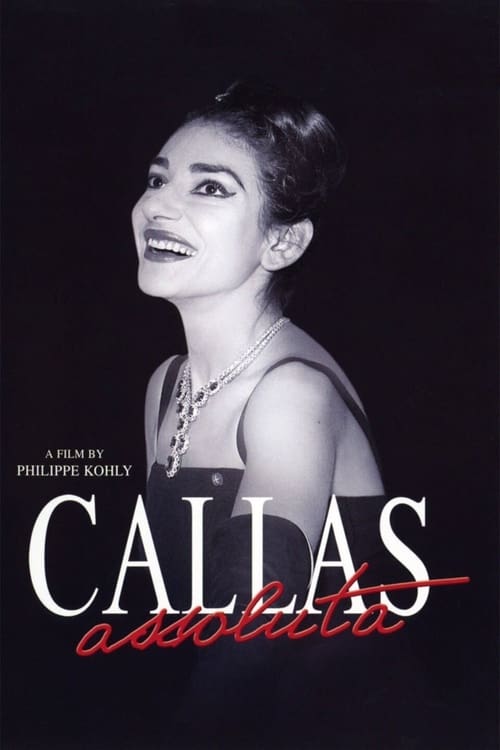
This revealing documentary from director Philippe Kohly examines the storied life of renowned soprano Maria Callas, from her troubled childhood in New York City to her scandal-laden but triumphant international career in opera. Featuring archival interviews with Callas herself and footage of contemporaries such as her lover Aristotle Onassis, this celebration of "La Divina" pays tribute to her enduring legacy some three decades after her death.
Callas Assoluta

When a young teen marries the Prince of Cleves, more than twice her age, she automatically becomes an official Princess and takes her new position to heart. Although distracted by the elite entertainments found at court, the princess cannot help but mourn her impossible love for the dashing Duc de Nemours.
Princess of Cleves
No description available.