Writing
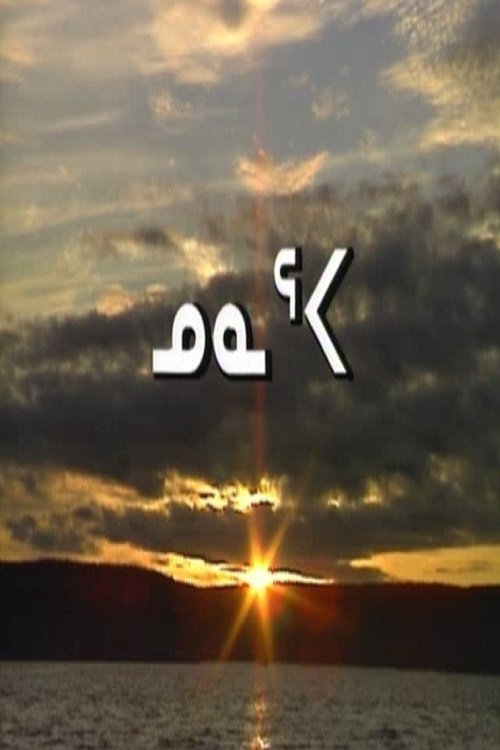
For the Igloolik Inuit, summer is the time of Nunaqpa, 'going inland,' that is, hunting for caribou to get sufficient meat provisions for the cold winter ahead. During a summer in the 1930s, two Igloolik families go hunting, while an old couple awaits their return.
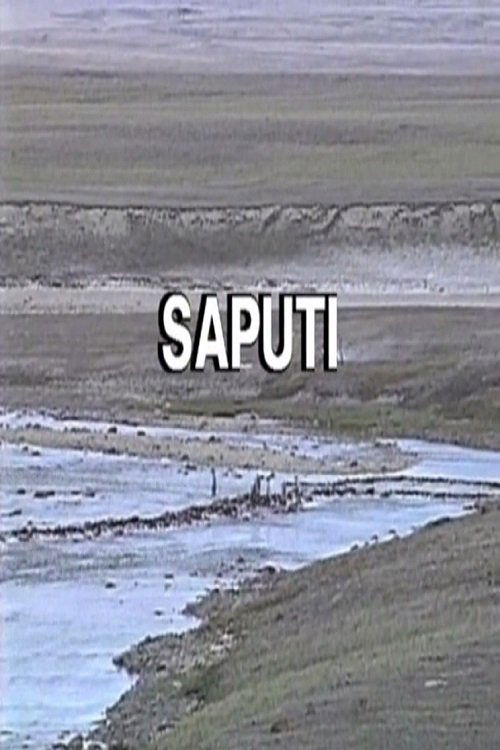
As summer ends near Igloolik in the 1930's, three families build a saputi to trap fish going upriver for the winter. The days are getting shorter and young people daydream, while waiting for fish to come. But nature is not always predictable.... [Third Isuma recreated fiction, 1993.]
Based on a local legend and set in an unknown era, it deals with universal themes of love, possessiveness, family, jealousy and power. Beautifully shot, and acted by Inuit people, it portrays a time when people fought duels by taking turns to punch each other until one was unconscious, made love on the way to the caribou hunt, ate walrus meat and lit their igloos with seal-oil lamps.
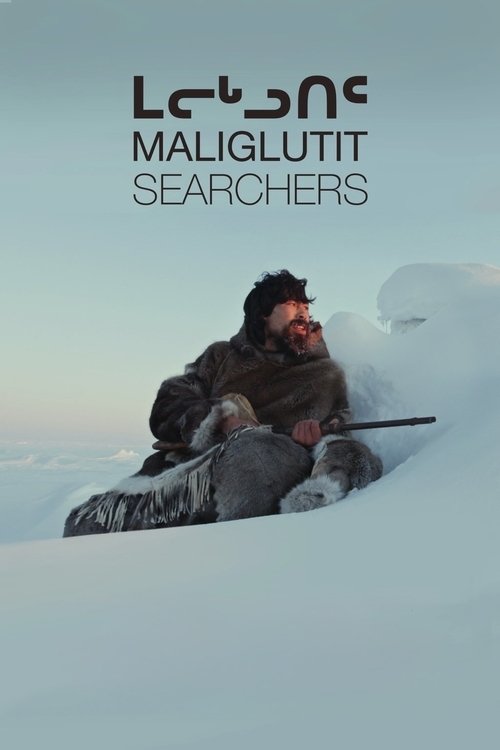
Inuk filmmaker Zacharias Kunuk (Atanarjuat: The Fast Runner) returns with this Arctic epic inspired by the classic John Ford western of the same name, about a vengeful husband who sets off in pursuit of the violent men who kidnapped his wife and destroyed his home.
Two isolated families meet for a summertime celebration. Food is abundant and the future seems bright, but Ningiuq, a wise old woman, sees her world as fragile and moves through it with a pervasive sense of dread. Ningiuq and her grandson Maniq are dropped off on a remote island, where, every year, the family dries the catch and stores it for winter. The task is soon finished. As summer turns to fall, they wait in vain for the others to pick them up.
This short entry in Ted Husing's "Sport Slants" series covers fencing, track and field, and rowing. Vitaphone Release 1264.
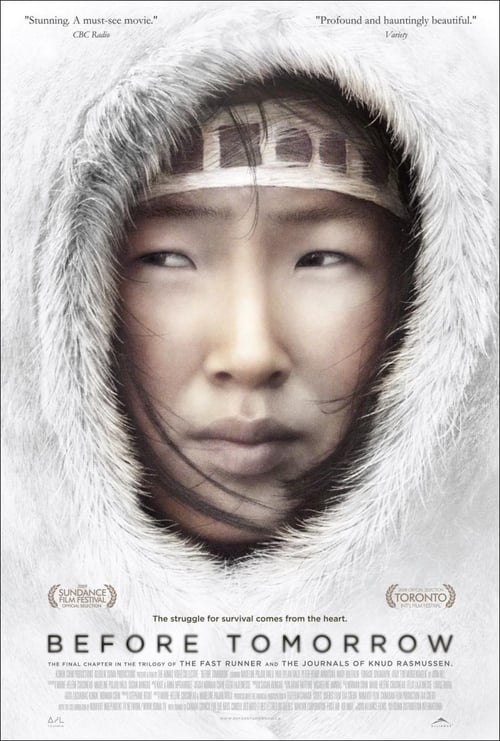
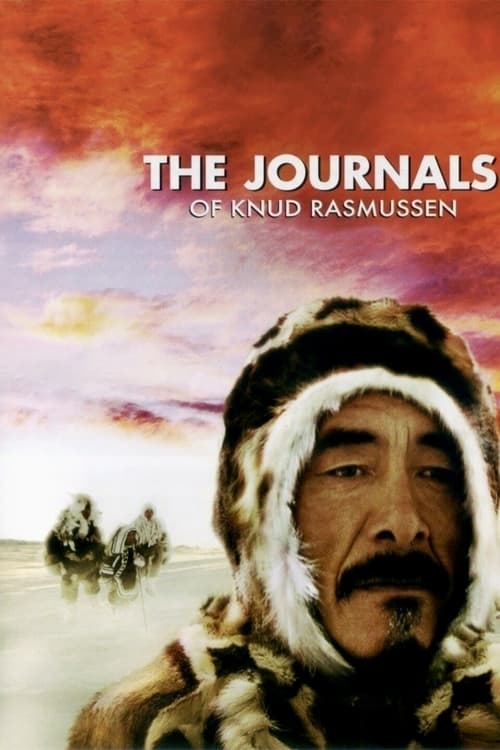
Based on the journal of Knud Rasmussen's "Great Sled Journey" of 1922 across arctic Canada. The film is shot from the perspective of the Inuit, showing their traditional beliefs and lifestyle. It tells the story of the last great Inuit shaman and his beautiful and headstrong daughter; the shaman must decide whether to accept the Christian religion that is converting the Inuit across Greenland.
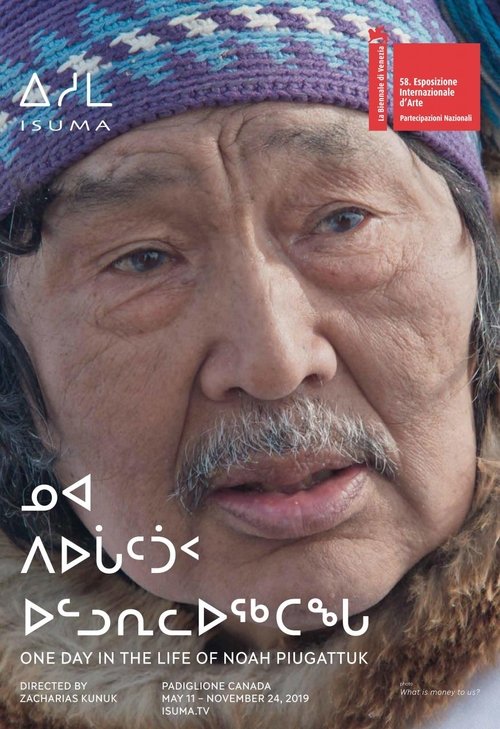
1961. In Kapuivik, an Inuit man named Noah Piugattuk and his compatriots are visited by a white man who says they have to move to a reservation.
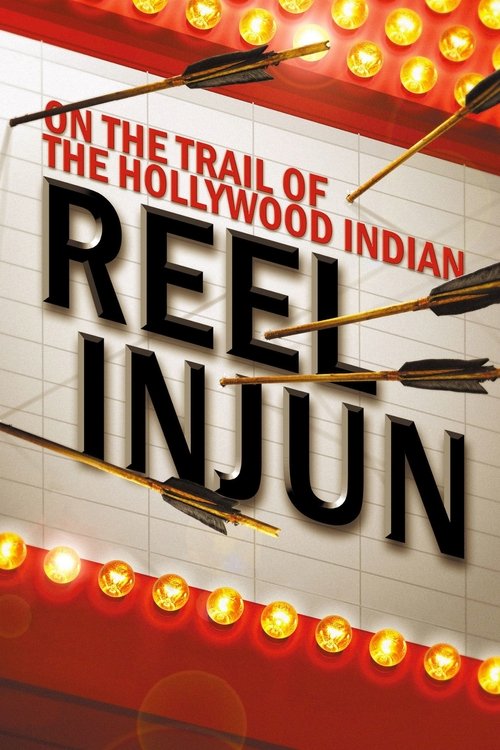
The evolution of the depiction of the various Native American peoples in cinema, from the silent era to the present day: how their image on the screen has changed the way to understand their history and culture.
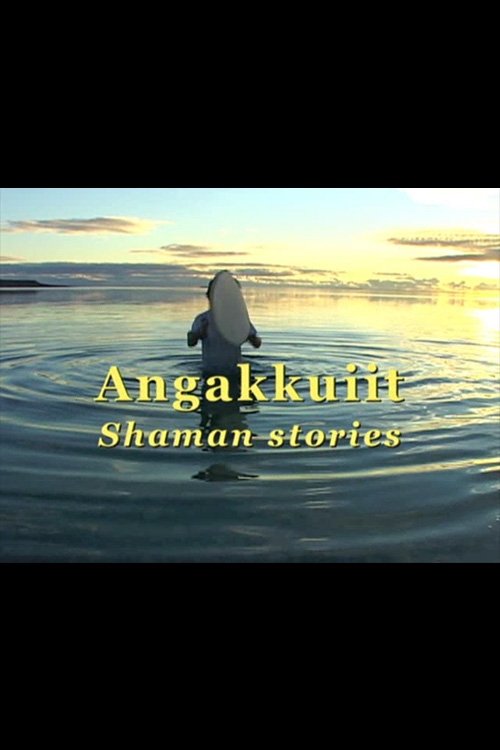
Inuit memories and experiences of shamanism, and oral histories about the last shamans practicing in the region of Igloolik, Nunavut. Interviewees range from young people to elders and politicians, but they all share a belief that things happen, and that shamanism is still a living religion.
Inuaraq's family finally arrives at Avaja to a warm welcome. Yet, many changes have taken place. On the hill above the tents, they now find a wooden church and a priest. Sharing the fresh caribou feast, telling stories, Inuit are interrupted by the bell ringing. Inside the church the sermon is clear: Paul 4:22, 'Turn away from your old way of life.'
Igloolik, Fall 1945. Akkitiq wakes up to a nice day for seal hunting. The stone house is warm and comfortable. Men pack up the dog team and look for seals on the fresh ice,while women work at home. Sometimes, the squabbling of children leads to trouble among families.
An 11-year-old is taught by his grandfather to capture his first polar bear.
In June 2003, Cannes prize-winner Zacharias Kunuk's family gathered at their traditional home camp site of Siuraajuk, to share stories and honor the ancestors who came before them: a wedding; a burial; messages from the past.
In my end is my beginning: Part One, Joseph Verge, by Norman Cohn with Gillian Robinson. Springdale, Newfoundland. One day in the life of Mr. Verge, age seventy-nine, reflecting on life and love.
Igloolik, Fall 1945. Grandmother remembers the old way. In autumn 1945, five families build a stone house to prepare for the coming winter.
Igloolik, Fall 1945. Even here, news of the terrible world war raging outside makes people frightened and uneasy. They talk of the danger of the unknown future, of shamanistic intervention to protect their culture.
In Qimuksik (Dog Team) one family travels in the immense and beautiful arctic during spring. Inuaraq teaches his young son how to survive in the old way: driving the dogs, building the igloo, catching seals on the open water, running down caribou to feed the family.
Mr. Perry and his wife Agnes live on a small farm in rural Prince Edward Island. Four grown children and one grandchild still live at home. Among other occupations Mr. Perry cuts wood for sale to neighbours. This portrait observes him around home in the early morning, cutting and hauling from the woods with his mare Nellie, a side trip for herring to North Rustico Harbour, and back home in the late afternoon.
Examines the lives of deaf and blind children in a special wing of an institution in Amhearst, Nova Scotia. Shot during a month in residence at the school and edited over two years, the tape carefully observes and records the relationship these children have with each other, with their wards and with the artist himself. A thoughtful evocative study, with no voice-over commentary or "explanation."