Zacharias Kunuk
Directing
Biography
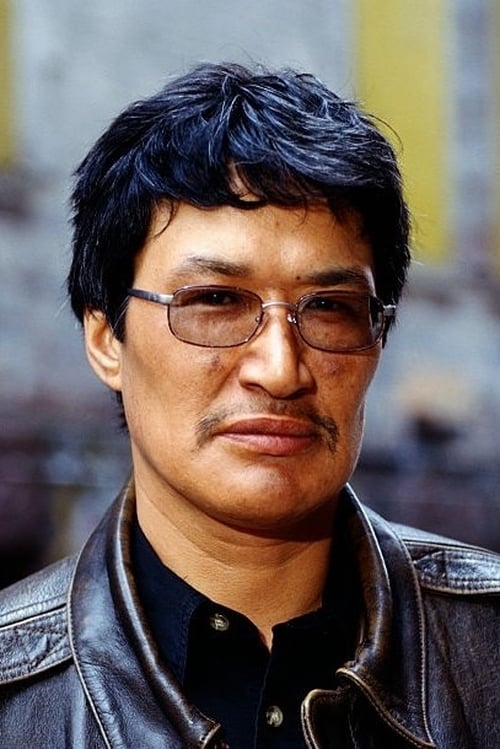
Zacharias Kunuk is a Canadian Inuk film writer, director and producer, best known for writing and directing the feature film _Atanarjuat: The Fast Runner_, the first indigenous film with all indigenous cast and entirely in Inuktitut.
Known For

Based on a local legend and set in an unknown era, it deals with universal themes of love, possessiveness, family, jealousy and power. Beautifully shot, and acted by Inuit people, it portrays a time when people fought duels by taking turns to punch each other until one was unconscious, made love on the way to the caribou hunt, ate walrus meat and lit their igloos with seal-oil lamps.
Atanarjuat: The Fast Runner

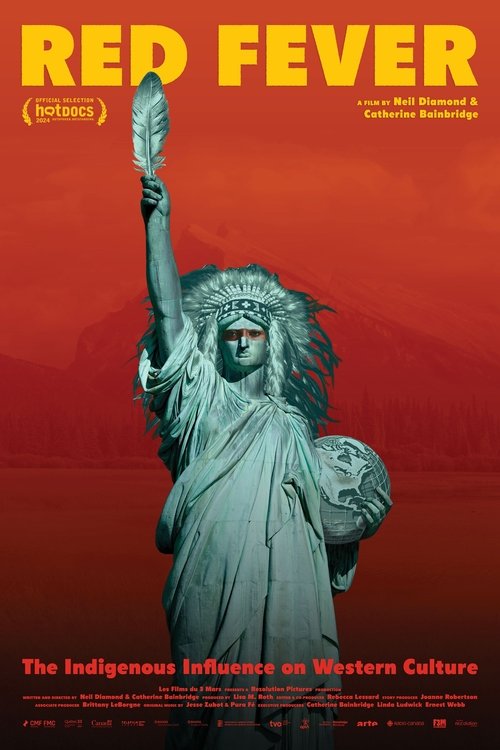
Red Fever is a witty and entertaining feature documentary about the profound -- yet hidden -- Indigenous influence on Western culture and identity. The film follows Cree co-director Neil Diamond as he asks, “Why do they love us so much?!” and sets out on a journey to find out why the world is so fascinated with the stereotypical imagery of Native people that is all over pop culture. Why have Indigenous cultures been revered, romanticized, and appropriated for so long, and to this day? Red Fever uncovers the surprising truths behind the imagery -- so buried in history that even most Native people don't know about them.
Red Fever

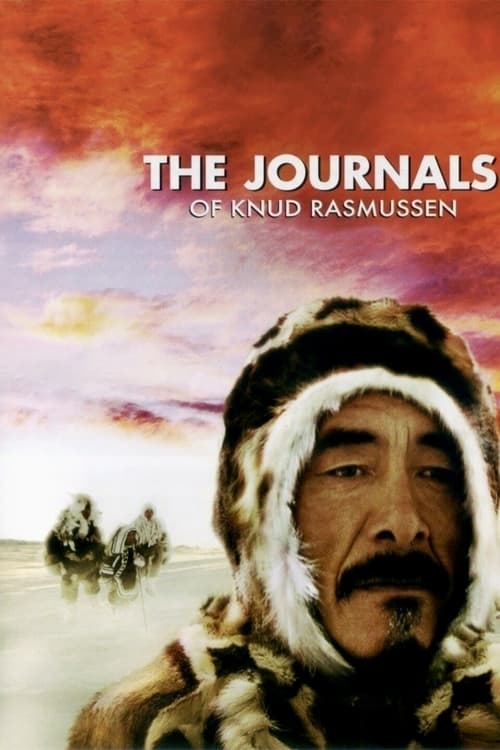
Based on the journal of Knud Rasmussen's "Great Sled Journey" of 1922 across arctic Canada. The film is shot from the perspective of the Inuit, showing their traditional beliefs and lifestyle. It tells the story of the last great Inuit shaman and his beautiful and headstrong daughter; the shaman must decide whether to accept the Christian religion that is converting the Inuit across Greenland.
The Journals of Knud Rasmussen

The evolution of the depiction of the various Native American peoples in cinema, from the silent era to the present day: how their image on the screen has changed the way to understand their history and culture.
Reel Injun

A young shaman must face her first test: a trip underground to visit Kannaaluk, The One Below, who holds the answers to why a community member has become ill.
The Shaman's Apprentice

In an increasingly urban nation, Canada’s national parks are a treasured escape into extraordinary beauty and rugged wilderness. If the Group of Seven were an introduction to the landscape’s majesty, National Parks Project is the next logical chapter. Fifty-two contemporary artists from across the country, whose talents are as diverse as the parks they set out to explore, used their surroundings as a source of inspiration to blend musical and cinematic skills into collaboratively crafted vignettes. Epic in its ambition to celebrate these locales during Parks Canada’s centennial year, this omnibus film resonates with the knowledge that our unprotected land is more vulnerable than ever. Including films by Zacharius Kunuk, Peter Lynch, Sturla Gunnarsson and John Walker, and music by Sarah Harmer, Sam Roberts, Cadence Weapon and The Besnard Lakes, among many others, National Parks Project is a one-of-a-kind documentary experience.
The National Parks Project

1961. In Kapuivik, an Inuit man named Noah Piugattuk and his compatriots are visited by a white man who says they have to move to a reservation.
One Day in the Life of Noah Piugattuk

Island of Haida Gwaii, northern Canada, 19th century. During a fishing gathering, Adiits'ii commits an unfortunate act. Tormented, he runs away to the wilderness as his mind embraces madness.
Edge of the Knife

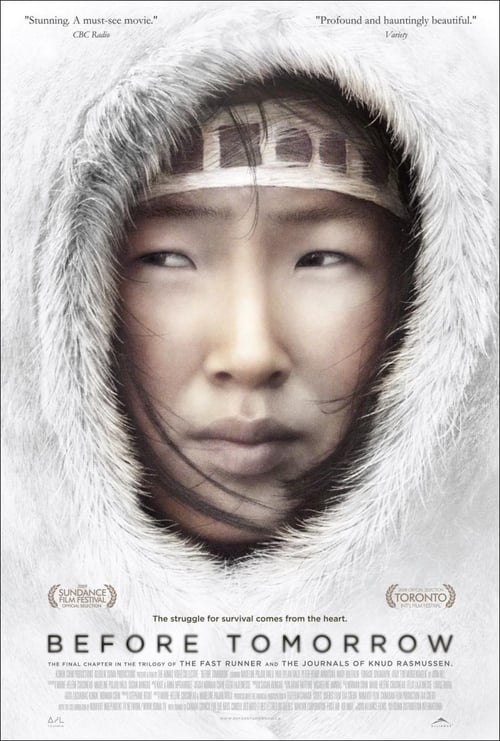
Two isolated families meet for a summertime celebration. Food is abundant and the future seems bright, but Ningiuq, a wise old woman, sees her world as fragile and moves through it with a pervasive sense of dread. Ningiuq and her grandson Maniq are dropped off on a remote island, where, every year, the family dries the catch and stores it for winter. The task is soon finished. As summer turns to fall, they wait in vain for the others to pick them up.
Before Tomorrow

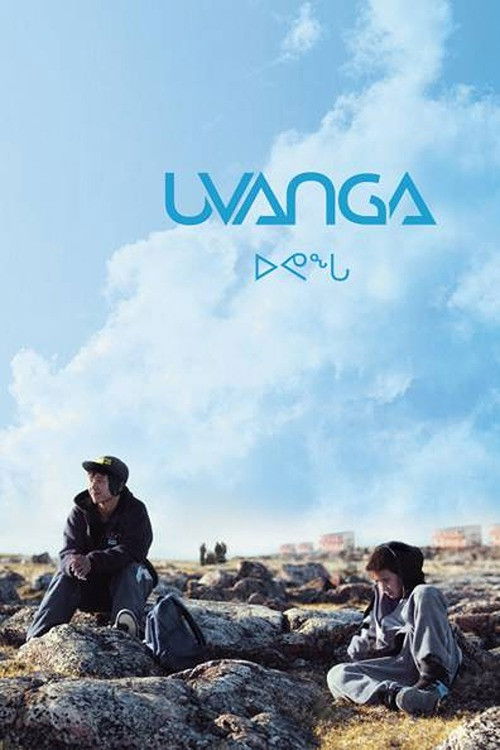
Anna is nervous when she and her son, Tomas, arrive in the small, close-knit community of Igloolik, in the Canadian Arctic.
Uvanga

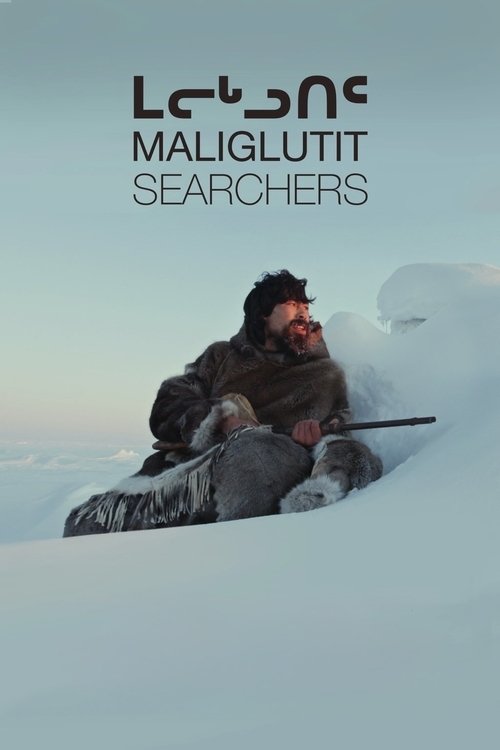
Inuk filmmaker Zacharias Kunuk (Atanarjuat: The Fast Runner) returns with this Arctic epic inspired by the classic John Ford western of the same name, about a vengeful husband who sets off in pursuit of the violent men who kidnapped his wife and destroyed his home.
Searchers

After a mysterious death, Kaujak and Sapa are separated despite being promised to each other at birth. With the help of spirit guides, efforts are made to restore harmony in this Arctic fairy tale set in an Inuit community.
Wrong Husband
Through interviews with Inuit across Nunavut, and documentation of a three-year community hearing process during the COVID pandemic, award-winning filmmaker Zacharias Kunuk explores what meaningful consultation in the 21st century means within the context of a large-scale mining expansion on Baffin Island.
They Have to Hear Us: Canada’s Duty to Consult Inuit

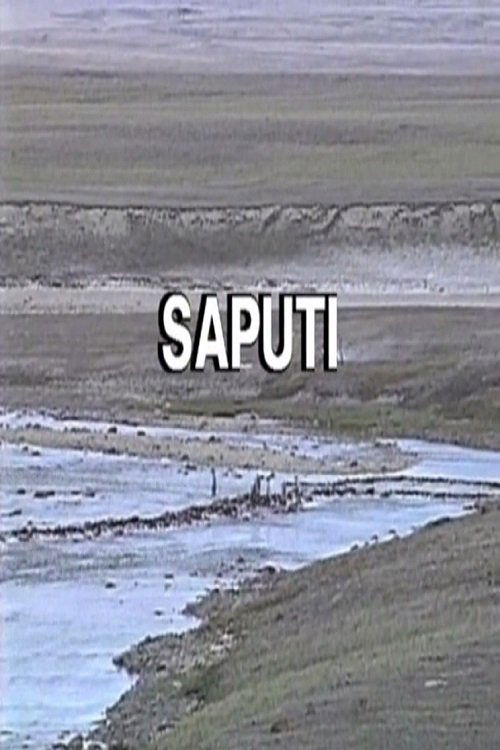
As summer ends near Igloolik in the 1930's, three families build a saputi to trap fish going upriver for the winter. The days are getting shorter and young people daydream, while waiting for fish to come. But nature is not always predictable.... [Third Isuma recreated fiction, 1993.]
Fish Traps

Director Zacharias Kunuk (Atanarjuat The Fast Runner) and researcher and filmmaker Dr. Ian Mauro (Seeds of Change) have teamed up with Inuit communities to document their knowledge and experience regarding climate change. This documentary, the world's first Inuktitut language film on the topic, takes the viewer "on the land" with elders and hunters to explore the social and ecological impacts of a warming Arctic. This unforgettable film helps us to appreciate Inuit culture and expertise regarding environmental change and indigenous ways of adapting to it.
Qapirangajuq: Inuit Knowledge and Climate Change
In Qimuksik (Dog Team) one family travels in the immense and beautiful arctic during spring. Inuaraq teaches his young son how to survive in the old way: driving the dogs, building the igloo, catching seals on the open water, running down caribou to feed the family.
Qimuksik (Dog Team)
Filmmakers Zacharias Kunuk and Neil Diamond join forces on a journey to the remote site where their ancestors once clashed to celebrate 200 years of peace. Elders recount dramatic stories of battles, heroes and peacemaking from two different cultural perspectives. Coupled with incredible footage and a fantastic soundtrack, the film depicts the modern complexities of two communities living together in Canada's Far North and an age-old conflict between the Cree and Inuit that lasted more than a century.
Inuit Cree Reconciliation

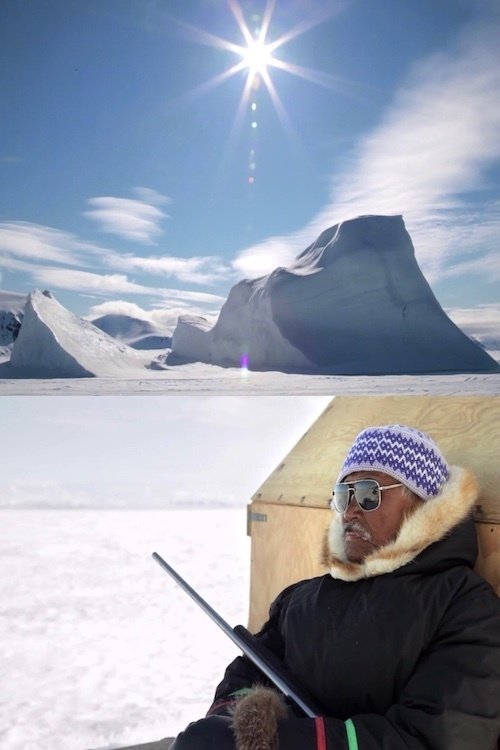
Zacharias Kunuk tackles the subject of the High Arctic Relocation from an Inuit point of view in the documentary Exile. In 1953, Inuit families were forcibly relocated to the uninhabited and inhospitable high arctic, 1500 kilometres north of their traditional homeland of Nunavik, in northern Québec. The goal of the move was to extend Canadian claims of sovereignty to Ellesmere Island. As a result, Inuit people were forced to endure the pain of families torn apart and many years of hardship. With devastating first-person accounts of survival, the trail of broken promises and shameful practices of the government and the RCMP, this powerful documentary captures the long-standing effects of these events from the perspectives of the people who were forced to endure them.
Exile
Igloolik, Fall 1945. Akkitiq wakes up to a nice day for seal hunting. The stone house is warm and comfortable. Men pack up the dog team and look for seals on the fresh ice,while women work at home. Sometimes, the squabbling of children leads to trouble among families.
Angiraq
In 1991, Igloolik Isuma Productions gathered 13 Igloolik elders for a week of discussion, to choose and then record 24 traditional ajaja songs considered most important to preserve for the future: where did the songs come from, how where they made and how have they been passed down generation to generation? Each elder remembers their own family's ajaja songs and explains how they were created by poets taking their words from their life experiences. The video, translated and subtitled for the first time, includes priceless footage of these elders singing and drumming the songs, and their playfully combative and humorous interactions are a joy to watch. The process also allowed Isuma to publish a full CD of the selected songs and to use and preserve many of them in Isuma's films over the next 25 years.