Rudolph Cartier
Directing
Biography
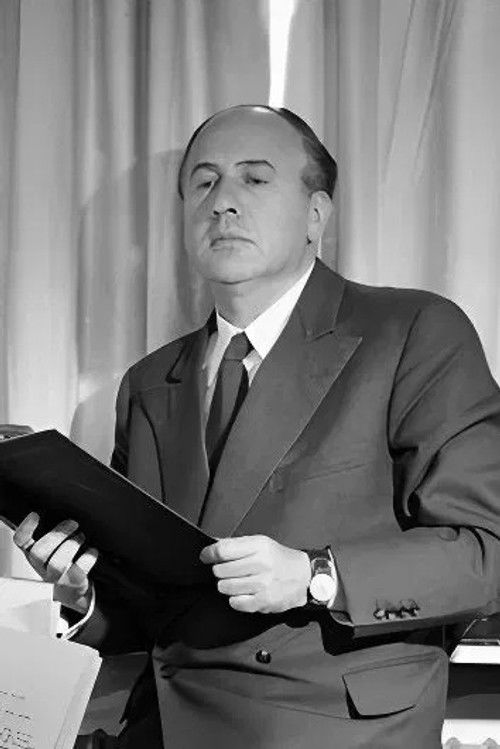
Rudolph Cartier (born Rudolph Kacser, renamed himself in Germany to Rudolph Katscher; 17 April 1904 – 7 June 1994) was an Austrian television director, filmmaker, screenwriter and producer who worked predominantly in British television, exclusively for the BBC. He is best known for his 1950s collaborations with screenwriter Nigel Kneale, most notably the Quatermass serials and their 1954 adaptation of George Orwell's dystopian novel Nineteen Eighty-Four. After studying architecture and then drama, Cartier began his career as a screenwriter and then film director in Berlin, working for UFA Studios. After a brief spell in the United States he moved to the United Kingdom in 1935. Initially failing to gain a foothold in the British film industry, he began working for BBC Television in the late 1930s (among other productions he was involved in the making of Rehearsal for a Drama, BBC 1939). The outbreak of war, however, meant that his contract was terminated; his television play The Dead Eye was stopped in the production stage. After the war, he occasionally worked for British films before he was again hired by the BBC in 1952. He soon became one of the public service broadcaster's leading directors and went on to produce and direct over 120 productions in the next 24 years, ending his television career with the play Loyalties in 1976. Active in both dramatic programming and opera, Cartier won the equivalent of a BAFTA in 1957 for his work in the former, and one of his operatic productions was given an award at the 1962 Salzburg Festival. The British Film Institute's "Screenonline" website describes him as "a true pioneer of television", while the critic Peter Black once wrote that: "Nobody was within a mile of Rudolph Cartier in the trick of making a picture on a TV screen seem as wide and as deep as CinemaScope."
Known For

A BBC television anthology series featuring productions of classic and contemporary stage plays usually broadcast on BBC1. Each production featured a different work, often using prominent British stage actors in the leading roles. The series was transmitted from October 1965 to September 1983.
BBC Play of the Month

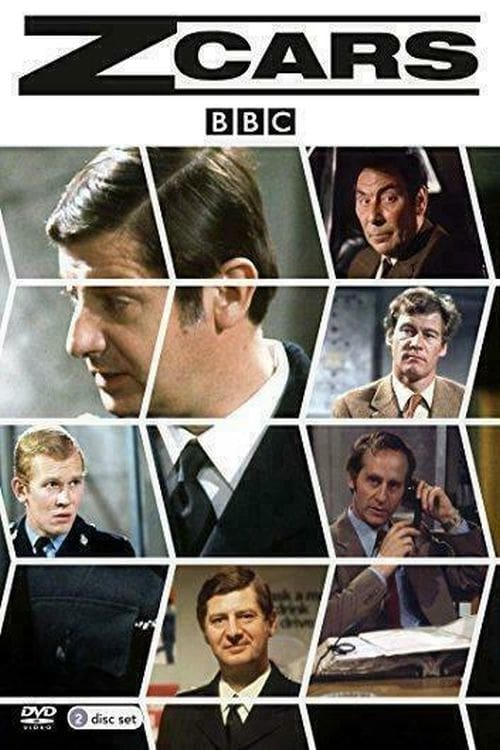
Z-Cars or Z Cars is a British television drama series centred on the work of mobile uniformed police in the fictional town of Newtown, based on Kirkby, Merseyside. Produced by the BBC, it debuted in January 1962 and ran until September 1978.
Z-Cars

An anthology series of television plays which aired on BBC1 from October 1964 to May 1970. The plays were usually written for television, although adaptations from other sources also featured.
The Wednesday Play

Theatre 625 is a British television drama anthology series, produced by the BBC and transmitted on BBC2 from 1964 to 1968. It was one of the first regular programmes in the line-up of the channel, and the title referred to its production and transmission being in the higher-definition 625-line format, which only BBC2 used at the time.
Theatre 625

Sunday Night Theatre was a long-running series of televised live television plays screened by BBC Television from early 1950 until 1959. The productions for the first five years or so of the run were re-staged live the following Thursday, partly because of technical limitations in this era, and the theatrical basis of early television drama. Some of the earliest collaborations between Rudolph Cartier and Nigel Neale were produced for this series, including Arrow to the Heart and Nineteen Eighty-Four. The Sunday night drama slot was subsequently renamed The Sunday-Night Play which ran for four seasons between 1960 and 1963. ITV transmitted its own unrelated run of Sunday Night Theatre between 1971 and 1974.
Sunday Night Theatre

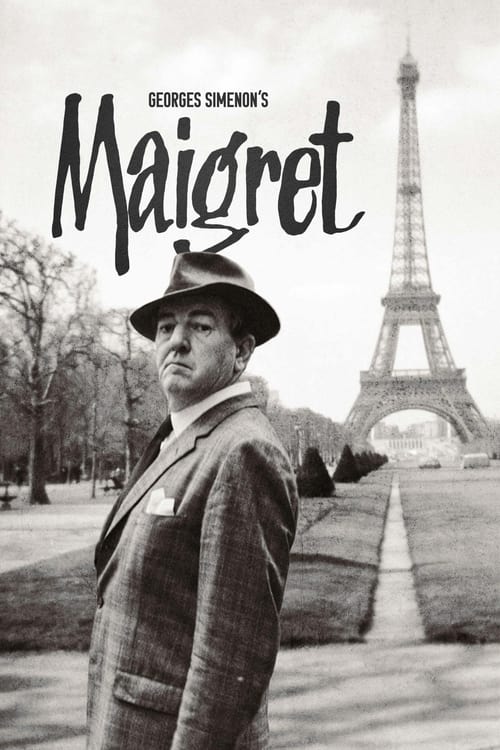
BBC series based on the novels by Georges Simenon which starred Rupert Davies as Inspector Maigret, a French police detective who preferred to watch and listen in order to solve crimes. The series ran from 1960-63 on British television.
Maigret

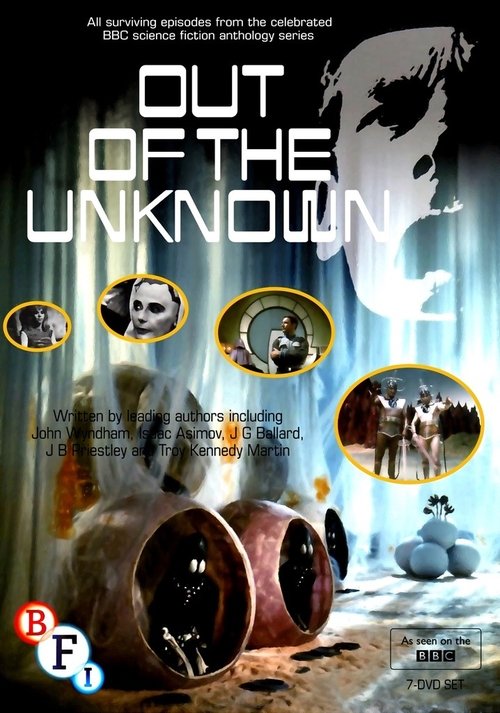
Out of the Unknown is a British television science fiction anthology drama series, produced by the BBC and broadcast on BBC2 in four series between 1965 and 1971. Each episode was a dramatisation of a science fiction short story; some were created for the series, but most were adaptations of already published stories. The first three years were exclusively science fiction, but that genre was abandoned in the final year in favour of horror and fantasy. A number of episodes were wiped during the early 1970s, as was standard procedure at the time.
Out of the Unknown
BBC anthology drama series that ran over four seasons and replaced the previous BBC Sunday Night Theatre series.
Sunday-Night Play

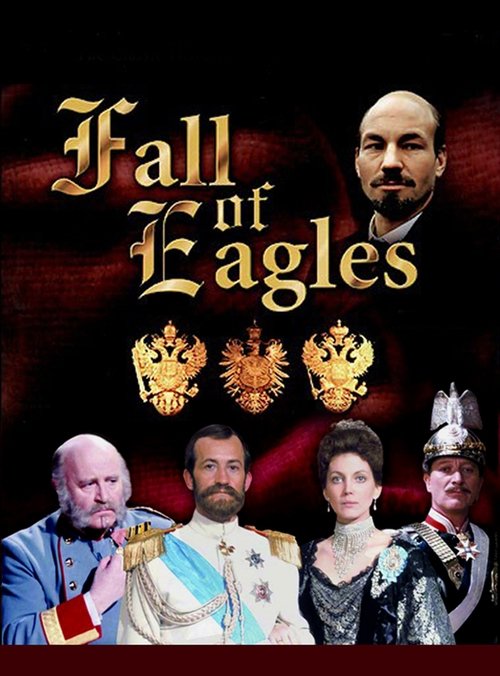
"Fall of Eagles" is a 13-part British television drama aired by the BBC in 1974. The series portrays historical events from 1848 to 1918, dealing with the collapse of the ruling dynasties of Austria-Hungary (the Habsburgs), Germany (the Hohenzollerns) and Russia (the Romanovs).
Fall of Eagles

Anthology series telling suspenseful tales.
Suspense
Studio 4 is an anthology drama series utilising BBC Television Centre's Studio Four, and running for two series in 1962 on BBC One. It was envisaged as a sequel to Storyboard, a similar anthology series which had been transmitted the previous year.
Studio 4

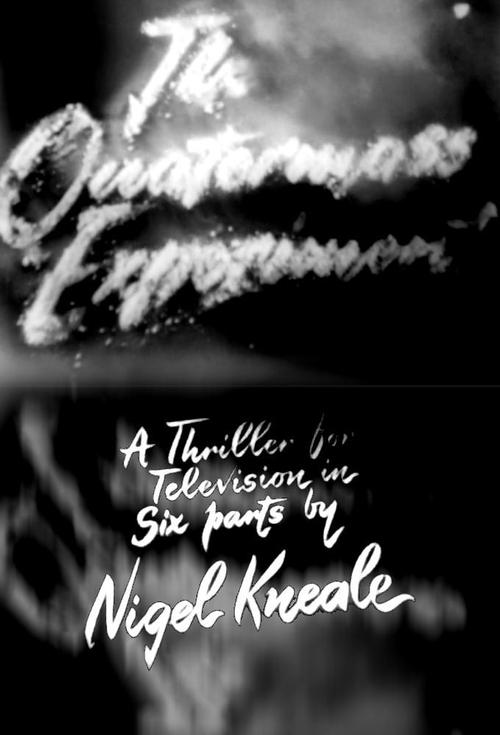
Set in the near future against the background of a British space programme, the story of the first crewed flight into space, supervised by Professor Bernard Quatermass of the British Experimental Rocket Group.
The Quatermass Experiment

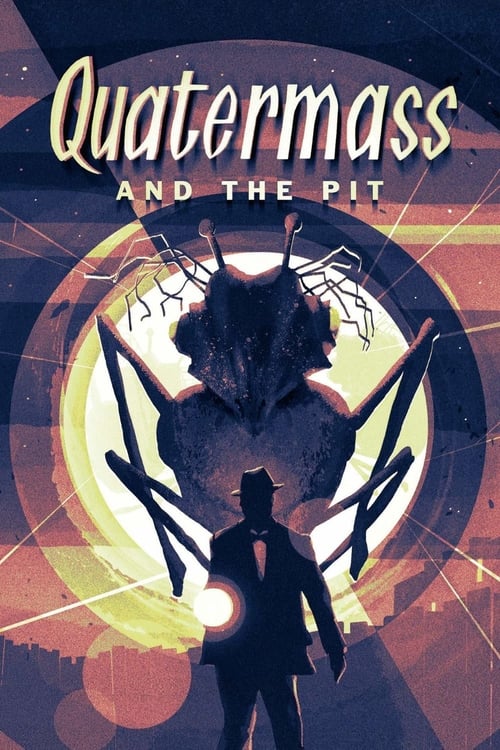
A team of scientists search for the origin and purpose of a mysterious capsule found on a building site.
Quatermass and the Pit
A short-lived horror anthology broadcast in the United Kingdom weekly in 1968 from 11 April until 16 May 1968 on the BBC. After complaints that is was not suitable for audiences, the series was pulled, with five of the six episodes believed lost.
Late Night Horror

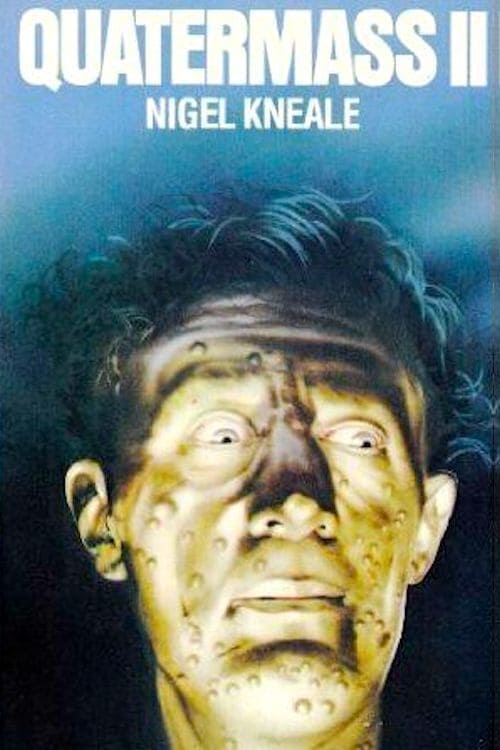
Professor Bernard Quatermass of the British Experimental Rocket Group is sought to examine strange meteorite showers. His investigations lead to his uncovering a conspiracy involving alien infiltration at the highest levels of the British Government. As even some of Quatermass's closest colleagues fall victim to the alien influence, he is forced to use his own unsafe rocket prototype, which recently caused a nuclear disaster at an Australian testing range, to prevent the aliens from taking over mankind.
Quatermass II

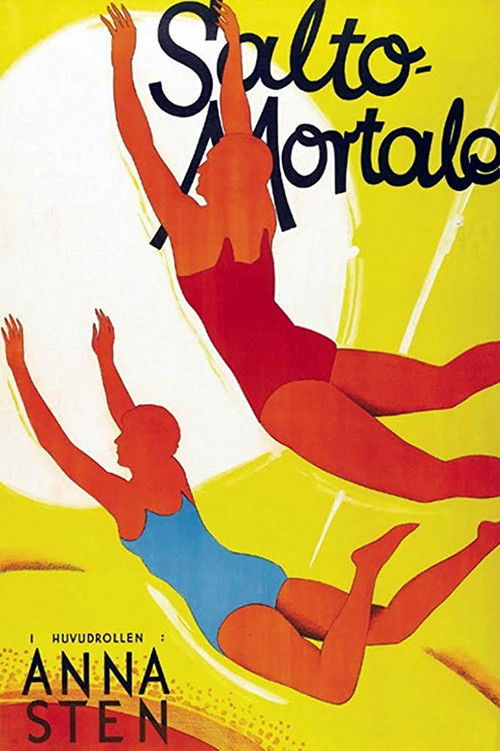
Robby and Jim are two friends working in a circus. When Marina, a new acrobat, enters the show, both men will compete for her love. She needs a partner for a flying number, and one of them will be elected. Then accidents will happen.
Trapeze

A man who works for 'The Party' (an all powerful empire led by a man known only as 'Big Brother') begins to have thoughts of rebellion and love for a fellow member. Together they look to help bring down the party.
Nineteen Eighty-Four

A man falls in love with a beautiful young woman and begins to suspect that he may have also loved her in a previous life.
Corridor of Mirrors

A maniac is loose in London, decapitating his victims and sending the heads to Scotland Yard.
The Avenger

Adaptation of an Arthur Conan Doyle novel, in which Sherlock Holmes and Dr. Watson investigate the secret of a wealthy businessman.