Ayako Wakao
Acting
Biography
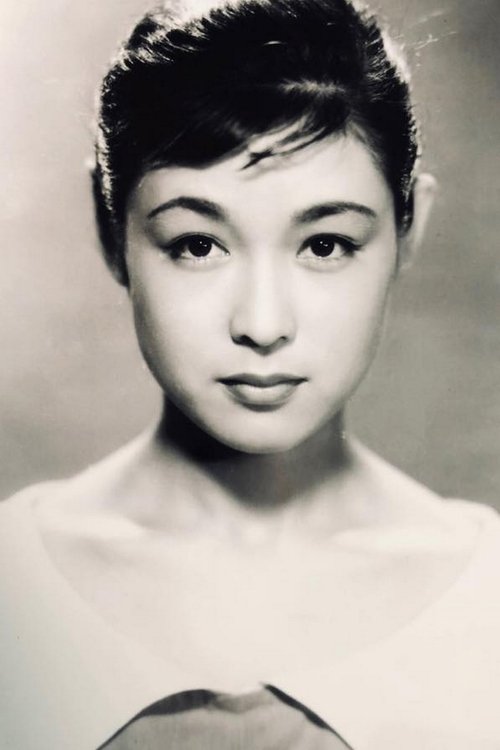
From Wikipedia, the free encyclopedia. Ayako Wakao (若尾 文子, Wakao Ayako, November 8, 1933 in Tokyo, Japan) is a Japanese actress who was one of the country's biggest stars of the 20th century. Wakao began her career contracted to Daiei Studios in 1951 as part of the fifth "New Face" group. She has gone on to appear in over 100 feature films, plus numerous television movies and series. She was a favorite actress of director Yasuzo Masumura, starring in 20 of his films. In addition to her many collaborations with Masumura, she was a favorite of Kon Ichikawa, having starred or co-starred in seven of the director's works. She appeared in Kenji Mizoguchi's A Geisha and Street of Shame. She also appeared in Yasujirō Ozu's Floating Weeds. Description above from the Wikipedia article Ayako Wakao, licensed under CC-BY-SA, full list of contributors on Wikipedia.
Known For

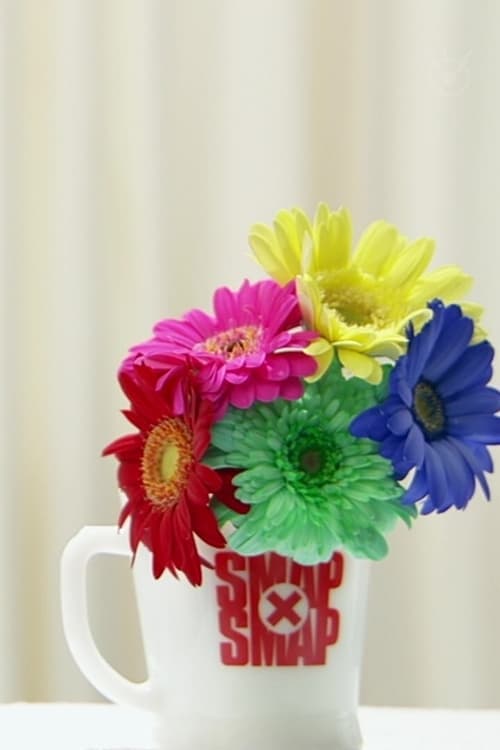
SMAP×SMAP was an ongoing weekly Japanese variety show on Kansai TV and Fuji TV starring the members of SMAP. The show began on April 15, 1996 and it aired from 22:00 to 22:54 every Monday. The show's usual ratings were higher than 20%, which is considered high since most variety shows range from 10-20%. Each episode begins a variety of skits, comedic performances, and/or games. These are followed by Bistro SMAP, in which the SMAP members compete against each other to impress celebrity judges with their gourmet cooking. Last is a musical performance by SMAP which may include celebrity guests, as well.
SMAP×SMAP

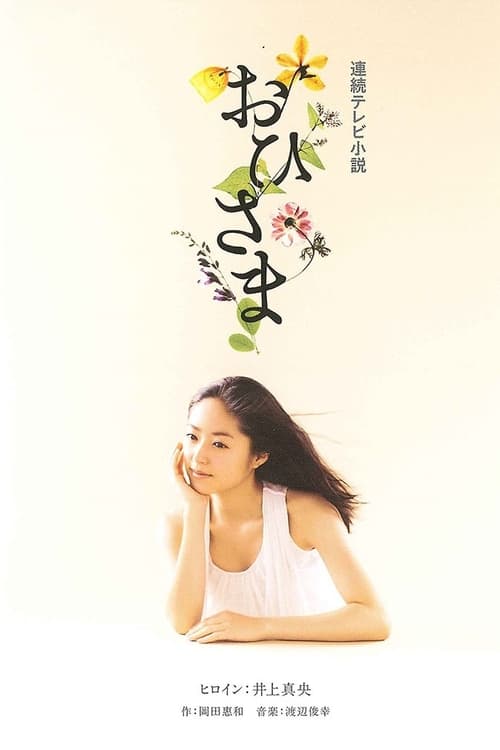
Ohisama is a Japanese television drama that aired on NHK in 2011 in the Asadora time slot. Set in Nagano prefecture, "Ohisama" covers the life of Yoko Sudo (Mao Inoue) through World War II. Yoko Sudo with her smile is able to bring brightness to those around her & she follows her mother's motif to laugh through the hard times. During the onset of WW II, Yoko is a high school student and "Ohisama" follows her as she eventually becomes a teacher and then gets married and has a child. Yoko then opens a soba restaurant with her student. --asianwiki
Ohisama

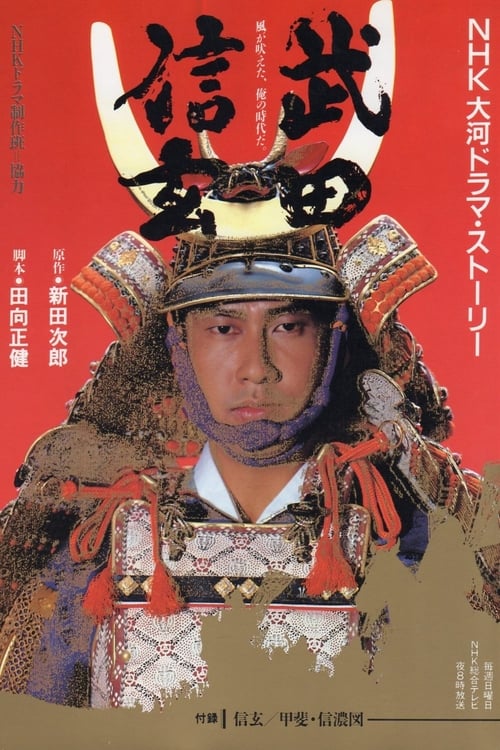
There was a very turbulent time in the warring period in the history, and Takeda Shingen is consider one of the great warlord among many other.
Takeda Shingen

The 37th NHK Taiga Drama is Tokugawa Yoshinobu. The series focuses on the life of Tokugawa Yoshinobu, the 15th and final ruler of the Tokugawa period. Born the seventh son of Lord Nariaki of Mito, Yoshinobu is named shogun when he is just 29 years old. With a wisdom and vision beyond his years, he tries to prolong the life of this 200-year-old dynasty which began with Ieyasu. However, he is unable to forestall the winds of revolution as clans in Choshu, Satsuma and Tosa, with the help of the Imperial Court, clamor for change.
Tokugawa Yoshinobu

No description available.
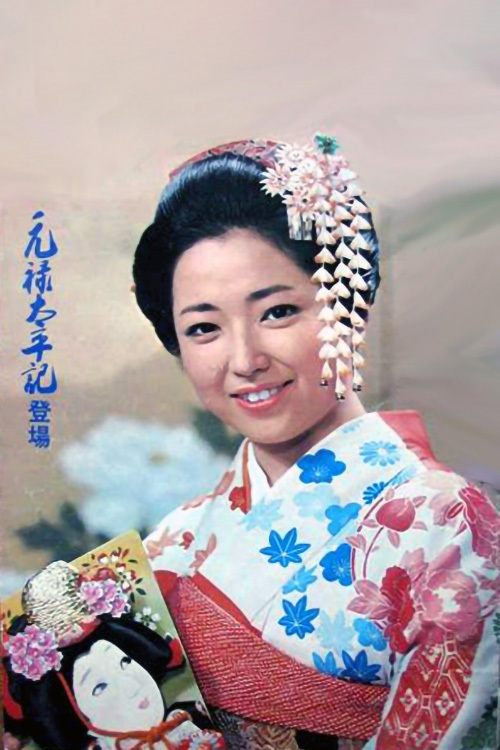
Genroku Taiheiki

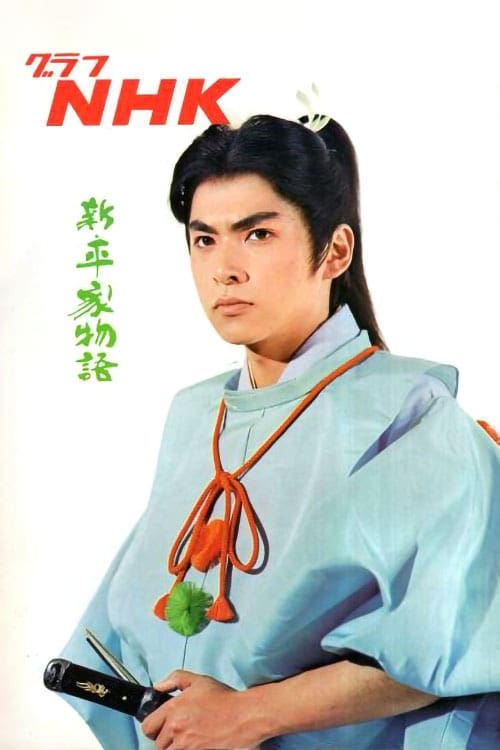
Set at the end of the 12th century when several wars for control of Japan disrupted a long era of peace, this tale of "Heike" (another name for the Taira clan) focuses on Taira Kiyomori who fights alongside other members of his clan to at first successfully overcome the Minamoto clan and their bid for power. Battles and intrigue abound, as the puppet Emperor and Buddhist monks take sides in the power struggle. At issue is Kiyomori's parentage, not an unusual problem for the nobility in that era where clandestine liaisons among courtiers and the upper classes were common.
Shin Heike Monogatari

Follows five sex workers employed at a Japanese brothel while the nation debates the passage of an anti-prostitution law.
Street of Shame

A theater troupe master's visit with his old flame unintentionally sets off a chain of unexpected events with devastating consequences.
Floating Weeds

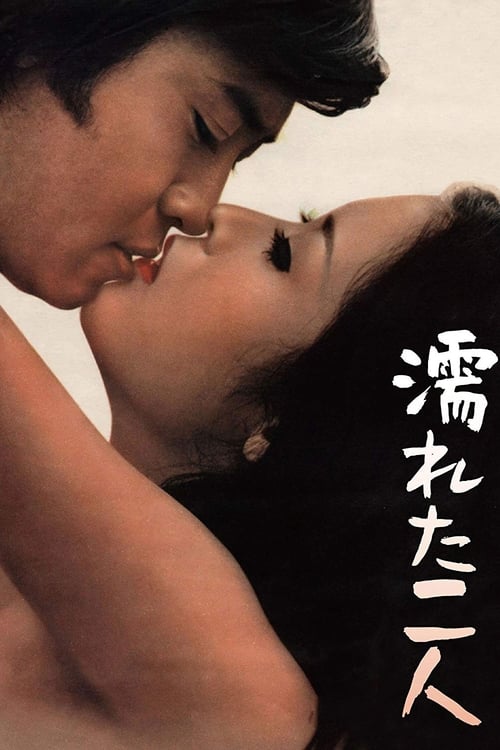
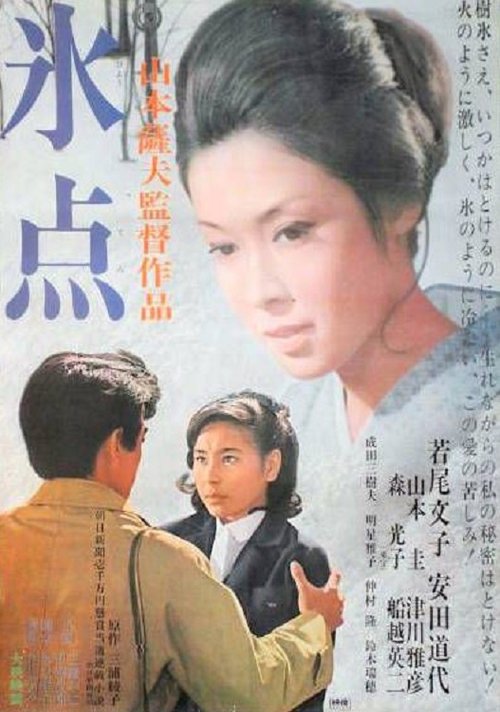
The movie stars Ayako Wakao. It depicts the emotional turmoil of a woman caught between two kinds of love: her familial love for her father and her romantic love for her partner. Co-starring are Takashi Shimura, Tsutomu Yamazaki, and others. Released in 1972.
愛と愛

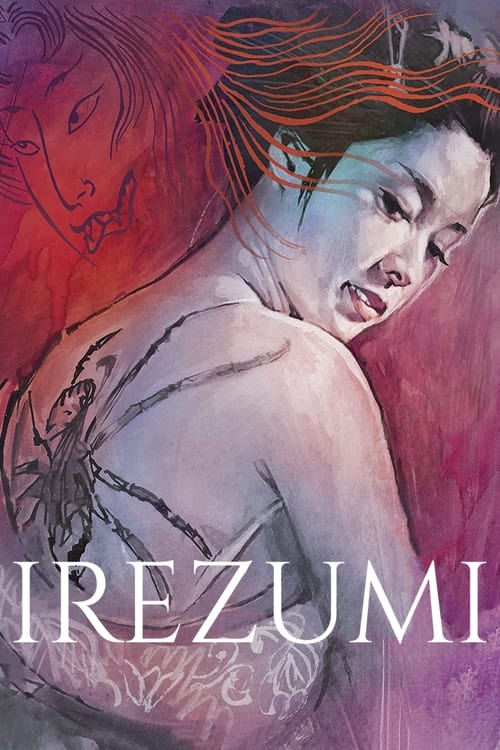
Otsuya, the daughter of a rich merchant, elopes with her lover Shinsuke, an employee of her father's. During their flight, Otsuya's beauty attracts the gaze of Seikichi, a mysterious master tattooist who sees her pristine white skin as the perfect canvas for his art. The image of the large demonic spider that he emblazons across Otsuya's back marks her as the property of another man, radically altering her relationships with all around her as her personality seems to transform under its influence.
Irezumi

Two poor, married farmers have recently lost their only child; after a freak visitation, they pry open an alien cocoon to greet their new daughter.
Princess from the Moon

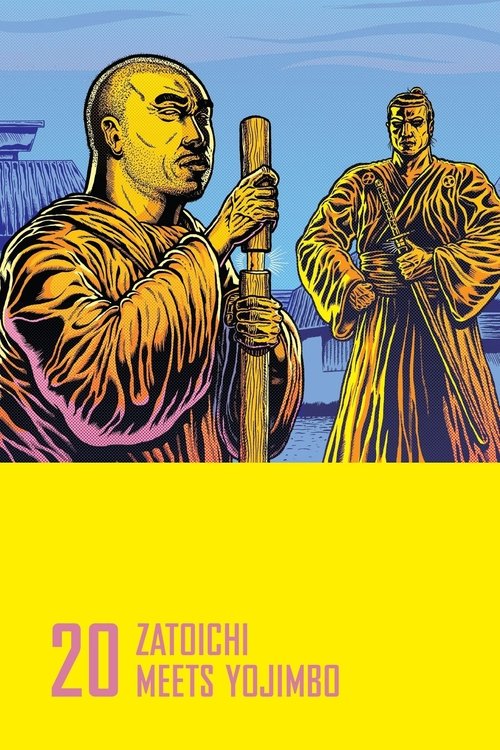
Zatoichi treks to a village that has always been a favorite spot of his, only to discover that it’s become a living hell, plagued by feuding father and son yakuza as well as the younger crime boss’s bodyguard, scruffy, smart-mouthed, cash-hungry Yojimbo of legend.
Zatoichi Meets Yojimbo

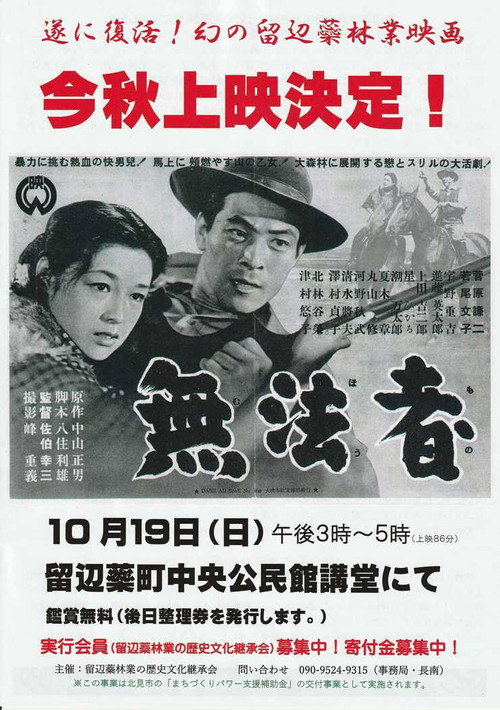
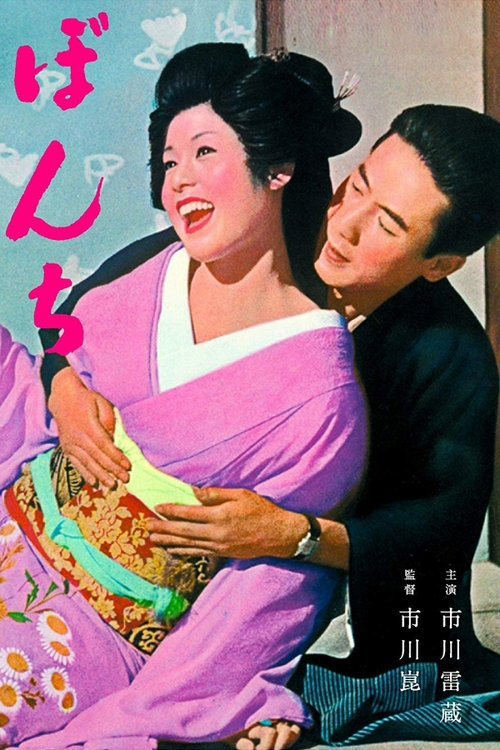
Ichikawa's 1956 adaptation of Nihonbashi was the first to take the work of Kyoka Izumi— until then regarded as a writer of common tragic melodramas—and re-evaluate it as a tanbi-ha work of decadence, aestheticism, and intrigue. Ichikawa's film presents the tragic plot of the young geisha who is unable to enact her love for a man publicly in any way other than a histrionic story of torment, a heart-rending tale of lovers being crushed by fate. Instead, Ichikawa shows the contest of wills that transpires as two geisha, Oko and Kiyoha fight for the top spot in Nihonbashi, the pinnacle of the Tokyo geisha world. Nihonbashi is an elegant, if steely, exposition of manners. The young doctor, Shinzo Katsuragi, is the object of affection for both women, but appears to be more the choice reward for the plotting and thieving of these two early modern superwomen, than a lover they swoon over.
Bridge of Japan

In 1939, Sakura Nishi is a young army nurse who is sent to the field hospitals in China during the Sino-Japanese war. She has to assist the surgeon Dr. Okabe with an incredible number of amputations. In the crowded wards, she gives sympathy to some of the soldiers, including sexually servicing one who has lost both arms and has no hope of returning home. She falls in love with Dr. Okabe, and follows him to the front, even though he is impotent from his morphine addiction.
Red Angel

Following the tragic death of his father, a young boy's family trains his horse to compete in the local derby.
The Phantom Horse

Based on the first novel, Spring Snow, of Mishima Yukio's Sea of Fertility tetralogy, it follows the troubled and illicit affair between two youngsters amongst the aristocracy and rich of early twentieth century Japan.
Spring Snow

Satoko is a mistress by trade or fate: when her master, the silkscreen artist of the Kohoan Temple in Kyoto, dies, she is given to the temple's lascivious head priest Kikuchi. She is drawn to a melancholy young acolyte, Jinen, who has observed the profligacy of his cruel master and Satoko's utter dependence on the man. Jinen is both fascinated and disturbed by Satoko's interest in him; he is similarly caught between loathing of Kikuchi and of the dark circumstances of his birth and his own moral weakness. The story unfolds in a dreamlike manner—a flashback inspired by a now-infamous image on a silkscreen in the souvenir shop at the so-called Temple of the Wild Geese.
The Temple of Wild Geese

Fleeing a distressing family situation, Eiko, a very young girl, becomes an apprentice to Miyoharu, a veteran geisha. Both, determined to preserve their professional integrity, must face the selfishness and ambition of several petty people.
A Geisha

The four principals in a love affair collide when jealousy, blackmail and suicide enter the picture.
Manji

In 221 BC, Qin Shihuangdi conquered the rest of China. Qin's great accomplishments and also his serious faults are showed in this film. Qin adopted autocratic dictatorship and led a luxurious life: abolition of feudalism and the centralization of power in the form of a now-hereditary bureaucracy loyal to himself; burning books and burying scholars; the construction of a sumptuous palace for his concubines and also the Great Wall.