Fujiko Yamamoto
Acting
Biography
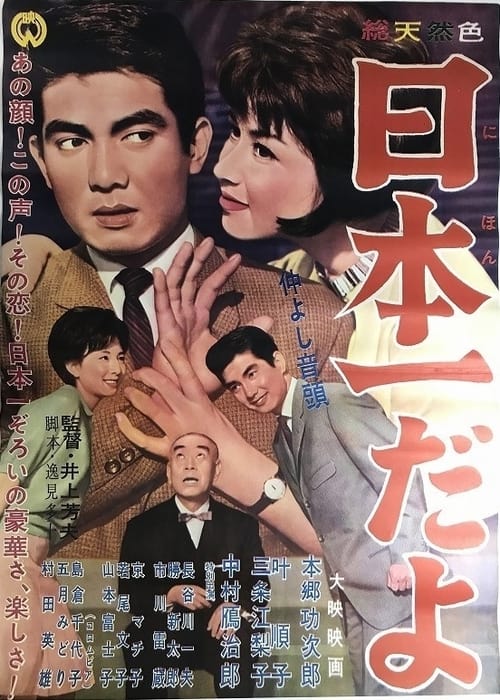
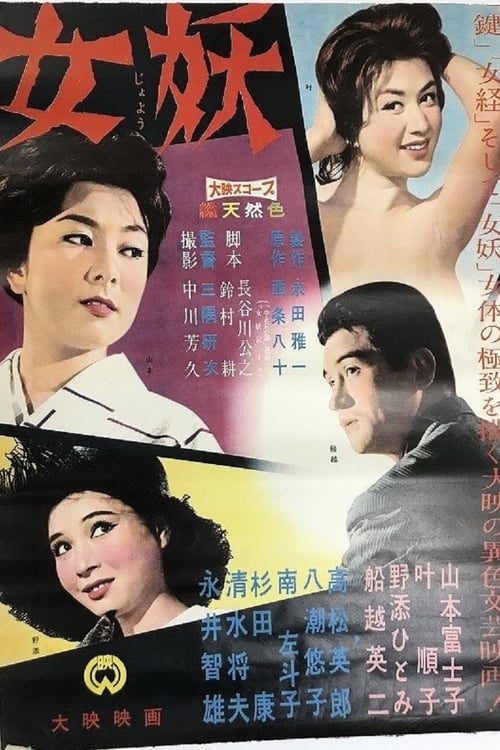
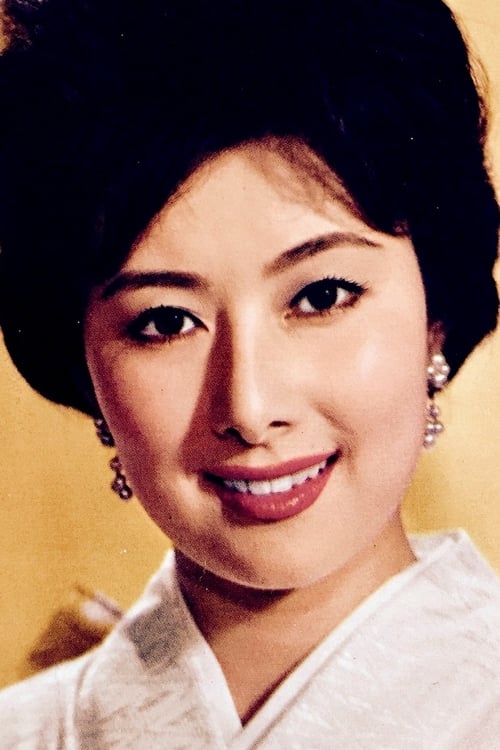
Fujiko Yamamoto (山本富士子, Yamamoto Fujiko) (born 11 December 1931) is a Japanese stage, film and television actress. She was the winner of the first Miss Nippon Grand Prix in 1950, and appeared in over 100 films between 1953 and 1963, including works by directors Yasujirō Ozu, Kon Ichikawa, Shirō Toyoda and Kōzaburō Yoshimura. Yamamoto was born on 11 December 1931 in Nishi ward, Osaka. In 1953, she made her film debut at Daiei Film, and became one of the studio's top actresses. Yamamoto was considered one of Japan's most beautiful women, with, in the words of film historian Catherine Russell, "noble" features that represented the classic ideal of Japanese beauty. As such, she was well-suited for costumed parts in the era's popular period dramas, with her less-frequent modern roles (in films like Ozu's Equinox Flower and Ichikawa's Being Two Isn't Easy) often shot in "movie star" closeups that placed her apart from the films' contemporary storytelling. In 1963, when her contract came up for renewal, she insisted on changes. The head of Daiei, Masaichi Nagata, refused, dismissed her, and prevented her from finding work at other film studios via the Five-Company Agreement. After the Daiei dismissal, Yamamoto acted in the TV series Toshiba Sunday Theatre and on Fuji TV. Even though she has appeared frequently on stage and on television, she has not appeared in a film since then.
Known For

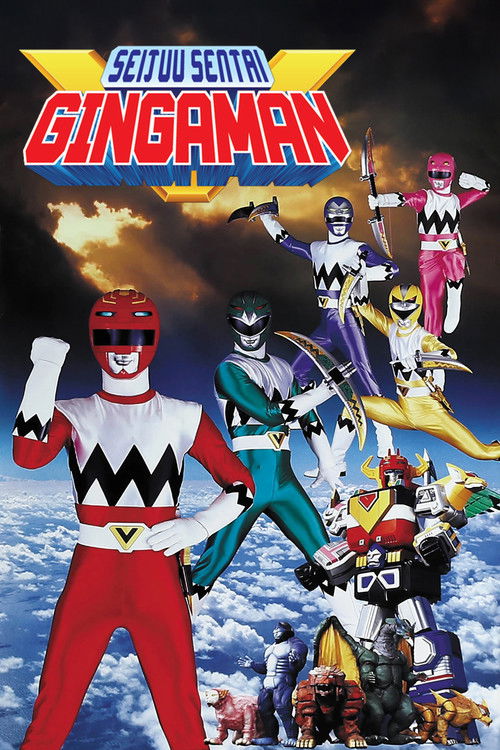
Three millennia after the first invasion of the Space Pirates Barban, a new set of Gingamen — Hyuuga, Gouki, Hayate, Hikaru, Saya — have been selected to protect the Earth. That is, unless the Barban are able to disrupt the ceremony!
Seijuu Sentai Gingaman

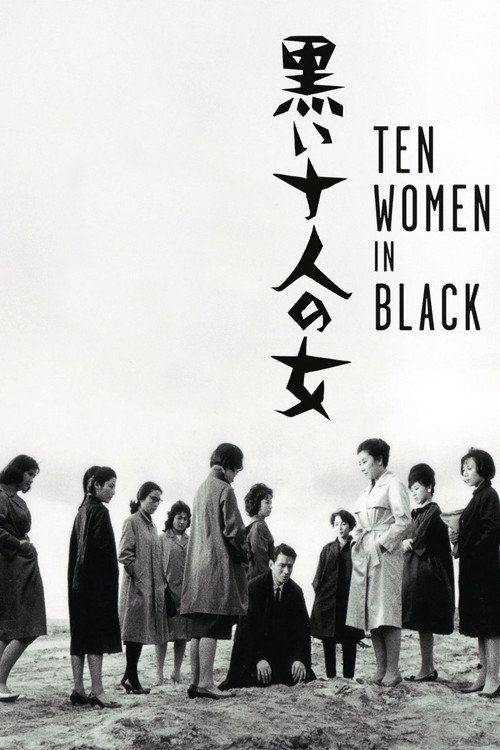
Kaze is a philandering TV producer. His wife and nine of his mistresses conspire to kill him. However each woman would rather keep him alive, as long as she was the only woman in his life.
Ten Dark Women

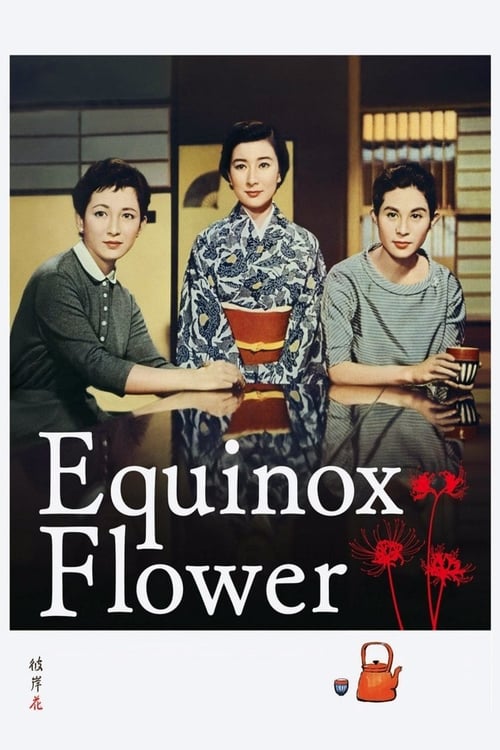
Wataru's outwardly liberal views on marriage are severely tested when his daughter declares her love for a coworker and is adamant to live her own way, instead of agreeing to an arranged marriage. Outwitted by his female relatives, Hirayama stubbornly refuses to admit defeat.
Equinox Flower

The Dai-bosatsu toge trilogy is based on Kaizan Nakazato's unfinished long series of novels (41 books, written from 1913 to 1941). Set in the last period of the Tokugawa Shogunate, Daibosatsu Toge tells the story of Ryunosuke Tsukue, a nihilistic swordmaster who doesn't hesitate to kill anyone, bad or good.
Satan's Sword

1962 Japanese movie
Ika naru hoshi no moto ni

Believing that the world will end that very day, three mental patients Coco, Tsumuji, and Satoru set out upon a journey. Walking upon the tops of the walls of the city, they seek to find a picnic spot with the best vantage point to view the final event.
Picnic

The sequel to Daibosatsu tôge (1960) and the second of the trilogy follows the adventures of Ryunosuke Tsukue after he is blinded.
Satan's Sword: The Dragon God

An Indian prince leaves his world of comfort and riches behind to wander and meditate for six years in search of spiritual enlightenment. Siddartha (Cojoin Hong) turns his back on the old religion when people are starving needlessly and holy rituals include human sacrifices. During his meditations, he is tempted by erotic dancing women, demons, and the evil machinations of his criminal cousin. Devastate to attain the spiritual perfection and become the Buddha. He travels to convert followers by his kindness and wisdom, gaining a multitude of believers when he stops an elephant from crushing a local priest. Buddha of course goes on to become one of the great religious leaders of the world.
Buddha

Ichikawa's 1956 adaptation of Nihonbashi was the first to take the work of Kyoka Izumi— until then regarded as a writer of common tragic melodramas—and re-evaluate it as a tanbi-ha work of decadence, aestheticism, and intrigue. Ichikawa's film presents the tragic plot of the young geisha who is unable to enact her love for a man publicly in any way other than a histrionic story of torment, a heart-rending tale of lovers being crushed by fate. Instead, Ichikawa shows the contest of wills that transpires as two geisha, Oko and Kiyoha fight for the top spot in Nihonbashi, the pinnacle of the Tokyo geisha world. Nihonbashi is an elegant, if steely, exposition of manners. The young doctor, Shinzo Katsuragi, is the object of affection for both women, but appears to be more the choice reward for the plotting and thieving of these two early modern superwomen, than a lover they swoon over.
Bridge of Japan

In 221 BC, Qin Shihuangdi conquered the rest of China. Qin's great accomplishments and also his serious faults are showed in this film. Qin adopted autocratic dictatorship and led a luxurious life: abolition of feudalism and the centralization of power in the form of a now-hereditary bureaucracy loyal to himself; burning books and burying scholars; the construction of a sumptuous palace for his concubines and also the Great Wall.
The Great Wall

In Kyoto a young kimono maker with traditional ideas gets involved with a married professor.
Undercurrent

In Edo Japan, a kabuki actor seeks revenge against the three men who drove his parents to their deaths years ago.
An Actor's Revenge

In this Japanese drama, a village girl goes to Tokyo and becomes a sex worker to support her ailing mother. While there she meets an unmarried teacher (at least he says he's unmarried) and falls in love.
The Twilight Story

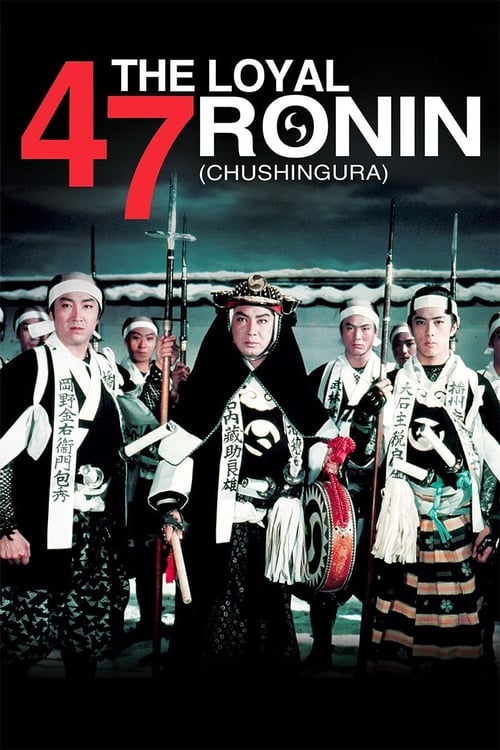
Japan, 1701. A group of samurai become rônin after their lord is forced to commit seppuku for assaulting a court official, who will become the target of a merciless revenge.
The Loyal 47 Ronin

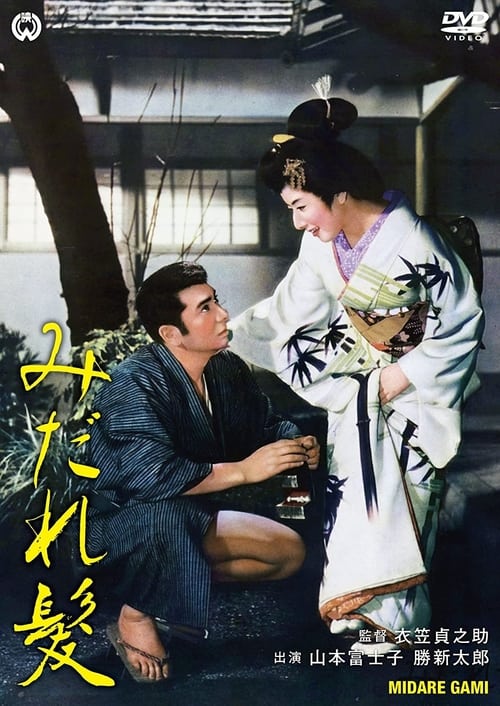
A Girl isn't Allowed to Love is a 1955 Japanese film directed by Teinosuke Kinugasa.
A Girl Isn't Allowed to Love

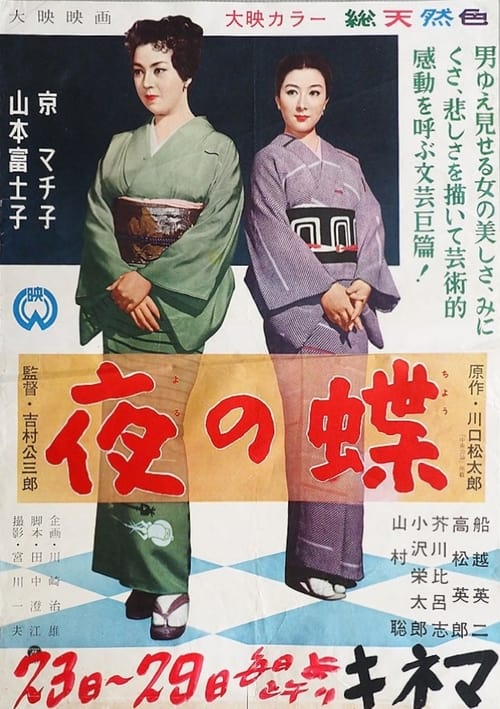
A traditional bar mistress in Kyoto clashes with her Tokyo rival.
Night Butterflies

The story of Yoshinaka during the tumultuous period of warring related to us in the Heike Monogatari. Close in setting to Kinugasa’s famous Gate of Hell (1953).
Three Women Around Yoshinaka

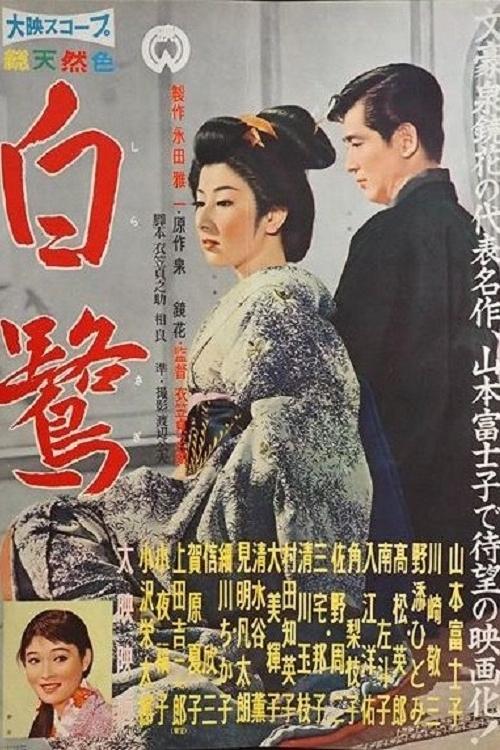
The story follows Oshino, a geisha who is trying to start a new life with a lover who is a painter. However, her past filled with debts and pimps catches up to her.
The Snowy Heron

Historical and political detective. The main characters are drawn into court intrigues, and the investigation of corruption in the administration of the shogun Ienari Tokugawa comes to the fore in the plot. Based on the novel of the same name by Matsumoto Seicho.
Stop the Old Fox

Based on the famous novel by Junichiro Tanizaki, this is a story of the four sisters of the ancient and reputable Makioka family of Osaka.