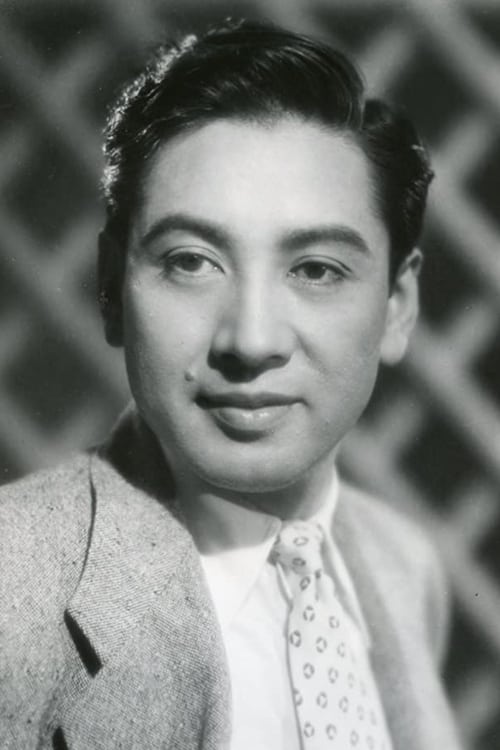
Kazuo Hasegawa
Acting
Biography
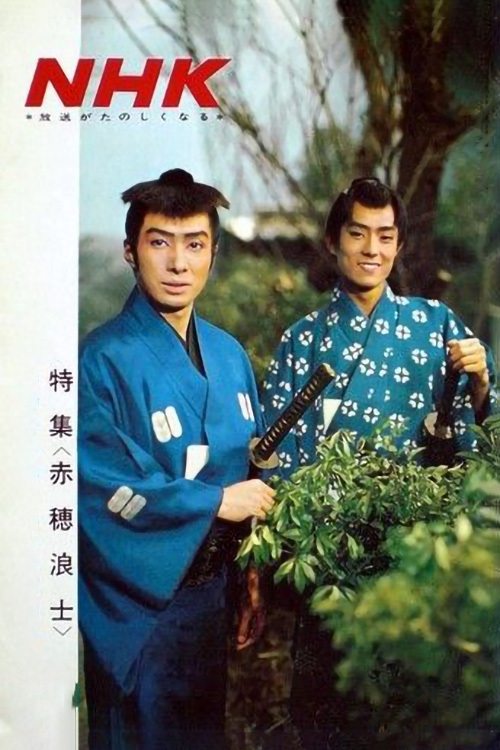
Kazuo Hasegawa was a Japanese film and stage actor. He appeared in over 300 films from 1927 to 1963. Born to a sake brewing family in Kyoto, he first appeared on stage at age five in a theater run by his family as a side business. In 1918, he became a student of Nakamura Ganjirō I and performed kabuki in the Kansai region. He joined the Shochiku studio in 1927 and made his film debut in Chigo no kenpō under the name Chōjirō Hayashi. His good looks and graceful fighting style made him a major jidaigeki star, and he appeared in more than 120 films for Shochiku in 11 years, with the best works being directed by Teinosuke Kinugasa. He moved to the Toho studio in 1937. On 11 November 1937, however, he was attacked by ruffians and his face slashed with razor blades. According to the historian Daisuke Miyao, "Even though there was no clear evidence, it was widely assumed that this violent incident was Shochiku's retaliatory measure against Hayashi's so-called betrayal." He recovered and changed his stage name to his real name, Kazuo Hasegawa. Hasegawa appeared in many successful films for Toho, including several "national-policy pictures with Chinese settings," such as Song of the White Orchid (1939) and China Night (1940), with co-star Ri Koran. He moved to Daiei Film in 1950 and continued appearing in the popular Zenigata Heiji series. He also appeared in many classic films including Kozaburo Yoshimura's The Tale of Genji (1951), Kinugasa's Gate of Hell (1953), and Kenji Mizoguchi's The Crucified Lovers (1954). He was appointed to Daiei's board of directors in 1957. To celebrate his 300th film, Hasegawa appeared in a new version of Yukinojō henge (known abroad as An Actor's Revenge) in 1963, directed by Kon Ichikawa. He left Daiei that year and continued to appear on stage and television, including starring in the second NHK Taiga drama Akō Rōshi in 1964. He also directed the Takarazuka Revue version of The Rose of Versailles in 1974.
Known For

"Ako Roshi" is a group of 47 former retainers of Lord Asano. Lord Asano was forced to commit suicide after attempting to kill Lord Kira. Once the retainers hear about their Lord's death, they sacrifice their lives to regain the honor of their former master.
Akō Rōshi

When the wife of a 17th-century Kyoto scrollmaker is falsely accused of having an affair with his best employee, the pair flee the city and find themselves truly falling for one another.
Chikamatsu Monogatari

Japan, 1159. Moritō, a brave samurai, performs a heroic act by rescuing the lovely Kesa during a violent uprising. Moritō falls in love with her, but becomes distraught when he finds out that she is married.
Gate of Hell

Japan, 1701. A group of samurai become rônin after their lord is forced to commit seppuku for assaulting a court official, who will become the target of a merciless revenge.
The Loyal 47 Ronin

Genji, the illegitimate offspring of a Japanese potentate, goes by the philosophy of "love 'em and leave 'em" as a matter of course. Only when his heart is broken by Awaji does Genji realizes how much pain he himself has caused.
The Tale of Genji

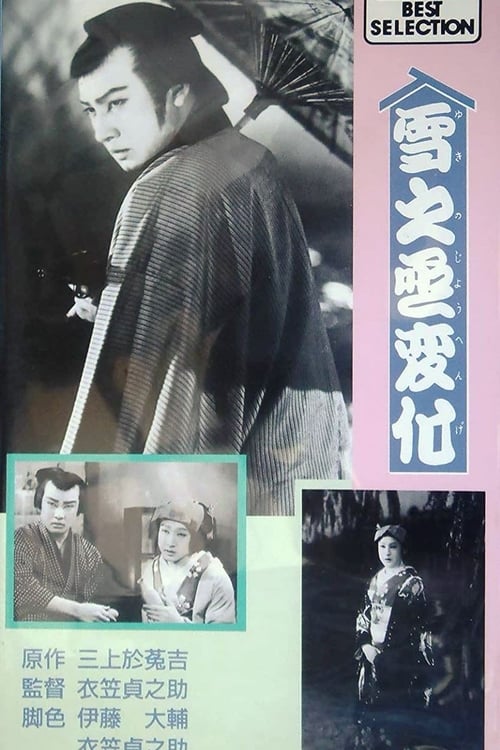
In Edo Japan, a kabuki actor seeks revenge against the three men who drove his parents to their deaths years ago.
An Actor's Revenge

In 221 BC, Qin Shihuangdi conquered the rest of China. Qin's great accomplishments and also his serious faults are showed in this film. Qin adopted autocratic dictatorship and led a luxurious life: abolition of feudalism and the centralization of power in the form of a now-hereditary bureaucracy loyal to himself; burning books and burying scholars; the construction of a sumptuous palace for his concubines and also the Great Wall.
The Great Wall

During the 1200's, legendary Buddhist monk Nichiren returns from his studies to lead Japan out of moral crisis and prepare to fight Mongol invaders by creating a new form of Buddhism. He runs afoul of the existing Buddhist sects and their government supporters and is persecuted. Can Nichiren persevere before the Mongol fleet reaches Japanese shores?
Nichiren and the Great Mongol Invasion

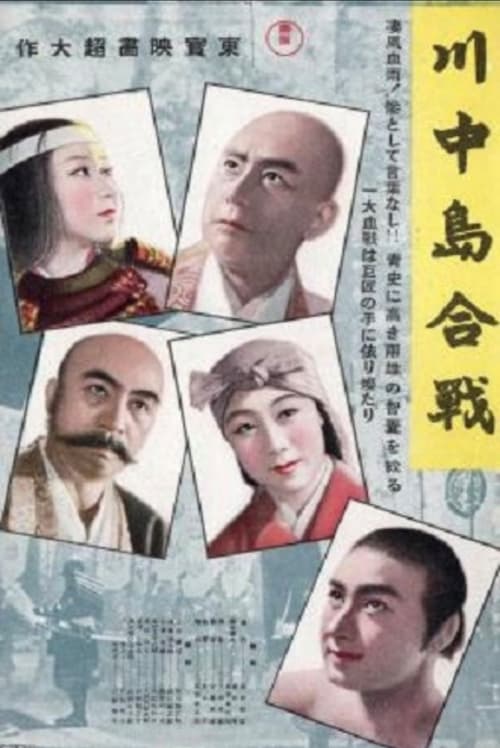
This epic depicts the battle between Uesugi Kenshin and Takeda Shingen. The focus of the story is the struggle by the unit leader in charge of the main supply wagons and the supply troops to transport materiel to the Uesugi army. To this are added episodes involving an itinerant woman.
The Battle of Kawanakajima

A sentimental tale of the filial love between shogun Iemitsu (matinee idol Hasegawa) and his loyal old retainer Hikoza (comedian Roppa, playing somewhat against type).
Iemitsu and Hikoza

Mr. Tsurujiro is a Japanese folk singer assisted by Ms. Tsuruhachi on the shamisen. The pair is popular, but he often nitpicks her music and so they split. She marries a benefactor, but after a joint show, feels music is above marriage.
Tsuruhachi and Tsurujiro
The film depicts how the work to build the Great Buddha overcame a number of obstacles as proponents and opponents clashed over the construction of the Buddha. This work is based on a play by Hideo Osada, which was performed by the Shin Kyodo Theater Company in 1940.
Dedication of the Great Buddha

Tsunamune Date, the young lord of Sendai Domain, was ordered by the shogunate to stand down after being spotted in a brothel. Shortly after, four advisors from his entourage were assassinated, calling into question the possessions of the Date family.
The Demon of Sendai's Castle

During the bloody era of the Tokugawa Shogunate collapse, a man appeared capable of overthrowing a corrupt government and ending the feud between the Choshu and Satsuma clans. This is the story of Tsukigat Khanpayit, the sword maker of the Choshu clan, who, along with Katsuro Kogoro and Sakamoto Ryoma, sought to fulfill the dream of a new peaceful era in Japan. Can he realize his ideals or will he die in the chaos of internecine fights...
Tsukigata Hanpeita

The film was produced during Second Sino-Japanese War, before the Pearl Harbor Attack in 1941. The film mainly concerns the training of newly-recruited pilots and their daily life, then their subsequent fighting experiences in China. Army supported the production, providing all the authentic airplanes, training and actual actions. They even provided the older biplanes disguised as Chinese fighter planes. Obinata plays the trainer-turned-combat-leader, who is passionate and cool at the same time. All his boys love him, of course. The film is not as intense, full of sugar-coated camaraderie, until young pilots are killed in action one by one. Last twenty minutes are fairly grim, as the message of self-sacrifice is heard loud and clear.
The Burning Sky

A Japanese army engineer (Hasegawa) on the mainland must put his personal feelings for a beautiful Chinese woman (Ri) aside if he is to succeed at building a highway through the "bandit"- (aka anti-Japanese militia-) infested hinterlands.
Oath on the Burning Sands

No description available.
Zoku Hebihimesama

A studio introduction version for Daiei Stars.
Daiei Studio is Bustling
The exciting story of Jirocho and his yakuza gang that controlled the area of the Tokaido during the latter days of the samurai era. Awesome fighting from Katsu Shintaro as One-Eyed Ishimatsu highlights this great tale taken from Japanese history!
Jirocho Fuji 2: The Chivalrous

Aboard a ship connecting Kyoto and Osaka, Osan was pickpocketed by a sham blind biwa player. A man who looked like a merchant retrieved the wallet for her. Osan was a woman being sold off for the sake of her yakuza-like brother, Nin'kichi. The man in the guise of a merchant turned out to be the Rat Thief, Jirokichi, the infamous thief of Edo. Due to this chance encounter, the two ended up staying at the same hot spring inn. However, one morning, as Jirokichi was about to leave alone, Osan, with the intuition of a smitten woman, confessed she knew he was the famed Rat Thief.