Kenji Mizoguchi
Directing
Biography
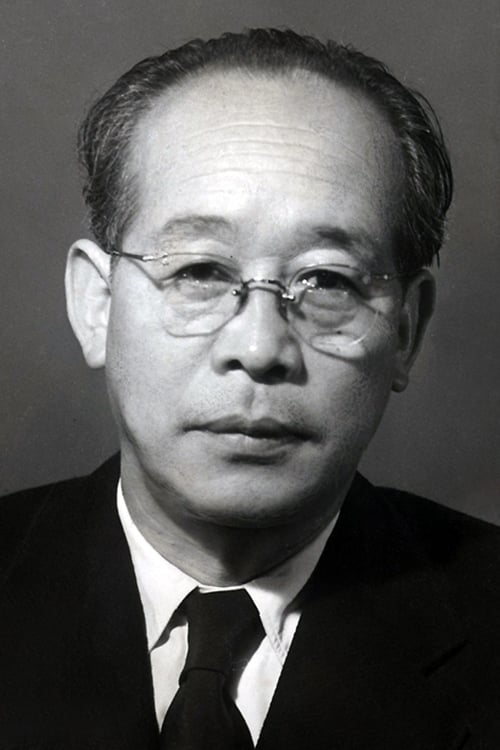
Kenji Mizoguchi (May 16, 1898 – August 24, 1956) was a Japanese film director and screenwriter. His film Ugetsu (1953) won the Silver Lion at the Venice Film Festival, and appeared in the Sight & Sound Critics' Top Ten Poll in 1962 and 1972. Mizoguchi is renowned for his mastery of the long take and mise-en-scène. "His films have an extraordinary force and purity. They shake and move the viewer by the power, refinement and compassion with which they confront human suffering." Description above from the Wikipedia article Kenji Mizoguchi, licensed under CC-BY-SA, full list of contributors on Wikipedia.
Known For

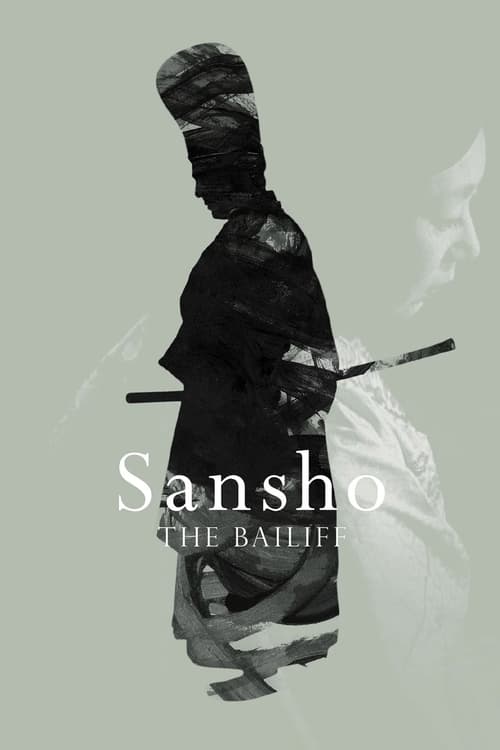
In 11th-century feudal Japan, following the exile of an idealistic governor, his wife and children are separated by slave traders; the children, Zushio and Anju, are sold into brutal servitude under the cruel bailiff Sansho.
Sansho the Bailiff

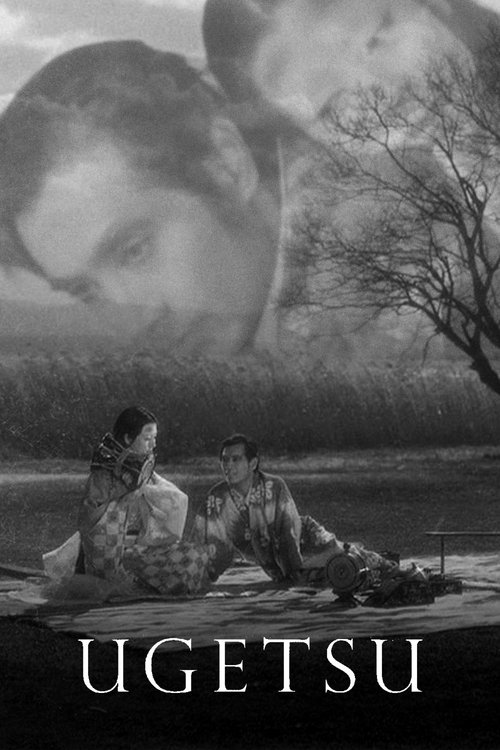
In 16th century Japan, peasants Genjuro and Tobei sell their earthenware pots to a group of soldiers in a nearby village, in defiance of a local sage's warning against seeking to profit from warfare. Genjuro's pursuit of both riches and the mysterious Lady Wakasa, as well as Tobei's desire to become a samurai, run the risk of destroying both themselves and their wives, Miyagi and Ohama.
Ugetsu

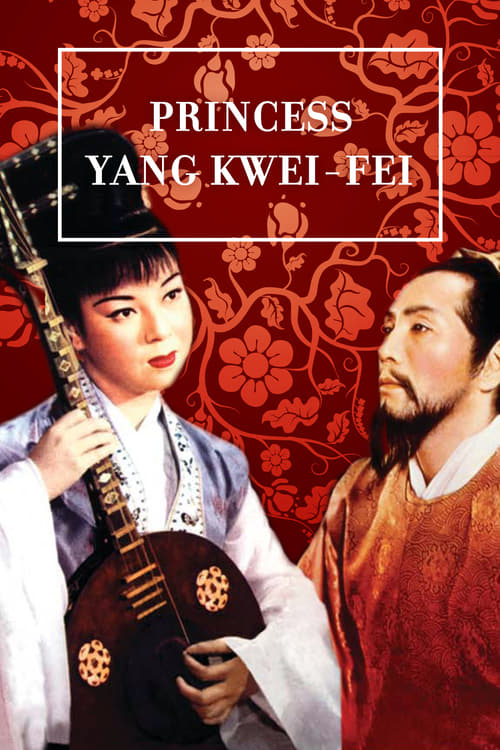
In 8th-century China, the Emperor grieves the death of his wife. The Yang family wants to provide the Emperor with a consort so that they may consolidate their court influence. General An Lushan finds a distant relative working in their kitchen, whom they groom to present to the Emperor. The Emperor falls in love and she becomes the Princess Yang Kwei-fei. The Yangs are then appointed important ministers, though An Lushan is not given the court position he covets.
Princess Yang Kwei-fei

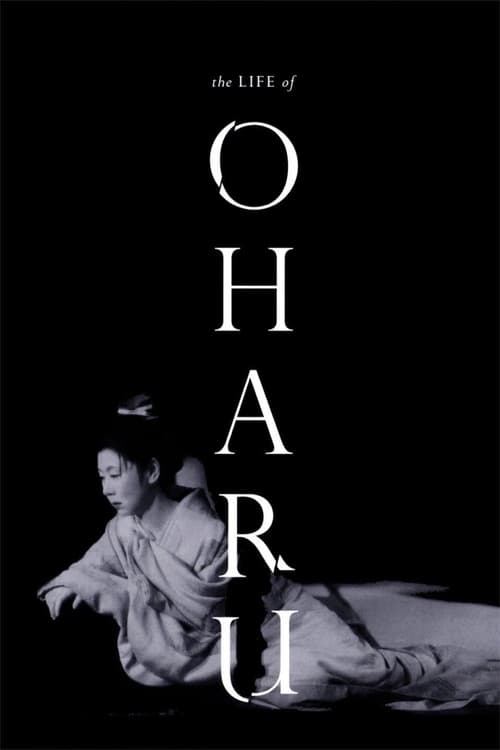
During the Edo Period, a noblewoman's banishment for her love affair with a lowly page signals the beginning of her inexorable fall.
The Life of Oharu

When the wife of a 17th-century Kyoto scrollmaker is falsely accused of having an affair with his best employee, the pair flee the city and find themselves truly falling for one another.
Chikamatsu Monogatari

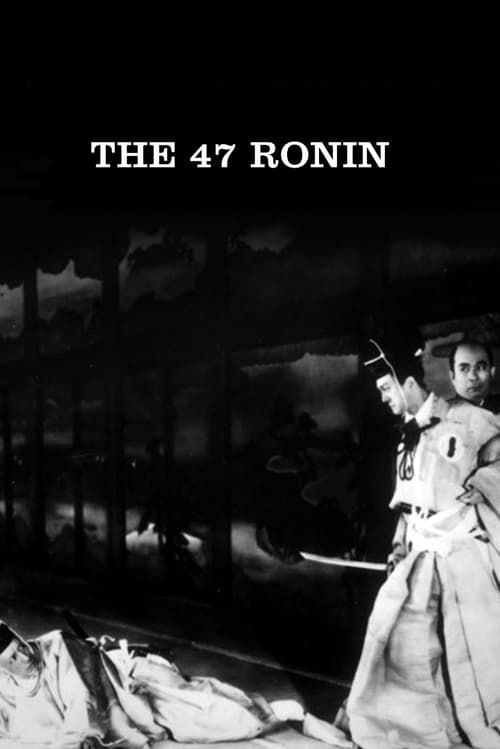
In the early 18th-century, Lord Takumi-no-kami Asano, feuding with Lord Kira, tries to kill his opponent in the corridors of the Shogun's palace. The Shogun sentences Asano to seppuku and deprives the palace and lands from his clan, but does not punish Kira. Asano's vassals leave the land and his samurais become ronin and want to seek revenge against the Lord's dishonour. But their leader Kuranosuke Oishi seeks to restore the Asano clan with his brother Daigaku Asano. One year later, the Shogun refuses, and Oishi and 46 rōnin are out for revenge.
The 47 Ronin

Follows five sex workers employed at a Japanese brothel while the nation debates the passage of an anti-prostitution law.
Street of Shame

In late 19th-century Tokyo, Kikunosuke Onoue, the adopted son of a legendary actor, himself an actor specializing in female roles, discovers that the praise he receives is only due to his status as his father's heir. Devastated, he turns to Otoku, a servant of his family, for comfort, and they fall in love. Kikunosuke becomes determined to leave home and develop as an actor on his own merits, and Otoku faithfully joins him.
The Story of the Last Chrysanthemum

Ayako becomes the mistress of her boss in order to pay her father's debt and prevent him from going to prison for embezzlement.
Osaka Elegy

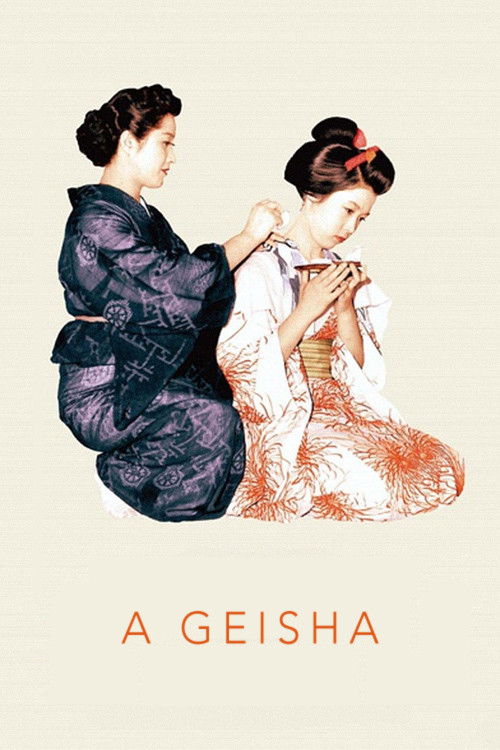
Fleeing a distressing family situation, Eiko, a very young girl, becomes an apprentice to Miyoharu, a veteran geisha. Both, determined to preserve their professional integrity, must face the selfishness and ambition of several petty people.
A Geisha

After living a traumatic experience in Tokyo, Yukiko returns to Kyoto, where Hatsuko, her mother, runs a brothel, which upsets Yukiko very much.
The Woman in the Rumor

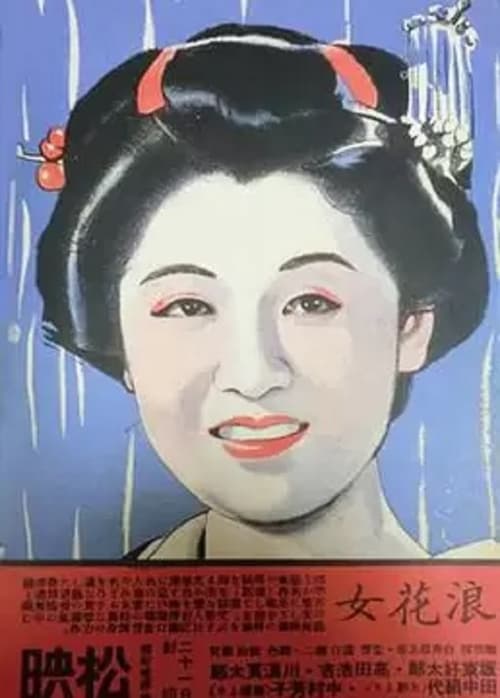
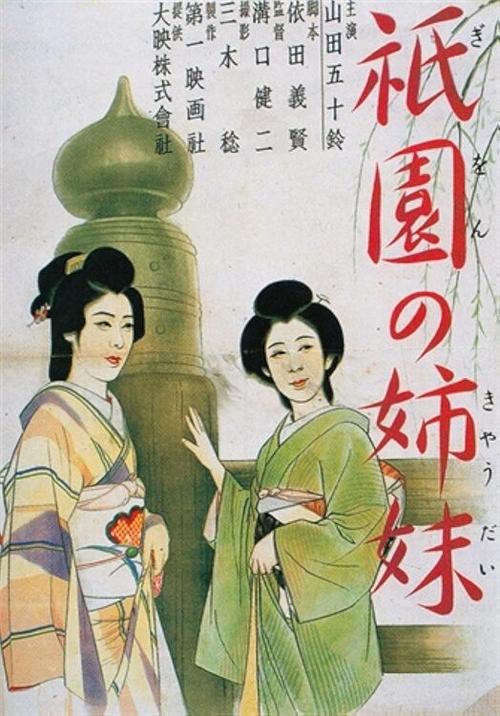
A geisha in the Gion district of Kyoto feels obliged to help her lover when he asks to stay with her after going bankrupt and leaving his wife. However, her younger sister opposes this, thinking that they should both find wealthy patrons to support them.
Sisters of the Gion

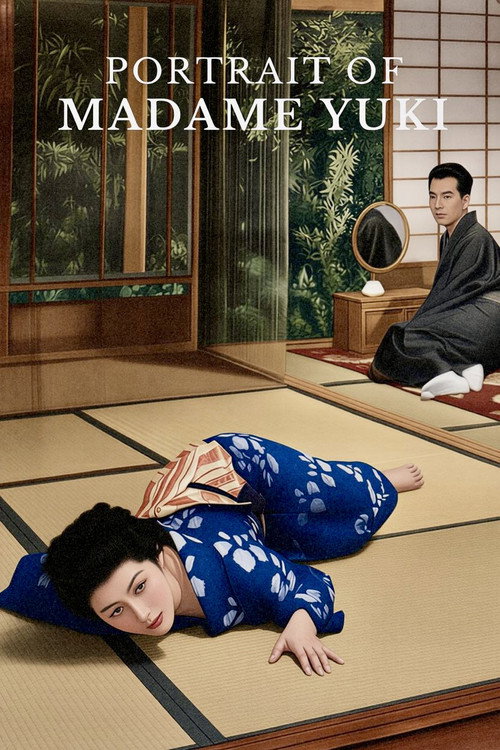
A young woman takes up her new job as the servant of a noblewoman and soon discovers that underneath her facade of luxury lies great unhappiness.
Portrait of Madame Yuki

In early post-war Osaka, three women—war widow Fusako, her Korean expat sister Natsuko, and Kumiko, Fusako's sister-in-law—descend into prostitution, all for their individual reasons.
Women of the Night

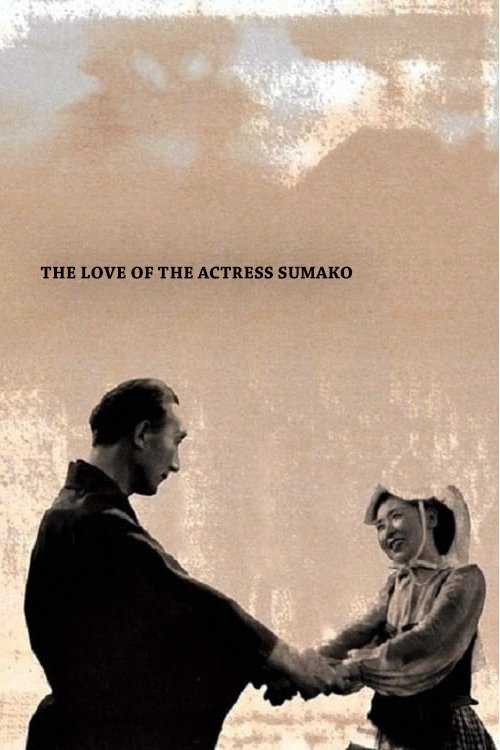
Stage director Shimamura, who is bringing western theatre to Japan, falls in love with outspoken actress Sumako Matsui, and leaves his family to be with her, while trying to keep his Art Theatre solvent.
The Love of the Actress Sumako

The tragic loves between a member of the Liberal Party, imprisoned following the Chichibu incident in November 1884, and an actress who resolves to prostitute herself to help him. Considered a lost film.
The Mountain Pass of Love and Hate

Japan, 1137. The Taira family, a samurai clan, becomes involved in the disputes between Emperor Toba and the monks of Mount Hiei.
Taira Clan Saga

A servant girl is seduced and abandoned by her lover, a man from a higher social class, forcing her to navigate a harsh world as an itinerant performer to survive and raise their child.
The Straits of Love and Hate

In post-war Japan, Michiko, a disillusioned young woman trapped in a loveless marriage, confides in her younger cousin, Tsutomo, and the two become close, but decide not to consummate their affair. He instead becomes involved with the flirtatious Tomiko, who is also conducting an affair with Michiko's husband. When Michiko finds that her husband has abandoned her, she decides to take her fate into her own hands.
The Lady of Musashino

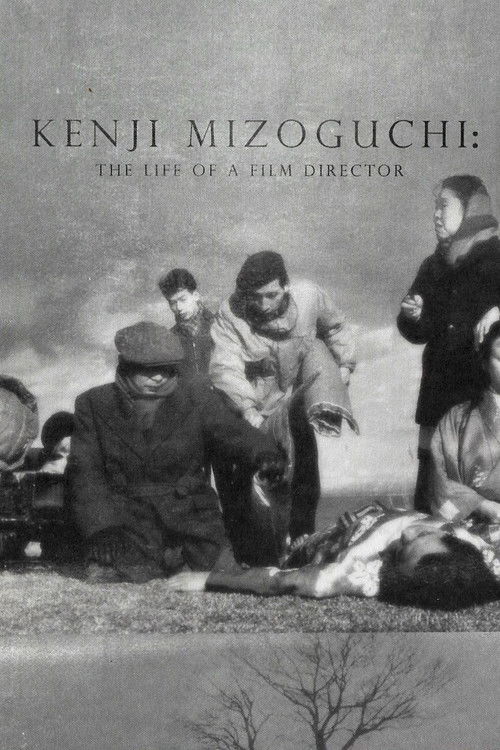
No description available.