Acting
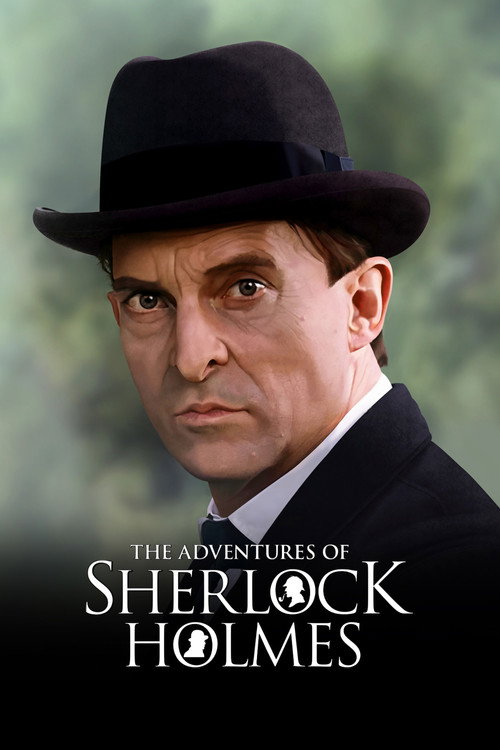
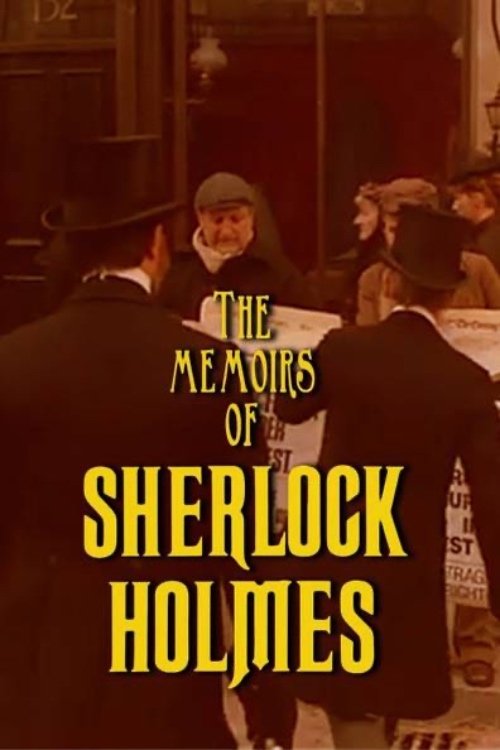
Sherlock Holmes uses his abilities to take on cases by private clients and those that the Scotland Yard are unable to solve, along with his friend Dr. Watson.
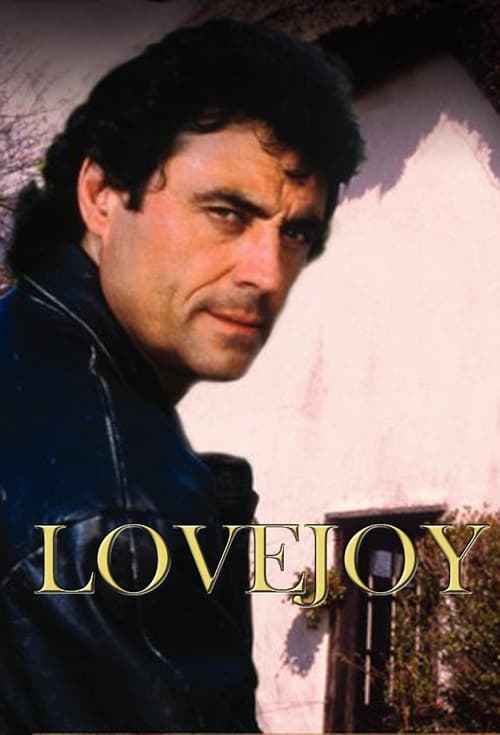
The adventures of the eponymous Lovejoy, a likeable but roguish antiques dealer based in East Anglia. Within the trade, he has a reputation as a “divvie”, a person with an almost supernatural powers for recognising exceptional items as well as distinguishing genuine antique from clever fakes or forgeries.
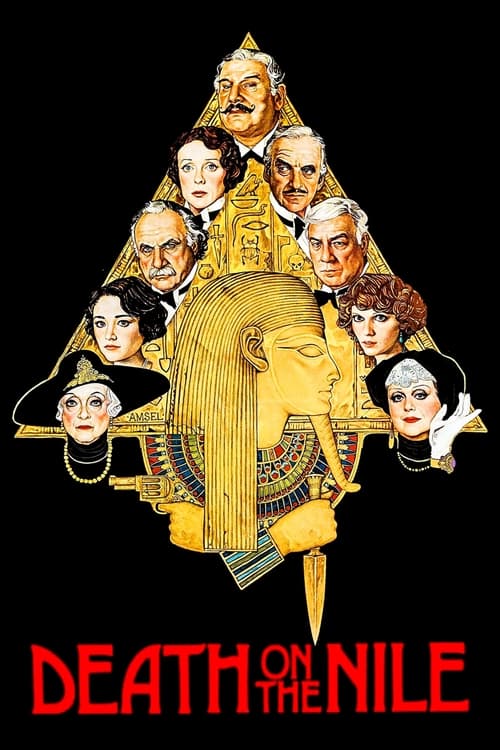
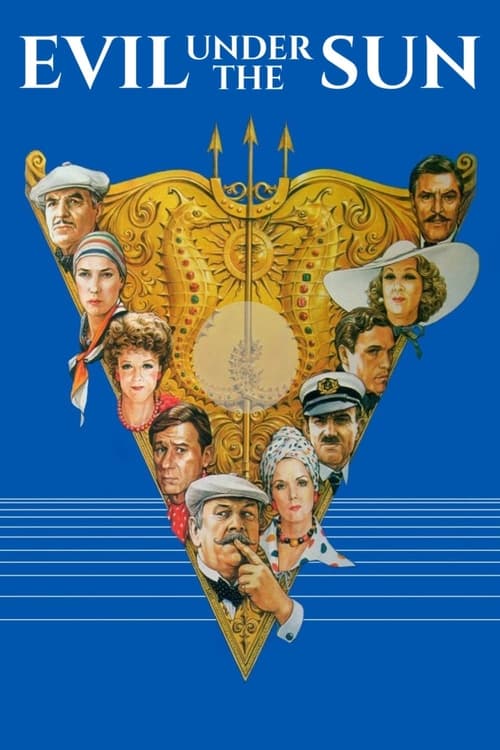
As Hercule Poirot enjoys a luxurious cruise down the Nile, a newlywed heiress is found murdered on board and every elegant passenger becomes a prime suspect.
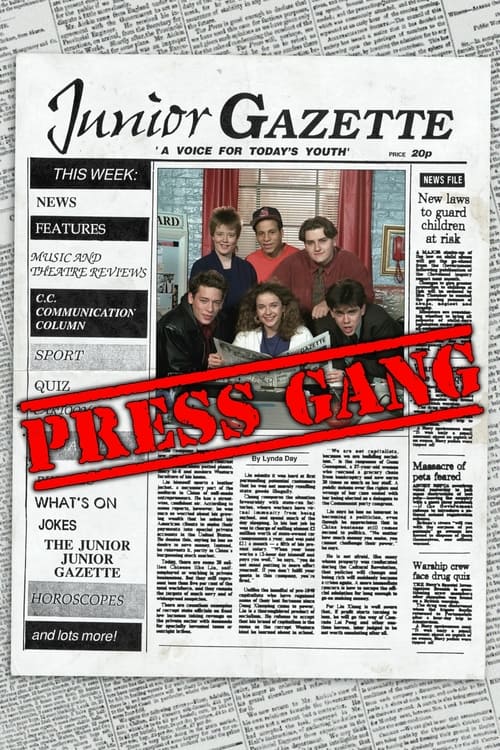
The activities of the staff at The Junior Gazette, a children's weekly newspaper produced by a group of school pupils.
Low-level bureaucrat Sam Lowry escapes the monotony of his day-to-day life through a recurring daydream of himself as a virtuous hero saving a beautiful damsel. Investigating a case that led to the wrongful arrest and eventual death of an innocent man instead of wanted terrorist Harry Tuttle, he meets the woman from his daydream, and in trying to help her gets caught in a web of mistaken identities, mindless bureaucracy and lies.
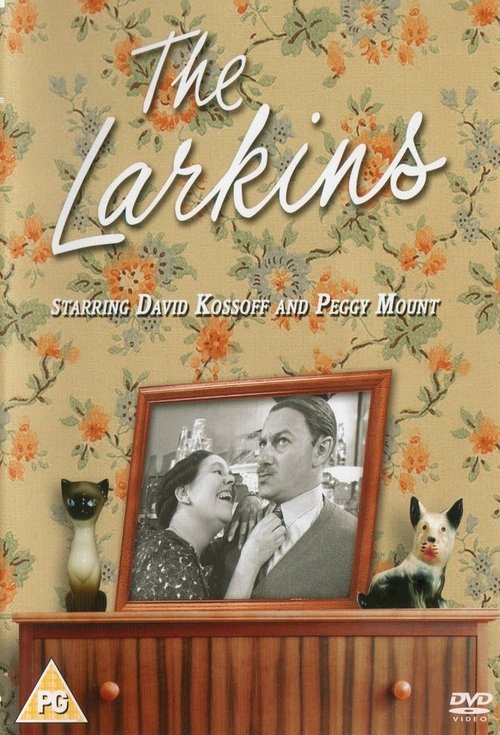
'The Larkins' is a British television sitcom which was produced by Associated Television and aired on ITV. It aired for four series between 1958 to 1960. An additional two series aired from 1963 to 1964.
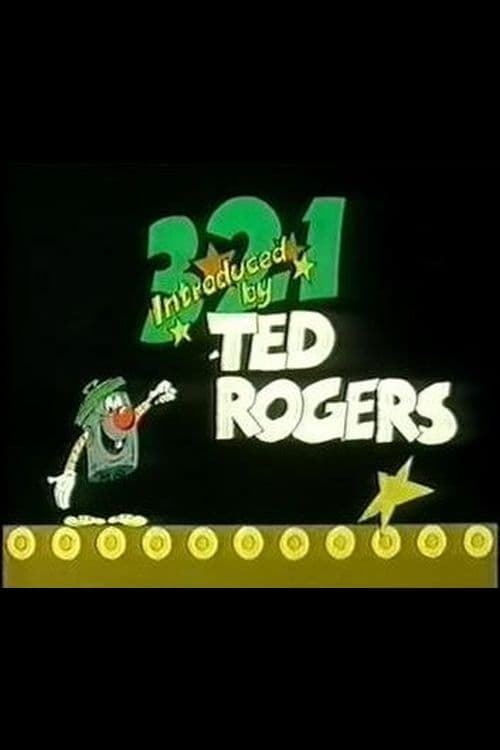
3–2–1 was a popular British game show that was made by Yorkshire Television for ITV. It ran for ten years, between 29 July 1978 and 24 December 1988, with former Butlins Redcoat Ted Rogers as the host. It was based on a Spanish gameshow called Un, dos, tres... responda otra vez and was three shows in one, a quiz show, a variety show and a game show. The show was a huge success consistently pulling in large ratings. The first series, though, intended as a summer filler, attracted up to 16.5 million viewers and subsequent years never failed to peak below 12 million. The show occupied a Saturday early evening slot for most of its run. The final Christmas special attracted 12.5 million viewers, so, it is to this day unclear why an eleventh series was not commissioned in 1989. Ted Rogers claimed in a 1996 interview that "The Oxbridge lot got control of TV and they didn't really want it. It was too downmarket for them. We were still getting 12 million viewers when they took it off after ten years. These days if a show gets nine million everyone does a lap of honour.".
A BBC television series of forty-five-minute excerpts from stage plays running in London.
In this thrilling final series starring Jeremy Brett as the famous 'consulting detective' Sherlock Holmes, six of Sir Arthur Conan Doyle's short stories are adapted: The Three Gables, The Dying Detective, The Golden Pince-Nez, The Red Circle, The Mazarin Stone, and The Cardboard Box.
An opulent beach resort provides a scenic background to this amusing whodunit as Poirot attempts to uncover the nefarious evildoer behind the strangling of a notorious stage star.
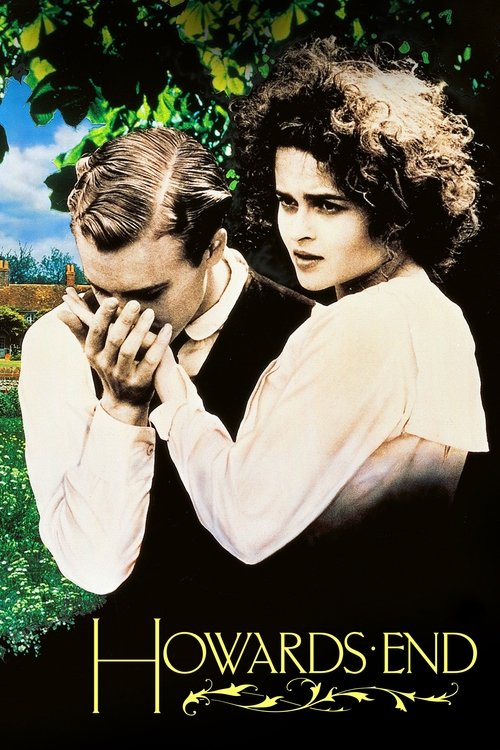
A saga of class relations and changing times in an Edwardian England on the brink of modernity, the film centers on liberal Margaret Schlegel, who, along with her sister Helen, becomes involved with two couples: wealthy, conservative industrialist Henry Wilcox and his wife Ruth, and the downwardly mobile working-class Leonard Bast and his mistress Jackie.
A completely lost early ITV sitcom with strong similarities to the popular radio series The Navy Lark. HMS Paradise is set at a Royal Navy station on an island off the Dorset coast where very little actual work takes place.
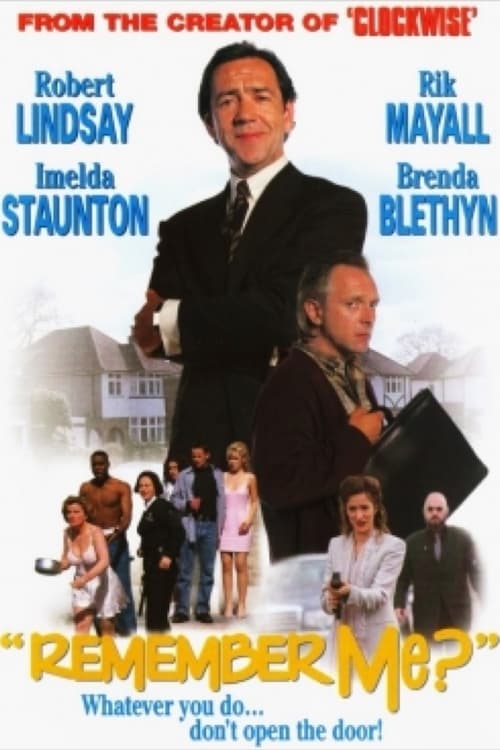
A domestic farce exposes the eccentricities of a "typical" middle class, suburban family who find their lives thrown into a crisis with the unexpected arrival of one of the wife's old flames.
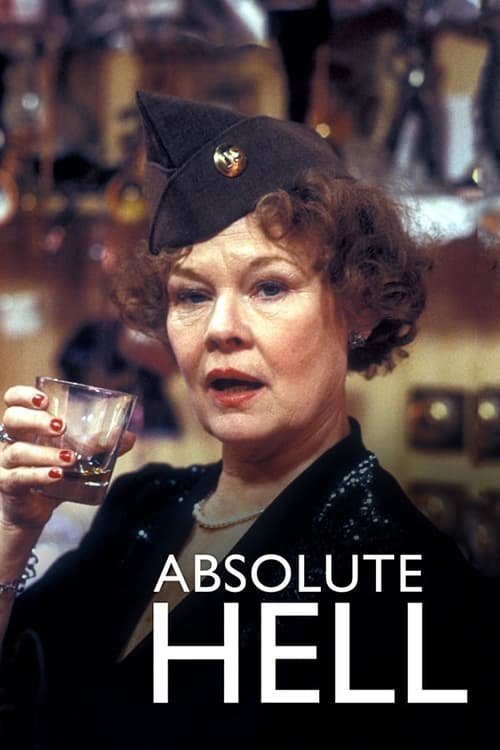
Black comedy set in Soho, London, right after World War II. Half of the fun is seeing a slew of very familiar faces kick up their heels as gay men, lesbians, party-girls, drunks, and drag queens. Originally aired as part of the anthology series "Performance."
Murder Most English: A Flaxborough Chronicle (often referred to simply as Murder Most English) is a seven-part British detective miniseries based on Colin Watson's Flaxborough novel series. While Martin Lisemore receives billing on all episodes, he died midway through filming, and was replaced by Bill Sellars, who refused credit. Flaxborough, near the sea, near the countryside, seems such a nice town, so quiet, so charming. But underneath its placid surface, all kinds of scandalous things go on.
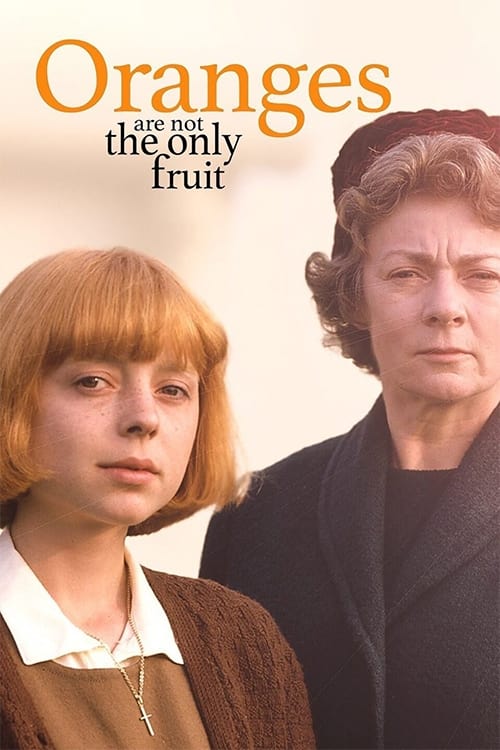
Seven-year-old Jess is removed from her peculiar Pentecostal home and sent to school.
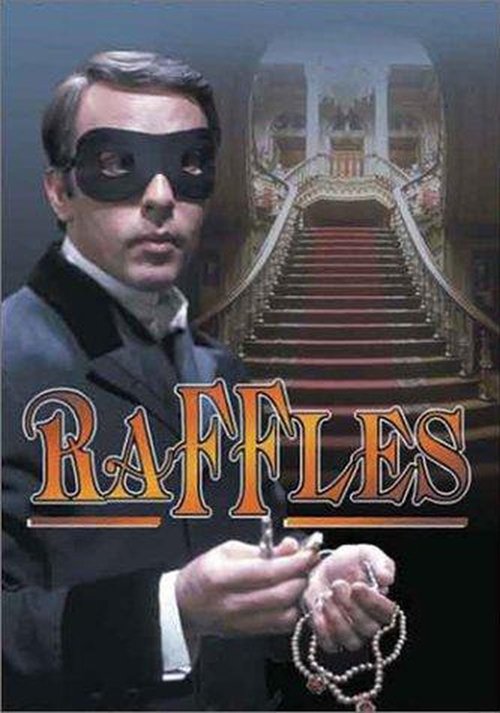
Raffles was a 1977 television adaptation of the A. J. Raffles stories by Ernest William Hornung. The series was produced by Yorkshire Television and written by Philip Mackie. The episodes were largely faithful adaptations of the stories in the books, though occasionally two stories would be merged to create one. In Victorian-era London, gentleman thief A. J. Raffles, a renowned cricketer, and his friend, the eager but naive Bunny Manders, test their skills in relieving the wealthy of their valuables whilst avoiding detection, especially from the persistent Inspector Mackenzie.
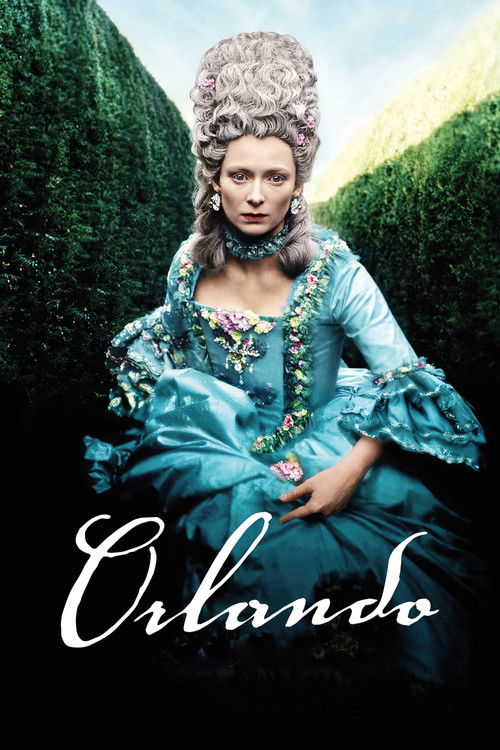
England, 1600. Queen Elizabeth I promises Orlando, a young nobleman obsessed with poetry, that she will grant him land and fortune if he agrees to satisfy a very particular request.
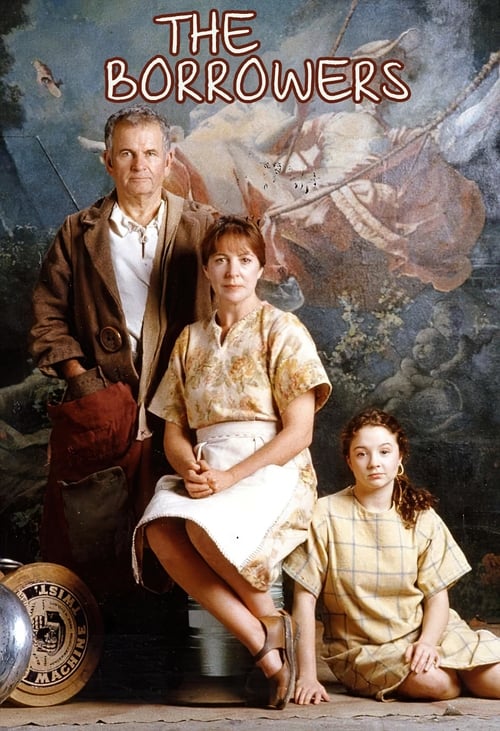
The Borrowers are small, 15cm high humans who live in the English hinterland. They live out their lives in mouse-hole sized nooks in human homes, and survive by 'borrowing' all they need from the house and its inhabitants. This series follows young girl Arriety, and her parents Pod and Homily, as they are displaced from their home and try to find a new home, with the help of a human boy, George.
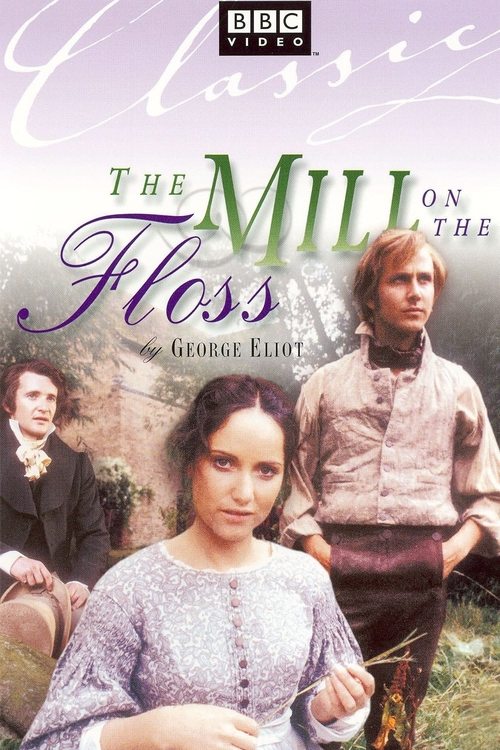
The Mill on the Floss is a British television drama adaptation of George Eliot's 1860 novel of the same name about the lives of rural 19th century siblings Maggie and Tom Tulliver.