Sound
Cristina is twenty years old. Her father was declared missing in action during the war in Angola many years before. One day in church the girl meets a man about fifty years old who tries various times, unsuccessfully, to make the sign of the cross. The man is called Cristovão. A few days later the two meet again. The man offers to help her look for her father. A relationship based on memories and confessions is formed between them. But soon they each return to their own solitude.
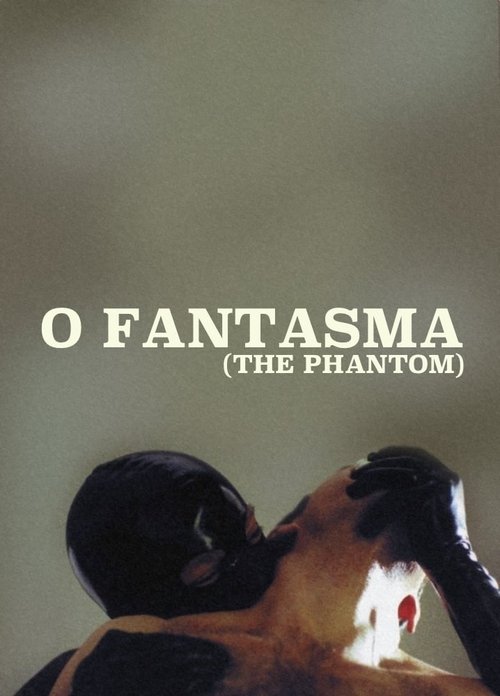
Sergio is a brooding, alienated man who works as a trash collector in Lisbon by day and roams the city streets by night seeking rough, anonymous sex with men. One night he meets a man who seems to be the embodiment of his tormented fantasies, and he becomes obsessed with the stranger until loneliness and unfulfilled desire propel him finally into a dark and dangerous animalistic state.
Woman packs up her things to go to an elderly care facility, and talks.
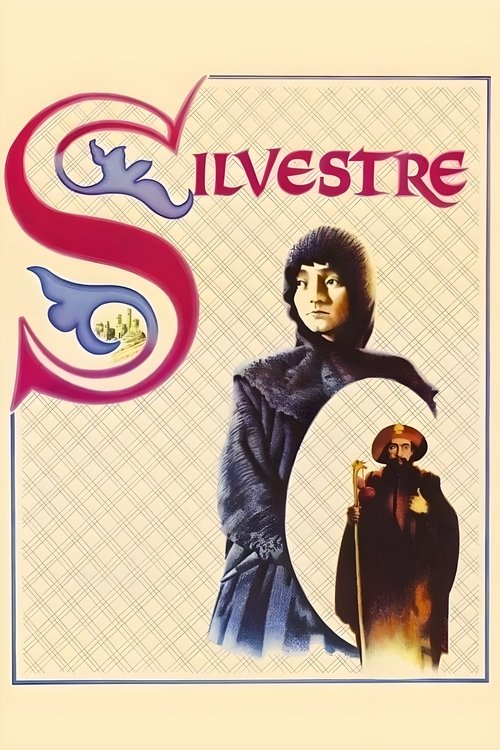
A bewitching combinatory adaptation of the Bluebeard tale and a 15th century Portuguese fable of a damsel who disguises herself as a knight errant.
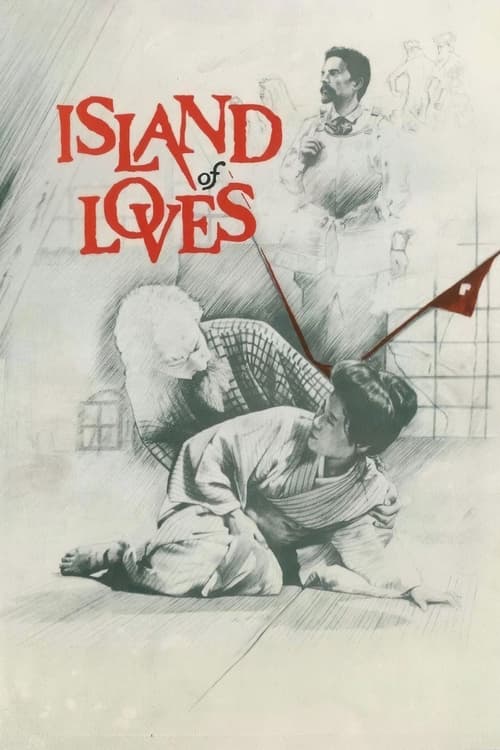
This film depicts the life of the 19th-century Portuguese writer Wenceslau De Moraes by means of nine ancient ballads from China. The writer married a Chinese woman after he left his wife and family to go live in Macao. Later, he moved to Japan where he fell in love with a Japanese woman, staying in Japan for the rest of his life. Mixed in with the career and loves of Moraes is the history of Portugal at home and in its colonies.
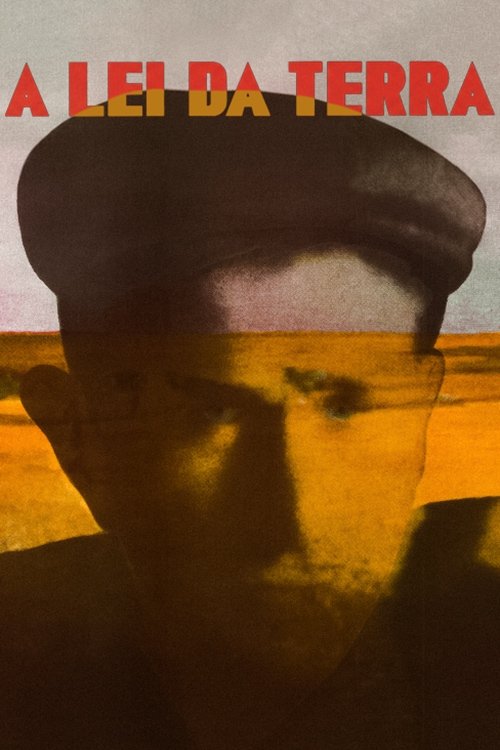
The agriculture reforming process, after the 1974 revolution, is seen through an analysis of the social structures and class struggles of the Portuguese society.
A documentary about a small touristic village in Algarve, Southern Portugal.
First collective film by the students of the inaugural class of the National Conservatory’s Film School, never completed. Starring Luís Lucas, the action takes place in a laundromat (Lavimpa self-service). Each scene is said to have been directed by a different student (among them Monique Rutler, Paola Porru, Jorge Loureiro, and Luís Grenha).
The city during the beginning of cinema. The typical city at the time of the dictatorship. The New Lisbon of the New Cinema. Lisbon after the Revolution. The white city of foreigners. A geographical and moviegoer screenplay of Lisbon through the images of films and testimonies of several filmmakers who filmed in Lisbon.
Set four years after the Portuguese revolution and the simultaneous loss of the Portuguese empire in Africa, the story concerns a director who sells guns to finance his play.
The film of a performance of a selection of cabaret comedy sketches by Karl Valentin, with Jorge Silva Melo as stage director. The show was a complete success and has become almost legendary. Solveig Nordlund shot it, adding some more sketches that weren’t included on the show.
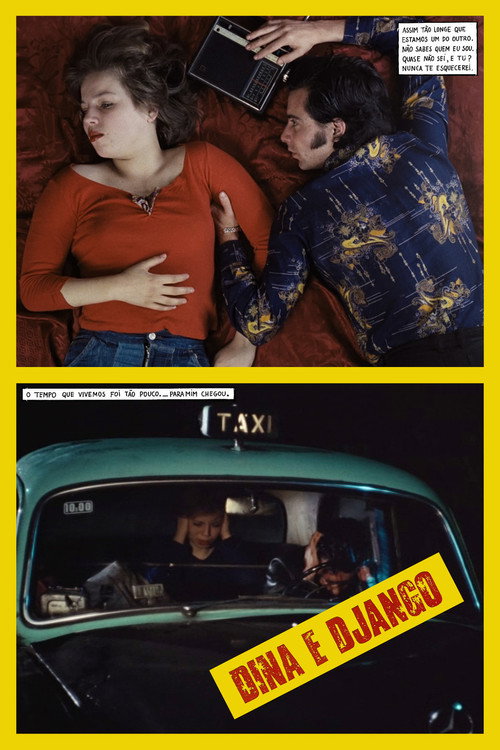
Dina (Maria Santiago) is a teenager brought up by her grandmother, employed as a housekeeper for a fairly well-off family. Since Dina only has her grandmother, she spends her time fantasizing about her life and reading comic-book love stories -- activities that do nothing to improve her dim perspective of reality. Due to these handicaps and her own inexperience, she gets involved with Django (Luis Lucas), a shady character who decides to use her as bait to attract men and then rob them. One day when both are in a taxi with robbery in mind, the driver gets suspicious so Django shoots him, and so does Dina. She escapes and runs away -- though it seems like she has learned too little too late. This story unfolds against a time of upheaval in Portugal (mid-1970s) when the military government is formulating a constitution and social changes are happening everywhere.
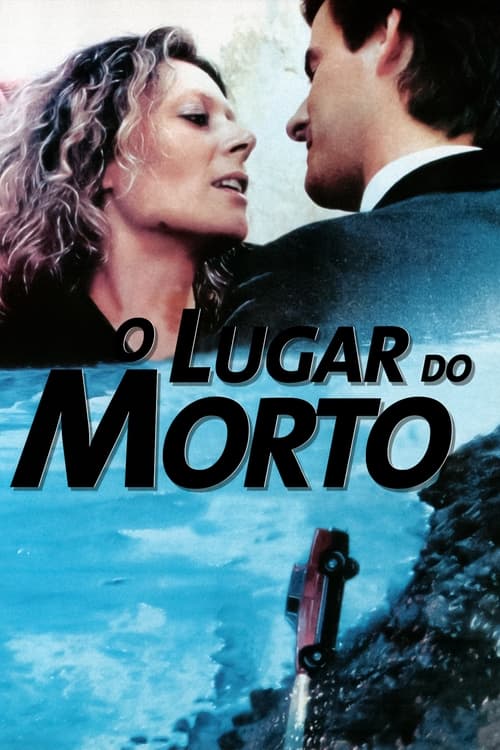
A newspaper reporter comes across a man and woman arguing on the beach, and after obligingly driving the woman around when she seeks him out, he takes her back to discover that the man has been murdered. The woman takes off, but the reporter, after many twists and turns, runs into her on a train. They start a relationship, but he had better pay closer attention to how he got to know her in the first place.
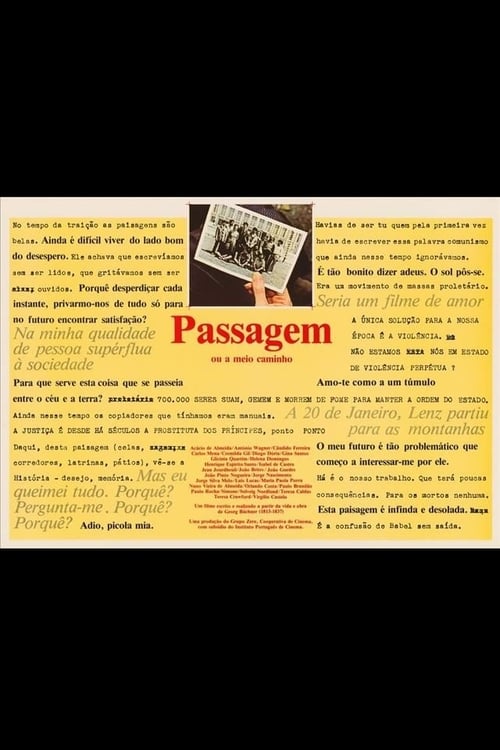
Ambulatory history, freely inspired by Georg Büchner's biography (1813-37) and the reasons that led him first to political intervention and then to strict isolation. With students of unidentified present time (1968? 1970?), the themes developed, in Büchner, are triggered by the publication of "The Messenger of Hesse", a pamphlet addressed to the peasants, urging them to revolt. Their misunderstanding, as well as the repression of the young revolutionaries, leads Büchner to a particularly skeptical and painful attitude...
A woman arrives home, apparently coming from her job, and sets out about house chores and placing every object around her with extreme care. The only company she has is the radio, tuned to a station of popular music hits that the audience can ask for by telephone. There is a single hint that she may have breast cancer. Then, she sets the table for a large dinner - for one - including a champagne bottle. She commits suicide by pills overdose, before she utters a word.
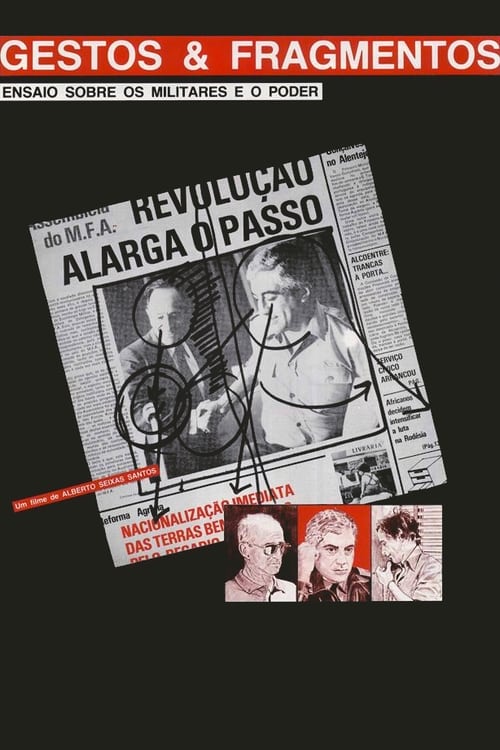
"Essay on the Military and the Power", a phrase that also belongs to the title of "Gestures & Fragments", sums up the spirit of the film, based on three points of view on the same theme: Otelo Saraiva de Carvalho and Eduardo Lourenço, in their own roles, and the one played by Robert Kramer, as an American journalist bent on seeking explanations for the process of the Portuguese Revolution.
A woman translates the front page of H.P. Lovecraft's book “The Silver Key”. Her husband, a journalist, listens. The book describes the conflicts between the real and the imaginary, and tells how Randolph Carter, the film's character, leaves everyday life in search of his childhood dreams.
A train trip with a mother and her son, to whom she speaks.
A short film.