Directing
No description available.
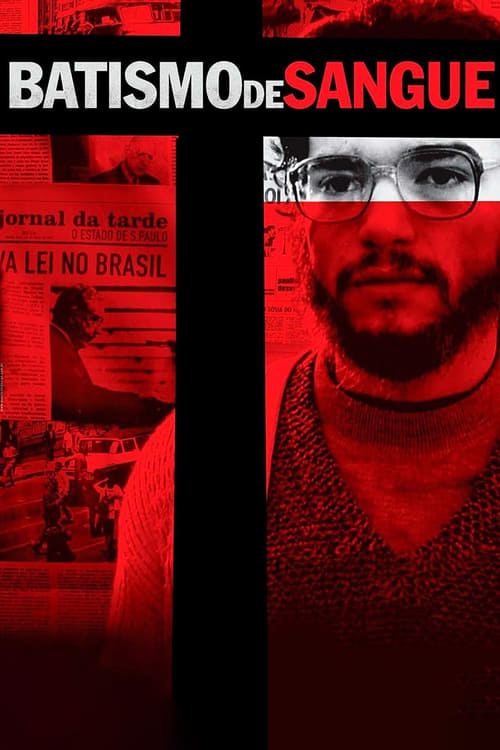
In São Paulo, in the late 1960s, the convent of the Dominican friars became a trench of resistance to the military dictatorship that governs Brazil. Moved by Christian ideals, frets Betto, Oswaldo, Fernando, Ivo and Tito came to support the guerrilla group Ação Libertadora Nacional, commanded by Carlos Marighella.
An ironic portrayal of the days of the U.S. blockade of Panama, set during the dictatorship of Manuel Antonio Noriega, just months before the country was invaded by U.S. troops.
Ceará, 1889. Father Cícero Romão Batista ministers to the faithful in the parish of Juazeiro do Norte. Among them is Maria de Araújo, a simple and religious woman who, on receiving communion from the hands of father Cícero, transforms it into blood.
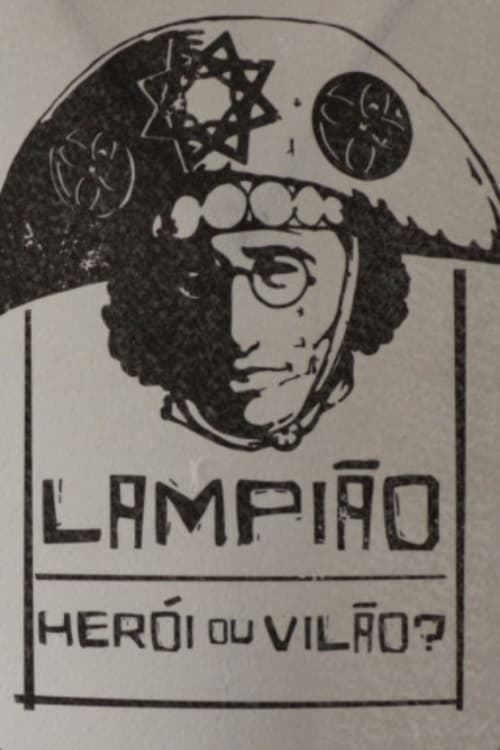
The trajectory of Virgulino Ferreira da Silva, better known as Lampião, his cultural legacy and the myths and controversies that surround him.
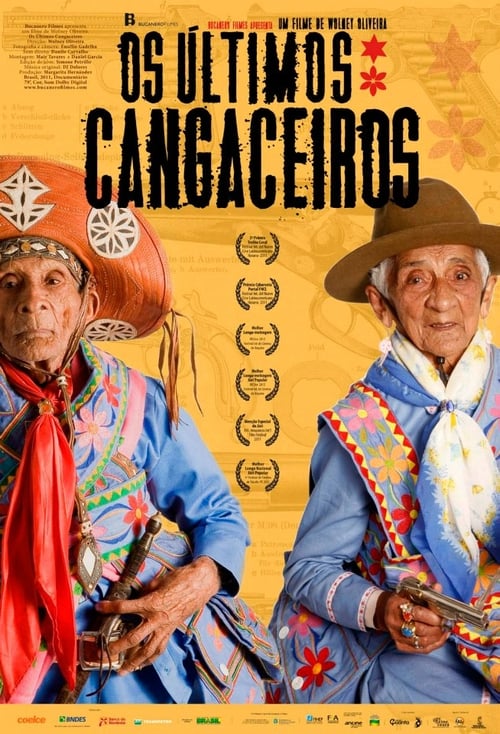
For more than 50 years, Durvinha and Moreno hid their real identity even to their own children, who grew up thinking their parents' names were Jovina Maria and Jose Antonio Souto. They had belonged to the gang of the most famous Brazilian bandit's leader. The truth was revealed when Moreno, at the age of 95, decided to share the weight of memories with his children and meet alive relatives, including his first child. The 'cangaceirismo' was a form of 'social banditry' born in northeastern Brazil in the early XX century in a scenario of extreme poverty, violence and anarchy.
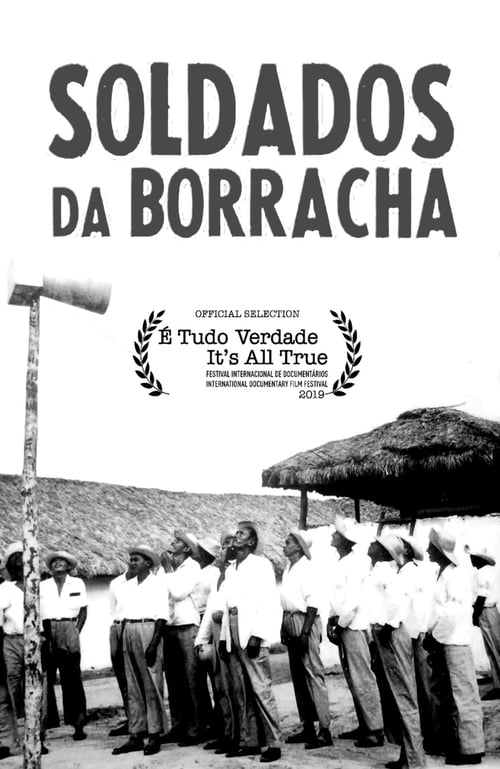
During the Second World War, a cooperation agreement between the Brazilian and US governments led to the transportation of around 60,000 men from the Northeast of Brazil to the Amazon Region to work on the extraction of latex destined for the American arms industry. Half of these men died before they could return home and many others are still awaiting recognition as "national heroes" and the pensions equal to those of servicemen they had been promised.
Cuba, 1958. Rodolfo is 20 years old and dreams of becoming a movie director. His father is a persecuted member of the revolutionary movement and the family is obliged to flee Havana, taking refuge in a boring village.
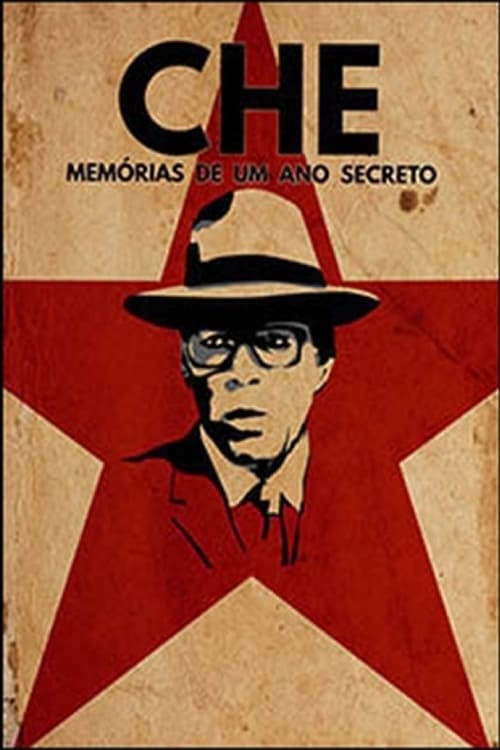
In December 1965, at the height of the Cold War, Che Guevara mysteriously disappeared. Using a false identity, he is escorted by former agents of the Cuban Intelligence Service who are now revealing unprecedented details of the operation.