Directing
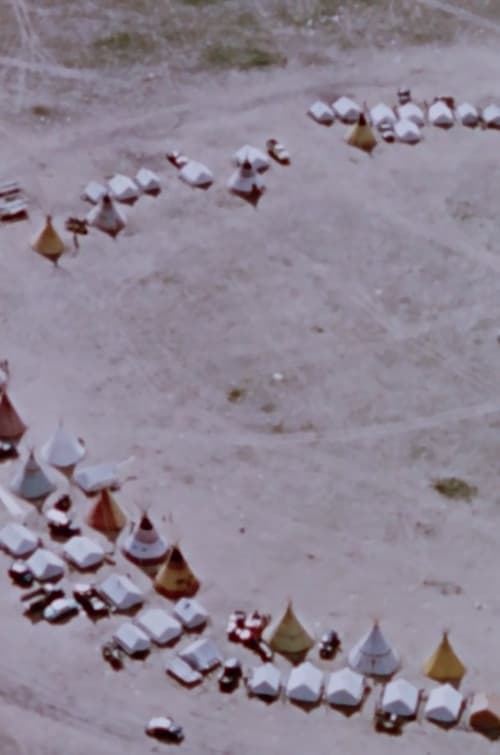
On the Kainai (Blood) First Nations Reserve, near Cardston, Alberta, a hopeful new development in Indigenous enterprise. Once rulers of the western plains, the Bloods live on a 1 300-square-kilometer reserve. Many have lacked gainful employment and now pin their hopes on a pre-fab factory they have built. Will the production line and work and wages fit into their cultural pattern of life? The film shows how it is working and what the owners themselves say about their venture.
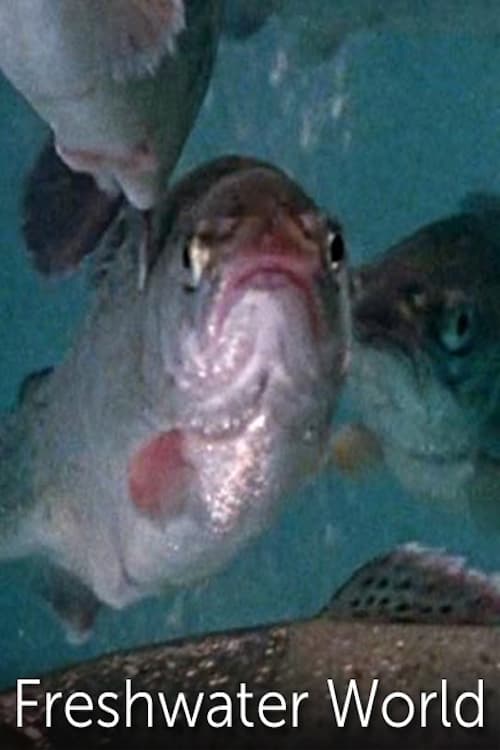
This documentary explores a variety of projects undertaken by scientists at Environment Canada's Freshwater Institute in Winnipeg to study the processes that pollute or disrupt clean and balanced freshwater environments.
A boy's carved boat travels through the Canadian wilderness until it reaches the ocean.
This short film is a re-enactment of the critical year in Dr. Frederick Banting's life when he discovered insulin for the treatment of diabetes at the University of Toronto. It depicts the odds against which he and his assistant, Charles Best, worked; the scepticism of other doctors and the final victory that gave thousands of diabetics hope for a healthier life.
This short puppet animation from the fifties tells the story of Magic Bow, a First Nations boy endowed with magic gifts. Magic Bow is in the big city for the first time, thrilling audiences with his tricks at the Wild West Rodeo. Outside the arena, cars, trucks and buses zip by at dizzying speeds. With the help of some savvy city dwellers, Magic Bow learns a few important traffic rules to help him navigate the streets safely.
This short documentary profiles a community engaged in developing sustainable living methods, including food production and small-scale solar and wind technology, on a farm in Massachusetts in the 1970s. Well before sustainability was a mainstream concern, these prescient innovators attempted to create a vision of a greener, kinder world. "Think small," say the New Alchemists. "Look what thinking big has done."
No description available.
Abnormal shyness in children, its causes and treatment, is discussed in this film. Profiled are three shy children and the confidence-destroying demands of parents that made them that way. Together, teacher, psychiatrist and parents bring about changes.
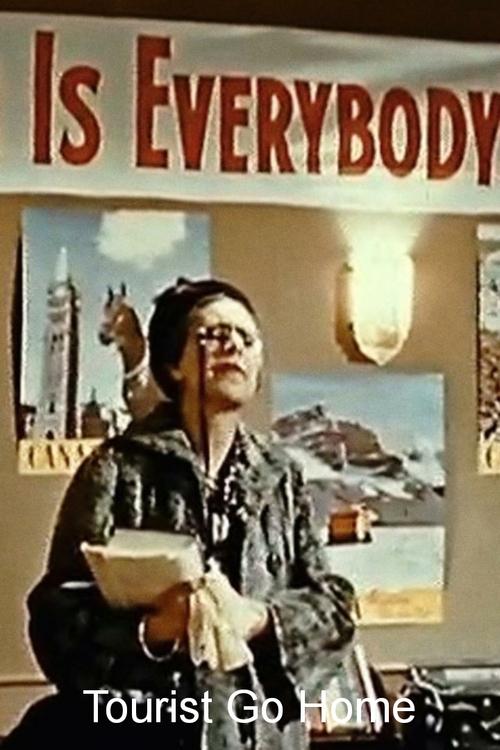
This short film is a humorous look at the tourist industry in Canada. In tongue-in-cheek fashion, it points out the importance of good public relations in the tourist industry - more specifically, what not to do to tourists. (Sourced from the National Film Board of Canada: https://www.nfb.ca/film/tourist_go_home)
This short documentary depicts Christmastime in Montreal. The milling crowds, department store Santas, Brink's messengers, kindergarten angels and boisterous nightclubs all combine to make a vivid portrait of the holidays.
American scientist Dr. Frank Smith is brought to Britain to help the C.I.A. There is a defecting East block scientist they want him to debrief. The commies are less than amused and set Dr. Smith up for a murder.
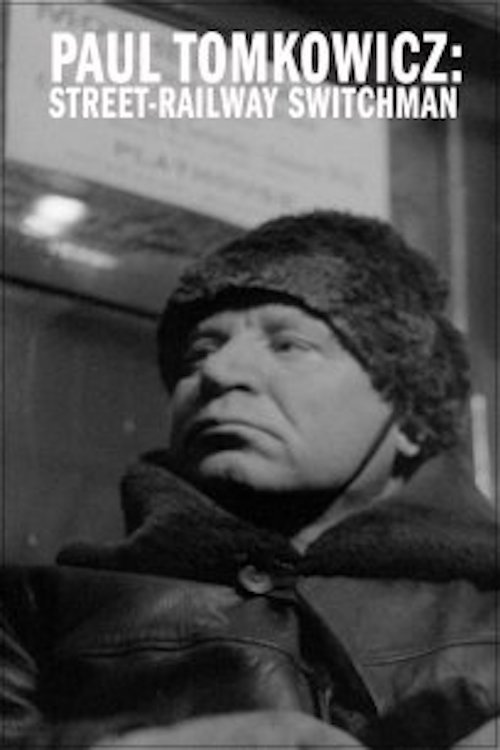
A self-narrated portrait of a Polish immigrant in Winnipeg whose unglamorous job keeping streetcar switches working reveals dignity, resilience, and pride in everyday labor.
Based on a short story by Sinclair Ross, this short film recalls rural life on the Prairies in the 1930s. In the film a farmer's young son, sent to town to hire a man for the harvest, readily accepts when an itinerant trumpet player, down on his luck, begs a chance. He is hardly the kind of man the boy's father had in mind, but that night his trumpet speaks from the shadows and everyone pauses to listen.
A child spends two weeks in a summer camp at Muskoka, Ontario. This short film presents a delightful portrait of a young boy's sojourn at summer camp. In idyllic mid-century fashion, two weeks at a Muskoka summer camp are presented as a welcome respite from the congestion of an urban area. From the preliminary scramble for the upper bunk in the cabin to exploring in the woods, cooking food over a fire, and—most exciting of all—passing the beginner's swimming test, Roger's camp adventures are full of joy, camaraderie, and learning.
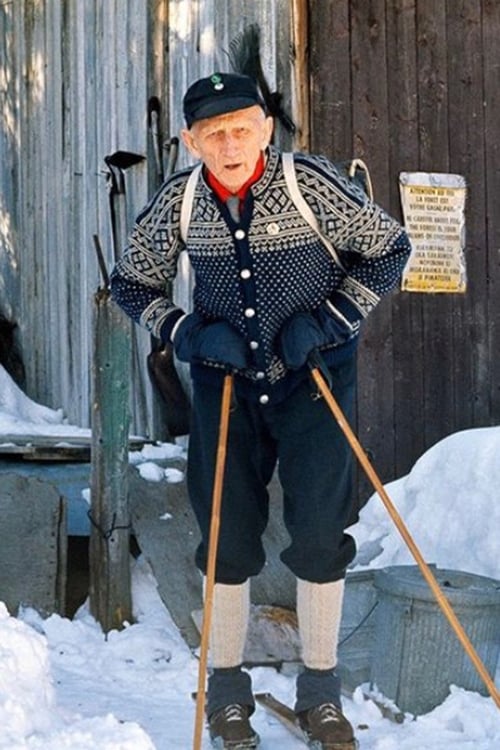
This short film retraces the life of Herman Smith Johannsen – the man who introduced the sport of cross-country skiing to Canadians. From past to present, his life story is portrayed through pictures from sports newsreels, Norwegian archives and his family album. The film catches up with him at both the Canadian Ski Marathon, where he is the honoured guest, and on a return trip to his native Norway.
The first of two coproductions by the British Broadcasting Corporation and the National Film Board of Canada, People of the Seal, Part 1: Eskimo Summer is compiled from some of the most vivid footage ever filmed of the life of the Netsilik Inuit in the Kugaaruk region (formerly Pelly Bay) of the Canadian Arctic. The original films of the Netsilik series attempted to recreate the traditional lifestyle of Netsilingmiut living there. They show the incredible resourcefulness of the Netsilik (People of the Seal) who have adapted to one of the world's harshest environments. Part 1: Eskimo Summer shows how Inuit families prepare for winter by hunting seal, birds and caribou and by fishing for Arctic Char during the extended hours of daylight.
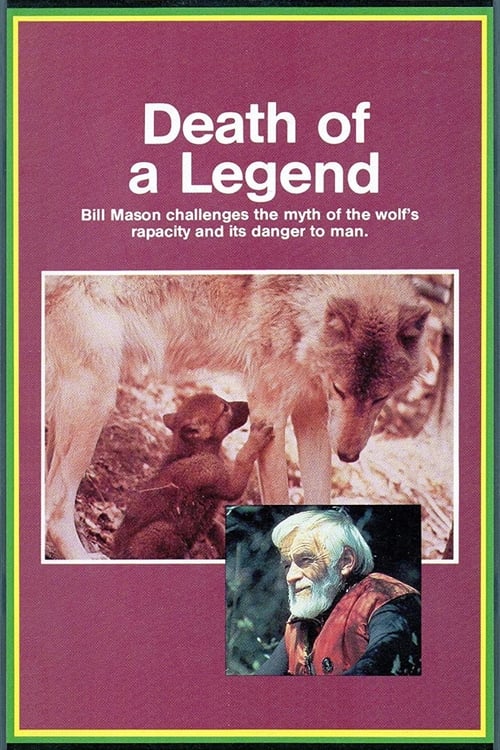
This documentary film is about wolves and the negative myths surrounding the animal. Exceptional footage portrays the wolf's life cycle and the social organization of the pack, as well as film of caribou, moose, deer and buffalo.
A portrait of Hamilton, the Pittsburgh or Birmingham of Canada. This is a rich and colourful subject that encourages imaginative treatment on the screen. The heart of the city is the immense complex of furnaces and rolling mills, but nearby are the lake, the mountain, and the rich fruit farms. How the work of the steel mills touches the city and its surroundings is shown in many views during both day and night.
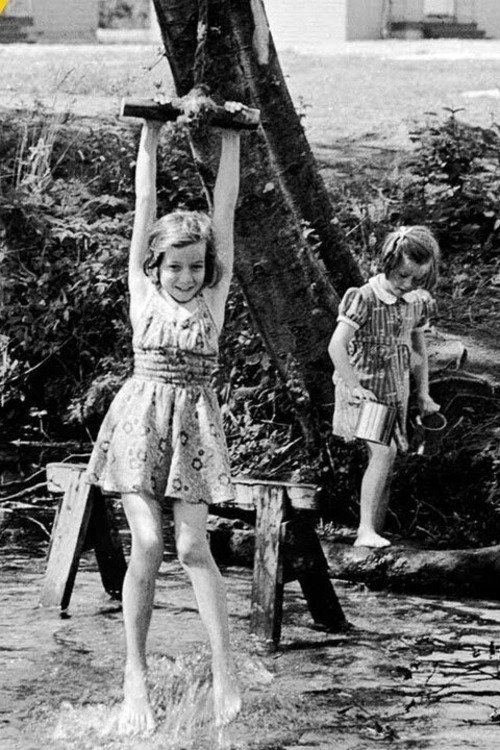
An attempt to recapture the magic of childhood as the cameras follow children at play.
The amazing success story of the Laser, a thirteen-foot sailboat built by Ian Bruce of Pointe Claire, Québec, and of Performance Sailcraft, the company he formed to produce and market it. Simply designed, durably built of fiberglass, it is a pleasure craft that has brought summer sailing within everyone's reach on coastal and inland waters around the world.