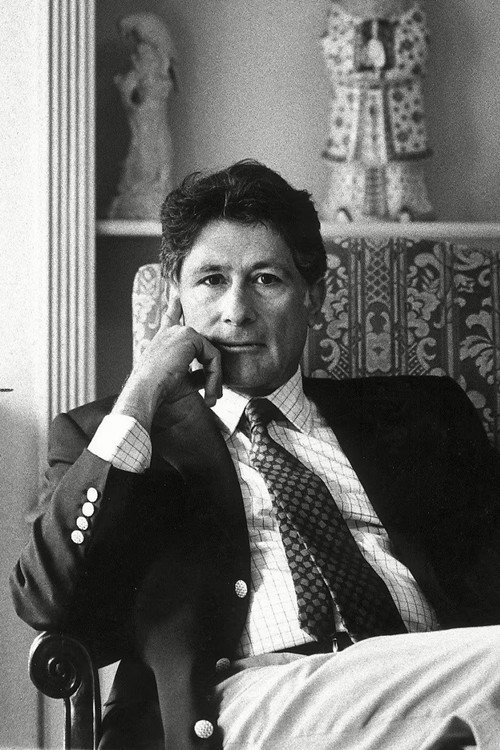
Edward Said
Acting
Known For

In-depth interviews with hard-hitting questions and sensitive topics being covered as famous personalities from all walks of life talk about the highs and lows in their lives.
HARDtalk

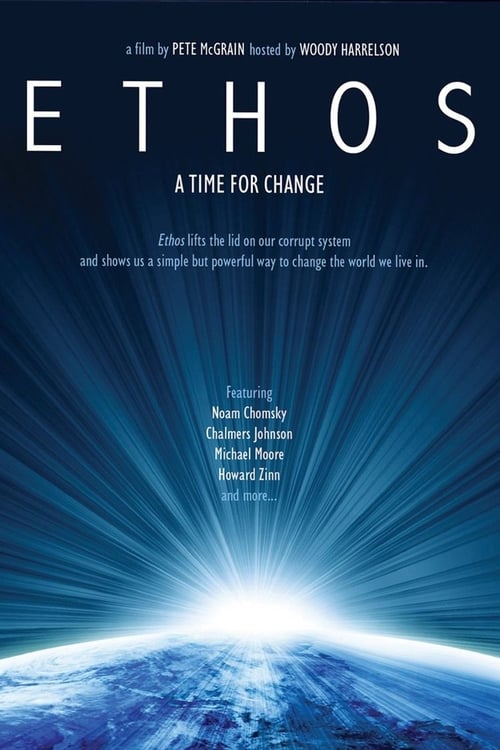
Hosted by twice Oscar nominated actor and activist Woody Harrelson, Ethos lifts the lid on a Pandora's box of systemic issues that guarantee failure in almost every aspect of our lives; from the environment to democracy and our own personal liberty: From terrifying conflicts of interests in politics to unregulated corporate power, to a media in the hands of massive conglomerates, and a military industrial complex that virtually owns our representatives. With interviews from some of todays leading thinkers and source material from the finest documentary film makers of our times Ethos examines and unravels these complex relationships, and offers a solution, a simple but powerful way for you to change this system!
Ethos

A series featuring six major artists and writers who live and work in exile.
Exiles

A series of ten one-hour documentaries which explores Arab history, culture and society from within through the lives and opinions of Arabs today.
The Arabs: A Living History
In 1986, Edward Said and Salman Rushdie sat down to talk at the ICA. Professor Said launched his book “After the Last Sky: Palestinian Lives” at the ICA and discussed his and the collective Palestinian identity, exile, return and the right to return.
Writers in Conversation: Edward Said with Salman Rushdie

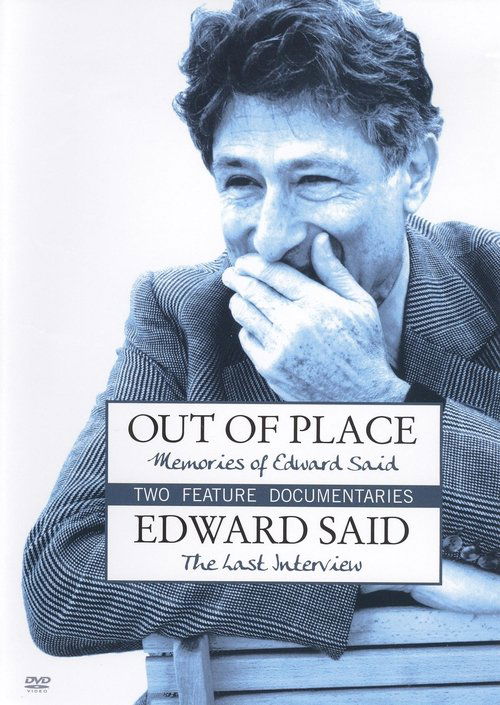
Documentary filmmaker Makoto Sato offers this reflection on the life and career of Edward Said, the deeply influential literary and cultural critic, Columbia University academic, and outspoken advocate for displaced Palestinians, of whom he was one. Exploring the landscapes of Said's childhood and how they influenced his philosophy, this film features rare footage of Said and interviews with many of his colleagues, including Noam Chomsky.
Out of Place: Memories of Edward Said

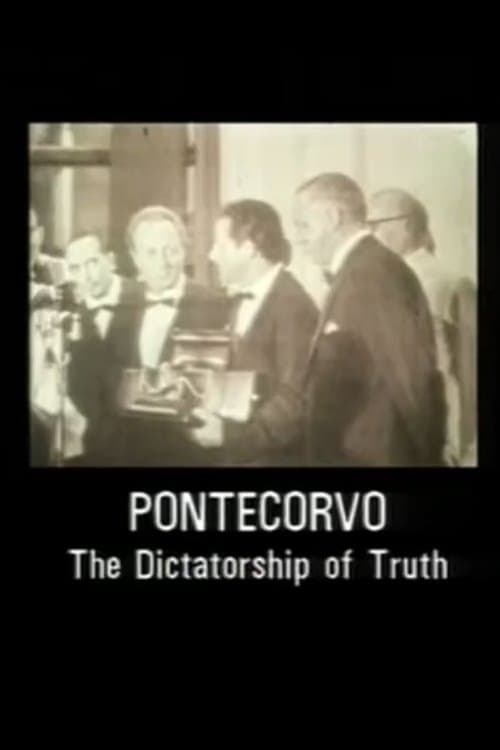
Presented by the late literary critic Edward Said, this thirty-seven minute 1992 documentary reflects on director Gillo Pontecorvo's youth and politics in an attempt to understand his approach to filmmaking.
Pontecorvo: The Dictatorship of Truth

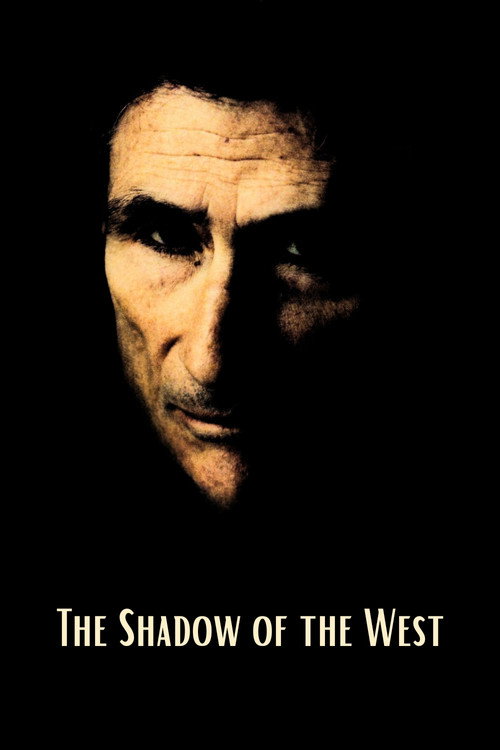
Edward Said, Professor of English & Comparative Literature at Columbia University, was one of the most prominent literary critics of the late 20th century and a leading spokesperson for the Palestinian cause in the US. In this episode, Said examines Western attitudes to the Arabs and finds their origins in the Crusades, Hollywood and European empire building. He sees the Palestinian fate as the result of years of Western interference. One of the ten episodes of The Arabs: A Living History.
The Shadow of the West

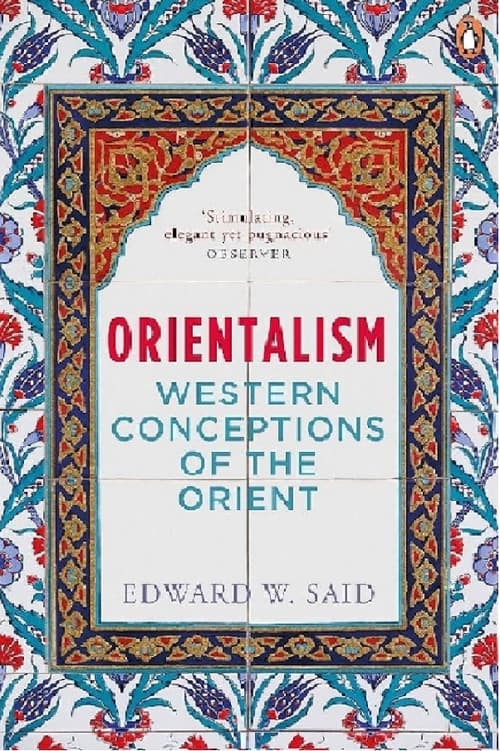
Edward Said's book Orientalism has been profoundly influential in a diverse range of disciplines since its publication in 1978. In this engaging and lavishly illustrated interview he talks about the context within which the book was conceived, its main themes, and how its original thesis relates to the contemporary understanding of "the Orient" as represented in the mass media. "That's the power of the discourse of Orientalism. If you're thinking about people and Islam, and about that part of the world, those are the words you constantly have to use. To think past it, to go beyond it, not to use it, is virtually impossible, because there is no knowledge that isn't codified in this way about that part of the world." -Edward Said
Edward Said On Orientalism: "The Orient" Represented in Mass Media

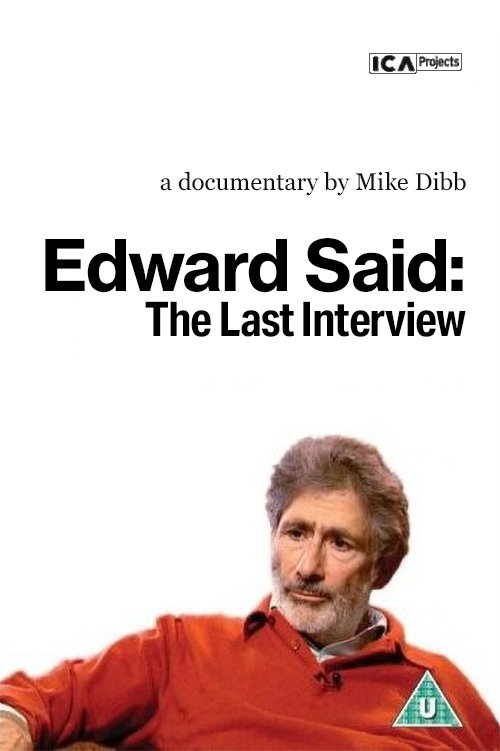
Edward Said, Professor of English & Comparative Literature at Columbia University, was a prominent literary critic of the late 20th century and a leading spokesperson for the Palestinian cause in the US. Born to a Palestinian family in Al-Quds (Jerusalem) in 1935, he and his family were dispossessed in 1948 and settled in Cairo. Educated in the US, he lived in New York for many years. Said was a member of the Palestine National Council. After resigning from the PNC in 1991, Said wrote critically about the post-Oslo peace process, the political failures of Yasser Arafat and the PLO. Said was diagnosed with leukemia in 1991 and struggled with the disease while continuing to write and teach. He stopped giving interviews but made an exception less than a year before his death in 2003, speaking about his illness, work, Palestine, politics, life, and education. The last interview is the final testament of this passionately committed intellectual.
Edward Said: The Last Interview

A look at the life and career of the influential post-colonial writer and champion of the Palestinian cause in the West, through interviews with his immediate family and closest friends.
Edward Said: Out of Place

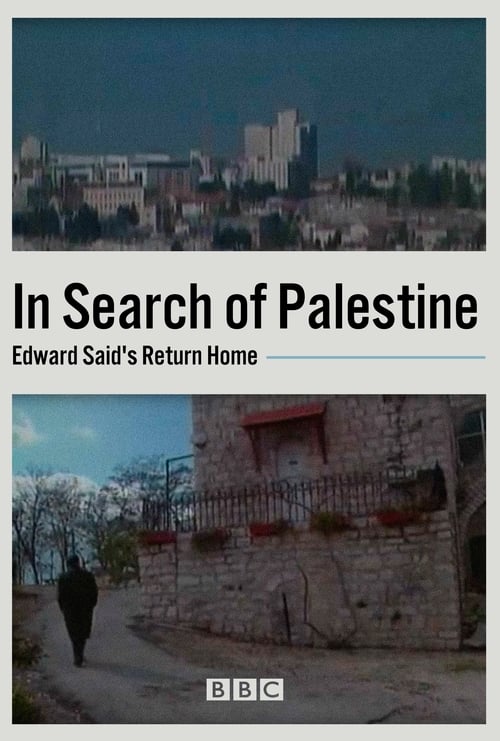
For Palestinian expatriate Edward Said, the return to his homeland amounted to a painful inquiry into his past. This program captures the interconnection between Said's personal recollections and the shared memory of the Palestinian people. Far from ignoring the contemporary realities of the Middle East, Said's perspective relates the ruins of history to the complacent and destructive policies of present-day governments, and delivers a powerful articulation of the weaknesses of the Oslo accords. His intellectual legacy provides valuable insight into the circumstances of the second intifada, as well as the faint steps toward peace that have followed. A BBCW Production.
In Search of Palestine: Edward Said's Return Home
No description available.
Echoing Voices: From the Words of Edward W. Said

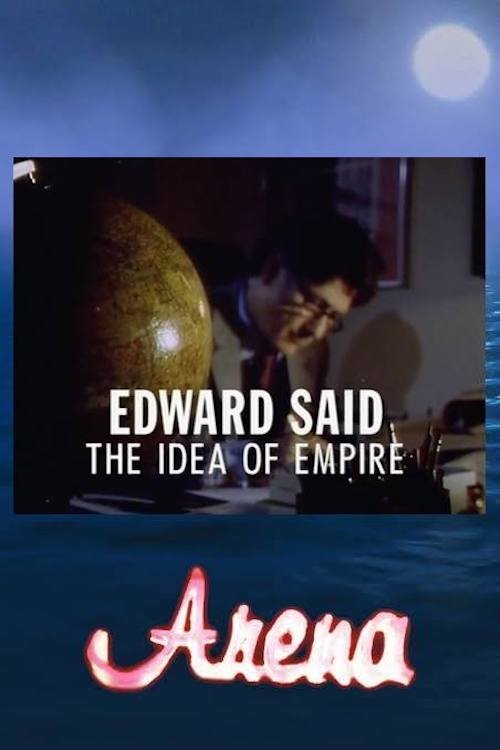
Edward Said, a Palestinan writer, academic and exile, talks about his book "Culture and Imperialism" and explains how the attitudes forged over the last 200 years continue to enforce the relationship between the west and the developing world.
Edward Said: The Idea of Empire

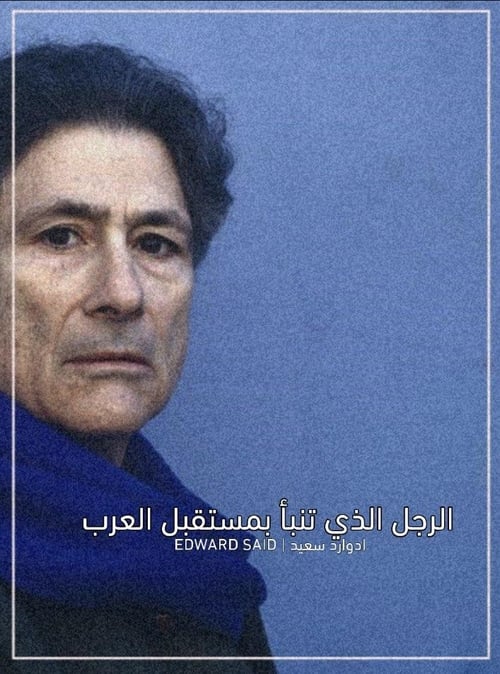
Edward Said's wife and daughter telling a stories and scenes of his own life.
The man who predicted the future of the Arabs

Knowledge is the Beginning is the story of the West-Eastern Divan Orchestra, where young Arabs and Jews perform and live side by side. It is a film about what music can do; the way it can transcend cultural barriers, bring people together, defeat prejudice and overcome religious and political differences. It also demonstrates the problems that crop up occasionally and how music can help people from different points of view find common ground. For Daniel Barenboim, founder of the ensemble, the orchestra is a symbol for what could be achieved in the Middle East.
Knowledge Is the Beginning

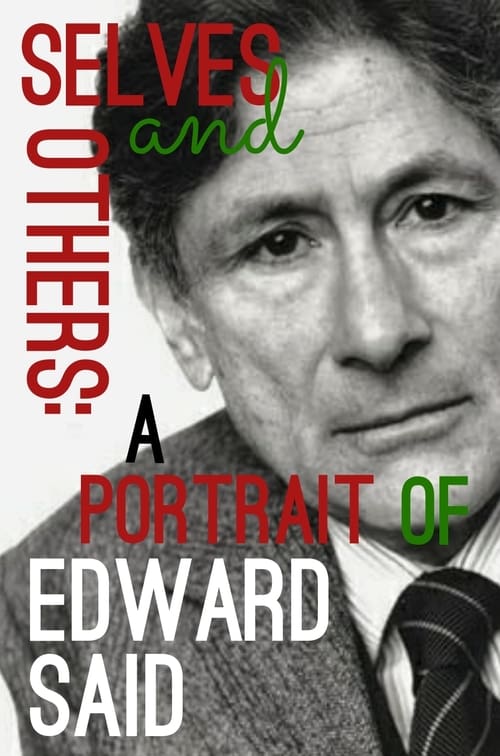
Edward Said was one of the great contemporary intellectuals of our time and a prominent spokesperson for the Palestinian cause. Shortly before his death in 2003, a French film crew spent several weeks with him and his family. The result is this intimate documentary that offers Said's reflections on how the experience of exile shaped the central ideas, the work and the struggles of this famous academic and activist. Speaking of his background, Said once told a journalist, "My sense of exile has been lifelong -- it's a question of articulating it," Selves and Others features the Said speaking about his nomadic childhood and his views on Eastern identity in the West and how the city of New York balances tradition with a sense of constant change.
Selves and Others: A Portrait of Edward Said

Edward Said, critic, tells his story and the story of Palestine.
Exiles: Edward Said

In this important lecture delivered at the University of Massachusetts, Edward Said takes aim at one of the central tenets of recent foreign policy thinking -- that conflicts between different and "clashing civilizations" (Western, Islamic, Confucian) characterize the contemporary world. "The real question is whether in the end we want to work for civilizations that are separate, or whether we should be taking the more integrative, but perhaps more difficult path, which is to see them as making one vast whole, whose exact contours are impossible for any person to grasp, but whose certain existence we can intuit and feel and study." - Edward Said
Edward Said: The Myth of "The Clash of Civilizations”
Edward Said's book ORIENTALISM has been profoundly influential in a diverse range of disciplines since its publication in 1978. In this engaging (and lavishly illustrated) interview he talks about the context within which the book was conceived, its main themes and how its original thesis relates to the contemporary understanding of "the Orient." Said argues that the Western (especially American) understanding of the Middle East as a place full of villains and terrorists ruled by Islamic fundamentalism produces a deeply distorted image of the diversity and complexity of millions of Arab peoples.