Editing
No description available.
On Carnival's eve, girl dreams of a man to stay with her during these four days. She meets a photographer, with whom she has an affair.
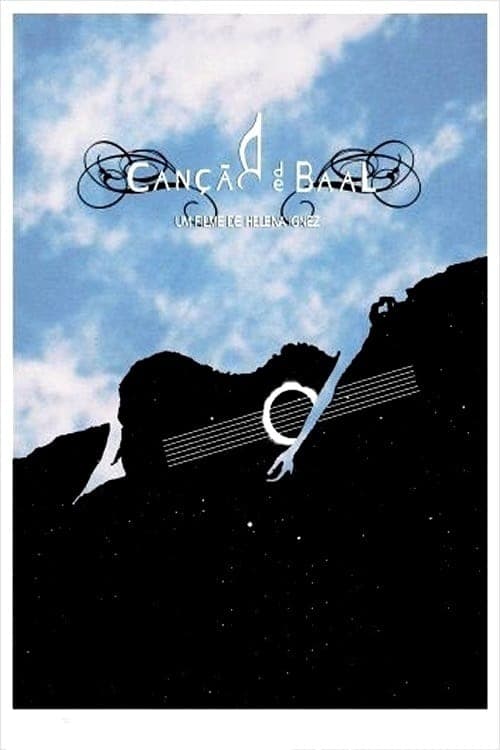
A marginal version of Brecht’s piece, “Baal”.
An experimental ethnographic documentary that criticizes the colonizer view of anthropology.
Drawing inspiration from a poem penned by Castro Alves, this film vividly captures the political, cultural, and intellectual climate of Brazil during the late 1970s. At its core, the story revolves around four distinctive embodiments of Christ's image: a black man, a soldier, an Indian, and a guerrilla fighter. These courageous individuals, hailed as the harbingers of doom in the tupiniquim lands, valiantly combat the insatiable avarice and oppressive "civilizing" brutality propagated by the formidable John Brahms—a foreign exploiter devoid of morals.
The film focuses on a contemporary documentary production company that is attempting to create a non-fiction feature about Papa Montero, a 1930's rumbero who was murdered during Havana's carnival celebrations. The film uses flashback sequences to recreate Papa Montero's celebrated dance and his disastrous involvement in a fatal love triangle. The film features rumba-inspired dance sequences performed in the streets of Havana by El Conjunto Folklorico Nacional de Cuba.
Iconic stars of the 80s and 90s team up in a nostalgic rollercoaster. Picture Lethal Weapon colliding with Rush Hour, with classic movie references and outrageous situations. One cop takes on LA’s craziest criminals with a DeLorean ride to justice.
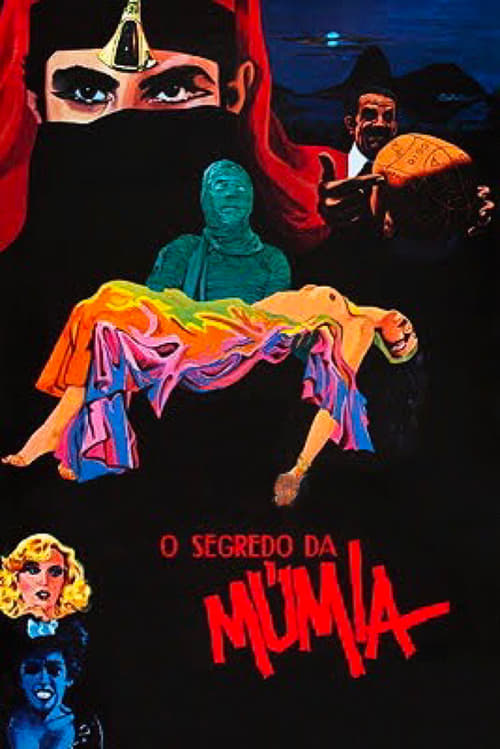
A mad scientist attempts to bring an ancient Egyptian mummy back to life.
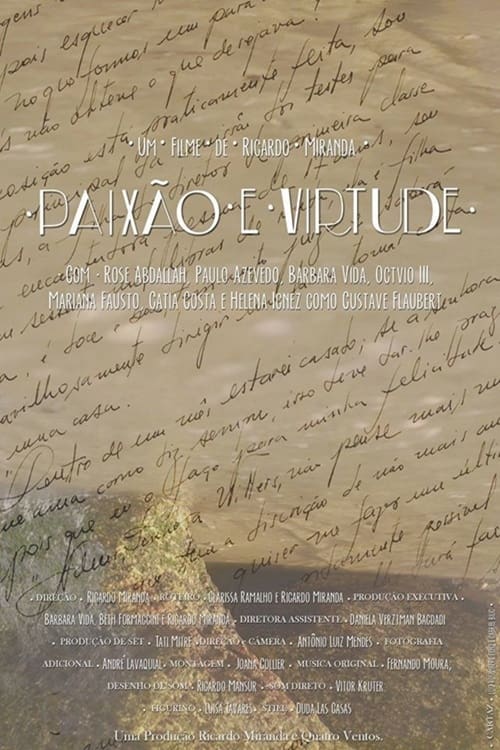
São Paulo, late 30's. Alberto is an intellectual and professor who announces to his friend and pupil Polidoro he won a scholarship to study in Paris. In Paris Polidoro receives a letter in which Alberto announces that he married Helena. Polidoro returns to Brazil in 1945, when there was a strong political agitation against the New State. Alberto invites Polidoro to spend a few days at his home in Campos do Jordão. After reaching the site he is told by Helena that Alberto was forced to travel urgently. She insists he should stay there until the return of her husband and, while waiting, she seduces him. Then, after several days of intense passion, she orders Polidoro to go away and never see her again.
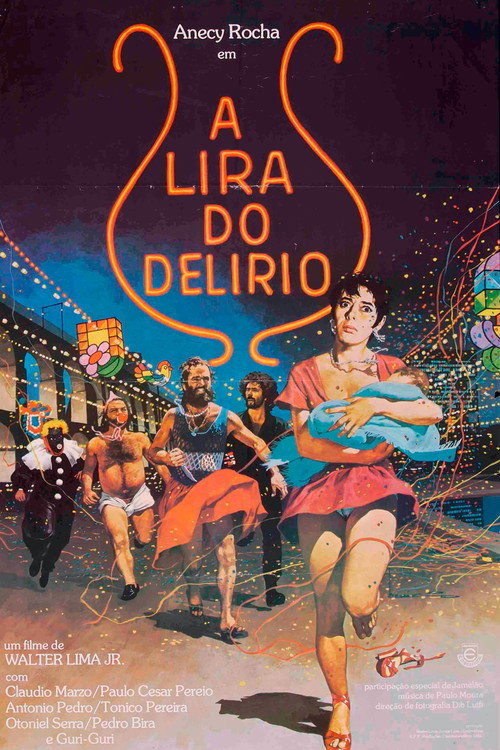
During the Carnival, in Niterói, the son of a Lira do Delírio nightclub dancer is kidnapped. With the help of a journalist friend, she dives into Rio de Janeiro's underworld and meet all kind of criminals. She also goes back in time, to a past carnival, where she thinks she might pin-point the culprit among a group of people.
Between August 23 and 31, 1983, at the "Circo Massimo", in Rome, there was a musical event that brought together artists from Bahia. This film brings a recording of the event, also featuring backstage, rehearsals, testimonies and some relaxing moments of these great names in Bahia's music.
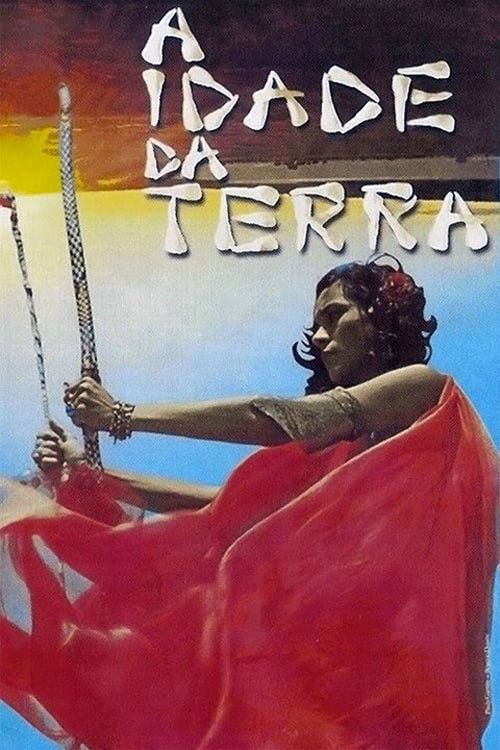
An experimental film on Brazilian avant-garde artist Hélio Oiticica and his works, especially the Parangolés.
Aspects of writer Clarice Lispector's personality and soul remembered on the occasion of her death in the testimony of friends. The testimonies are interspersed with excerpts from an interview that Clarice gave in life to a television station.
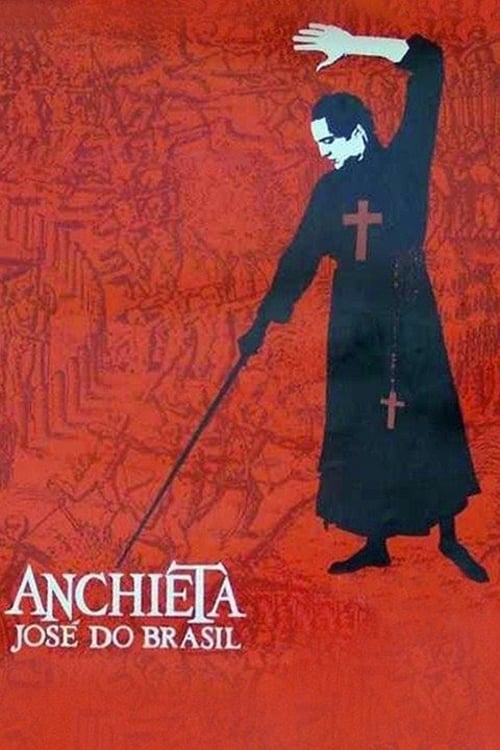
Life and death of the jesuit who fought for the peaceful relationship between colonists and the indigenous peoples of Brazil.
A bank manager has a secret. He is compelled to bite society women hands.