Maya Deren
Directing
Biography
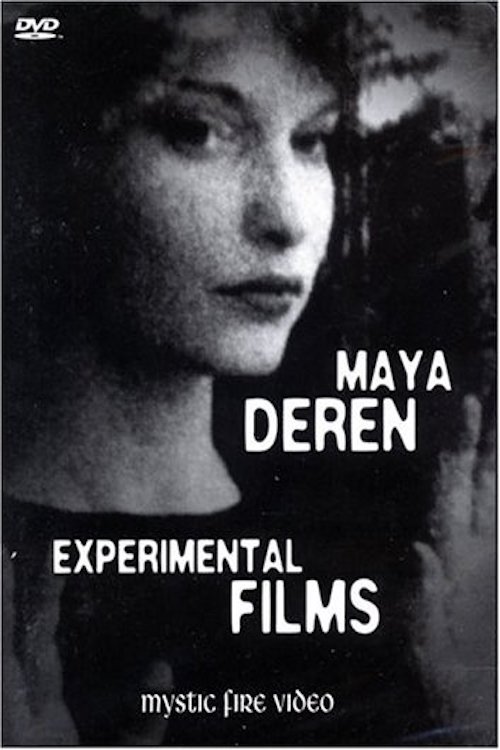
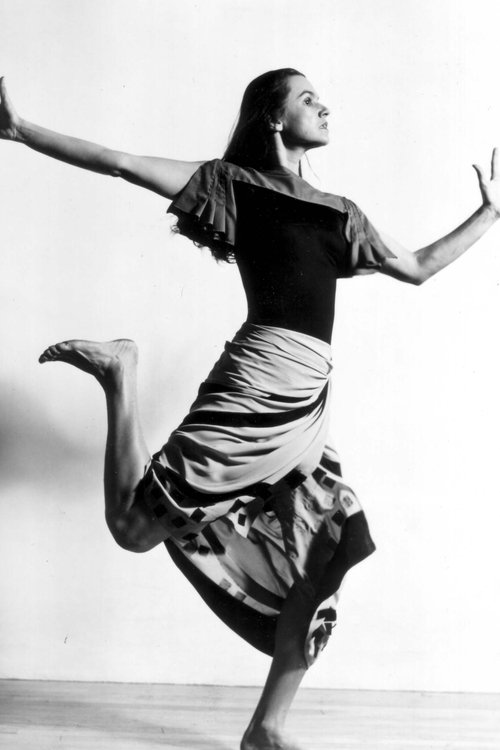
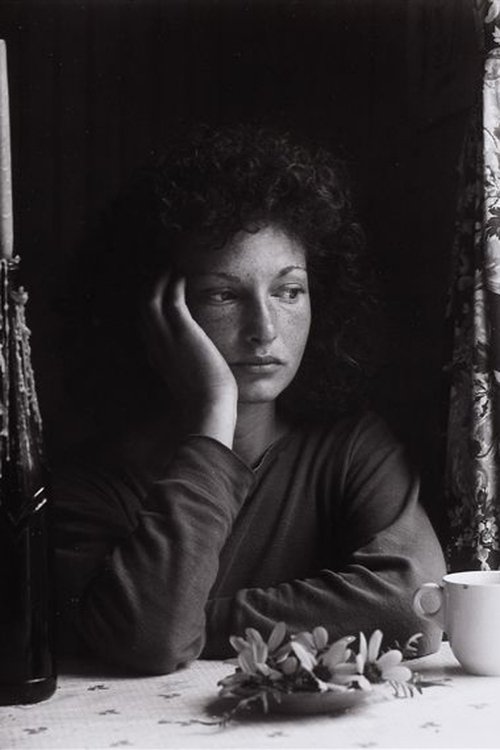
Maya Deren (April 29, 1917 – October 13, 1961), born Eleonora Derenkowska (Ukrainian: Елеоно́ра Деренко́вська), was one of the most important American experimental filmmakers and entrepreneurial promoters of the avant-garde in the 1940s and 1950s. Deren was also a choreographer, dancer, film theorist, poet, lecturer, writer and photographer.
Known For

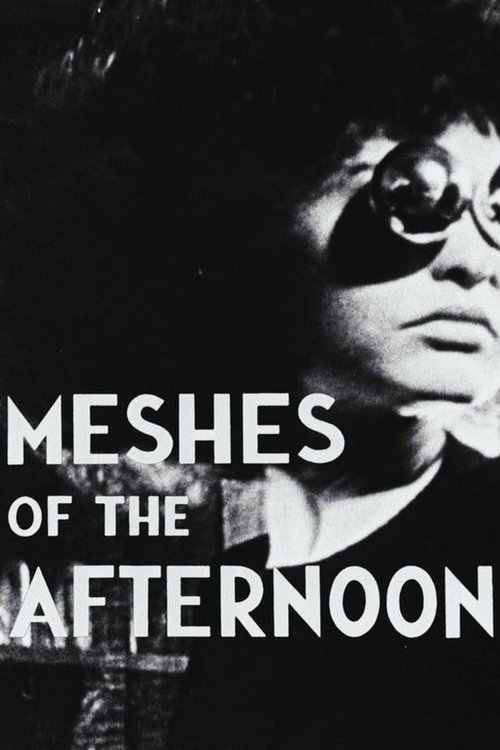
A woman returning home falls asleep and has vivid dreams that may or may not be happening in reality. Through repetitive images and complete mismatching of the objective view of time and space, her dark inner desires play out on-screen.
Meshes of the Afternoon

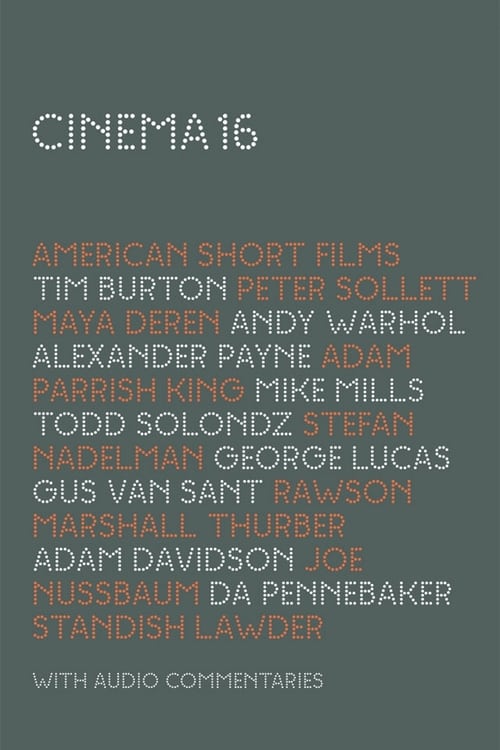
CINEMA16 celebrates the short film by showcasing some of the best classic and award-winning shorts on DVD. With over three hours of films CINEMA16: AMERICAN SHORT FILMS is essential viewing for anyone with an interest in the moving image. Films include Gus Van Sant's 1982 adaptation of a William S. Burroughs short story, The Discipline Of DE, Tim Burton's early stop motion animated classic Vincent, George Lucas' USC short Freiheit, Alexander Payne's previously unreleased UCLA graduation short Carmen, Paperboys by Mike Mills, D.A. Pennebaker's Duke Ellington scored Daybreak Express, Todd Solondz's NYU short Feelings, along with Oscar Winner The Lunch Date by Adam Davidson, Stefan Nadelman's multi- award winning documentary Terminal Bar, Joe Nussbaum's cult classic George Lucas In Love and 2006 Sundance Winner The Wraith Of Cobble Hill by Adam Parrish King. Films are subtitled in French, German, Italian, Spanish and Japanese, and include commentaries from many of the directors involved.
Cinema16: American Short Films

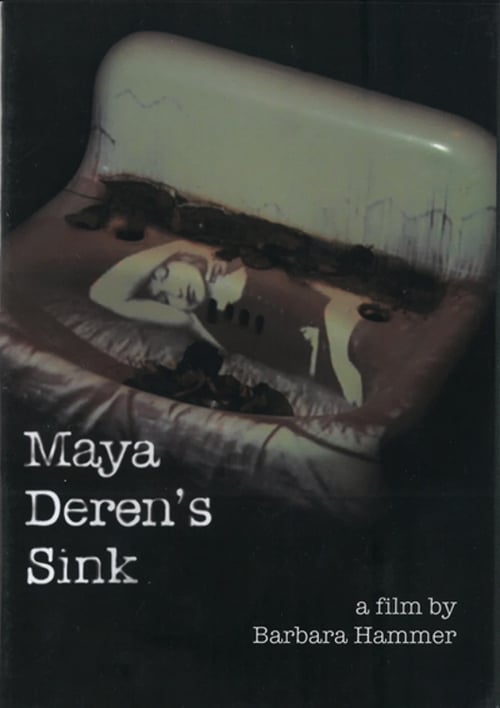
Maya Deren's Sink, a 30 minute experimental film, is an evocative tribute to the mother of avantgarde American film. The film calls forth the spirit of one who was larger than life as recounted by those who knew her. Teiji Ito's family, Carolee Schneemann and Judith Malvina, float through the homes recalling in tiny bits and pieces words of Deren's architectural and personal interior space. Clips from Maya Deren's films are projected back into the spaces where they were originally filmed appearing on the floorboard, furniture, and in the bowl of her former sink. Fluid light projections of intimate space provide an elusive agency for a filmmaker most of us will never know as film with its imaginary nature evokes a former time and space.
Maya Deren's Sink

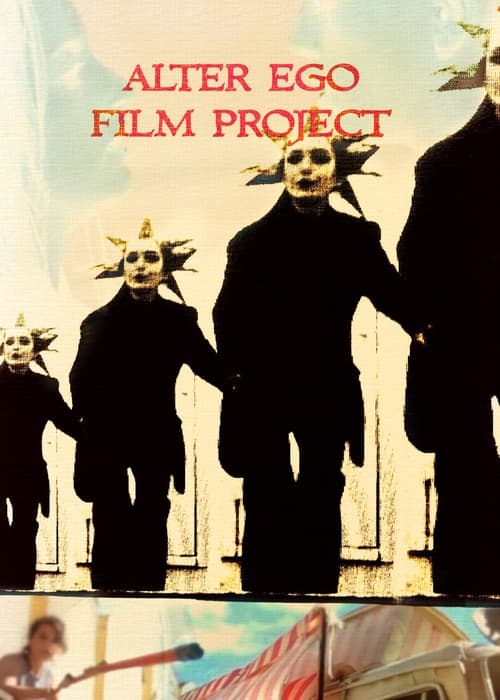
5 short films, from 5 directors and 4 different countries on the theme of the Alter-Ego. The "Alter Ego Film Project" is inspired by the spirit of Maya Deren and her way of making films. Between double personality, secret identity, doppelgänger and impossible love we have discovered several unconventional stories halfway between narrative and experimental.
Alter Ego Film Project

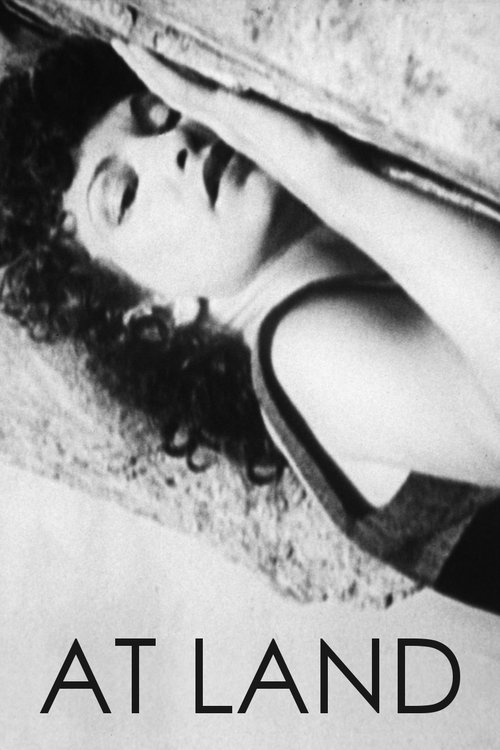
A woman washes up on a beach and embarks on a surreal journey, encountering others and fragmented versions of herself in a quest for identity.
At Land

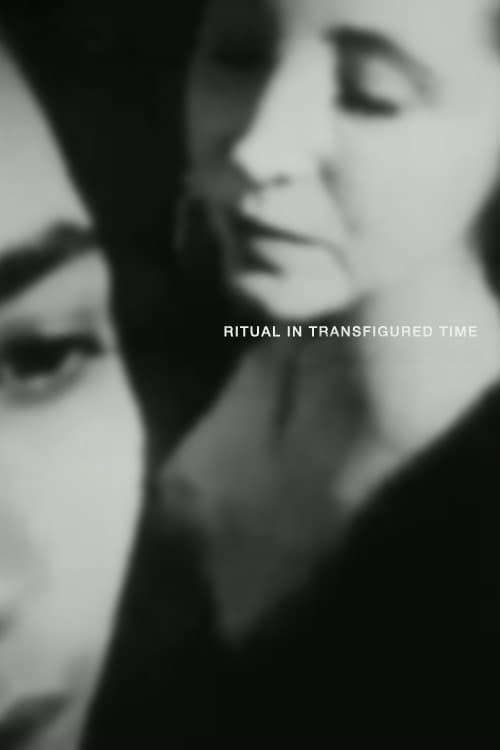
A social event choreographed in the manner of a dance, illuminated by concepts drawn from Greek legend; one of filmmaker Maya Deren's most intriguing works.
Ritual in Transfigured Time

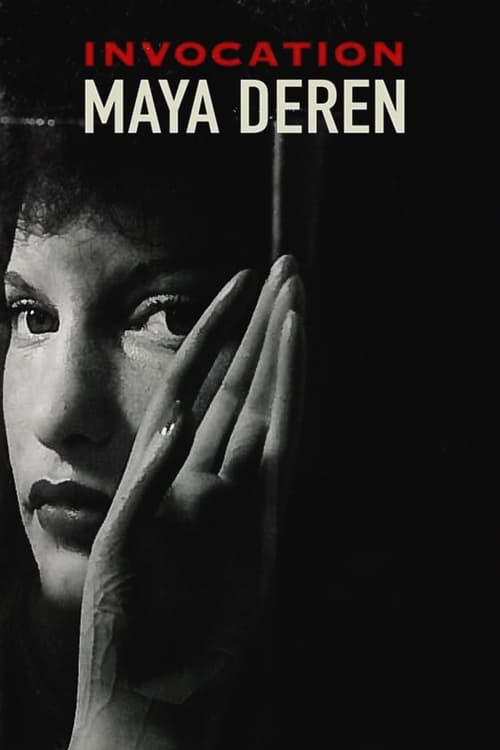
Maya Deren is a legend of avant-garde cinema. This authoritative biography of the charismatic filmmaker, poet and anthropologist features excerpts from her pioneering Meshes of the Afternoon and her unfinished documentary on Haiti, interviews with Stan Brakhage and Jonas Mekas, and recordings of her lectures. Narrated by actress Helen Mirren, this definitive documentary offers startling insights into one of the most intriguing, accomplished figures in cinema history.
Invocation: Maya Deren
This documentary interweaves films and voice recordings by Maya Deren with interviews featuring colleagues and contemporaries who worked with or knew her firsthand. Drawing on archival material and commentary from figures such as Jean Rouch and Jonas Mekas, the film traces Deren’s work and influence across experimental cinema and ethnographic thought.
Maya Deren, Take Zero

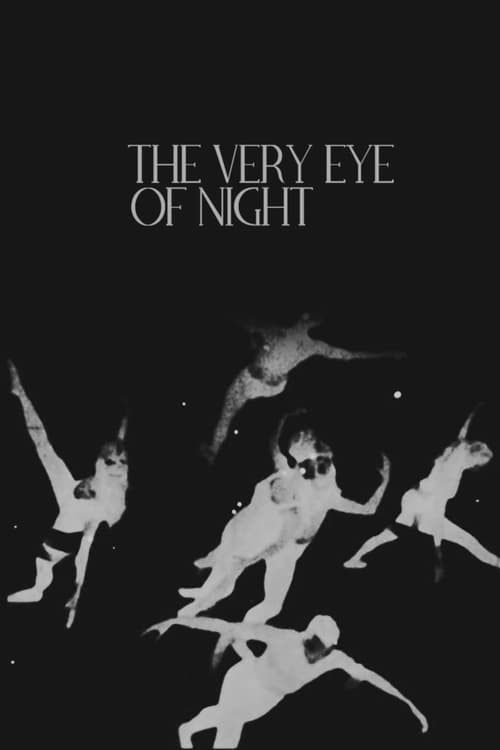
Dancers, shown in photographic negative, perform a series of ballet moves, solos, pas de deux, larger groupings. The dancers glide and rotate untroubled by gravity against a slowly changing starfield background. Their movements are accompanied by music scored for a small ensemble of woodwind and percussion.
The Very Eye of Night

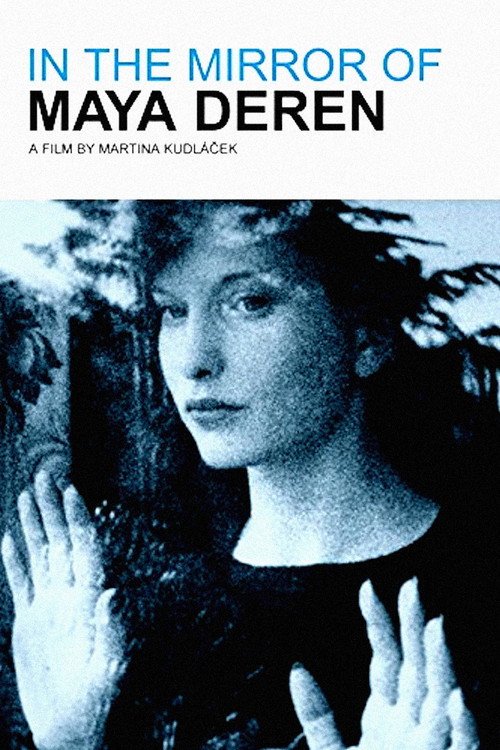
Documentary about the life of avant-garde filmmaker Maya Deren, who led the independent film movement of the 1940s.
In the Mirror of Maya Deren

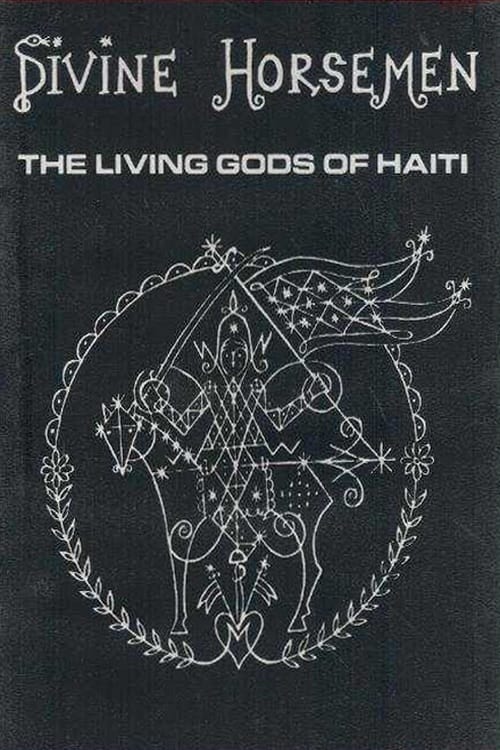
This intimate ethnographic study of Voudoun dances and rituals was shot by Maya Deren during her years in Haiti (1947-1951); she never edited the footage, so this “finished” version was made by Teiji Ito and Cherel Ito after Deren’s death.
Divine Horsemen: The Living Gods of Haiti

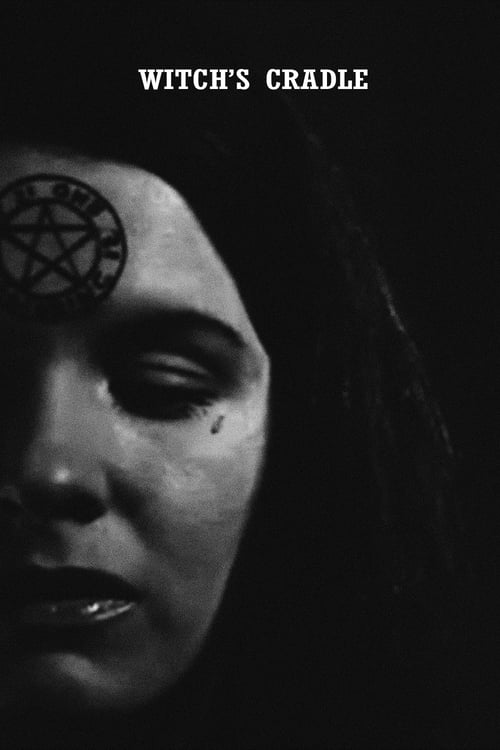
The surrealist film shows repetitive imagery involving a string fashioned in a bizarre, almost spiderweb-like pattern over the hands of several individuals, most notably an unnamed young woman and an elderly gentleman. The film also shows a shadowy darkness and people filmed at odd angles, an exposed human heart, and other occult symbols and ritualistic imagery which evokes an unsettling and dream-like aura. Considered an unfinished film.
Witch's Cradle

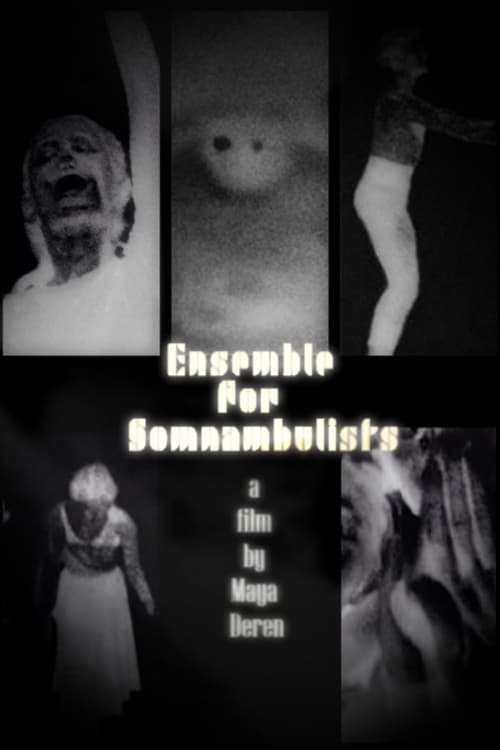
Ensemble for Somnambulists was a film Maya Deren made while teaching a workshop at the Toronto Film Society. It was never completed, and is officially "unpublished," but this title has been restored and it screens occasionally along with her other films. It is sort of a preliminary sketch for The Very Eye of Night. ~ David Lewis, Rovi
Ensemble for Somnambulists

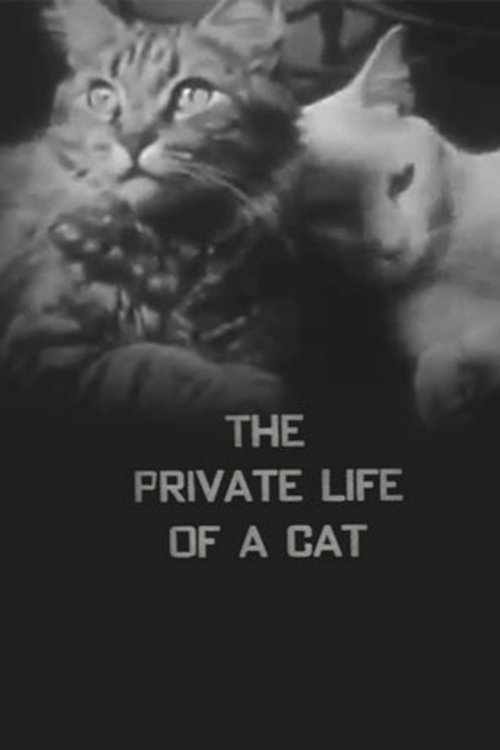
An intimate study of the life of a domestic cat, taking place over a period of months as she gives birth to a litter of kittens and cares for them as they grow.
The Private Life of a Cat

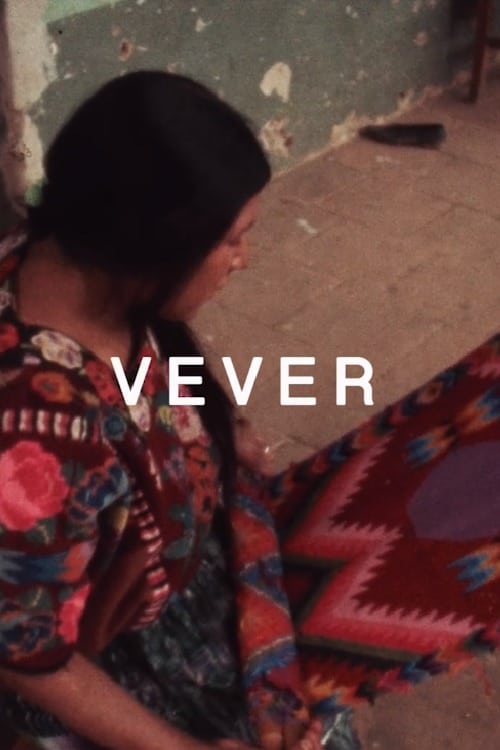
Deborah Stratman brings past perspectives into the contemporary moment in a montage of unfinished film footage from artist Barbara Hammer with evocative sound, texts, and teachings from artist Maya Deren. Vever poetically draws connects between three generations of women filmmakers who separately, and now together, have taken on unknown challenges, and opened themselves up to reinterpretation in their filmmaking practices.
Vever (For Barbara)

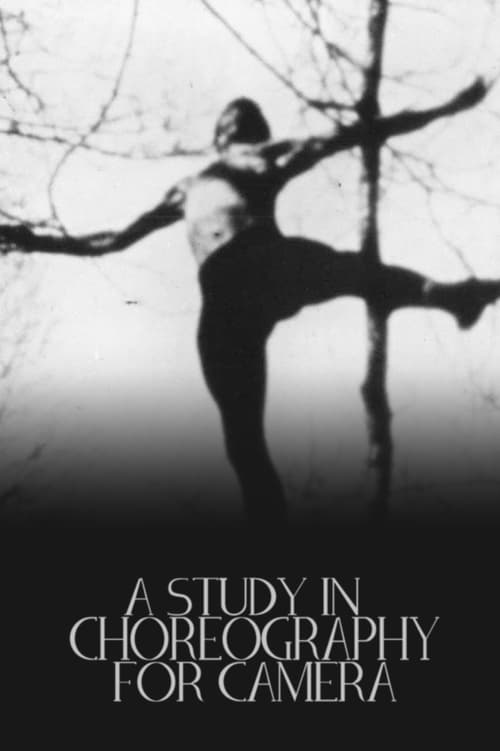
Maya Deren’s shortest, two-minute A Study in Choreography for Camera seems like an exercise piece to capture a dancer’s movement on celluloid, which later on developed into her masterpieces such as Ritual in Transfigured Time and Meditation on Violence.
A Study in Choreography for Camera

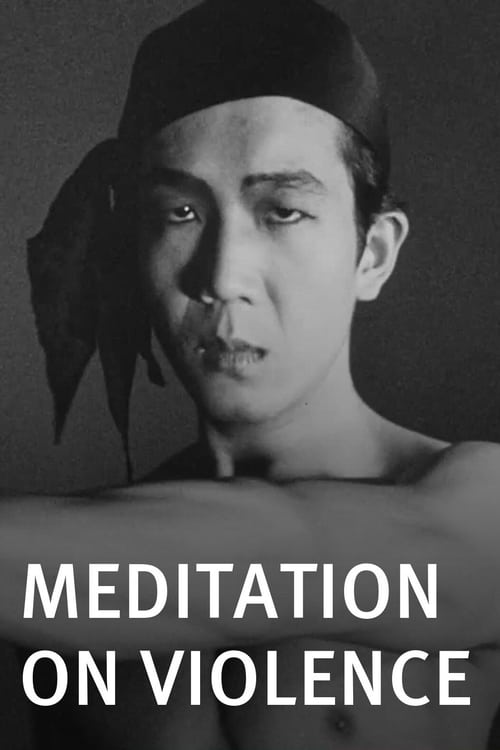
Chao-Li Chi shadow boxes indoors and practices with a sword outdoors. Theoretically, the film describes in a single continuous movement three degrees of traditional Chinese boxing, Wu-tang, Shao-lin, and Shao-lin with a sword. A long sequence of the ballet-like, sinuous Wu-tang becomes the more erratic Shao-lin; in the middle, there is an abrupt change to leaping sword movements, in the center of which, at the apogee of the leap, there is a long held freeze-frame.
Meditation on Violence

Unfinished, 16mm, b&w silent film directed by Maya Deren.
Medusa

Unfinished, 16mm, b&w silent film directed by Maya Deren. No copy of this film exists
Season of Strangers

All of the rejected material from MAYA DEREN’s simplest and purest film offers the student of cinema and those interested in MAYA DEREN a vivid lesson in how she constructed a film. When shown together with a completed film it provides a model for economy in editing.