FEEL IT.STREAM
Kōji Mitsui

Kōji Mitsui

Acting

Biography

Mitsui Koji ( March 6, 1910 - April 20, 1979 ) was a Japanese actor. His real name was Mitsui Hikohide. After the war, he played an active role as a supporting actor in films directed by Akira Kurosawa and Yasujiro Ozu . His former stage name was Mitsui Hideo. Changed his stage name to Mitsui Koji in Ozu's Hen in the Wind (1948) . His role as the playboy Kisaburo in Kurosawa Akira 's The Lower Depths (1957) won him the Best Supporting Actor award at the 12th Mainichi Film Awards and the 8th Blue Ribbon Awards, solidifying his status as a supporting actor. After going freelance in 1960, he worked not only in films but also in television dramas and on stage, but after undergoing surgery for a stomach ulcer in 1971, his health deteriorated and he scaled back his acting career. He died of heart failure on April 20, 1979 at a hospital in Kamakura. He was 69 years old.
Known For

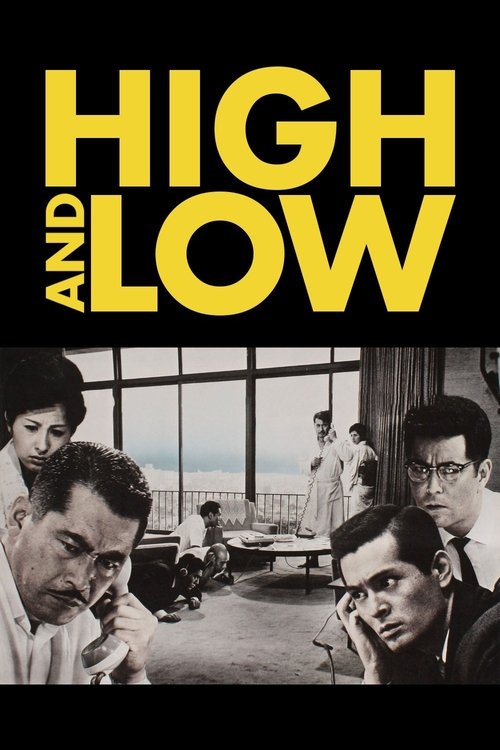
High and Low
8.4

A Yokohama shoe executive faces a wrenching choice when kidnappers mistakenly seize his chauffeur’s son but demand the ransom anyway.

High and Low

1963
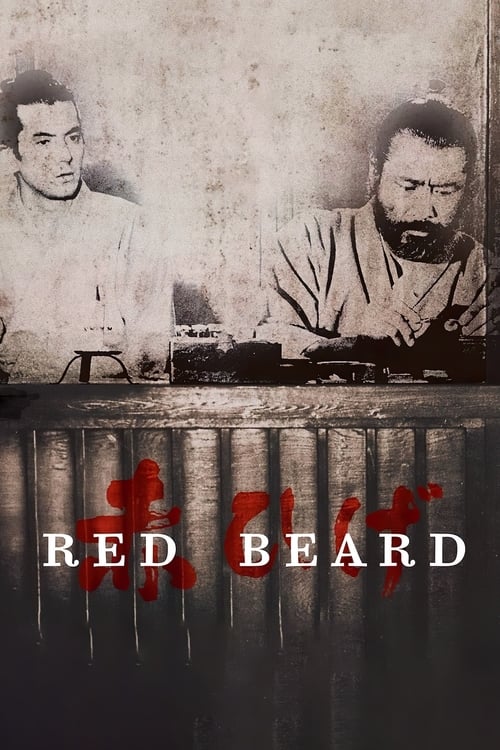
Red Beard
8.1

Aspiring to an easy job as personal physician to a wealthy family, Noboru Yasumoto is disappointed when his first post after medical school takes him to a small country clinic under the gruff doctor Red Beard. Yasumoto rebels in numerous ways, but Red Beard proves a wise and patient teacher. He gradually introduces his student to the unglamorous side of the profession, ultimately assigning him to care for a prostitute rescued from a local brothel.

Red Beard

1965
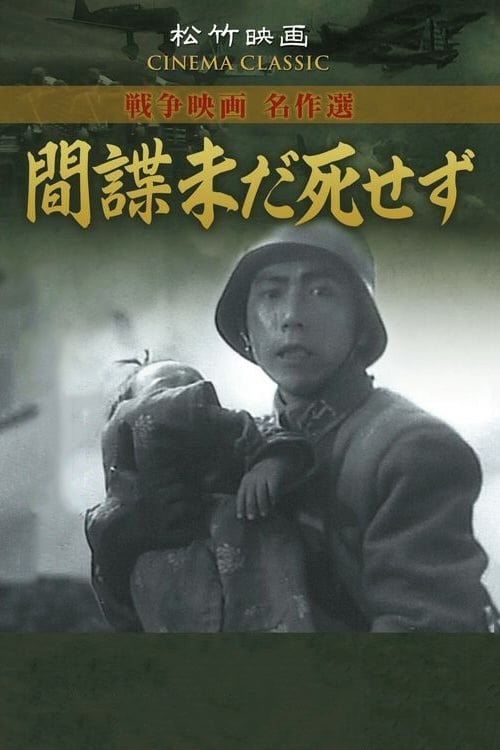
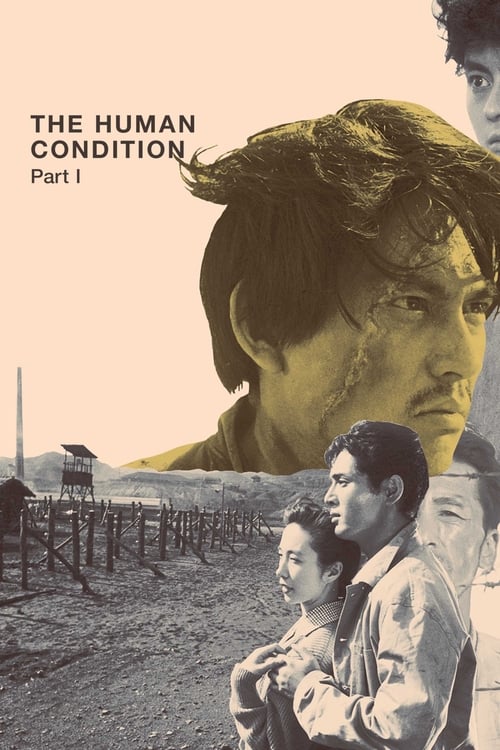
The Human Condition I: No Greater Love
8.1

After handing in a report on the treatment of Chinese colonial labor, Kaji is offered the post of labour chief at a large mining operation in Manchuria, which also grants him exemption from military service. He accepts and moves with his newlywed wife Michiko, but when he tries to put his ideas of more humane treatment into practice, he finds himself at odds with scheming officials, cruel foremen, and the military police.

The Human Condition I: No Greater Love

1959
Woman in the Dunes
8.2

A vacationing entomologist suffers extreme physical and psychological trauma after being taken captive by the residents of a poor seaside village and made to live with a woman whose life task is shoveling sand for them.

Woman in the Dunes

1964
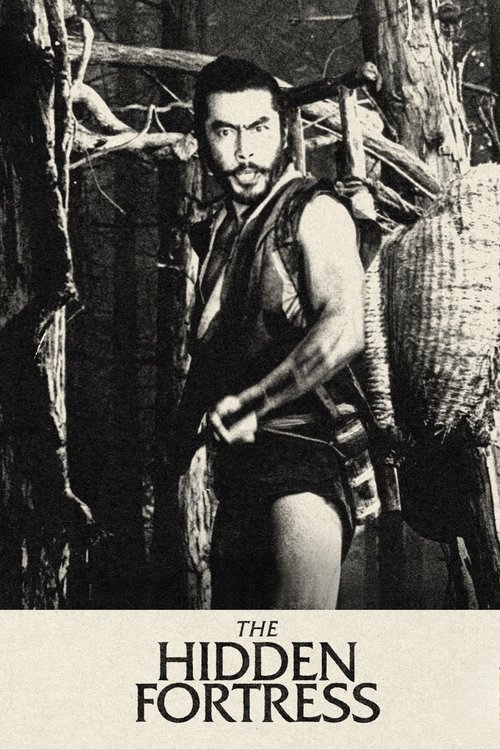
The Hidden Fortress
8.0

In feudal Japan, during a bloody war between clans, two cowardly and greedy peasants, soldiers of a defeated army, stumble upon a mysterious man who guides them to a fortress hidden in the mountains.

The Hidden Fortress

1958
The Lower Depths
7.1

Residents of a rundown boardinghouse in 19th-century Japan, including a mysterious old man and an aging actor, get drawn into a love triangle that turns violent. When amoral thief Sutekichi breaks off his affair with landlady Osugi to romance her younger sister, Okayo, Osugi extracts her revenge by revealing her infidelity to her jealous husband.

The Lower Depths

1957
The Bad Sleep Well
7.7

In this loose adaptation of "Hamlet," illegitimate son Kôichi Nishi climbs to a high position within a Japanese corporation and marries the crippled daughter of company vice president Iwabuchi. At the reception, the wedding cake is a replica of their corporate headquarters, but an aspect of the design reminds the party of the hushed-up death of Nishi's father. It is then that Nishi unleashes his plan to avenge his father's death.

The Bad Sleep Well

1960
Japan's Longest Day
7.3

Following the detonation of the atomic bombs on Hiroshima and Nagasaki, the Japanese military and the government clash over the demand from the Allies for unconditional surrender. Minister of the Army Anami leads the military officers who propose to fight on, even to the death of every Japanese citizen. Emperor Hirohito, however, joins with his ministers in asking the unthinkable, the peaceful surrender of Japan. When the military plots a coup to overthrow the Emperor's civilian government, Anami must face the choice between his desires and loyalty to his Emperor.

Japan's Longest Day

1967
Scandal
6.9

A celebrity photograph sparks a court case as a tabloid magazine spins a scandalous yarn over a painter and a famous singer.

Scandal

1950
Floating Weeds
7.5

A theater troupe master's visit with his old flame unintentionally sets off a chain of unexpected events with devastating consequences.

Floating Weeds

1959
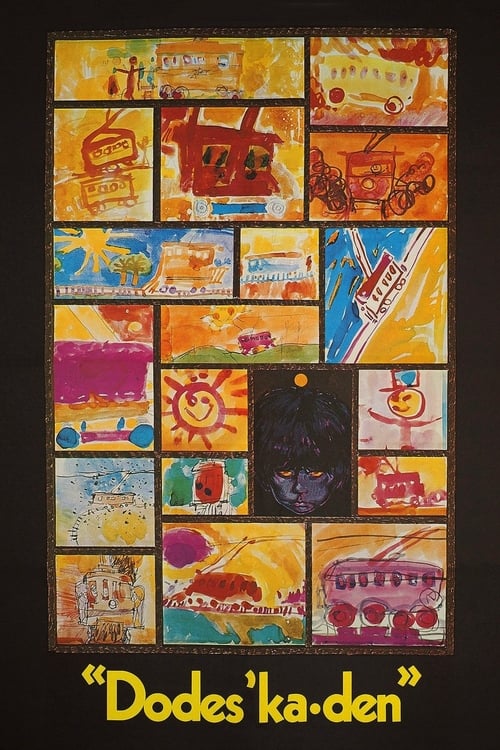
Dodes'ka-den
7.1

On a Tokyo dump’s shantytown edge, interwoven vignettes follow residents scraping by: a boy who “drives” an imaginary trolley, a homeless father and son designing a dream house, a young woman brutalized at home, drunks, schemers, and saints of small kindnesses. Kurosawa crafts a ragged mosaic of hardship, fantasy, and flickers of grace that keep people moving forward.

Dodes'ka-den

1970
The Battle of Okinawa
7.8

The Americans are swiftly closing on Okinawa, an island just south of the Japanese mainland. The Imperial command sends top generals and several army divisions to defend it at all costs. The mission quickly degenerates as vital resources and troops are diverted to other islands. After a civilian evacuation ends in tragedy most of non-combatants are forced to remain on the island. Many convert to soldier status. Tokyo sends mixed messages that squander time and resources, as when they order the defenders to build an airstrip for aircraft that never come. The truth soon becomes obvious: the high command decides that the island cannot be held and effectively abandons the Okinawan defenders. When the Americans land many troops are deployed in the wrong places. As the slaughter mounts, a suicidal attitude takes hold. Okinawa becomes a death trap, for civilian volunteers and non-combatants as well.

The Battle of Okinawa

1971
Dragnet Girl
6.7

A gangster tries to find redemption with the inadvertent help of an innocent shop girl and his jealous girlfriend will do anything to keep him.

Dragnet Girl

1933
Early Spring
7.5

A young salaryman and his wife struggle within the confines of their passionless relationship while he embarks on an extramarital affair.

Early Spring

1956
A Fugitive from the Past
7.3

Three robbers escape with loot from a heist before one of them kills the others. Their corpses wash up near the aftermath of a maritime calamity, provoking a policeman's interest.

A Fugitive from the Past

1965
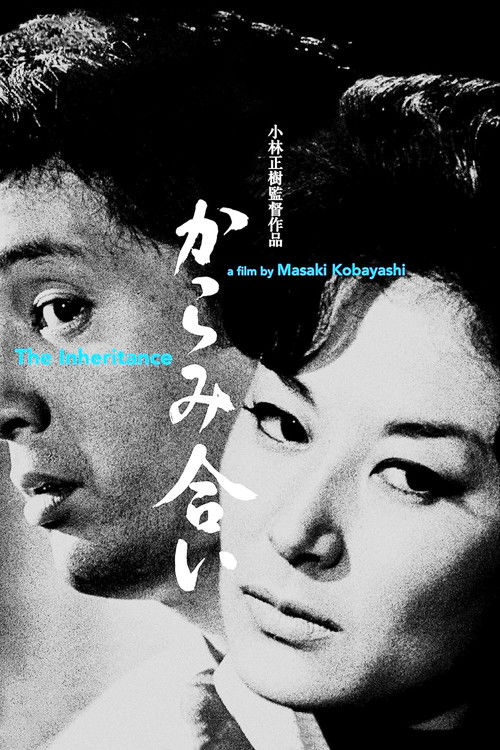
The Inheritance
7.2

A dying businessman intends to will ¥200 million to his three illegitimate children, but his associates scheme to take advantage of the situation.

The Inheritance

1962
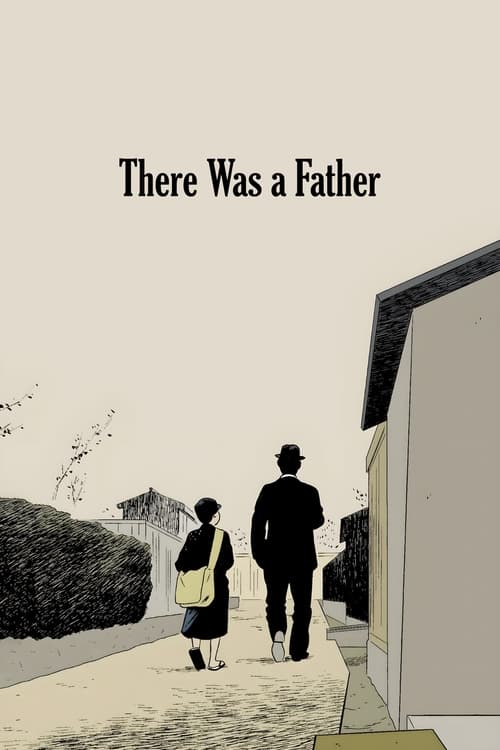
There Was a Father
7.0

Shuhei Horikawa, a poor schoolteacher, struggles to raise his son Ryohei by himself, despite neither money nor prospects.

There Was a Father

1942
A Story of Floating Weeds
7.2

An aging actor returns to a small town with his troupe and reunites with his former lover and illegitimate son, a scenario that enrages his current mistress and results in heartbreak for all.

A Story of Floating Weeds

1934
Great Jailbreak
7.0

A group of prisoners attempts to break the Abashiri prison. This film can be considered a sequel to the Abashiri Bangaichi series, written and directed by Ishii Teruo. The friendship between two men on death row, a fleeting love affair with a traveling dancer and a deadly battle with the real culprit who has hunted him down filmed over a long period of time on location in Hokkaido.

Great Jailbreak

1975
Maria of the Ant Village
8.0

Alongside Tokyo's Sumida River is a ragpickers' settlement known as Ant Village. One night, a young Catholic girl, Satoko Kitahara, who has been baptized under the name of Maria, comes to offer her services. However, Ant Village is not just an ordinary vagrants' community but a fine autonomous organization, and as the municipal authorities have long been demanding that the people of Ant Village leave the site, Satoko is utilized to publicize the Village and win public sympathy. While being utilized in this manner, Satoko is nevertheless glad to be able to help the people of Ant Village, especially the children, and when the summer vacation comes she decides to take the children on an excursion to Hakone. To raise funds for this purpose she becomes a rag-picker herself.

Maria of the Ant Village

1958